Explore the Map
Olbia, Libya
32.6333° N, 21.4000° E
About
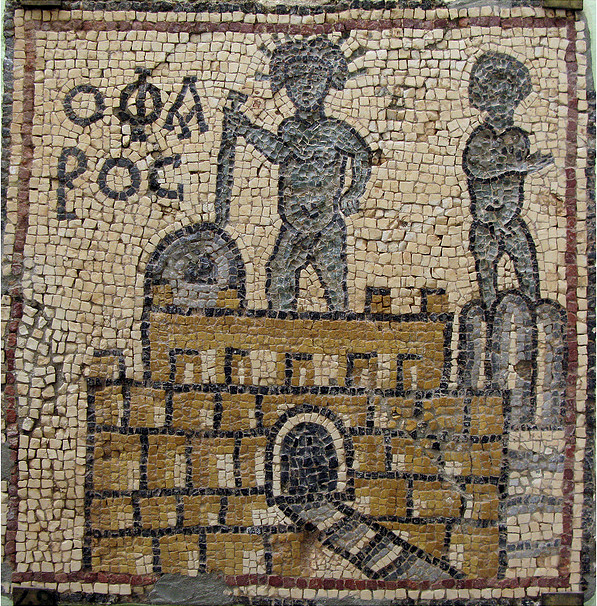
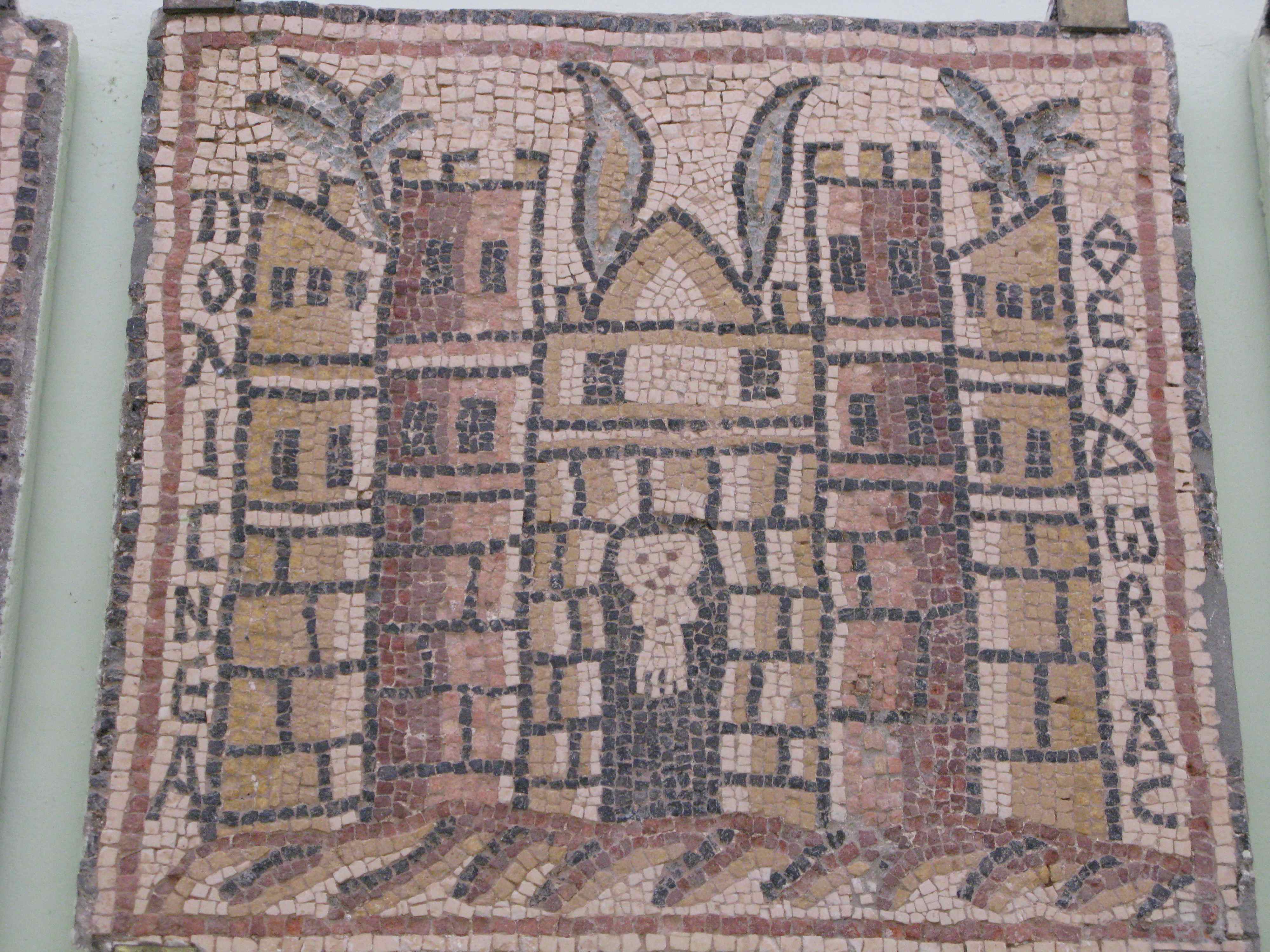
Olbia, also known as Theodorias, is an archaeological site located in the Cyrenaica region of modern Libya. Established initially as a Roman and Byzantine town, it was later refounded in 539 CE by the Byzantine Empress Theodora after its destruction by the Vandals and incursions by Laguatan nomads. The site is renowned for its two Byzantine churches, one of which is now part of the Qasr Libya Museum. Notably, the location features fifty beautiful mosaic panels that depict the known world and commemorate the town's refoundation. These mosaics, along with the churches, are significant indicators of the site's historical and cultural value, reflecting the religious and artistic endeavors of the Byzantine period.
Gallery
Explore photographs of ancient structures, artifacts, and archaeological excavations
Historical Timeline
Journey through time and discover key events in this site's history
Vandal Destruction
Early 6th century CE
Refoundation by Empress Theodora
539 CE
Archaeological Features
Unique architectural and cultural elements found at this historical site
Defensive Structures
Religious and Ritual Structures
Artistic and Decorative Features
Domestic and Habitation Structures
Frequently Asked Questions
Plan Your Visit
Tours, travel arrangements, and practical information
More Sites in Libya
Germa
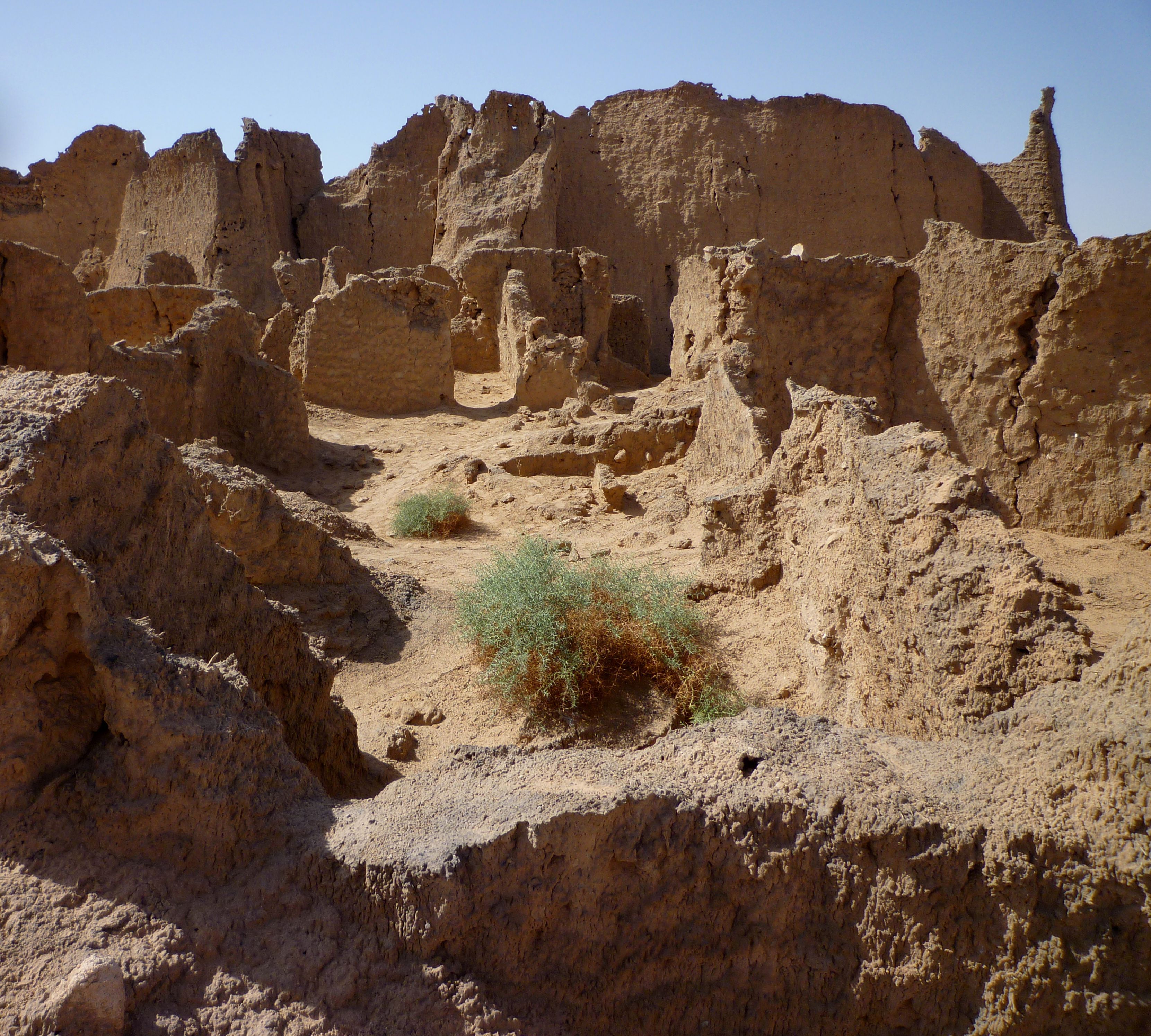
Ancient Garamantian capital in Sahara Desert
Leptis Magna
Roman port city in Tripolitania, Libya
Apollonia (Cyrenaica)
Greek harbour city and Byzantine ruins, Cyrenaica, Libya
Archaeological Site of Sabratha
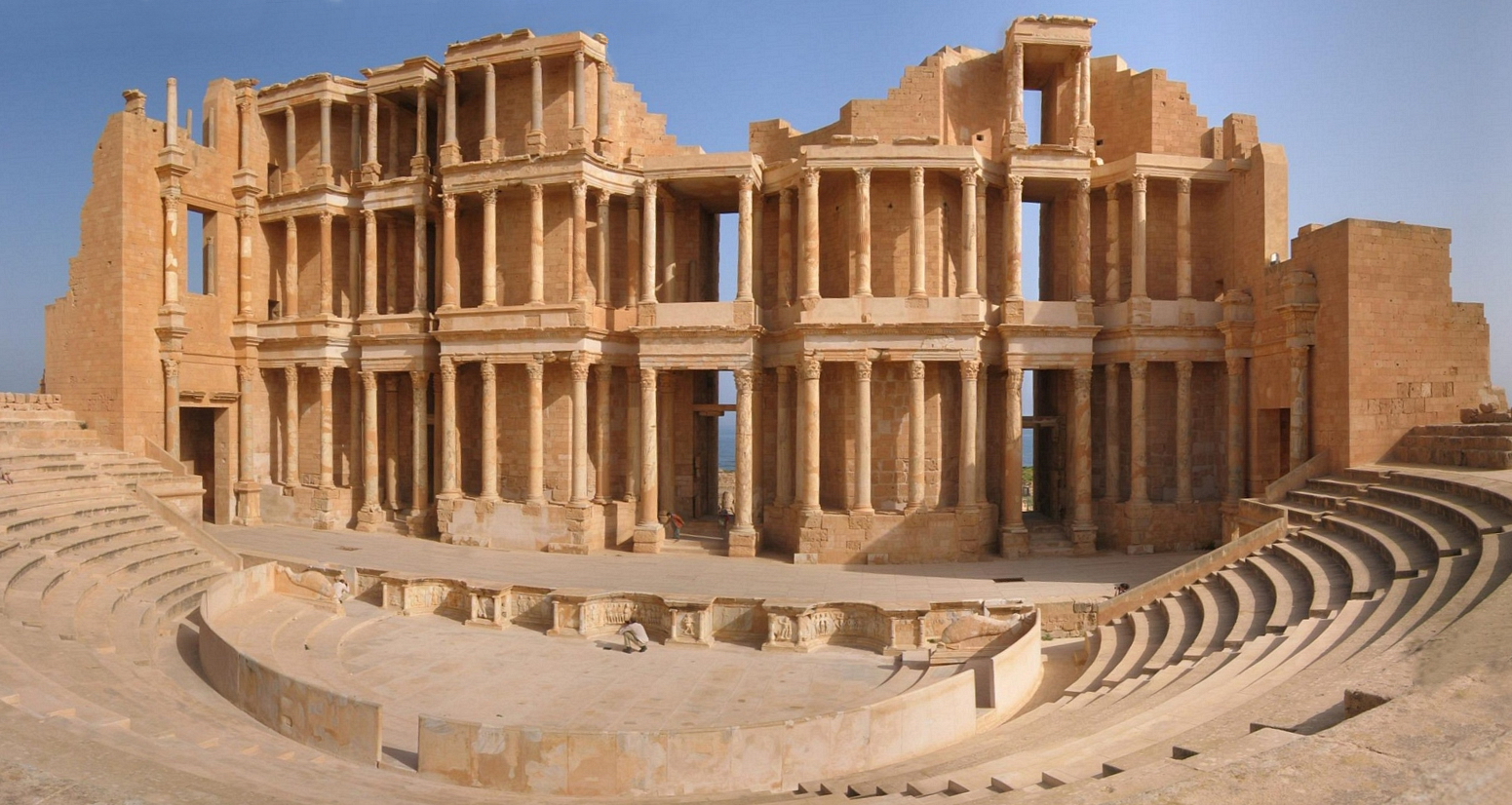
Excavated Roman and Numidian city in Libya
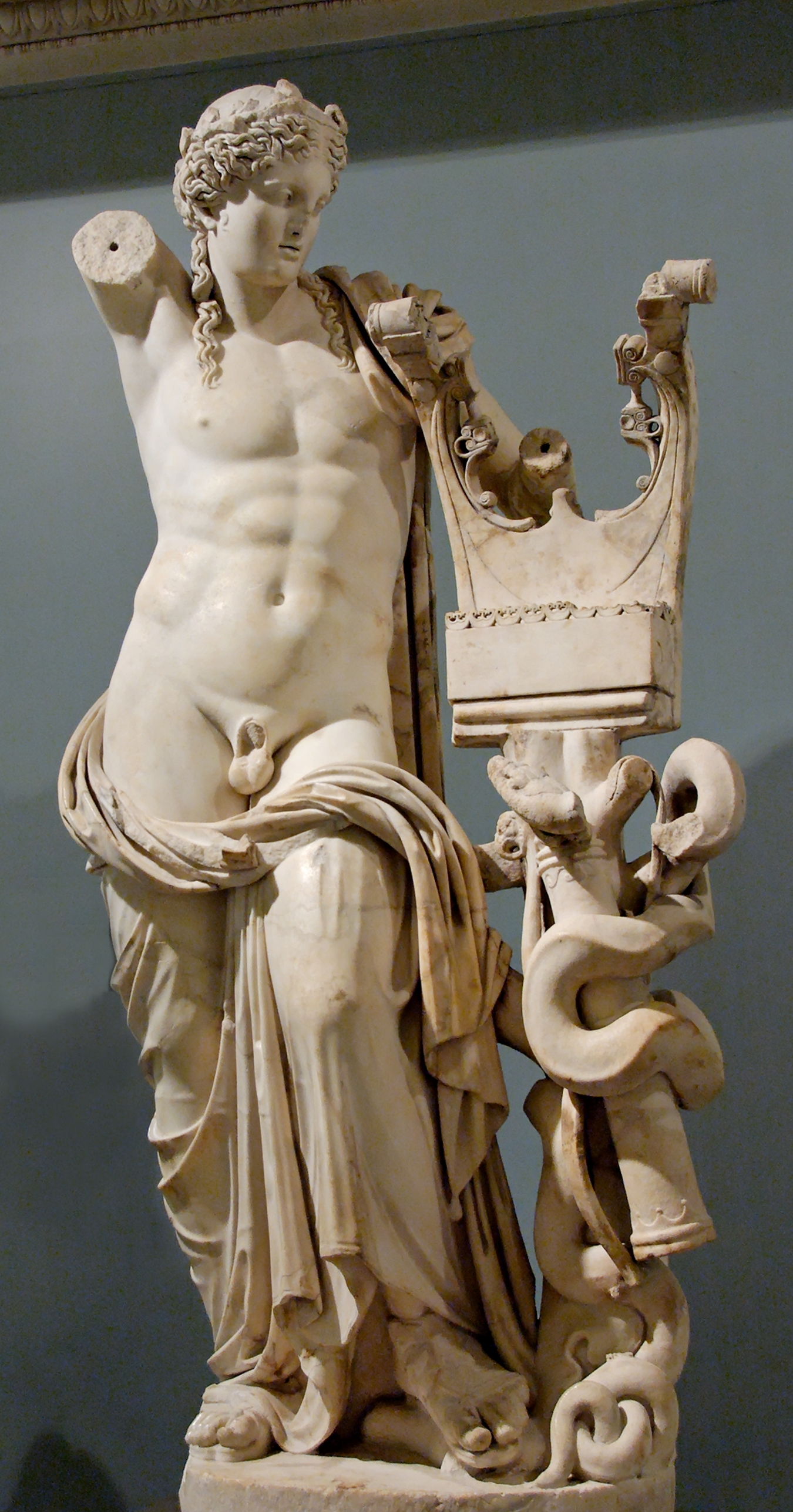
Cyrene, Libya
Ancient Greek and Roman city remains
Gerisa
Ancient Roman city with agricultural structures