Explore the Map
Mausoleum of Gasr Doga
32.4880° N, 13.6988° E
About
The Mausoleum of Gasr Doga, dating to the first century CE, is a significant archaeological site located near Tarhuna, Libya. This imposing structure was constructed by a member of the local Libyco-Punic elite and showcases a fusion of local and imported artistic and architectural influences, particularly drawing from Numidian and Hellenistic traditions. Over time, the mausoleum became the center of a fortified settlement, with its stones repurposed for newer structures during Late Antiquity and the Islamic era. The site offers insights into the historical interactions between local cultures and Roman influences. Notably, the mausoleum's architectural features include a U-shaped layout, underground funerary chambers, and Neo-Punic inscriptions, reflecting the region's rich cultural heritage. The presence of graffiti and Arabic inscriptions further highlights the site's continuous cultural significance through the centuries.
Historical Timeline
Journey through time and discover key events in this site's history
Settlement Formation
Late Classical Period
Construction of Mausoleum
1st century CE
Islamic Era Transformation
Early Post-Classical Period
Archaeological Features
Unique architectural and cultural elements found at this historical site
Defensive Structures
Burial and Funerary Structures
Artistic and Decorative Features
Domestic and Habitation Structures
Transportation and Communication Structures
Frequently Asked Questions
Plan Your Visit
Tours, travel arrangements, and practical information
More Sites in Libya
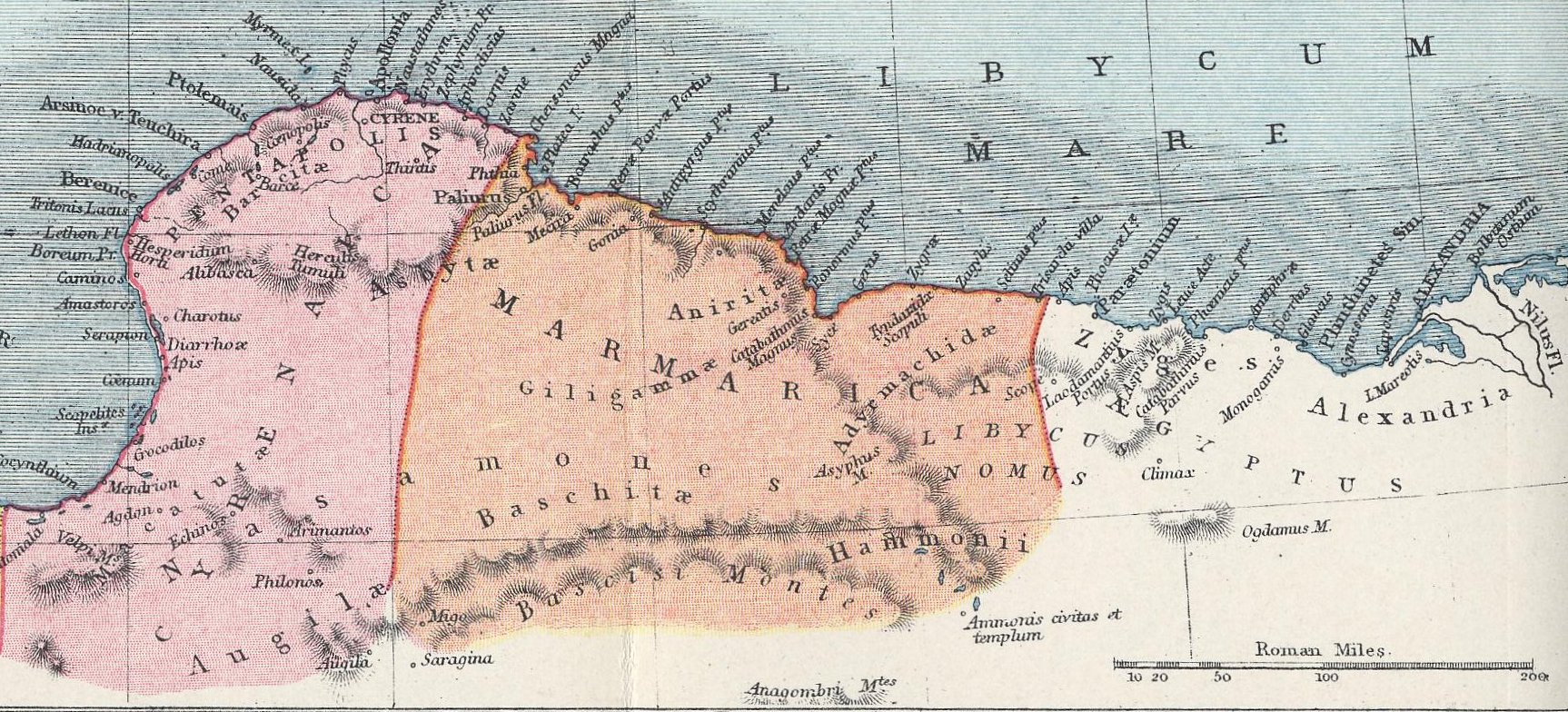
Ptolemais, Cyrenaica
Ancient city with well-preserved ruins.
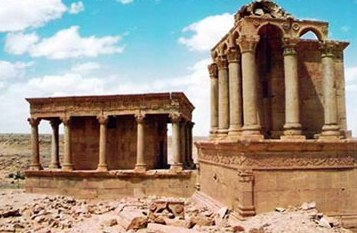
Gerisa
Ancient Roman city with agricultural structures
Apollonia (Cyrenaica)
Greek harbour city and Byzantine ruins, Cyrenaica, Libya
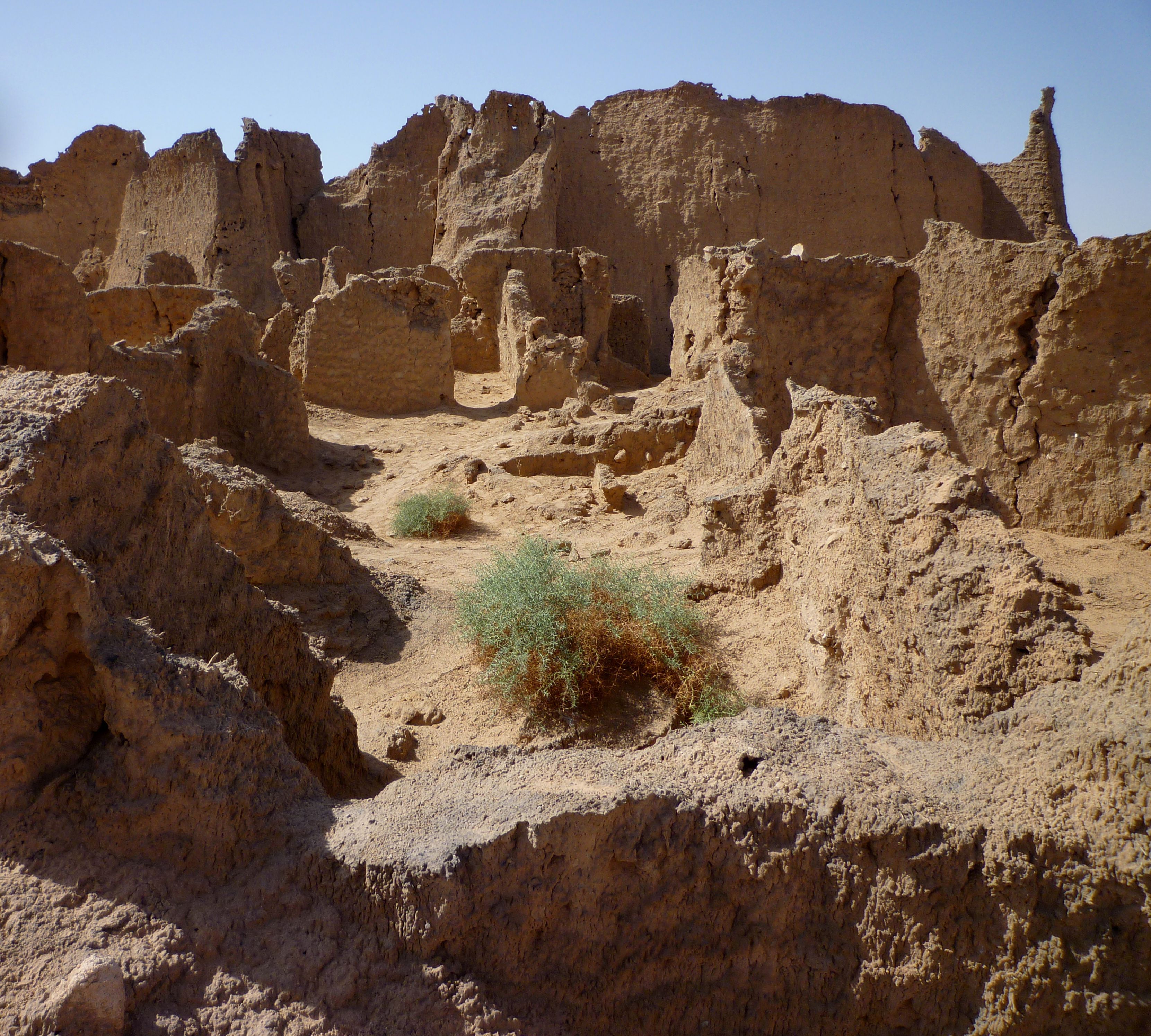
Germa
Ancient Garamantian capital in Sahara Desert
Leptis Magna
Roman port city in Tripolitania, Libya
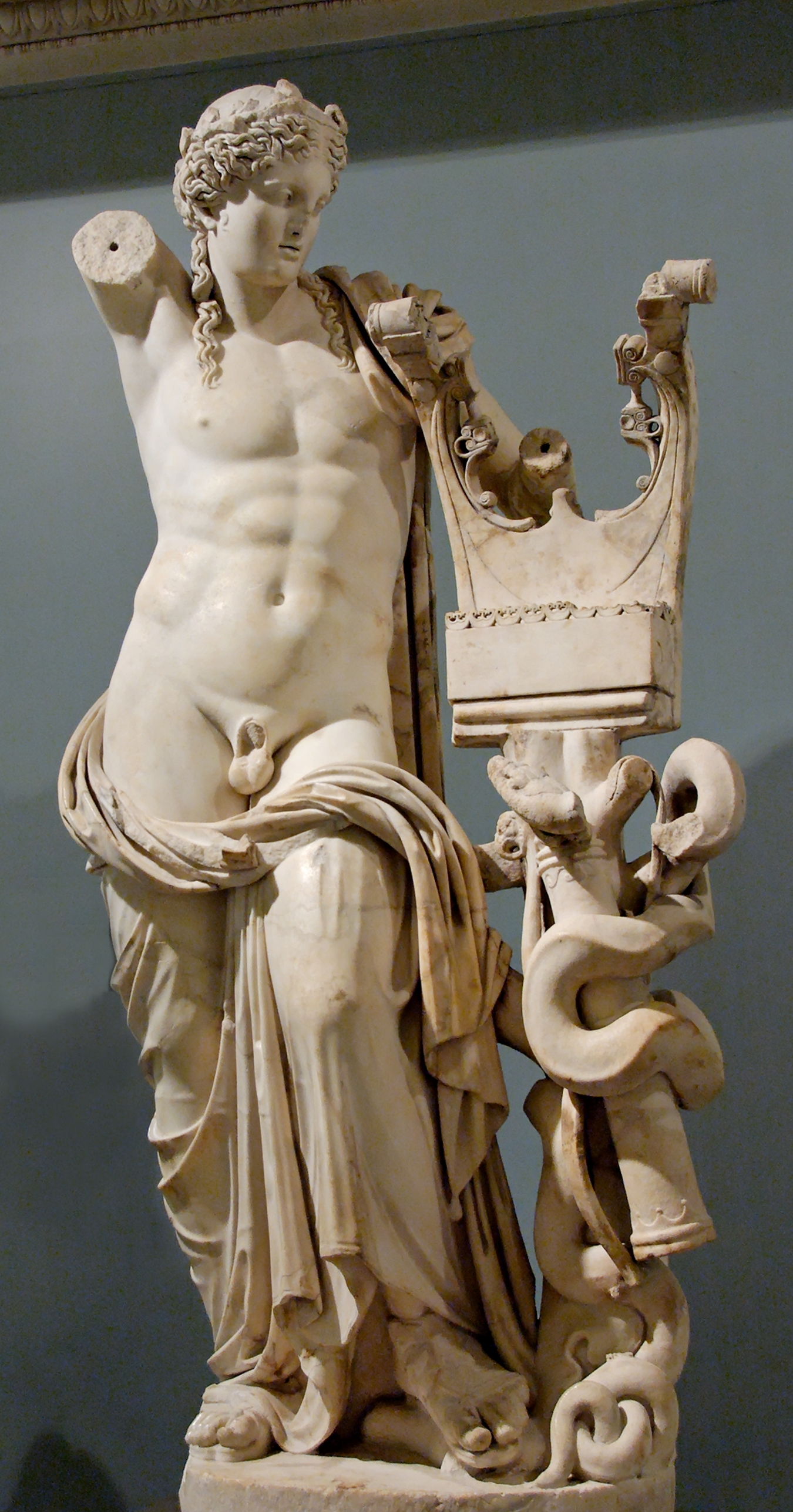
Cyrene, Libya
Ancient Greek and Roman city remains