
Extramural Sanctuary of Demeter and Persephone, Cyrene
Terraced sanctuary with temples and votive artifacts
Explore the Map
Extramural Sanctuary of Demeter and Persephone, Cyrene
32.8278° N, 21.8622° E
About
The Extramural Sanctuary of Demeter and Persephone at Cyrene, Libya, is a significant archaeological site located outside the ancient city of Cyrene. Established around the 6th century BCE, following Greek colonization from Thera, it spans over 850 years of religious activity. The sanctuary features terraced structures, including temples and a theater, spread across a steep ravine. It contains votive materials such as pottery, sculptures, and coins, which reflect both religious practices and the economic interactions of the time. The site underwent significant architectural developments through the Hellenistic and early Imperial periods before being damaged by an earthquake in the 3rd century CE. This sanctuary provides valuable insights into the religious and social life of ancient Cyrene.
Historical Timeline
Journey through time and discover key events in this site's history
Settlement by Greeks
630 BCE
Sanctuary Establishment
circa 600 BCE
Hellenistic Period Expansion
3rd century BCE
Early Imperial Adjustments
1st century CE
Earthquake Destruction
262 CE
Archaeological Features
Unique architectural and cultural elements found at this historical site
Miscellaneous Features
Public and Civic Structures
Religious and Ritual Structures
Artistic and Decorative Features
Agricultural and Land Use Features
Frequently Asked Questions
Plan Your Visit
Tours, travel arrangements, and practical information
More Sites in Libya
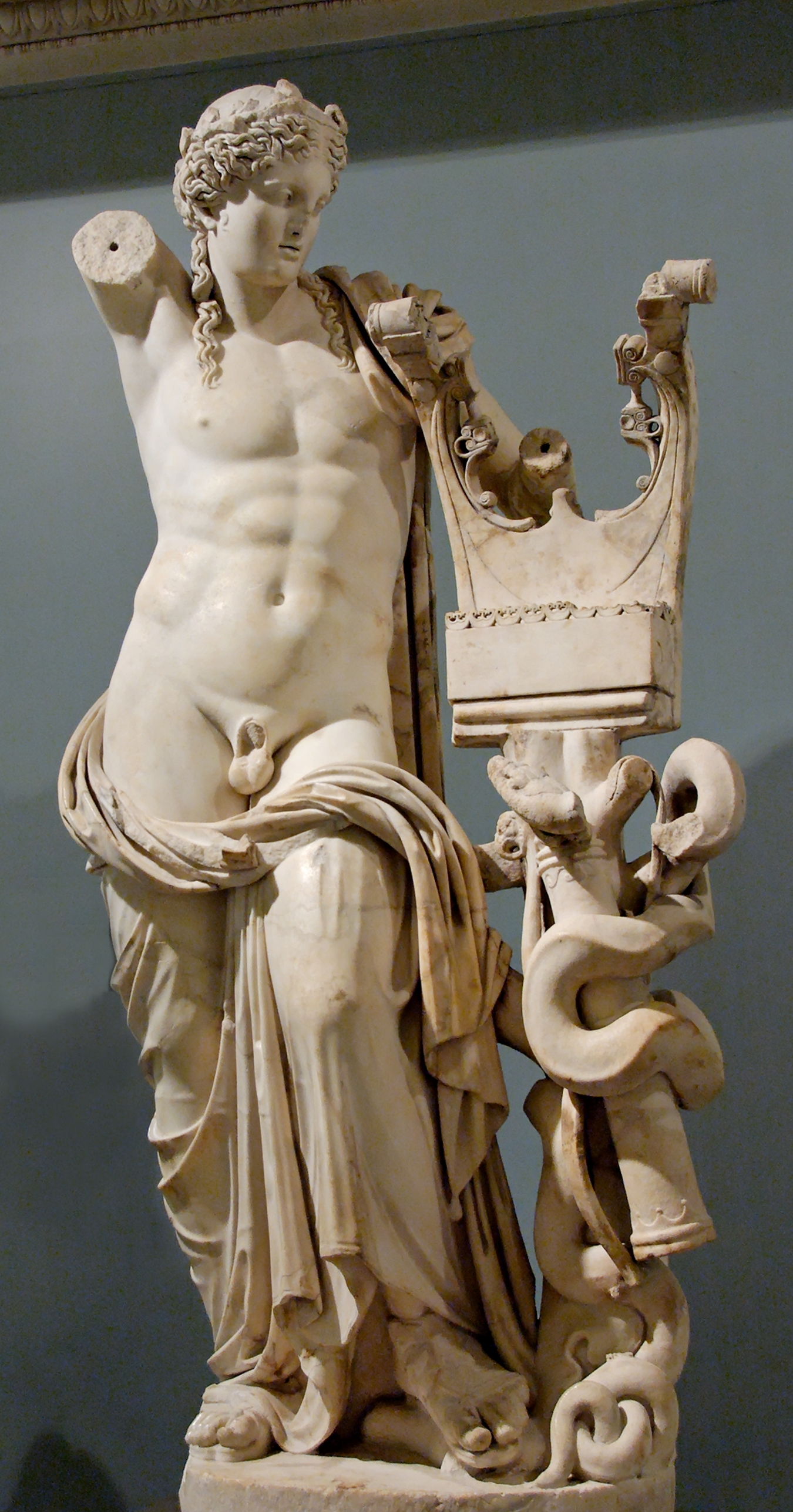
Cyrene, Libya
Ancient Greek and Roman city remains
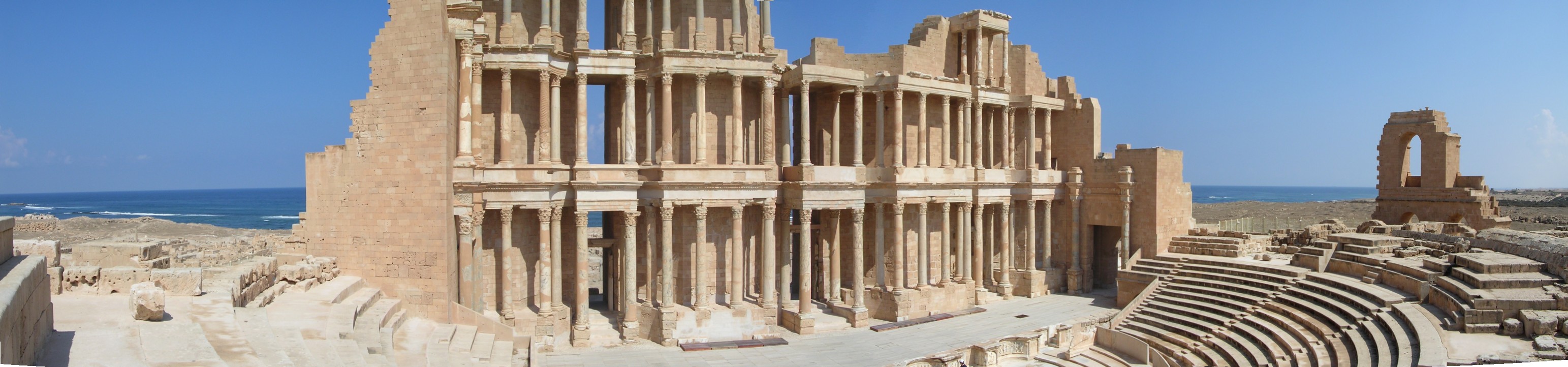
Sabratha
Ancient city with Roman and Byzantine ruins.
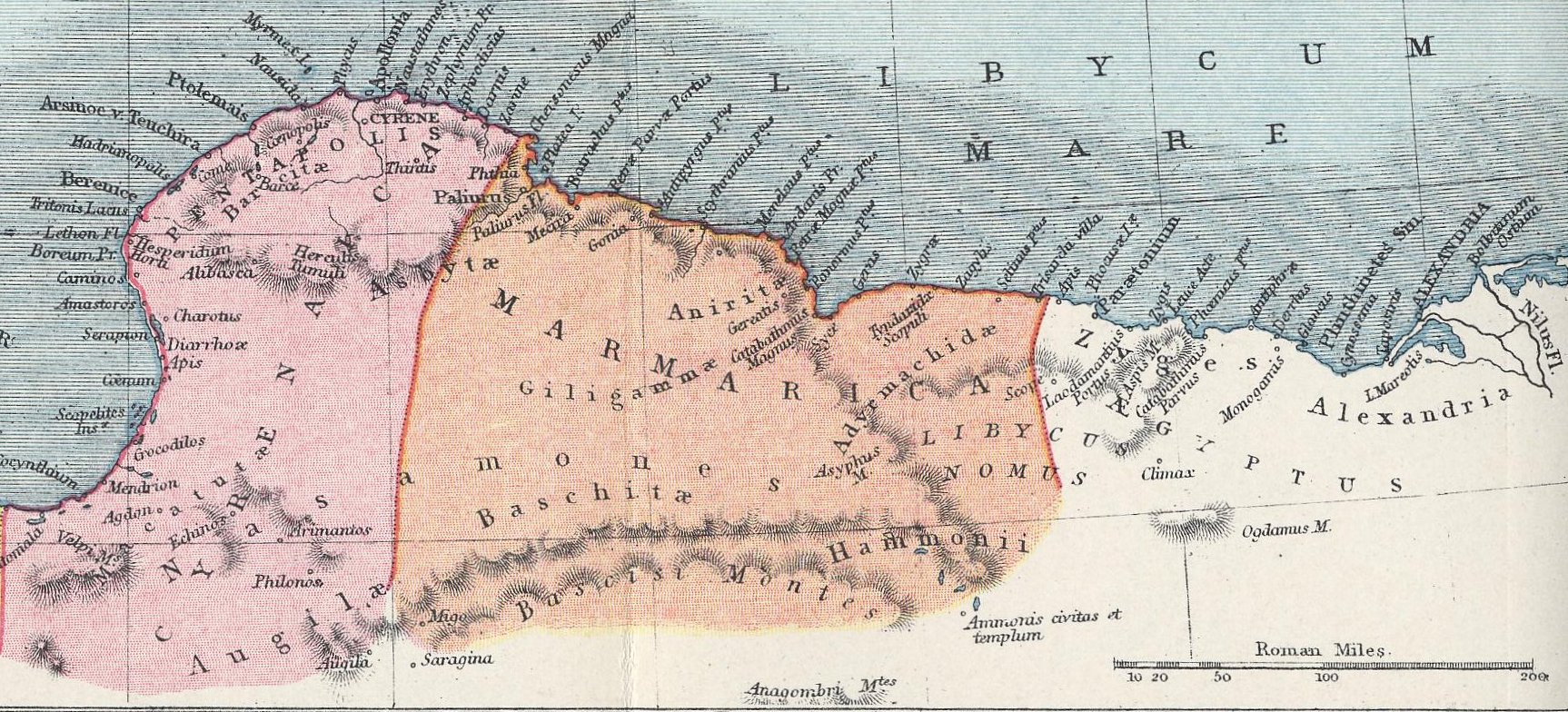
Ptolemais, Cyrenaica
Ancient city with well-preserved ruins.
Leptis Magna
Roman port city in Tripolitania, Libya
Apollonia (Cyrenaica)
Greek harbour city and Byzantine ruins, Cyrenaica, Libya
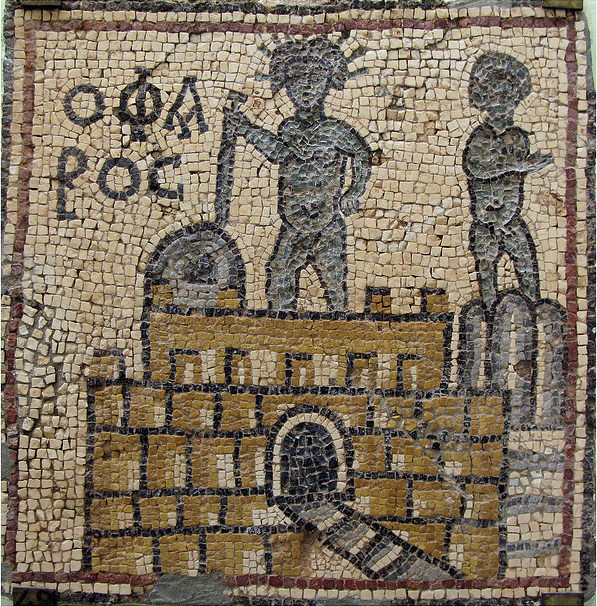
Olbia, Libya
Byzantine town with mosaic churches