
Explore the Map
Acacus Mountains
24.8333° N, 10.3333° E
About
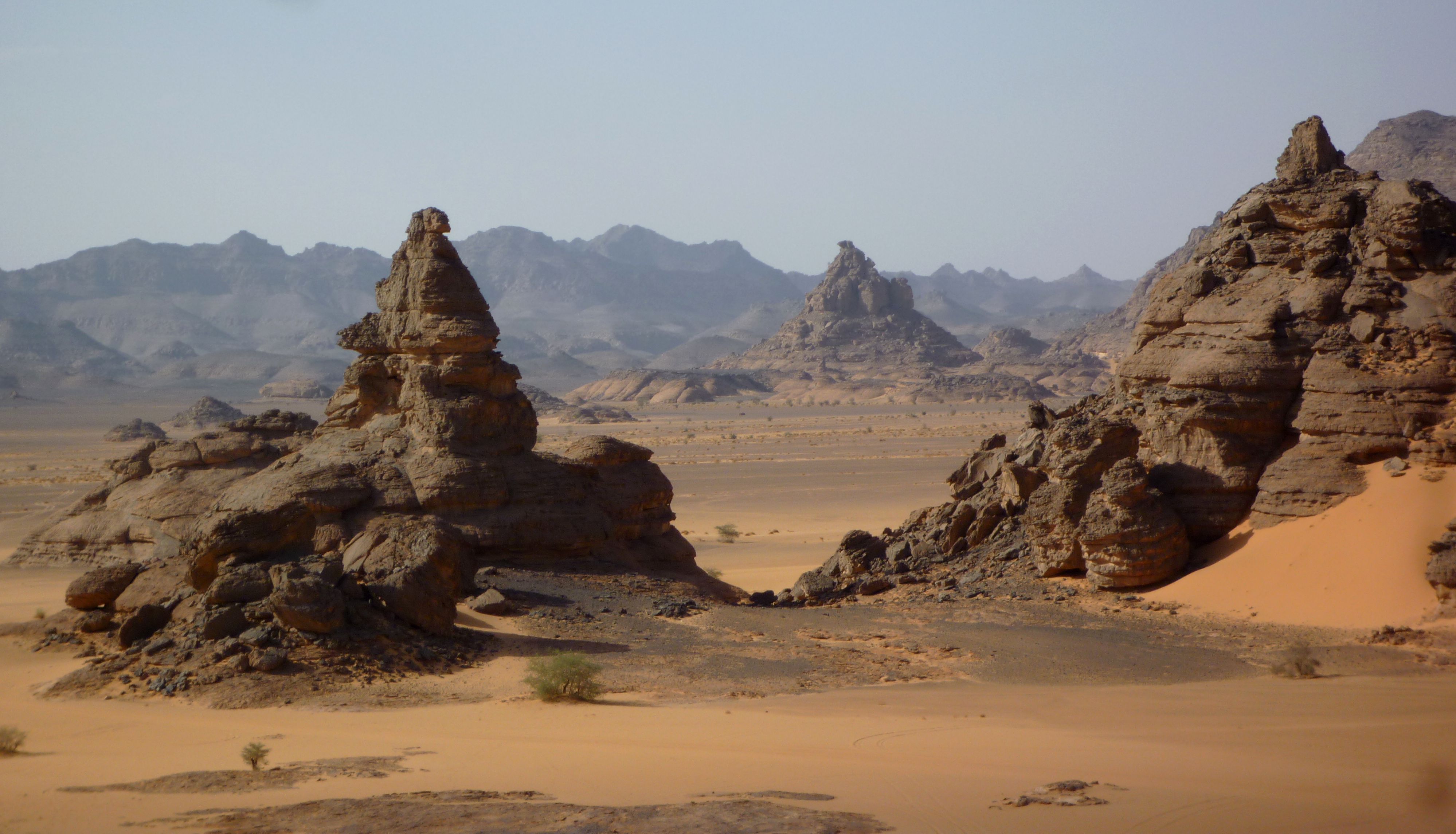
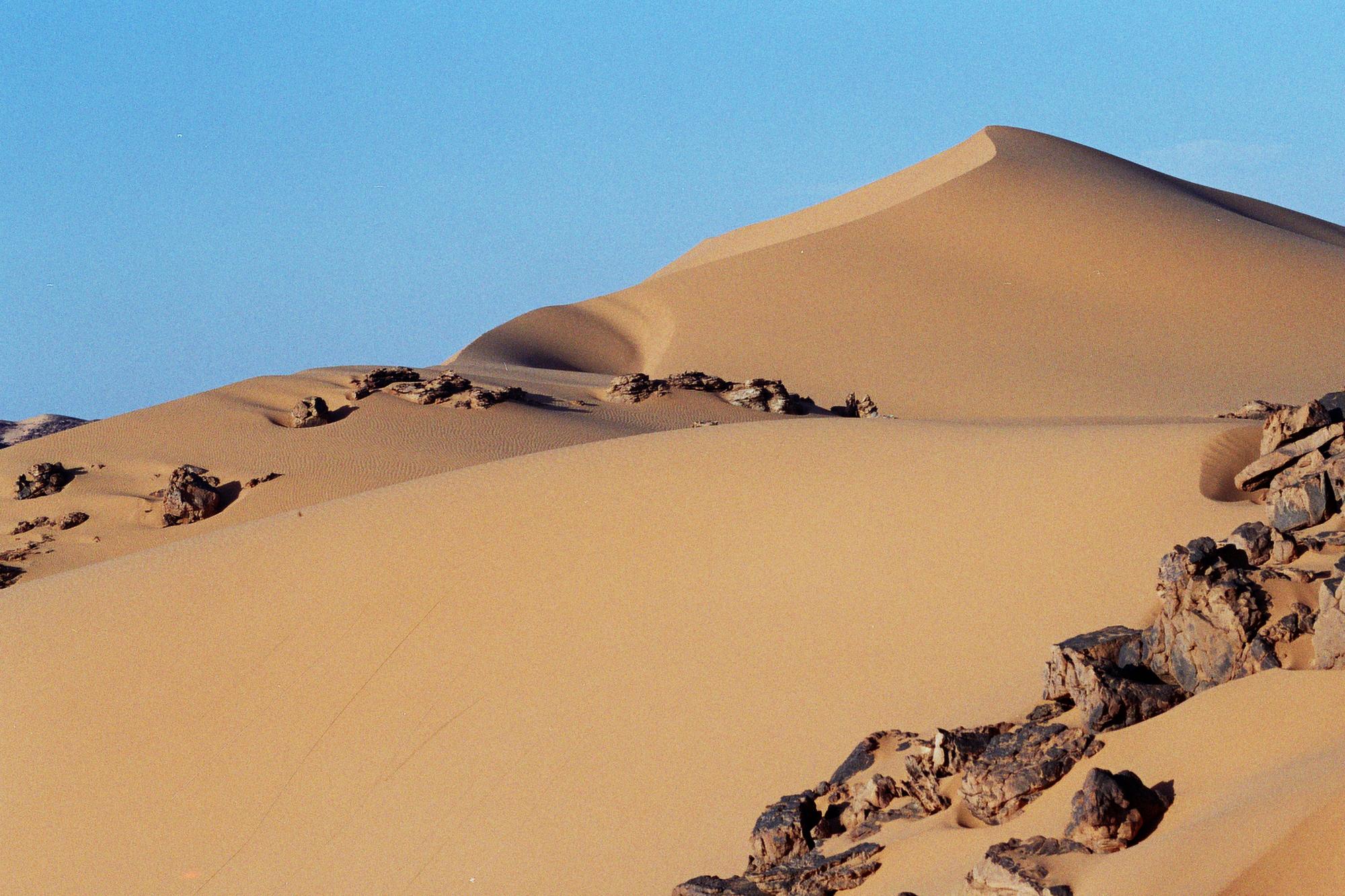
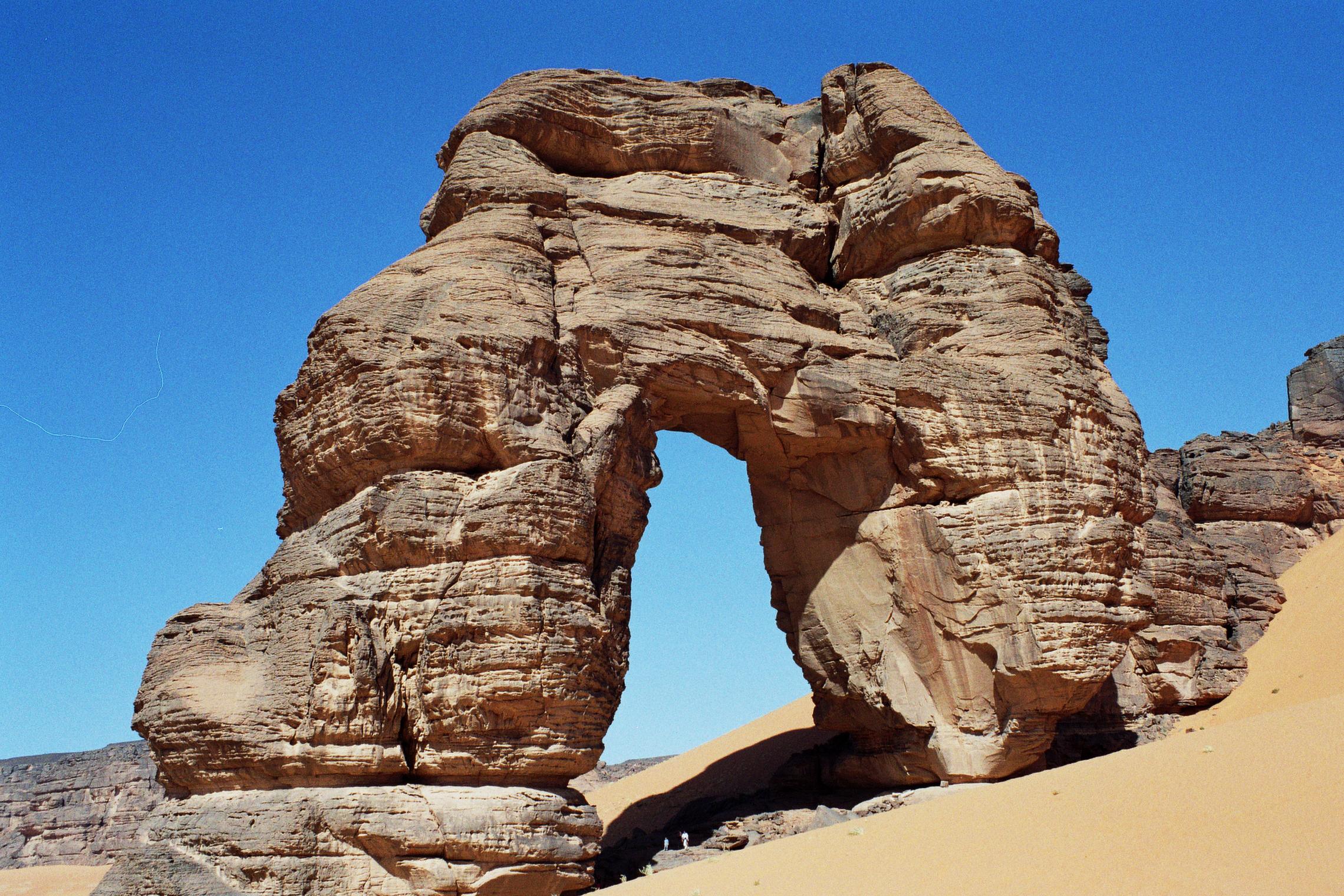
The Acacus Mountains, located in the Sahara desert of western Libya, are renowned for their rich prehistoric rock art, which dates from 12,000 BCE to 100 CE. This mountain range provides vital insights into the lives of early hunter-gatherer societies during the Holocene. The area was continuously inhabited, adapting to climate fluctuations during the African Humid Period. The archaeological record indicates three primary occupation phases: the Early Acacus, characterized by small mobile groups around lakes; the Late Acacus, marked by increased sedentism and food processing during a dry period; and the Pastoral Neolithic, featuring animal domestication and increased mobility. The site also holds significance for being the earliest known location of processed milk lipids on ceramics, evidencing early dairy practices. Despite its archaeological value, the site faces threats from modern developments and vandalism.
Gallery
Explore photographs of ancient structures, artifacts, and archaeological excavations
Historical Timeline
Journey through time and discover key events in this site's history
Rock Art Creation Begins
12000 BCE
Early Acacus Occupation
9810 BCE
Late Acacus Occupation
8870 BCE
Pastoral Neolithic Occupation
7400 BCE
End of Rock Art Creation
100 CE
Processed Milk Lipids
7500 BP
Archaeological Features
Unique architectural and cultural elements found at this historical site
Artistic and Decorative Features
Plan Your Visit
Tours, travel arrangements, and practical information
More Sites in Libya
Gerisa
Ancient Roman city with agricultural structures
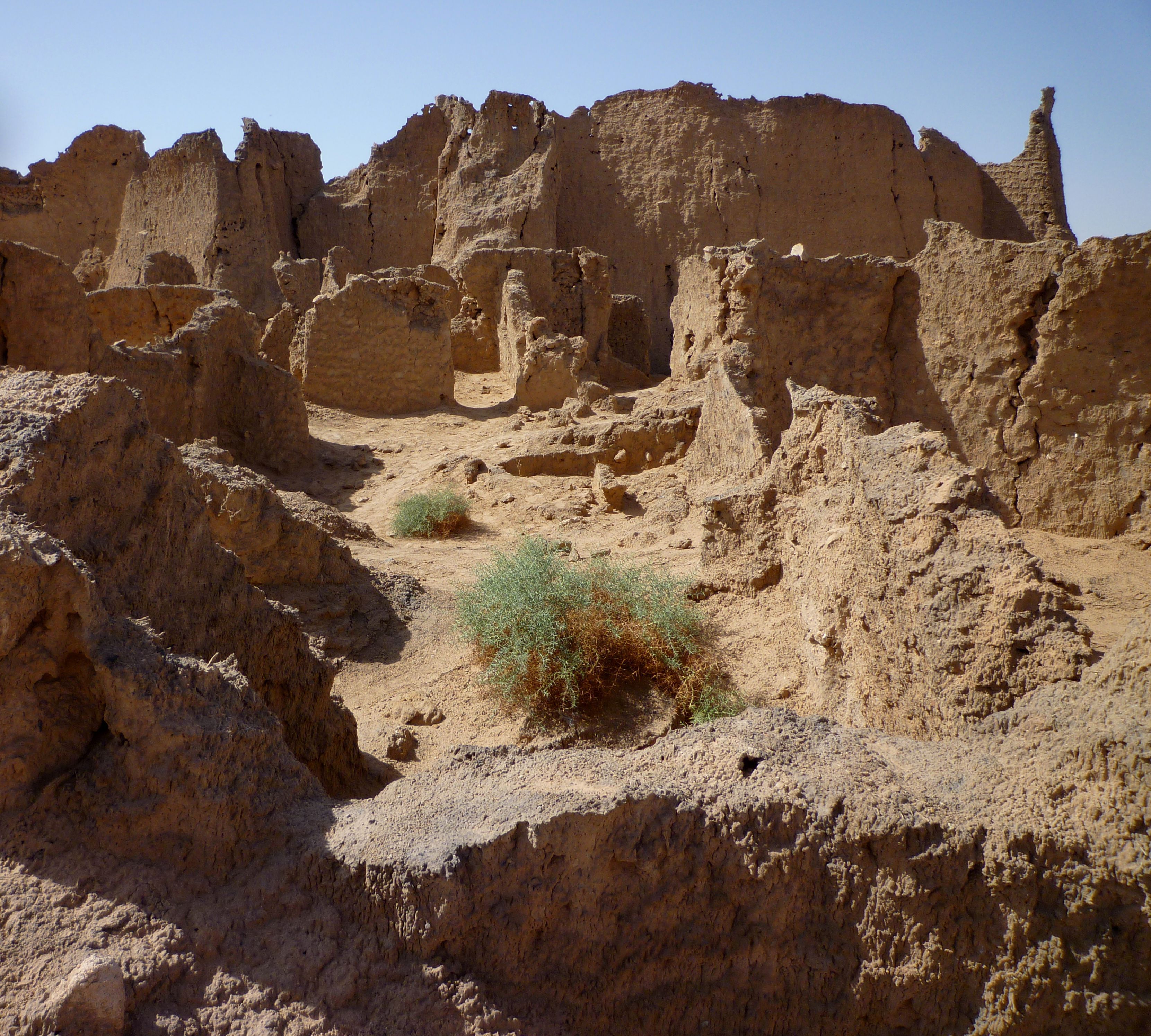
Germa
Ancient Garamantian capital in Sahara Desert
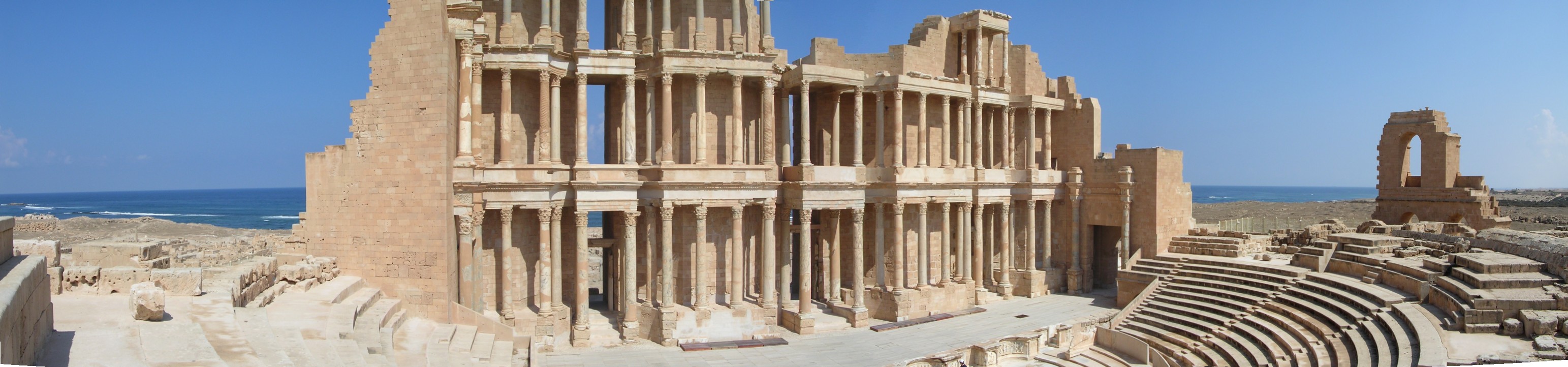
Sabratha
Ancient city with Roman and Byzantine ruins.
Extramural Sanctuary of Demeter and Persephone, Cyrene
Terraced sanctuary with temples and votive artifacts
Cinyps (Libya)
Spartan-founded Greek colony, 6th century BCE
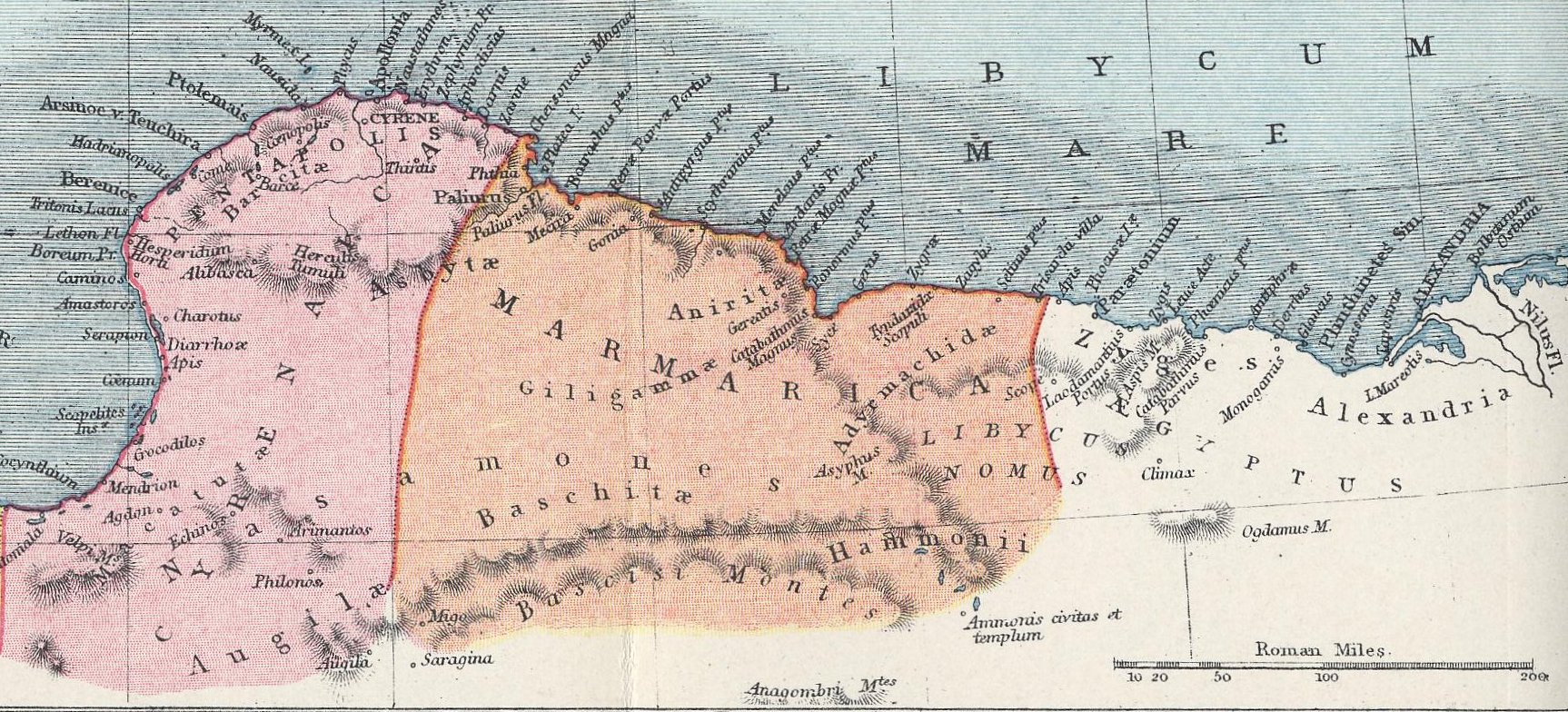
Ptolemais, Cyrenaica
Ancient city with well-preserved ruins.