Time Periods
Paleolithic
Mesolithic
Neolithic
Chalcolithic
Bronze Age
Iron Age
Classical Period
Post-Classical Period
Early Modern Period
Industrial Period
Contemporary Period
Time Periods
Paleolithic
Mesolithic
Neolithic
Chalcolithic
Bronze Age
Iron Age
Classical Period
Post-Classical Period
Early Modern Period
Industrial Period
Contemporary Period
Location
About
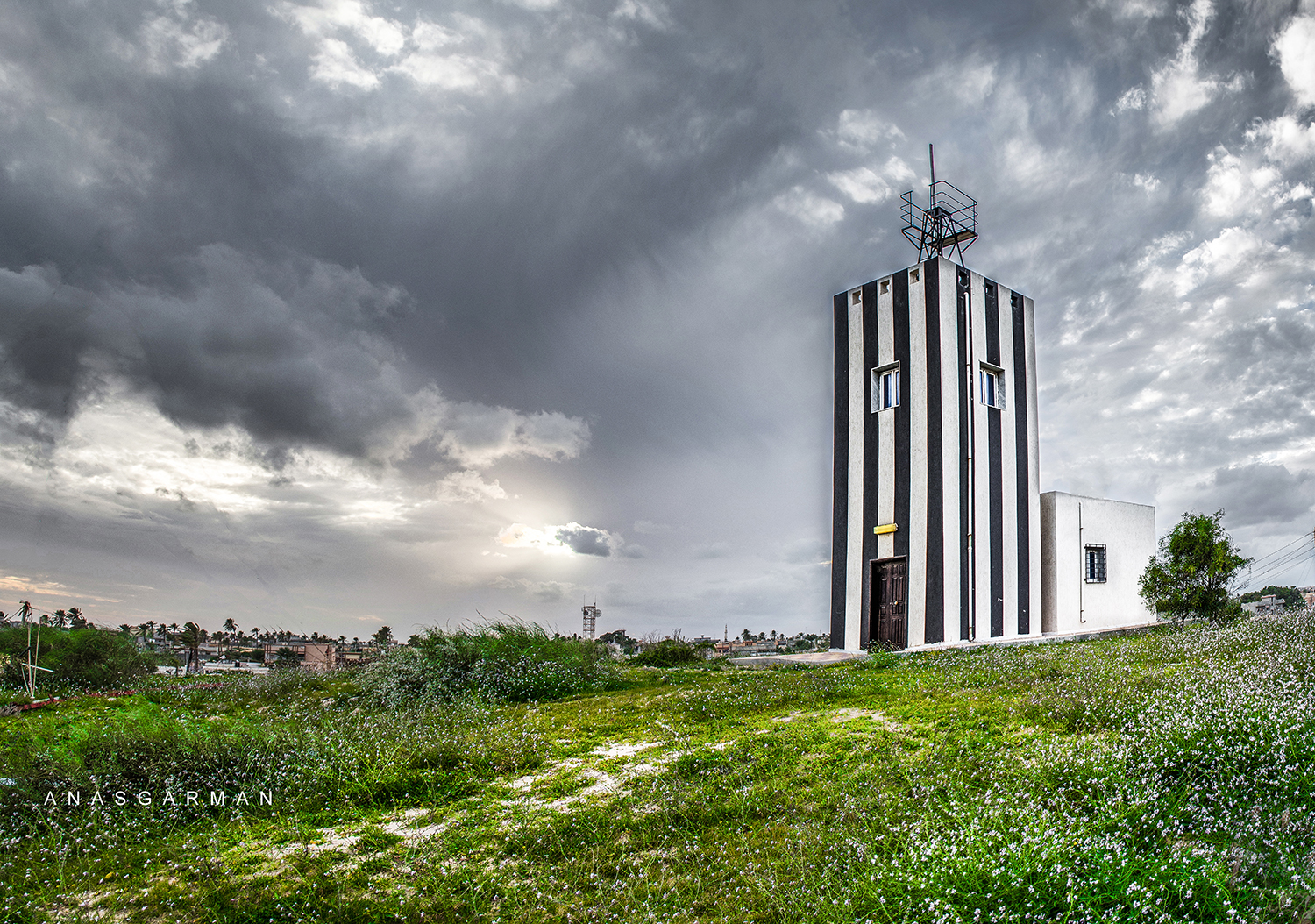
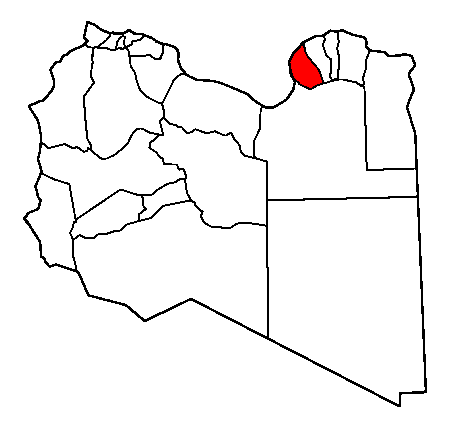
Qasr Ahmad, located in northwestern Libya, is an archaeological site that holds significant historical importance due to its Phoenician and Roman origins. The site was once the Roman station port of Cephalae Promontorium, featuring defensive walls and a harbor that played a crucial role in maritime activities in the region. Archaeological discoveries in the area include Roman coins, pottery, and structures that are believed to be public baths, indicating the presence of a thriving settlement during the Late Classical Period. Additionally, the site served as an important hub for trade and commerce, with workshops and warehouses contributing to its economic significance. Qasr Ahmad's rich history is further enriched by its later Arab influences, making it a site of cultural and historical convergence.
Gallery
Explore photographs of ancient structures, artifacts, and archaeological excavations at Qasr Ahmad
Archaeological Features
Explore the unique architectural and cultural elements found at this historical site
Storage Structures
Defensive Structures
Water Management Features
Public and Civic Structures
Industrial and Craft Structures
Historical Timeline
Journey through time and discover key events in this site's archaeological history
Plan Your Visit
Details
- Country
- Libya
- Source
- Wikipedia
More Sites in Libya
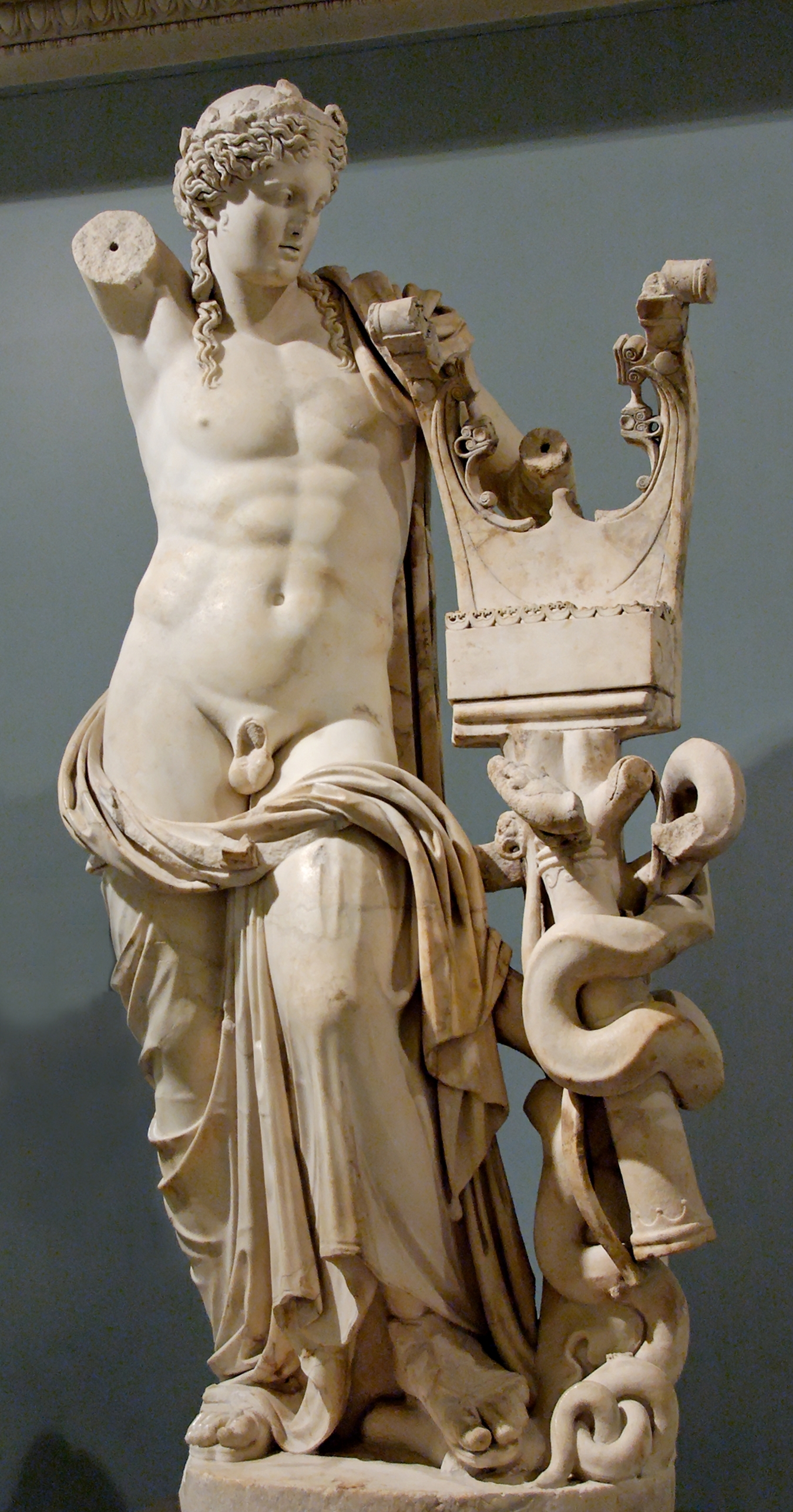
Cyrene, Libya
Ancient Greek and Roman city remains
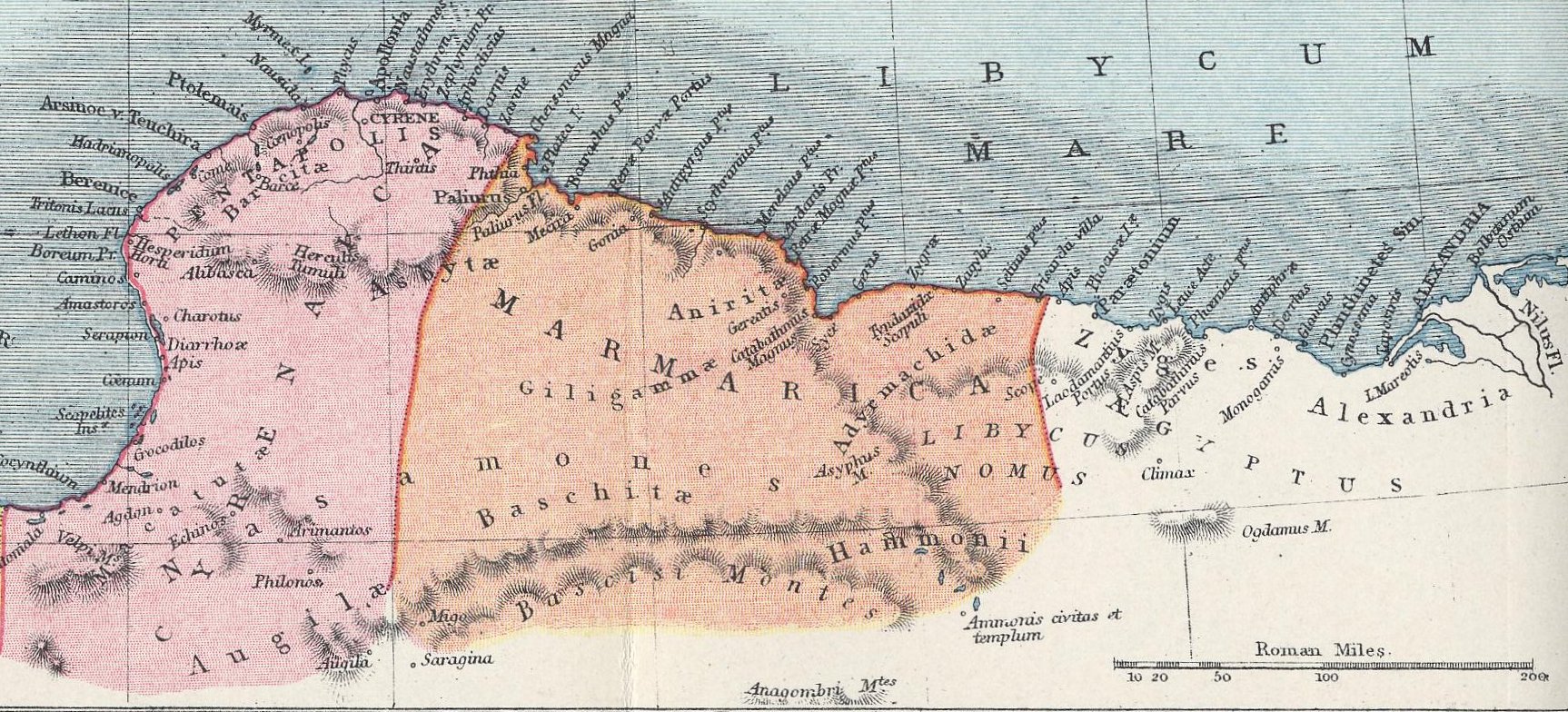
Ptolemais, Cyrenaica
Ancient city with well-preserved ruins.
Mausoleum of Gasr Doga
Imposing first-century Libyco-Punic mausoleum
Gerisa
Ancient Roman city with agricultural structures
Deriana
Ancient Roman city site near Deriana
Extramural Sanctuary of Demeter and Persephone, Cyrene
Terraced sanctuary with temples and votive artifacts