Explore the Map
Wadi Mathendous
25.7634° N, 12.1704° E
About
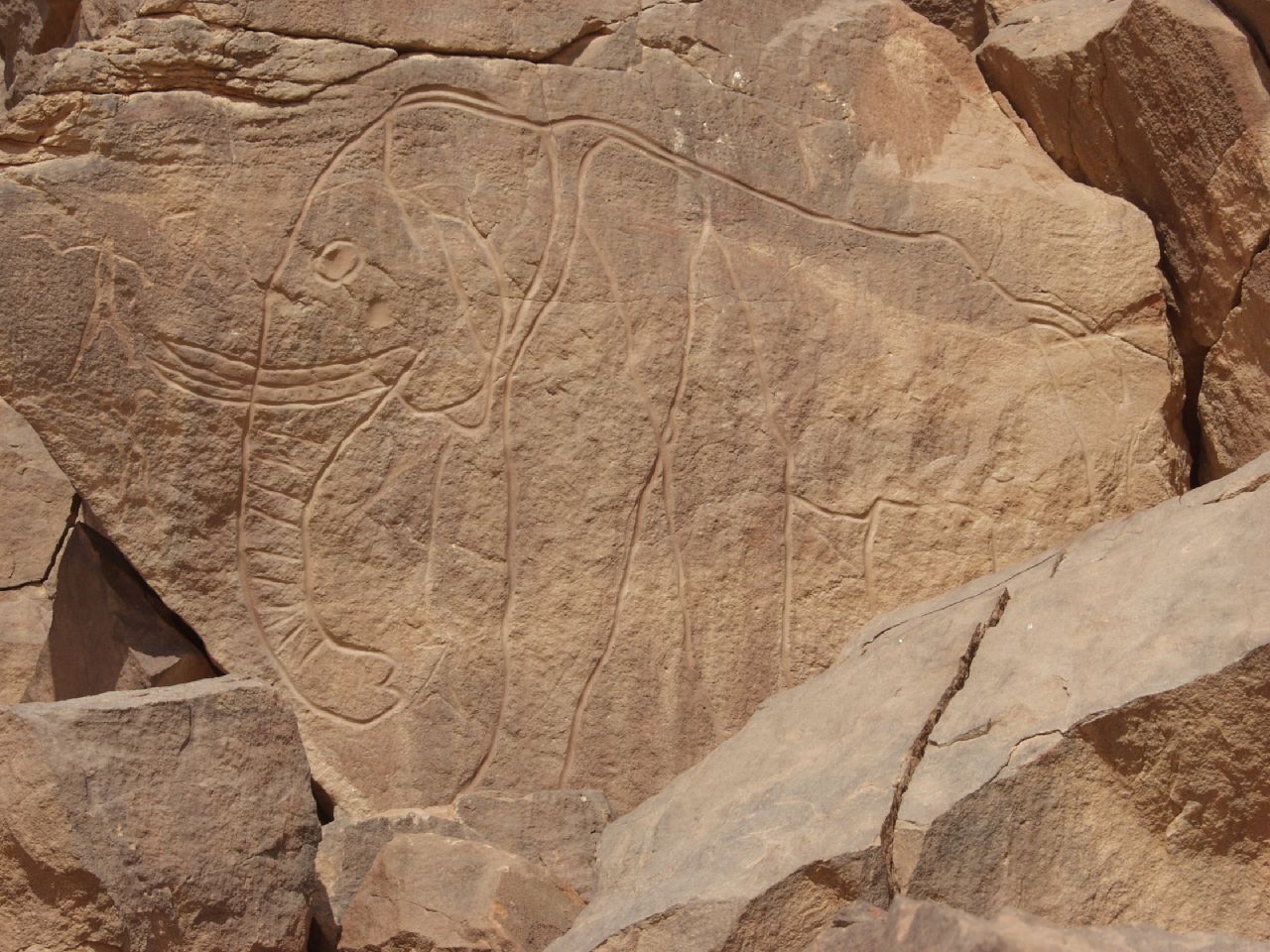
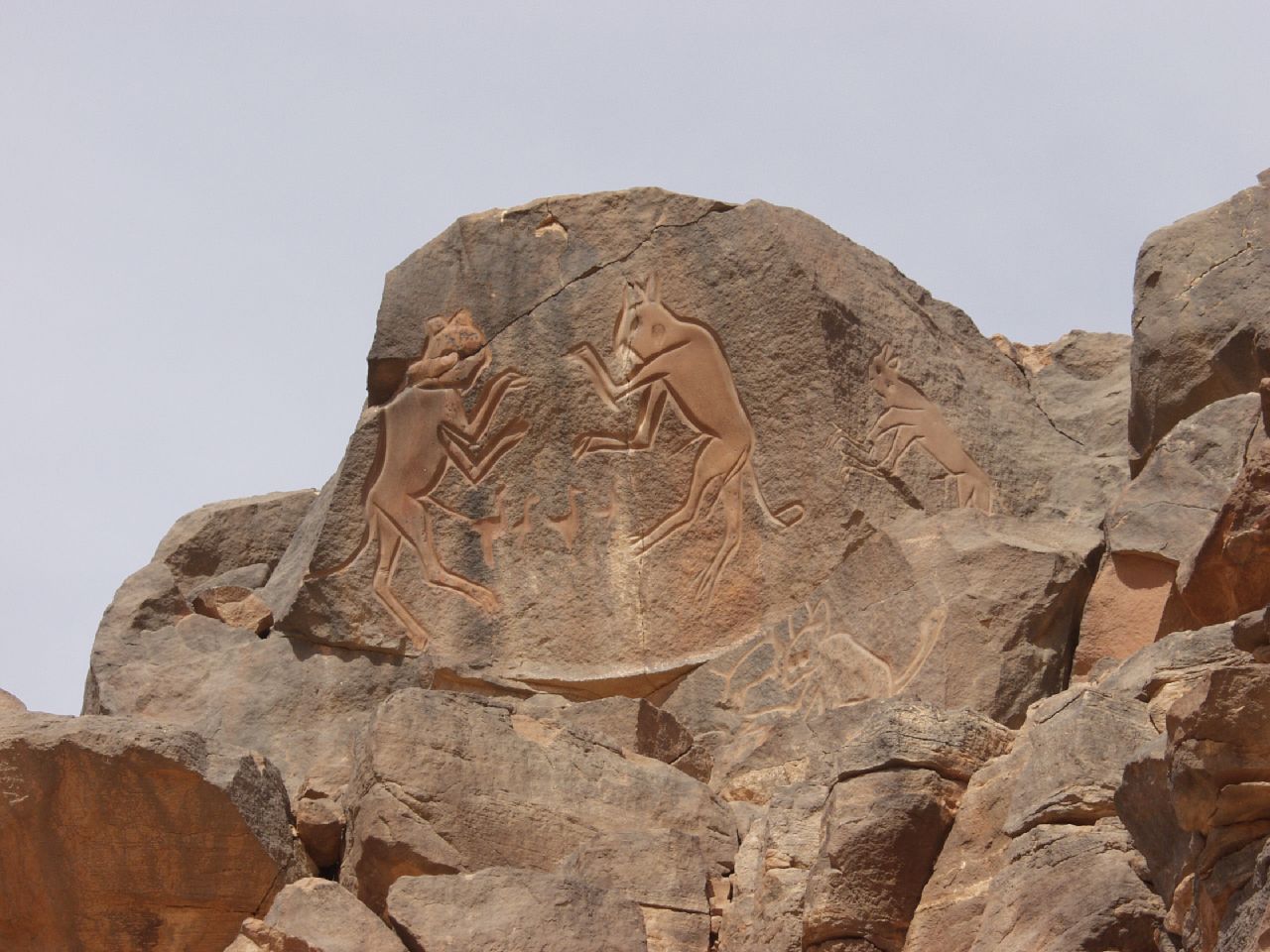
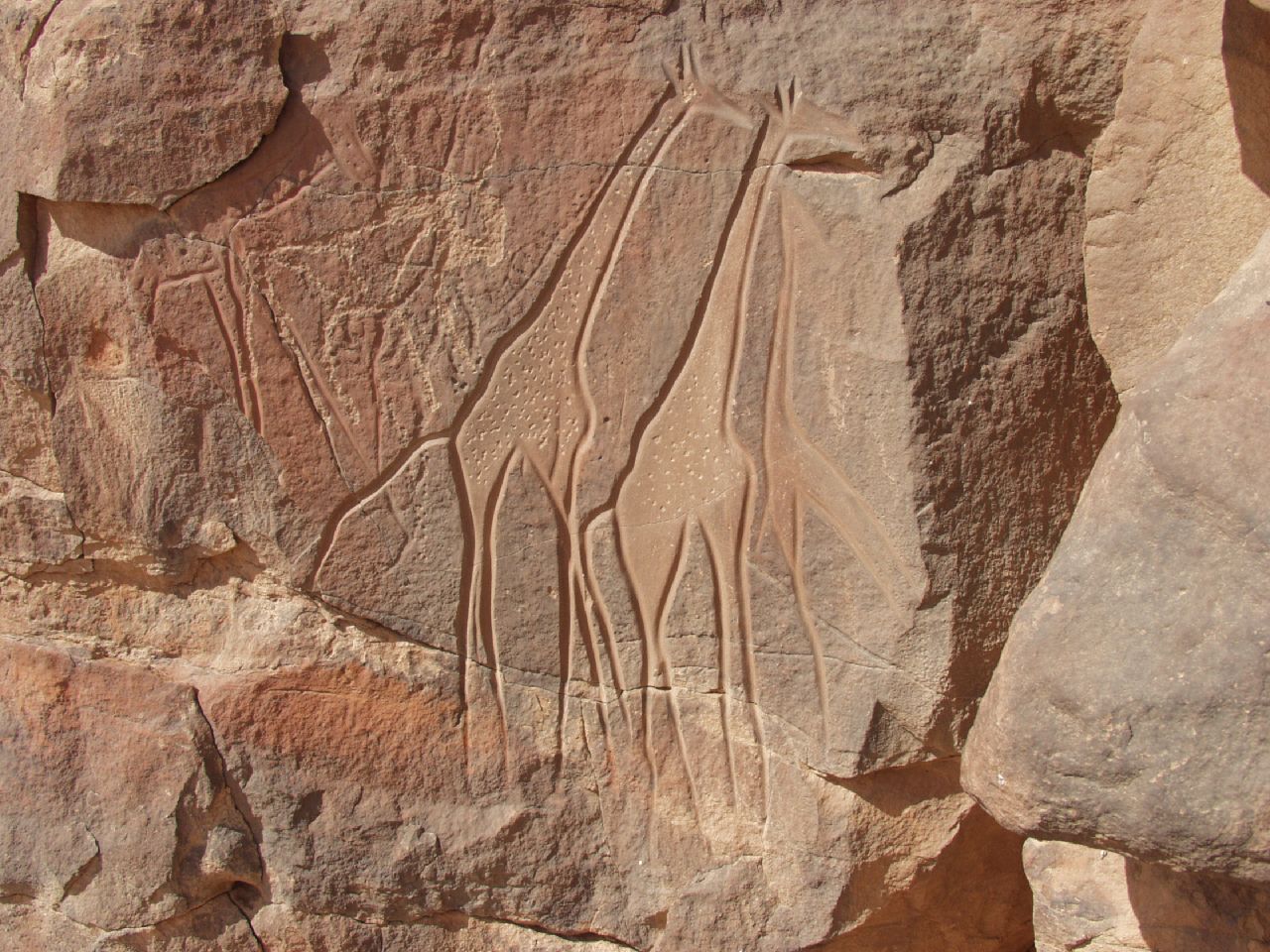
Wadi Mathendous is an archaeological site located in the Mesak Settafet escarpment in southwestern Libya's Fezzan region. Dating back to the Neolithic period, approximately 8,000 years ago, this site is renowned for its extensive collection of petroglyphs and rock art. The engravings depict a variety of animals, including elephants, giraffes, aurochs, wildcats, and crocodiles, reflecting a time when the Sahara was a much more lush and habitable environment. The site offers valuable insights into the prehistoric way of life and the fauna of the region during the Neolithic era. The site has gained recognition for its artistic significance and has even been commemorated on Libyan postage stamps, underlining its cultural importance.
Gallery
Explore photographs of ancient structures, artifacts, and archaeological excavations
Historical Timeline
Journey through time and discover key events in this site's history
Neolithic rock art creation
circa 6000 BCE
Archaeological Features
Unique architectural and cultural elements found at this historical site
Artistic and Decorative Features
Frequently Asked Questions
Plan Your Visit
Tours, travel arrangements, and practical information
More Sites in Libya
Uan Muhuggiag
Rock shelter with ancient occupation layers
Sabratha
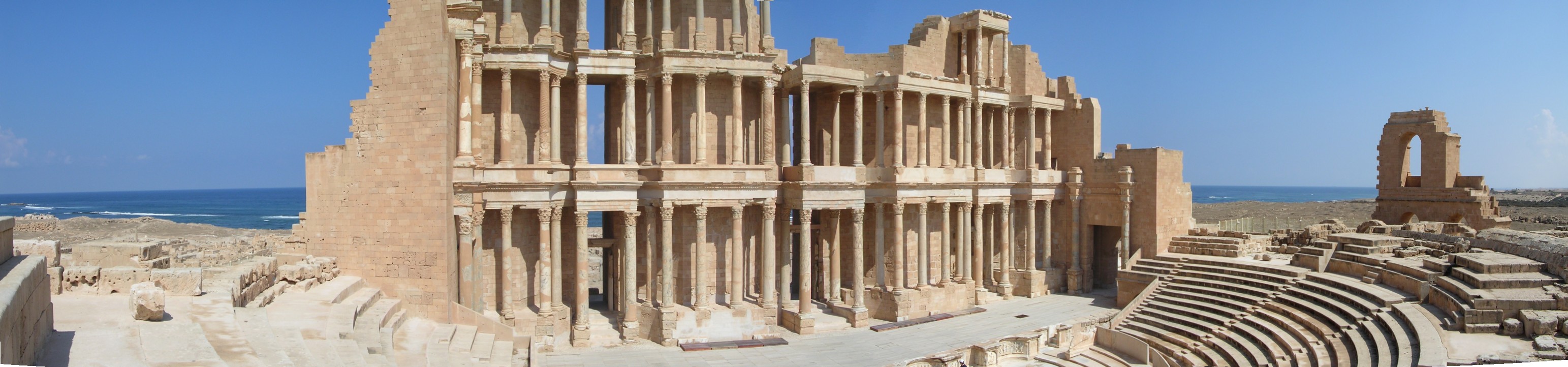
Ancient city with Roman and Byzantine ruins.
Leptis Magna
Roman port city in Tripolitania, Libya
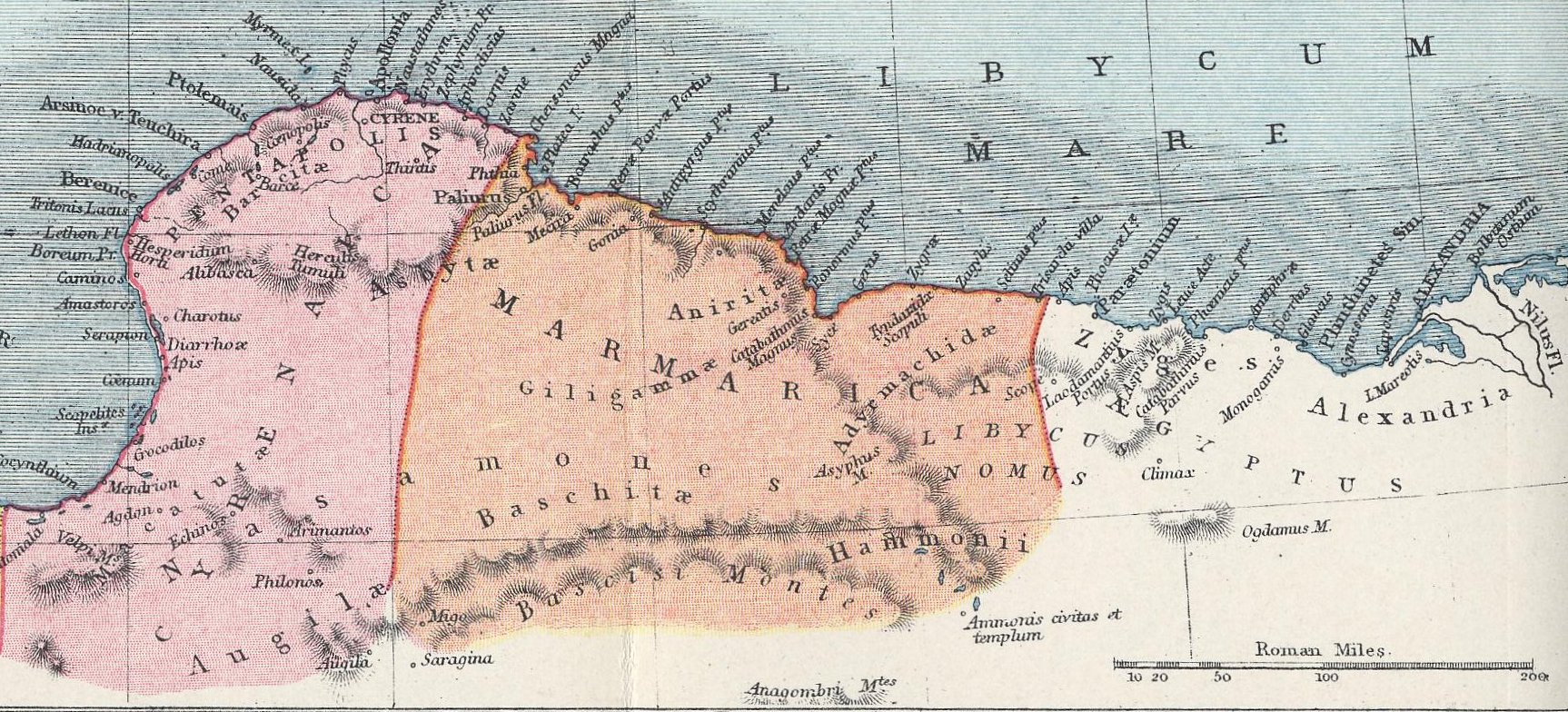
Ptolemais, Cyrenaica
Ancient city with well-preserved ruins.
Extramural Sanctuary of Demeter and Persephone, Cyrene
Terraced sanctuary with temples and votive artifacts
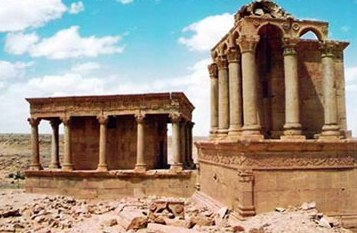
Gerisa
Ancient Roman city with agricultural structures