Explore the Map
Mesak Settafet
25.7500° N, 11.8333° E
About
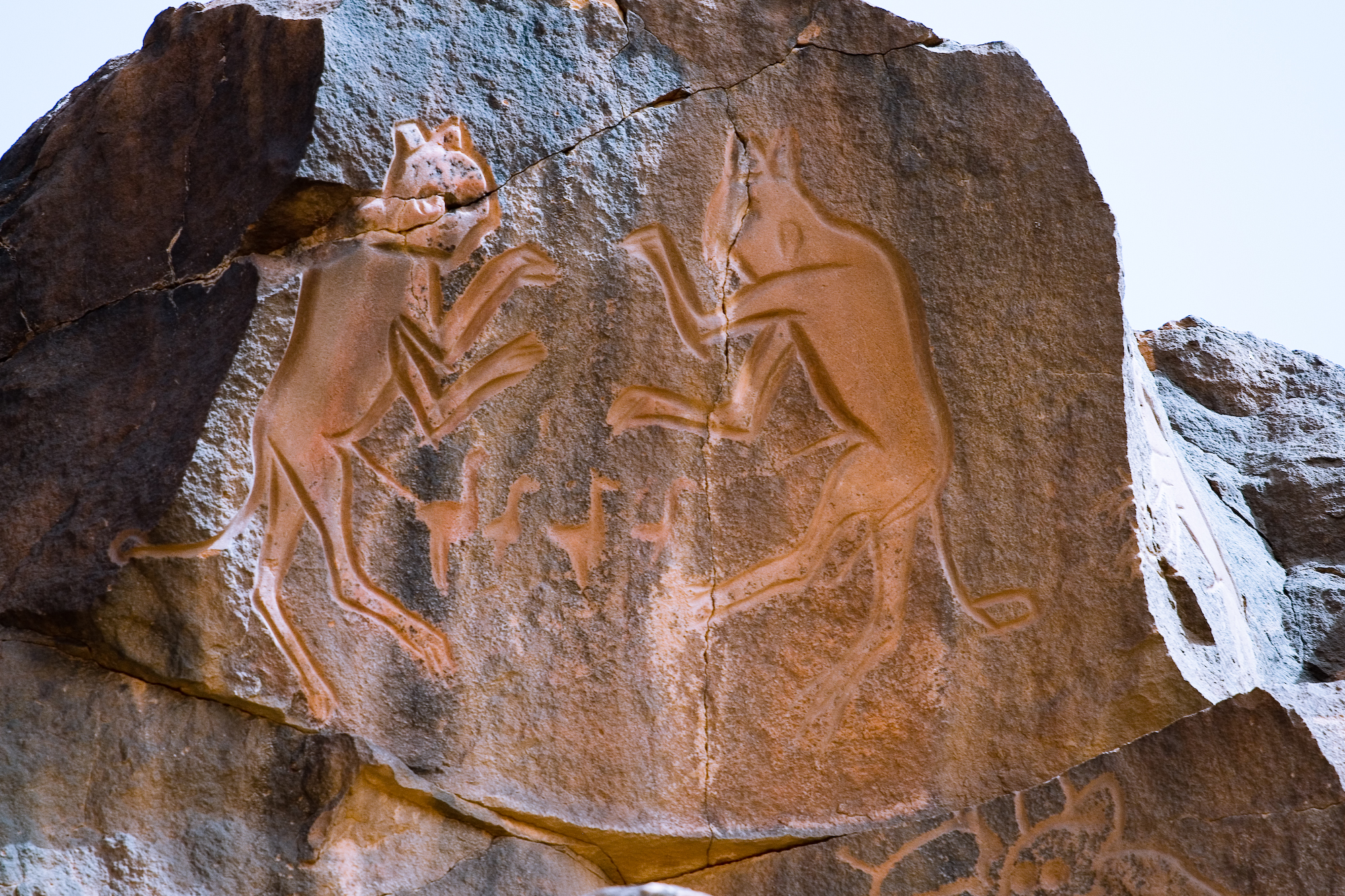
Mesak Settafet, located in southwest Libya, is a prominent archaeological site known for its extensive prehistoric rock art and stone tools. The site, a significant sandstone escarpment, reaches elevations of up to 300 meters and is particularly noted for the Wadi Mathendous area. The rock surfaces are adorned with petroglyphs, etched and ground into the stone, displaying a microns-thick patina of iron and manganese oxides, indicative of a wetter climate around 5000 years ago. This site provides invaluable insight into prehistoric human activity, notably from the Upper Paleolithic and Neolithic periods. The area is also rich in stone tools, with a density reaching up to 75 tools per square meter, highlighting its role as an early anthropogenic environment. Mesak Settafet offers a unique window into the life and climate of early human societies in North Africa.
Gallery
Explore photographs of ancient structures, artifacts, and archaeological excavations
Historical Timeline
Journey through time and discover key events in this site's history
Rock art creation
3000 BCE
Stone tool usage
2000 BCE
Archaeological Features
Unique architectural and cultural elements found at this historical site
Artistic and Decorative Features
Environmental and Natural Features
Frequently Asked Questions
Plan Your Visit
Tours, travel arrangements, and practical information
More Sites in Libya
Uan Muhuggiag
Rock shelter with ancient occupation layers
Extramural Sanctuary of Demeter and Persephone, Cyrene
Terraced sanctuary with temples and votive artifacts
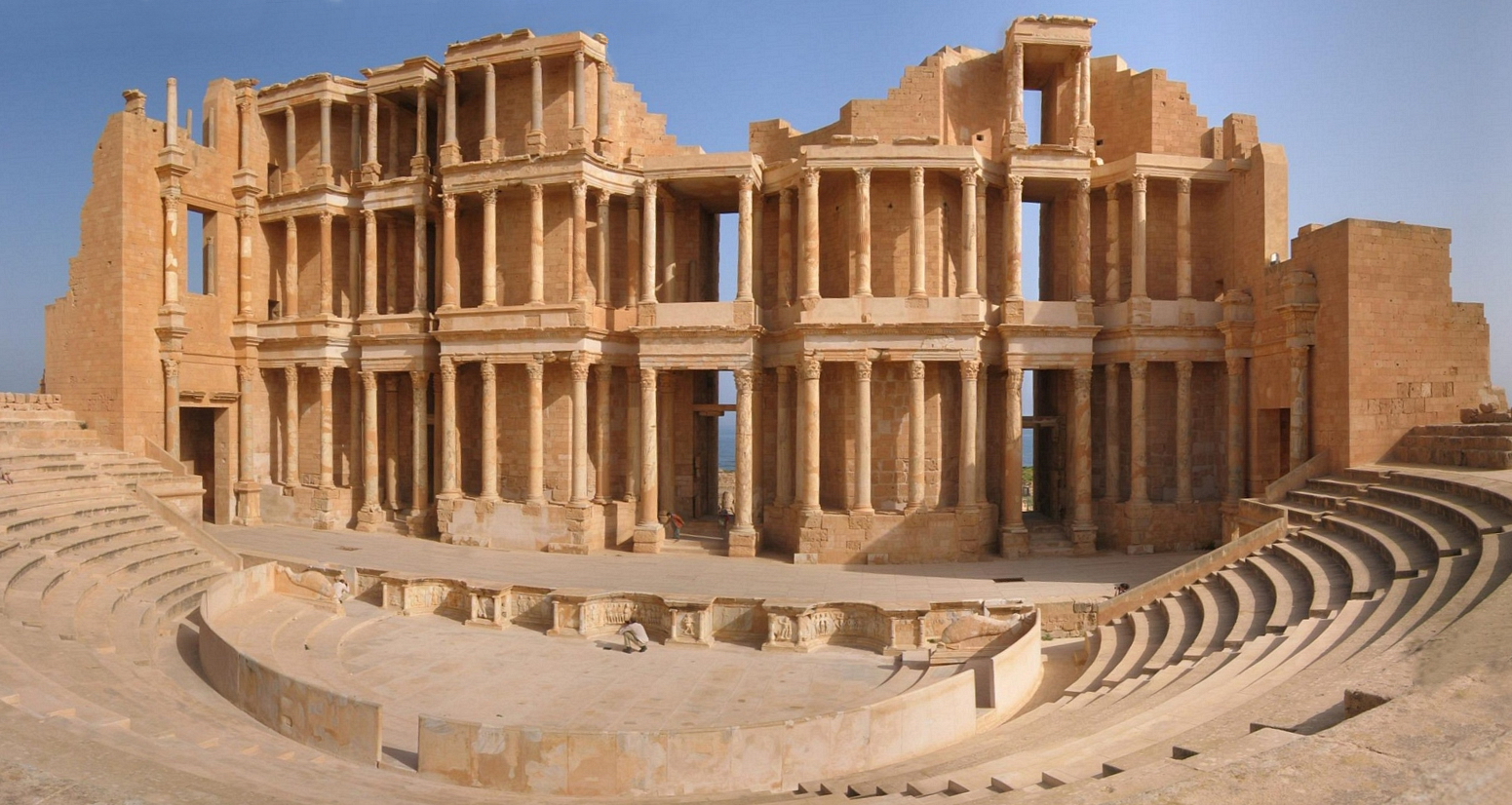
Archaeological Site of Sabratha
Excavated Roman and Numidian city in Libya
Ksar Nalut
Berber fortified ksar (communal granary), 11th century
Apollonia (Cyrenaica)
Greek harbour city and Byzantine ruins, Cyrenaica, Libya
Leptis Magna
Roman port city in Tripolitania, Libya