
Explore the Map
Uan Muhuggiag
24.9000° N, 10.3667° E
About
Uan Muhuggiag is a significant archaeological site located in southwestern Libya, within the Tadrart Acacus range. This rock shelter was occupied from at least the 8th millennium BCE to around 2700 BCE, during the Neolithic and Chalcolithic periods. The site is notable for its stratified occupation layers, revealing a transition from a wet savannah environment to the arid Sahara desert. Among the key discoveries at Uan Muhuggiag is the Tashwinat mummy, a well-preserved child mummy predating known Egyptian mummies by a millennium. The site also features elaborate rock art, particularly the Round Head paintings, and remains of domestic animals indicating early pastoralist activities. These findings provide valuable insights into the prehistoric cultures of the Sahara, their adaptation to climatic changes, and possible interactions with other regions.
Historical Timeline
Journey through time and discover key events in this site's history
Initial Occupation
7500 BCE
Middle Occupation
6000 BCE
Tashwinat Mummy Burial
5405 BCE
Rock Art Creation
4700 BCE
Decline and Abandonment
2700 BCE
Archaeological Features
Unique architectural and cultural elements found at this historical site
Animal Husbandry Features
Burial and Funerary Structures
Artistic and Decorative Features
Environmental and Natural Features
Food Production and Processing Features
Frequently Asked Questions
Plan Your Visit
Tours, travel arrangements, and practical information
More Sites in Libya
Mausoleum of Gasr Doga
Imposing first-century Libyco-Punic mausoleum
Extramural Sanctuary of Demeter and Persephone, Cyrene
Terraced sanctuary with temples and votive artifacts
Cinyps (Libya)
Spartan-founded Greek colony, 6th century BCE
Ksar Nalut
Berber fortified ksar (communal granary), 11th century
Apollonia (Cyrenaica)
Greek harbour city and Byzantine ruins, Cyrenaica, Libya
Germa
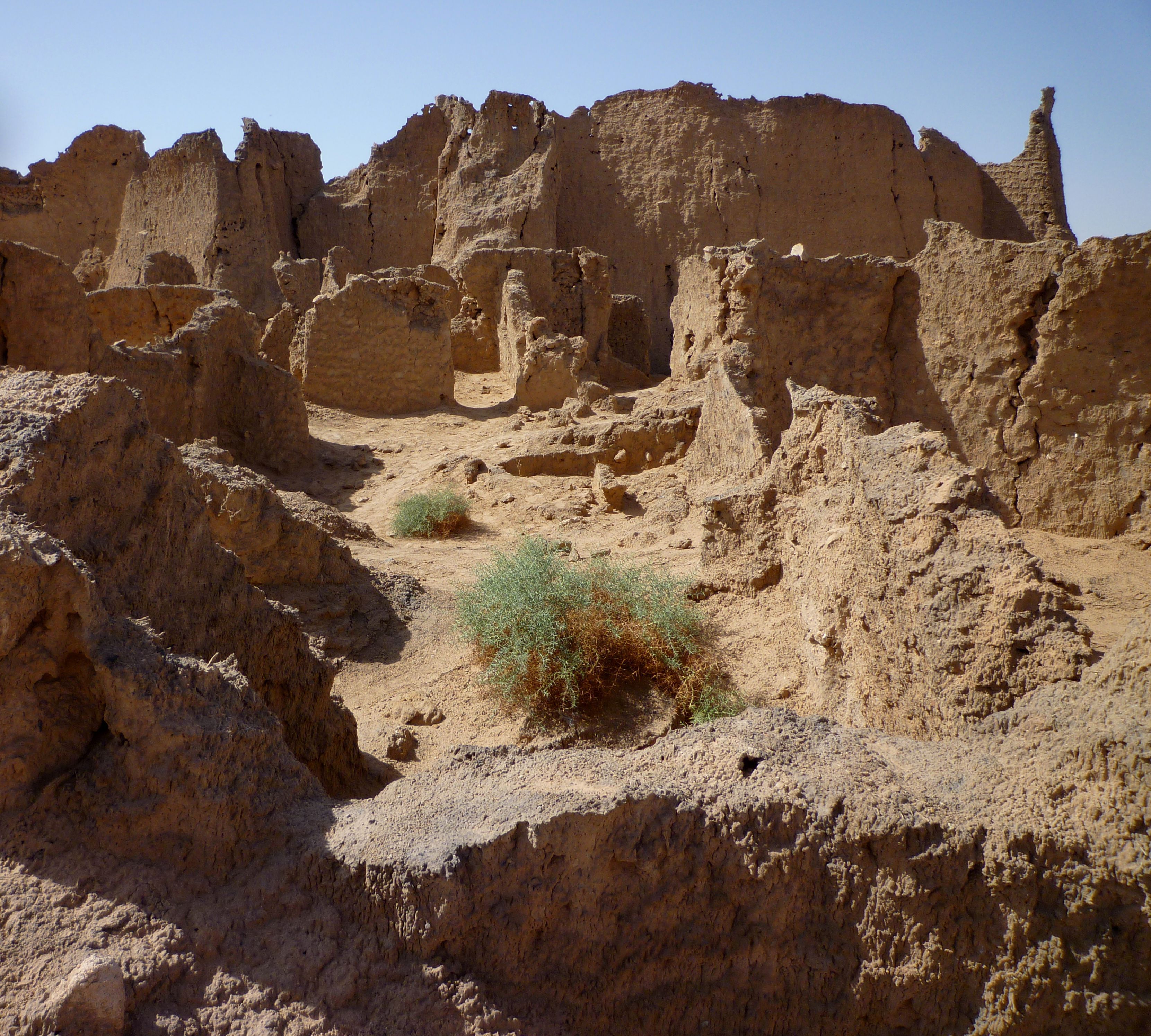
Ancient Garamantian capital in Sahara Desert