
Explore the Map
Haua Fteah
32.8997° N, 22.0514° E
About
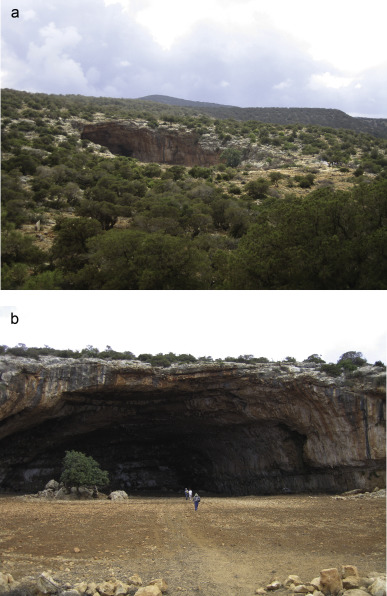
Haua Fteah is a significant archaeological site located in northeastern Libya. This large karstic cave has been a key to understanding human prehistory in Africa, showing evidence of occupation spanning from the Middle Paleolithic through the Roman era. The site features stratified layers of habitation, including hearths and modified cave spaces. Notable artifacts include flake and blade tools, Levalloiso-Mousterian flints, and Dabban blades. The cave's layers reveal transitions from Paleolithic tool industries to later Neolithic pottery and Roman structures. Haua Fteah's long-term human occupation provides valuable insights into human adaptation to climatic changes and technological evolution over thousands of years.
Gallery
Explore photographs of ancient structures, artifacts, and archaeological excavations
Historical Timeline
Journey through time and discover key events in this site's history
Flake and Blade Artifacts
80,000 BCE
Levalloiso-Mousterian Flints
65,000 BCE
Dabban Blades
40,000 BCE
Later Stone Age Microlithic Tools
14,000 BCE
Mesolithic Microlithic Tools
10,000 BCE
Neolithic Pottery Fragments
7,000 BCE
Roman Era Structures
0 CE
First Human Occupation
200,000 BP
Archaeological Features
Unique architectural and cultural elements found at this historical site
Domestic and Habitation Structures
Environmental and Natural Features
Food Production and Processing Features
Frequently Asked Questions
Plan Your Visit
Tours, travel arrangements, and practical information
More Sites in Libya
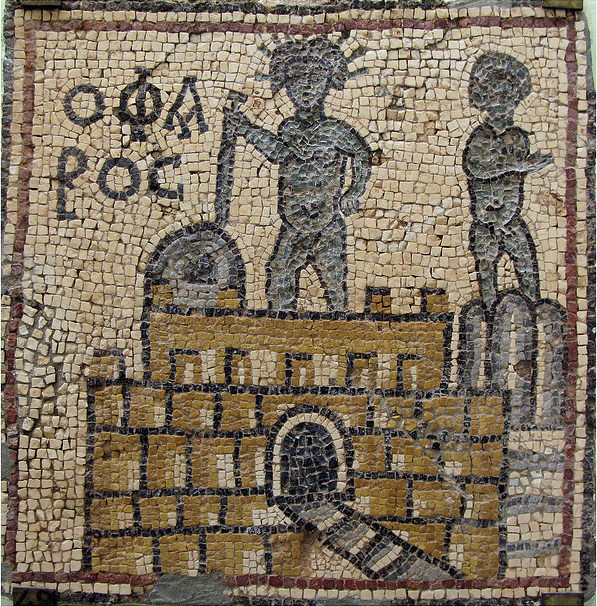
Olbia, Libya
Byzantine town with mosaic churches
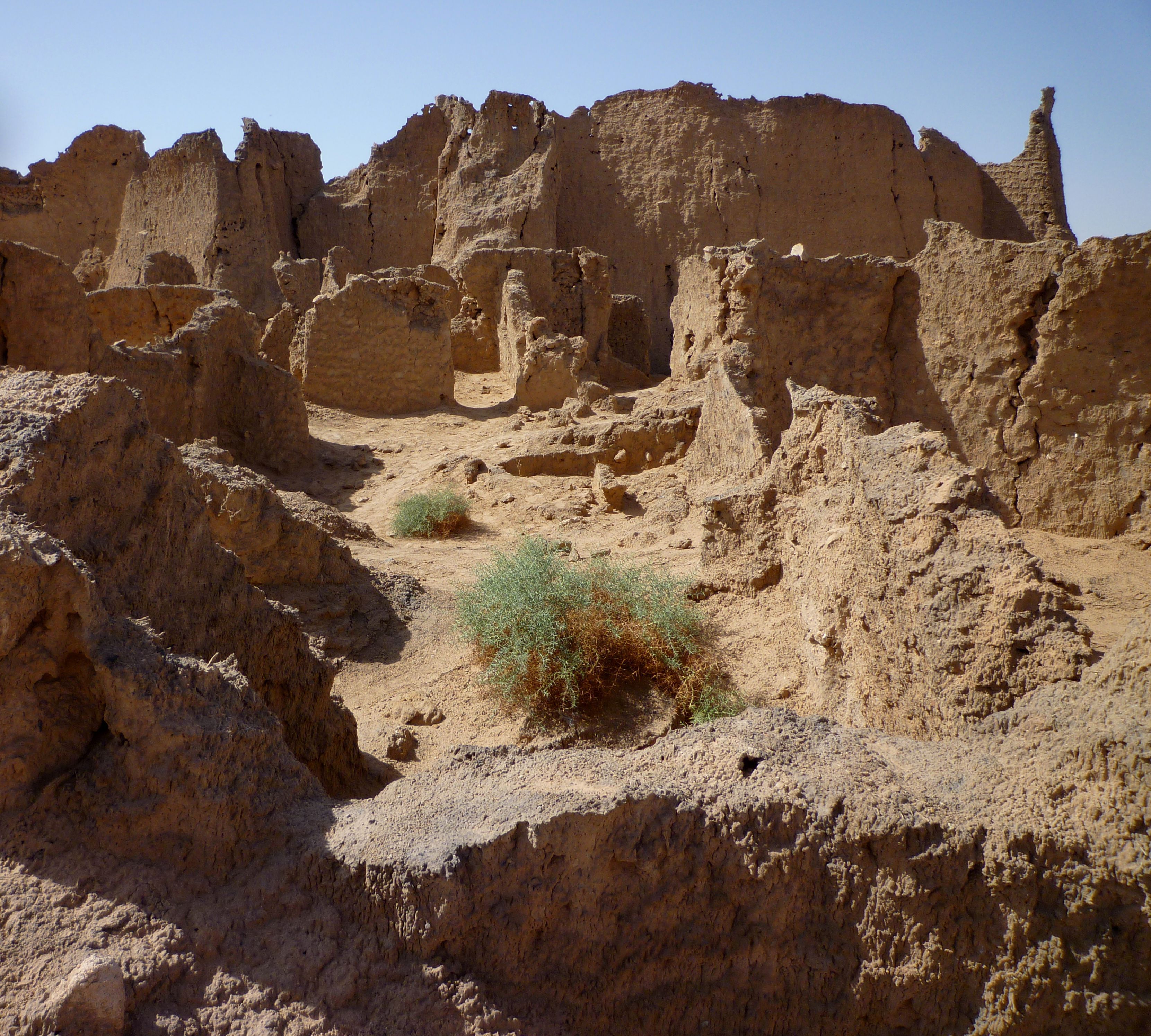
Germa
Ancient Garamantian capital in Sahara Desert
Leptis Magna
Roman port city in Tripolitania, Libya
Al-Mnaykhrat
Greek rock-tomb, late 6th century BC
Cinyps (Libya)
Spartan-founded Greek colony, 6th century BCE
Extramural Sanctuary of Demeter and Persephone, Cyrene
Terraced sanctuary with temples and votive artifacts