Explore the Map
Archaeology of Zilum
12.4295° N, 13.3540° E
About
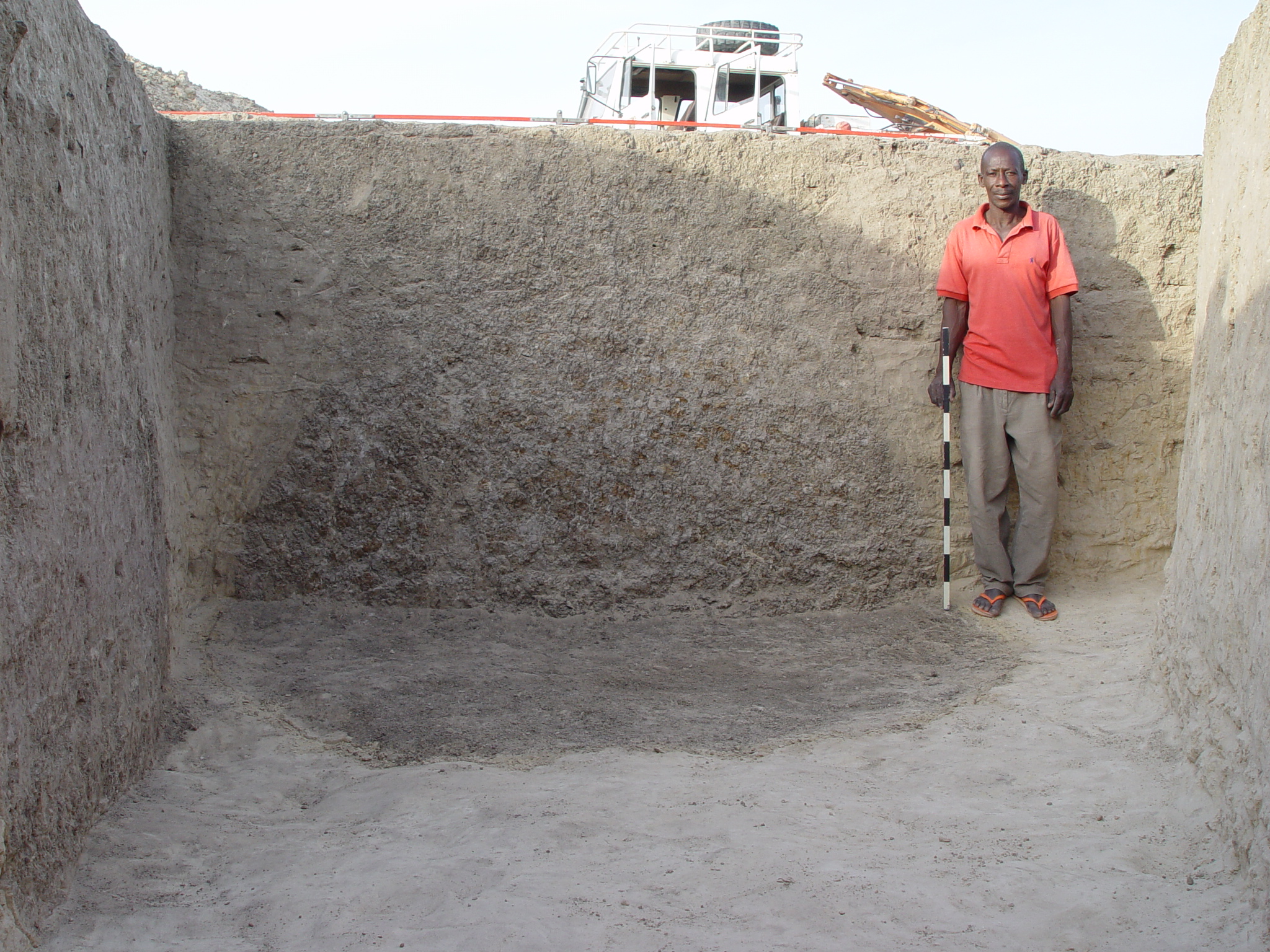
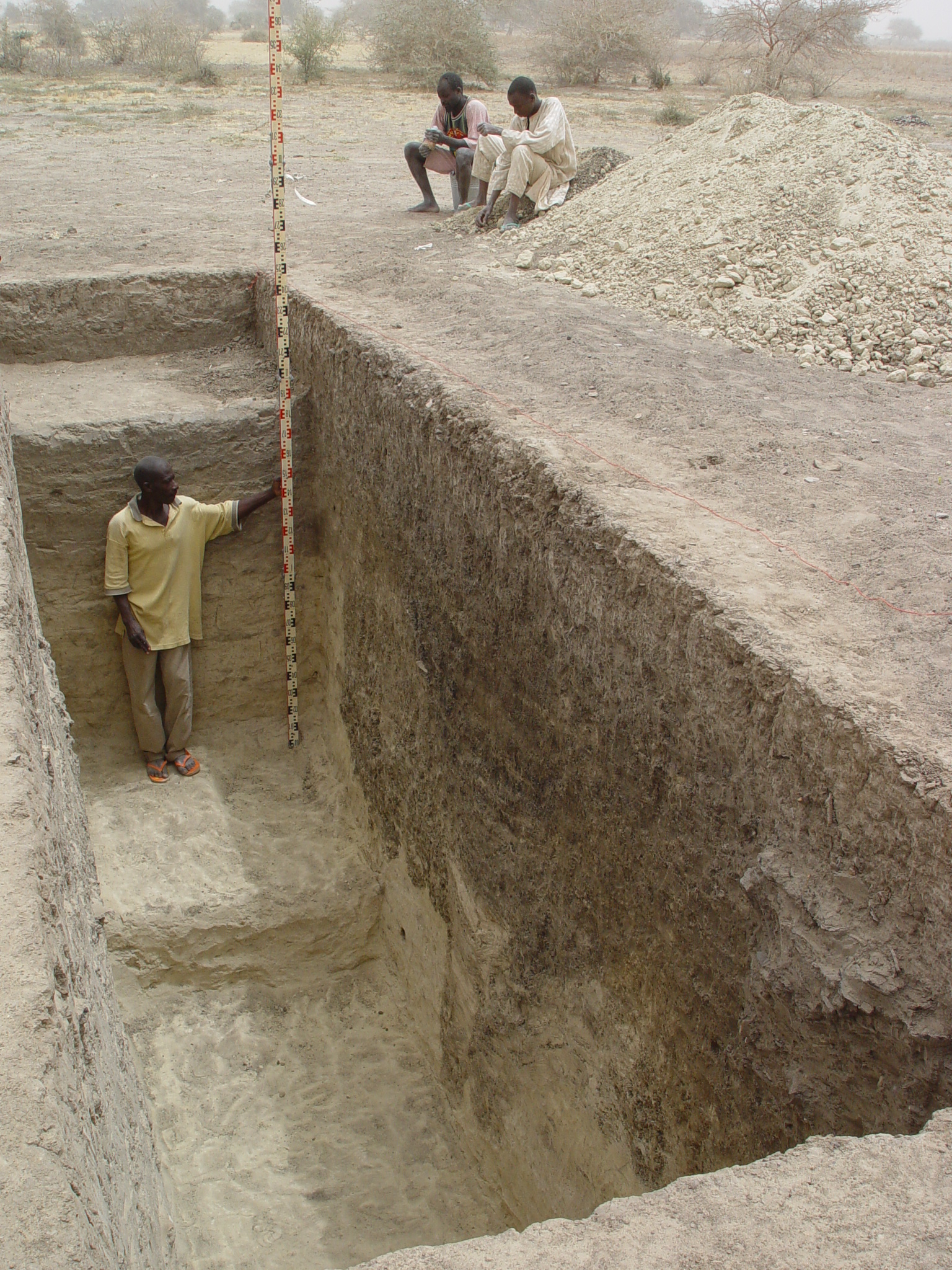
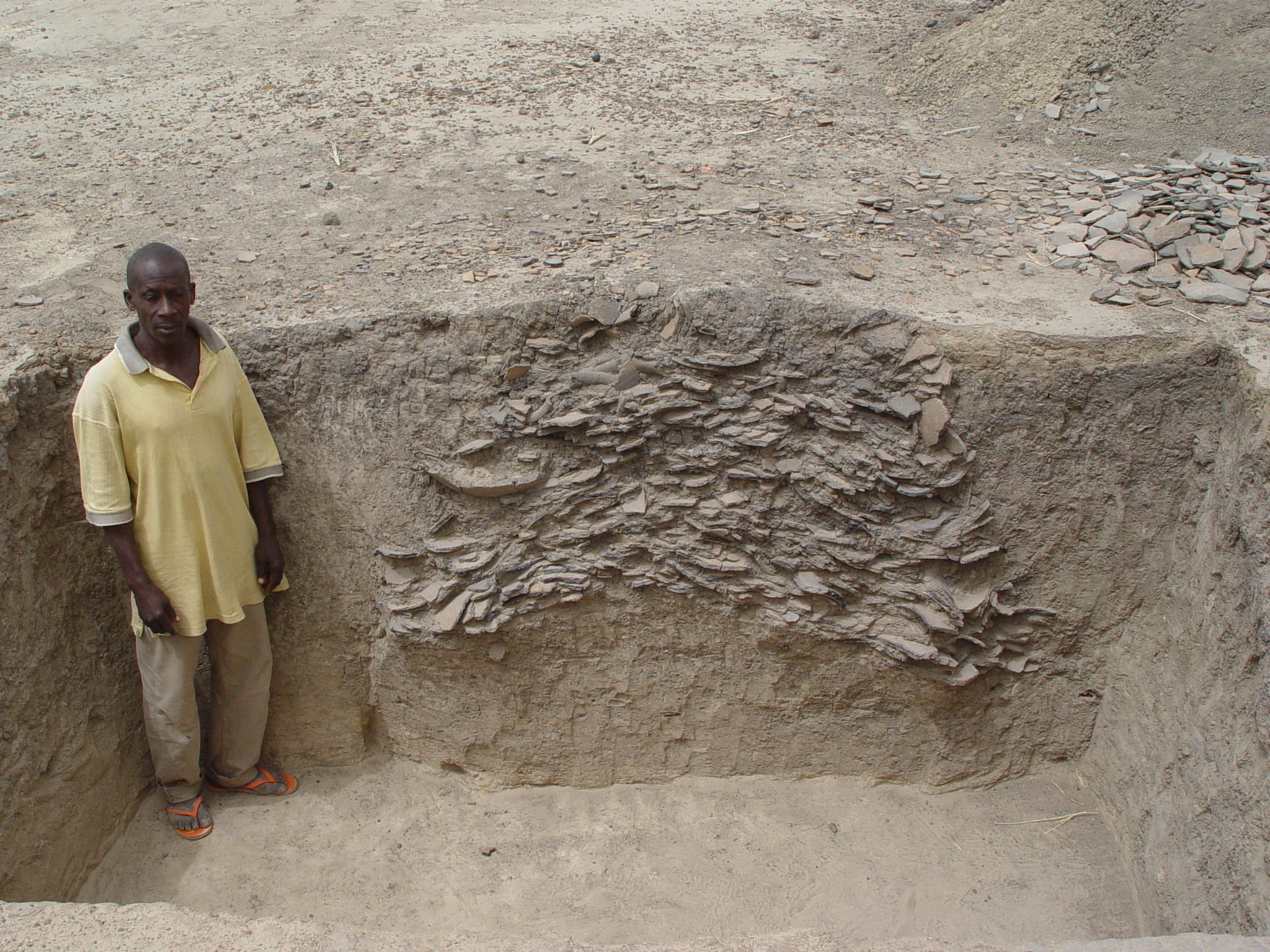
Zilum, a settlement of the Gajiganna culture, is situated in northeastern Nigeria, dated to approximately 600-400 BCE. The site spans around 12 hectares, characterized by its flat landscape on a sand ridge, with a clay depression to the south. Archaeological investigations reveal that Zilum is part of Gajiganna Phase III, a period marking a transition between the Late Stone Age and Early Iron Age. The settlement is notable for its numerous storage pits, ditch-and-rampart defensive structures, and the presence of varied craft activities such as pottery and leather goods production. Despite the absence of direct evidence of iron working, the site provides insights into sedentary lifestyles and food security strategies, primarily reliant on pearl millet cultivation. Zilum’s significance lies in its demonstration of early agricultural practices and community organization within the Chad Basin.
Gallery
Explore photographs of ancient structures, artifacts, and archaeological excavations
Historical Timeline
Journey through time and discover key events in this site's history
Zilum Settlement
600 BCE
End of Zilum Phase III
400 BCE
Archaeological Features
Unique architectural and cultural elements found at this historical site
Storage Structures
Defensive Structures
Animal Husbandry Features
Industrial and Craft Structures
Artistic and Decorative Features
Frequently Asked Questions
Plan Your Visit
Tours, travel arrangements, and practical information
More Sites in Nigeria
Taruga
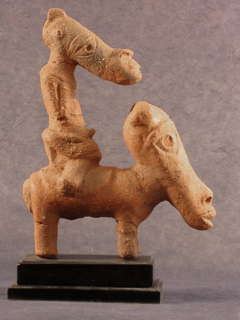
Nok culture site with early iron working
Samun Dukiya
Nok culture artifacts in Nok valley
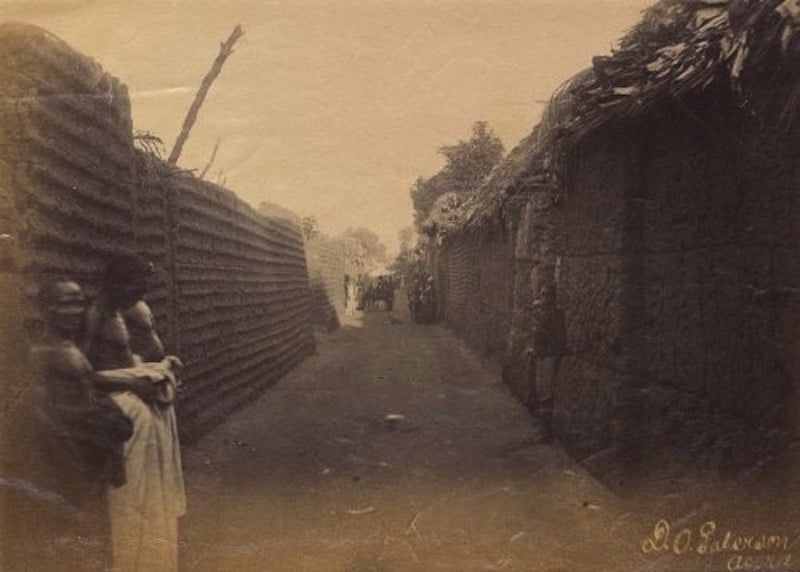
Benin Moat
Massive earthworks encircling Benin City, Nigeria
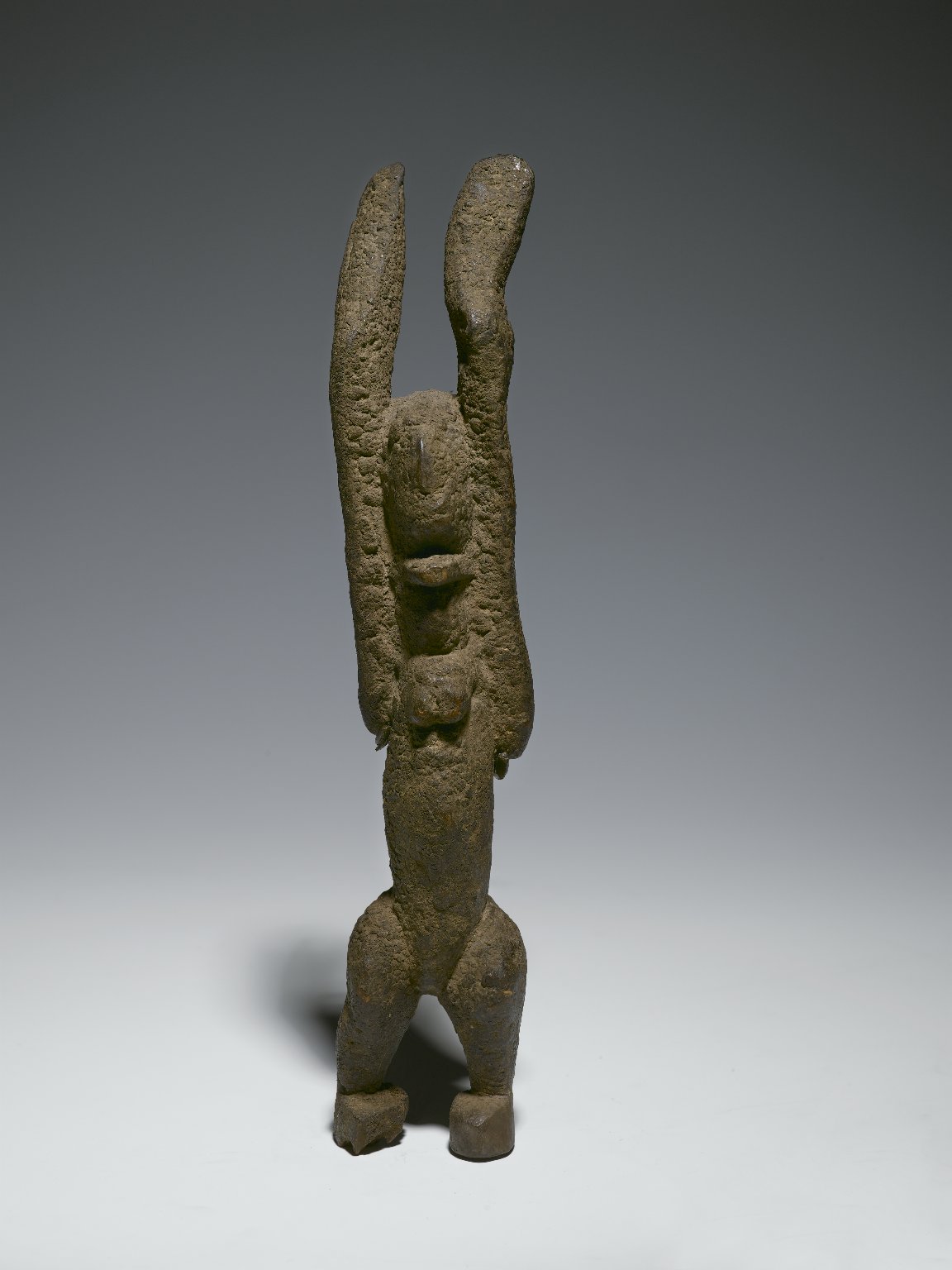
Nok
Nok culture site, 1500 BC–500 AD
Archaeology of Igbo-Ukwu
Ancient Igbo-Ukwu bronzes and artifacts site.
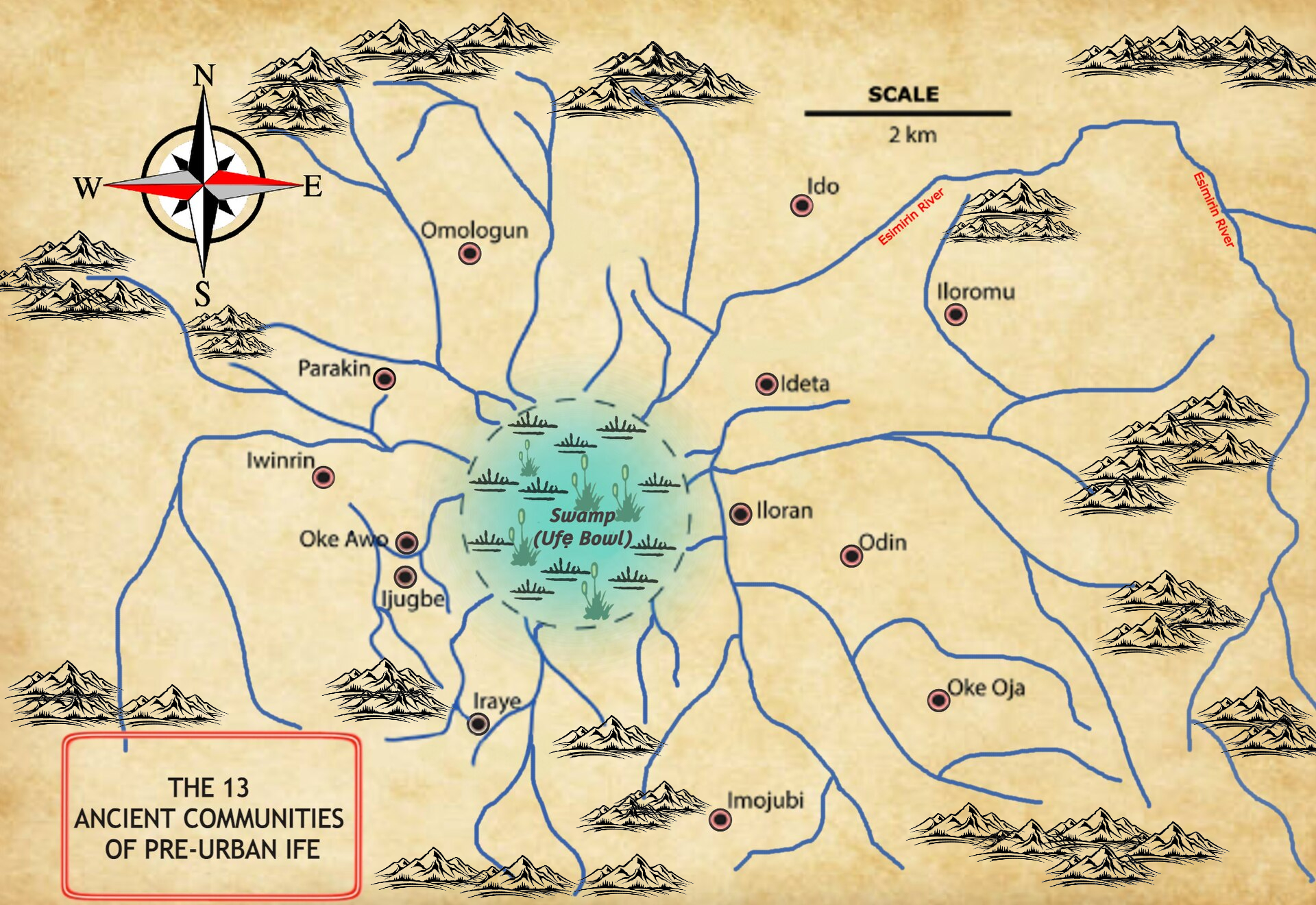
Oke Ora
Ancient Yoruba settlement on a hill.