Explore the Map
Samun Dukiya
9.0833° N, 8.0000° E
About
Samun Dukiya, located in Nigeria's Nok valley, is an archaeological site of significance due to its rich collection of artifacts from the Nok culture, dating back to between 300 BCE and 100 BCE. This site has yielded a variety of artifacts, including terracotta statues, pottery, and iron objects, which provide insights into the technological and artistic practices of the period. Radiocarbon dating suggests the site was occupied between 500 BCE and 1 BCE, with evidence of iron production around 210 BCE. These findings suggest that Samun Dukiya was part of a broader cultural tradition shared by different communities in the region. The stylistic differences in pottery and artifacts indicate the influence of various groups adopting the Nok style. This site's artifacts contribute significantly to understanding the Nok culture, known for its advanced ironworking and distinctive terracotta artistry.
Historical Timeline
Journey through time and discover key events in this site's history
Nok Culture Occupation
300 BCE - 100 BCE
Iron Slag Production
210 BCE
Archaeological Features
Unique architectural and cultural elements found at this historical site
Industrial and Craft Structures
Artistic and Decorative Features
Frequently Asked Questions
Plan Your Visit
Tours, travel arrangements, and practical information
More Sites in Nigeria
Rop rock shelter
Rock shelter with microlithic tools and pottery
Old Oyo
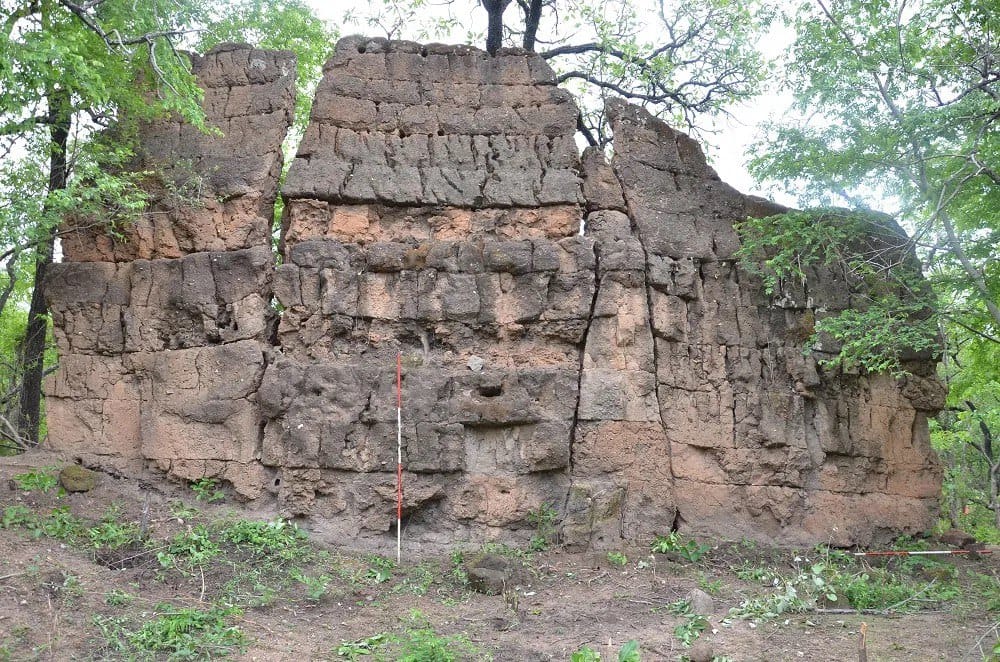
Ruined medieval Yoruba city and palace.
Oke Ora
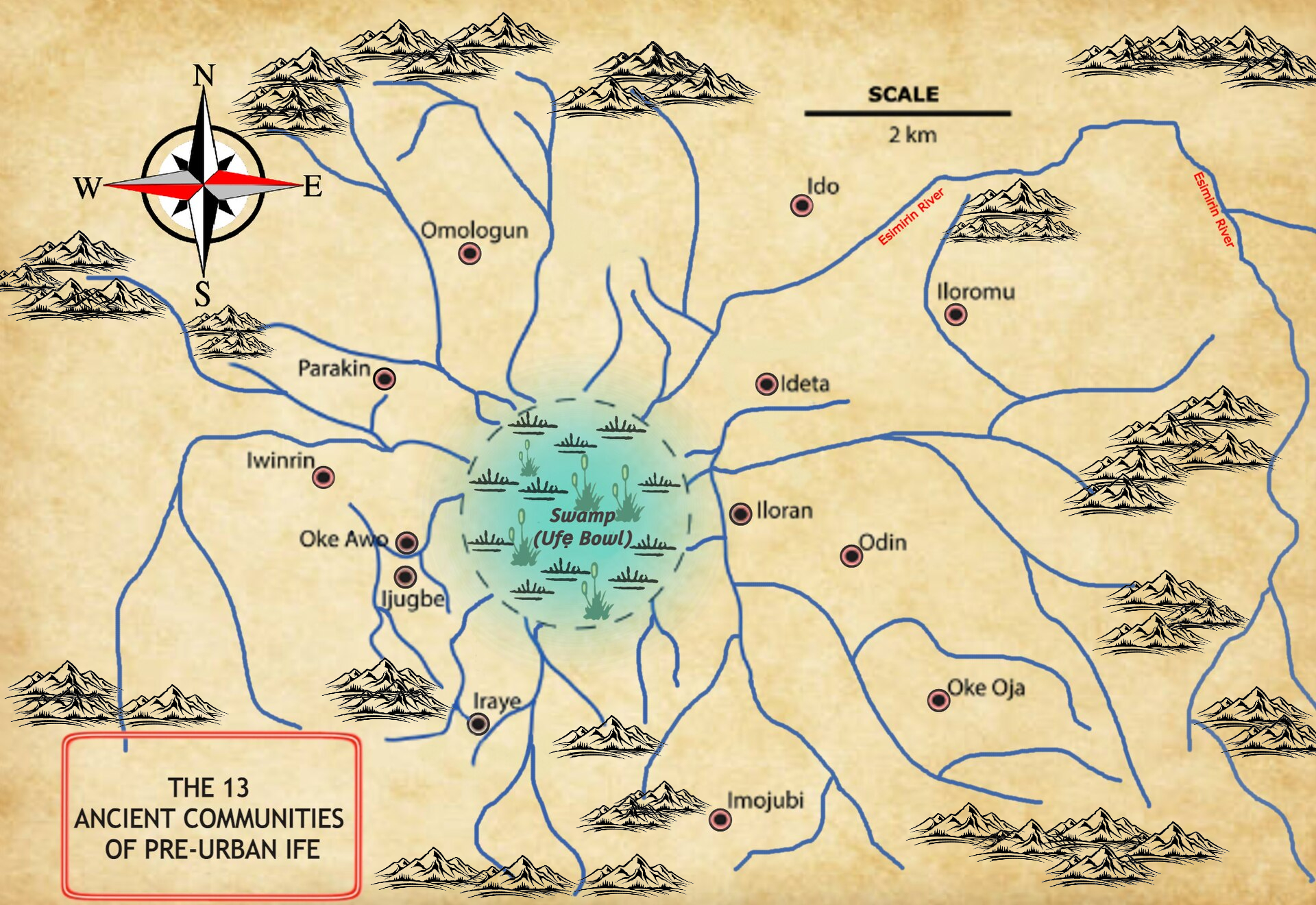
Ancient Yoruba settlement on a hill.
Nok
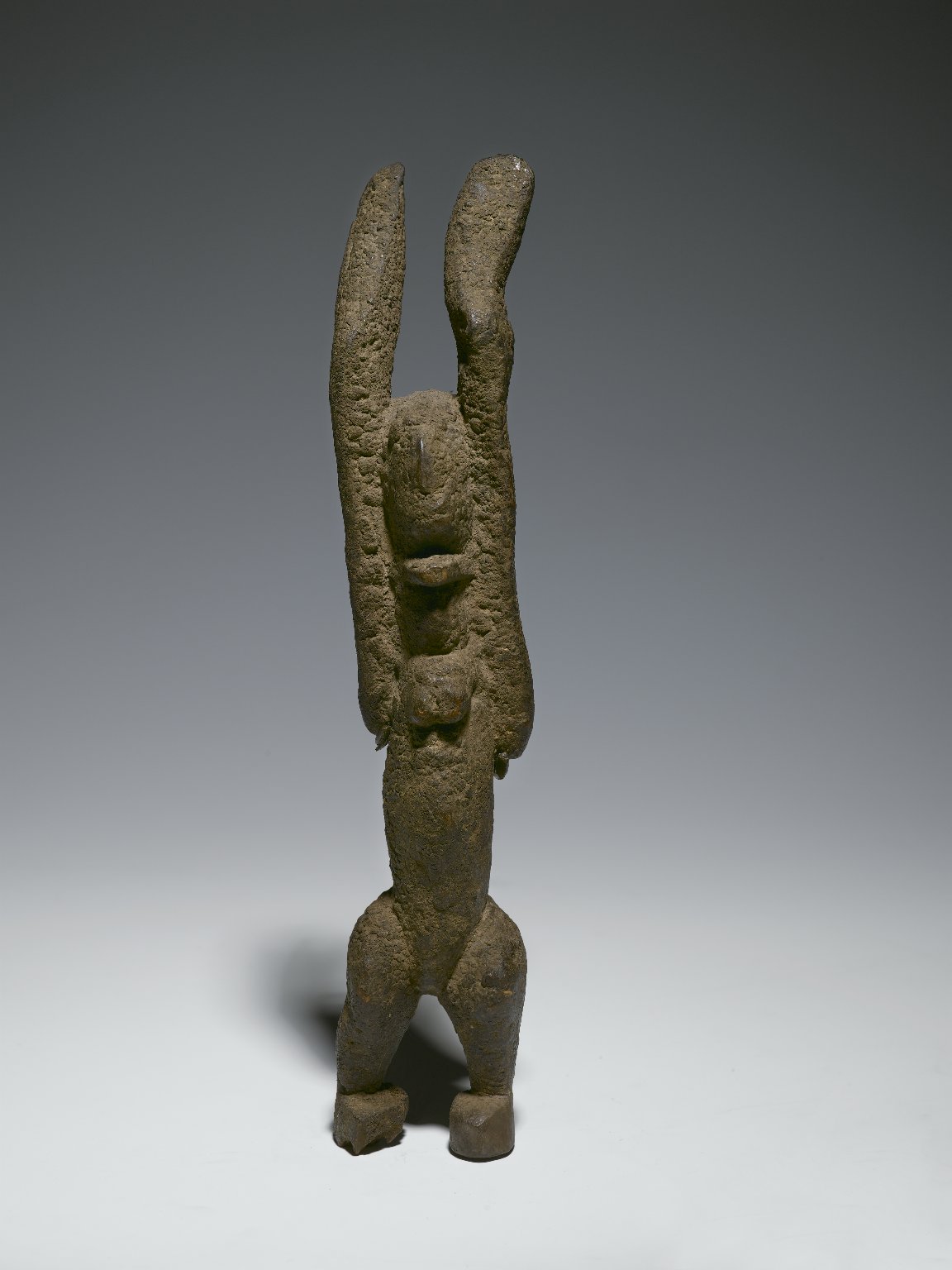
Nok culture site, 1500 BC–500 AD
Taruga
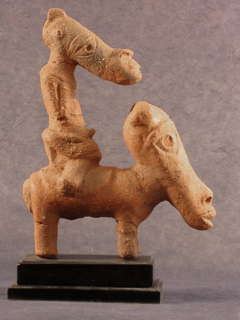
Nok culture site with early iron working
Benin Moat
Massive earthworks encircling Benin City, Nigeria