
Explore the Map
Mezmaiskaya cave
44.1667° N, 40.0000° E
About
Mezmaiskaya Cave, located in the northwestern foothills of the North Caucasus in Russia, is a significant archaeological site known for its Middle and Upper Paleolithic Mousterian artifacts. The cave's stratigraphy reveals evidence of Neanderthal occupation dating from approximately 70,000 to 40,000 years ago. Notably, it has yielded the remains of three Neanderthal individuals, including the well-preserved infant Mezmaiskaya 1 and the child Mezmaiskaya 2. These finds offer insights into the burial practices and genetic lineage of Neanderthals in this region, contributing to the understanding of Neanderthal population dynamics. Additionally, faunal remains in the cave suggest human hunting activities, with stone tool marks present on various animal bones. This site is crucial for understanding the interaction between Neanderthals and their environment during the Paleolithic era.
Historical Timeline
Journey through time and discover key events in this site's history
Neanderthal occupation
70,000 BCE - 40,000 BCE
Mezmaiskaya 1 burial
60,000 BCE
Mezmaiskaya 2 child remains
44,600 BCE - 42,960 BCE
Archaeological Features
Unique architectural and cultural elements found at this historical site
Burial and Funerary Structures
Domestic and Habitation Structures
Environmental and Natural Features
Plan Your Visit
Tours, travel arrangements, and practical information
More Sites in Russia
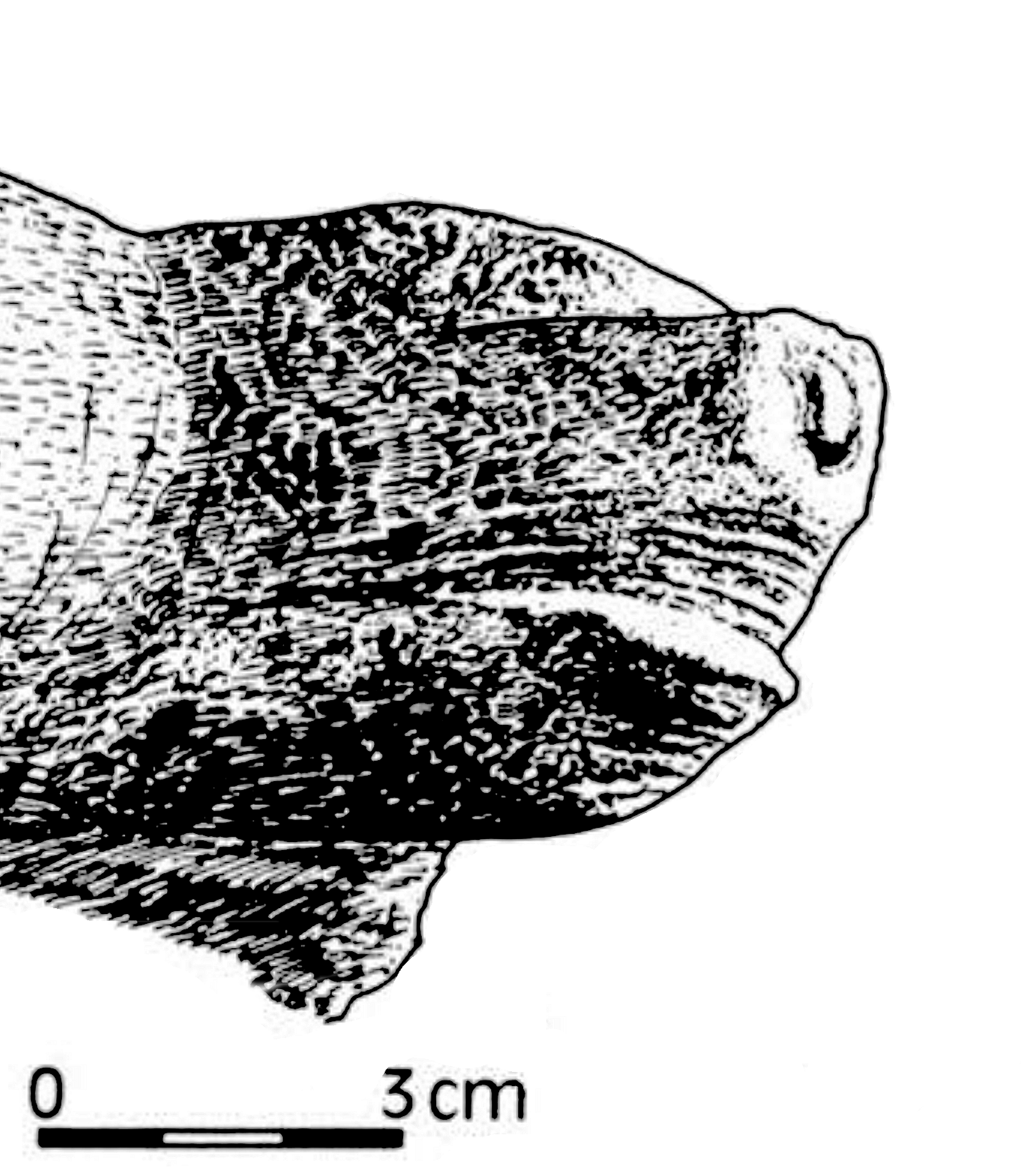
Tolbaga
Upper Paleolithic site with animal sculpture.
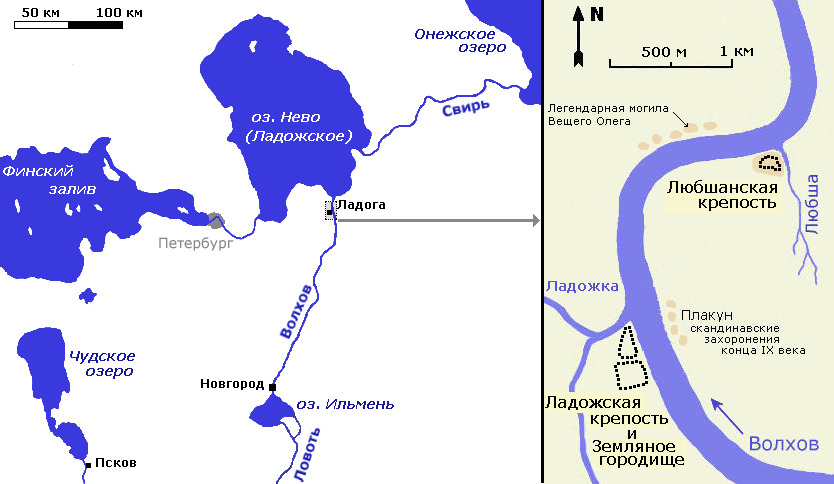
Lyubsha
Early Slavic fortification predating Staraya Ladoga.
Timerevo
Unfortified Scandinavian trade outpost near Volga.
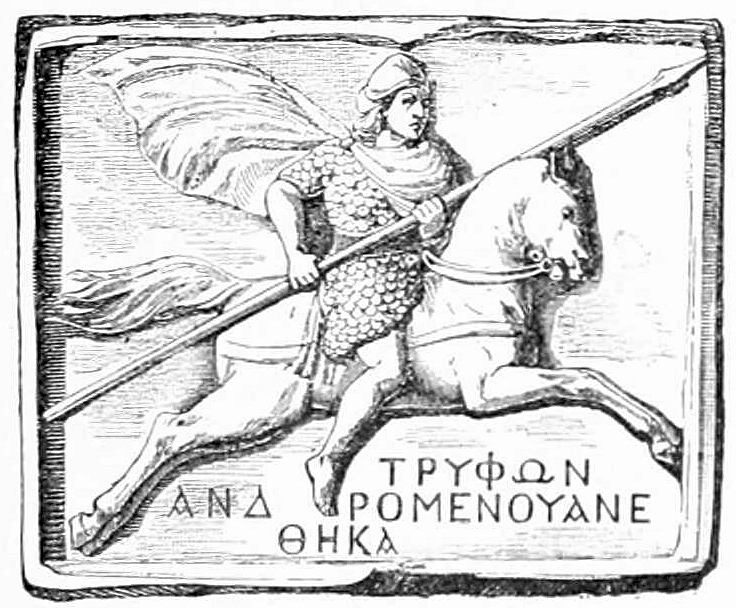
Tanais
Ancient Greek city in Don River delta
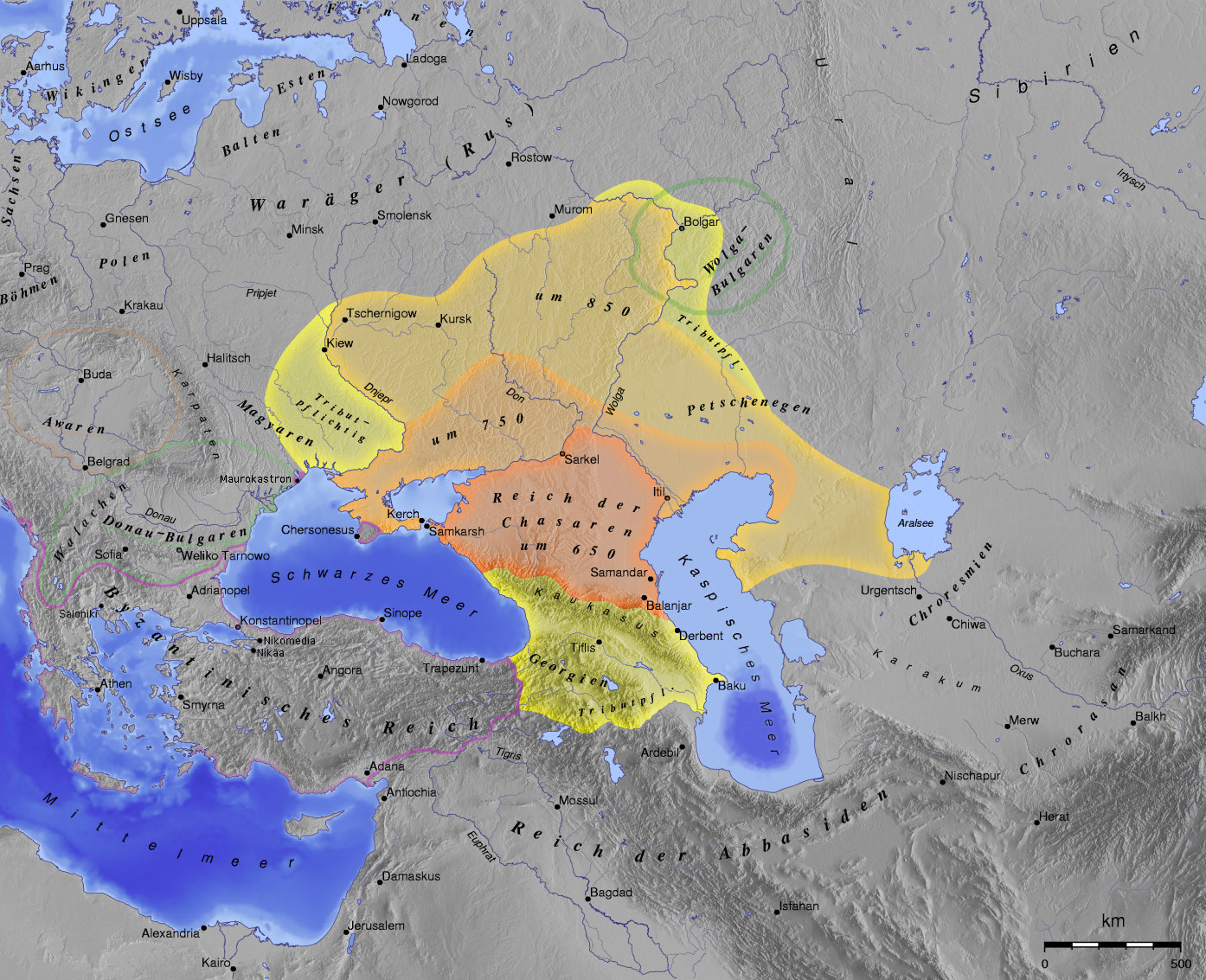
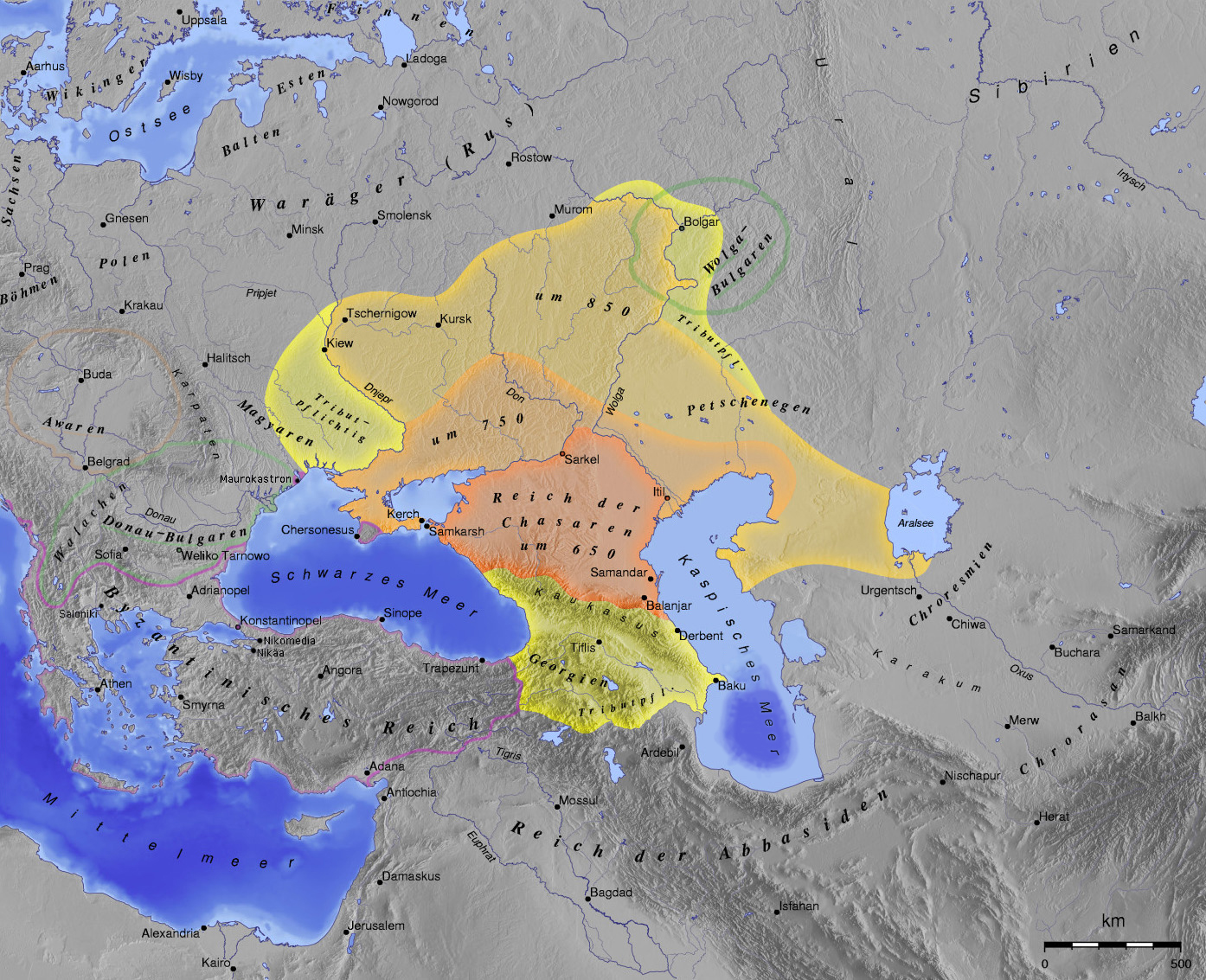
Sarkel
Khazar limestone-and-brick fortress on Don River
Semikarakorsk Fortress
Early medieval Khazar fortress on island hill.