Explore the Map
Tolbaga
51.5000° N, 108.5000° E
About
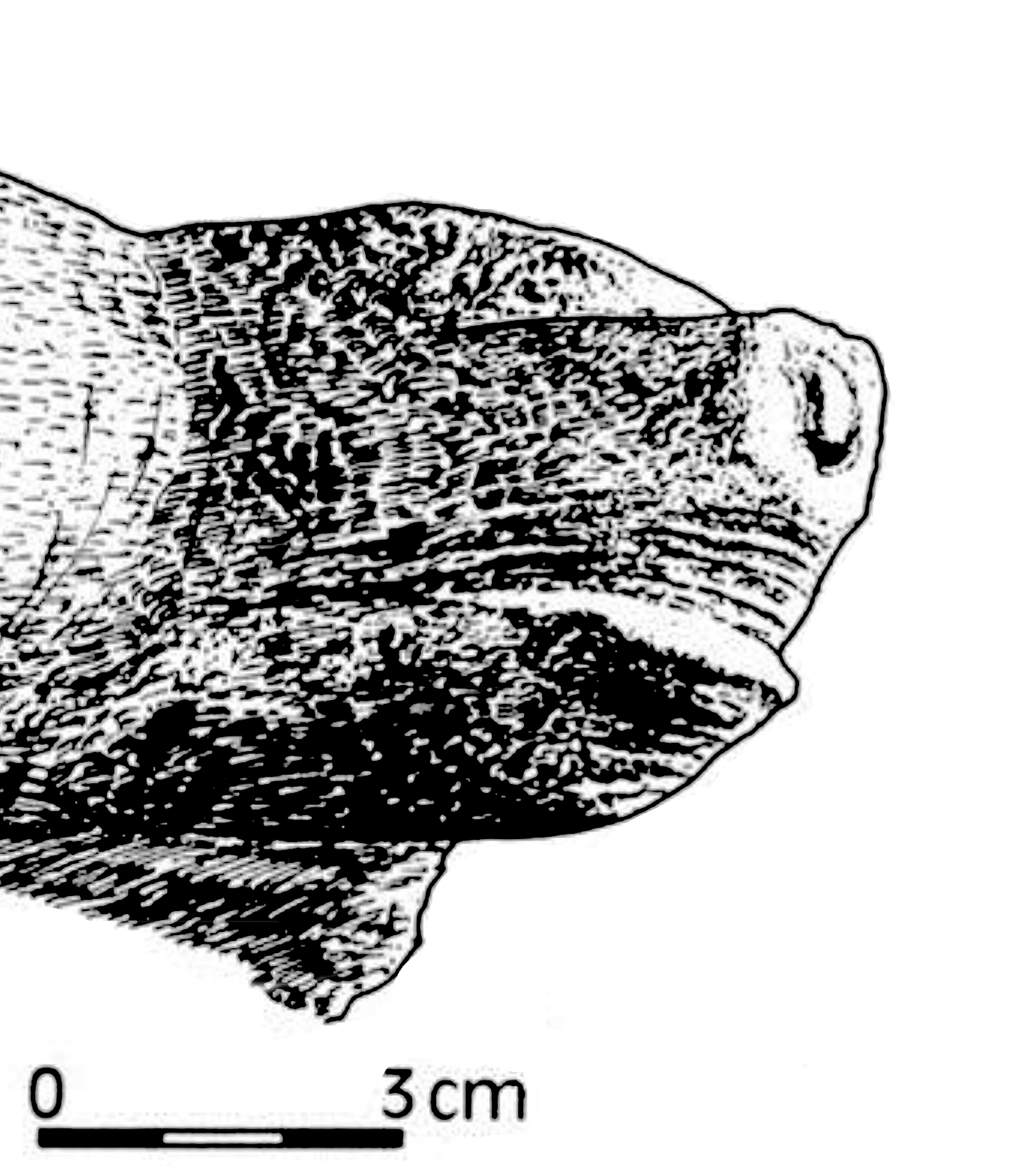
The Tolbaga archaeological site is located south of Lake Baikal, on the right bank of the Khilok River. It is notably significant for yielding one of the earliest examples of naturalistic sculpture in the world. This sculpture, estimated to date to around 34,860 BP, is a three-dimensional representation of an animal head, likely a bear, intricately carved from the second vertebra of a woolly rhinoceros. The presence of microscopic tool marks suggests the use of stone tools in its creation, providing valuable insight into the artistic capabilities of Upper Paleolithic humans. This site offers crucial evidence of early human artistic expression and their interaction with the environment during the Upper Paleolithic period.
Gallery
Explore photographs of ancient structures, artifacts, and archaeological excavations
Historical Timeline
Journey through time and discover key events in this site's history
Creation of animal head sculpture
34,860 BP
Archaeological Features
Unique architectural and cultural elements found at this historical site
Artistic and Decorative Features
Frequently Asked Questions
Plan Your Visit
Tours, travel arrangements, and practical information
More Sites in Russia
Mezmaiskaya cave
Prehistoric cave with Mousterian artifacts
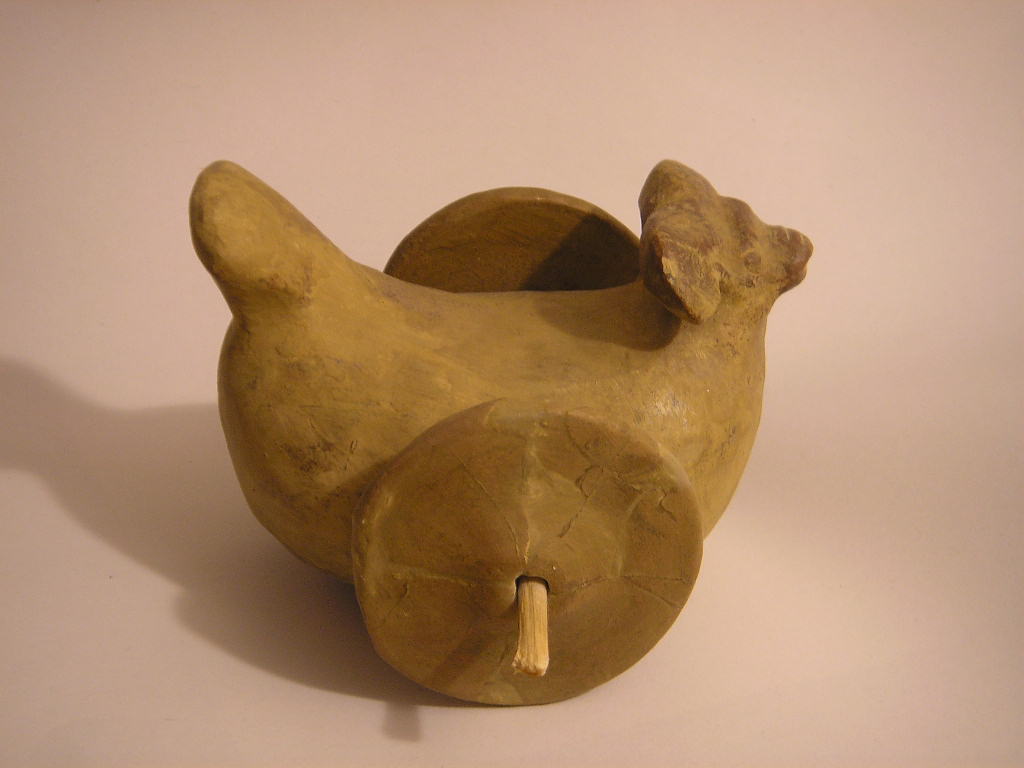
Ivolga archaeological site
Xiongnu fortified city in Buryatia, Russia.
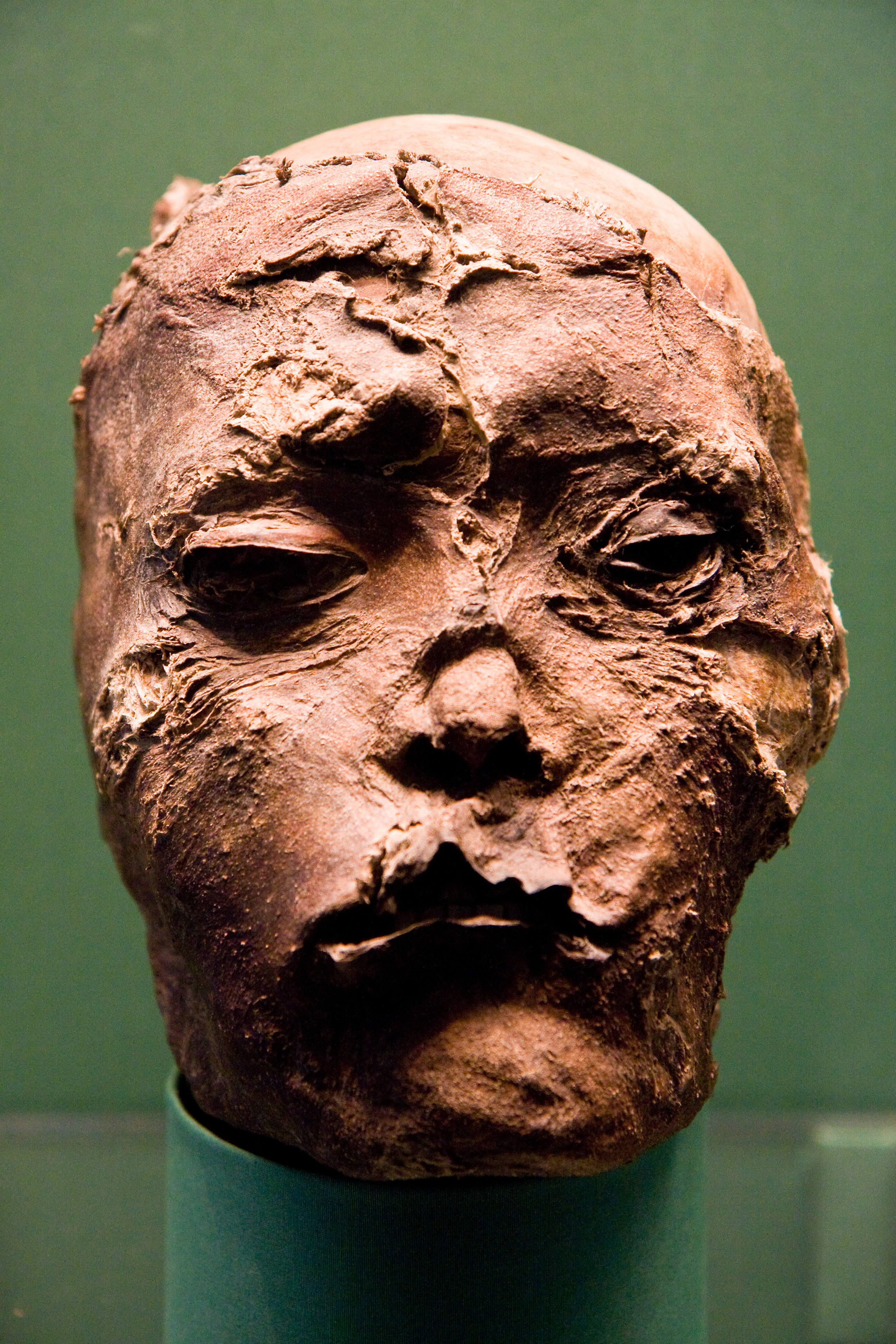
Pazyryk burials
Iron Age Scythian burial mounds
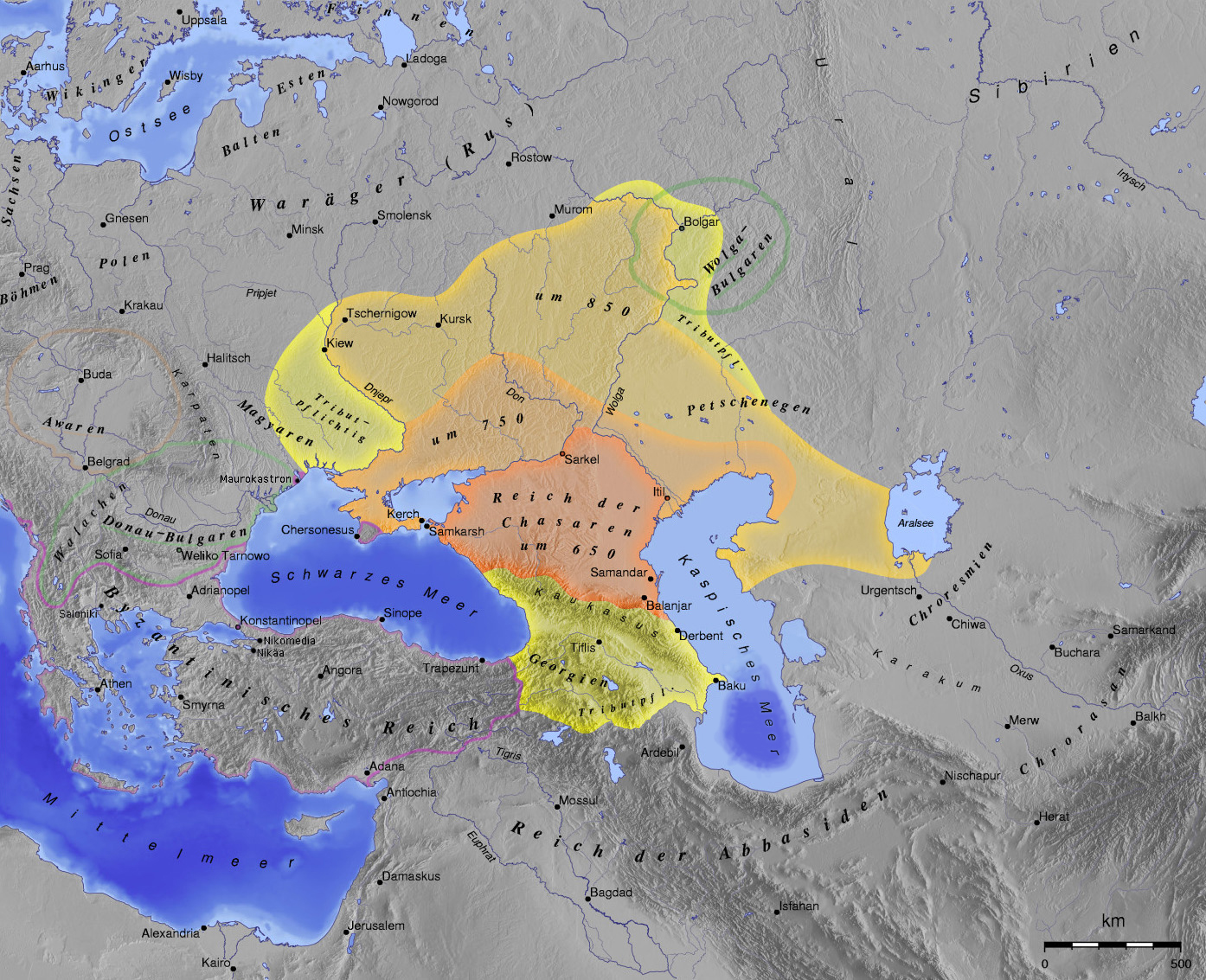
Semikarakorsk Fortress
Early medieval Khazar fortress on island hill.
Por-Bazhyn
Ruined Uyghur palace on mountain lake island
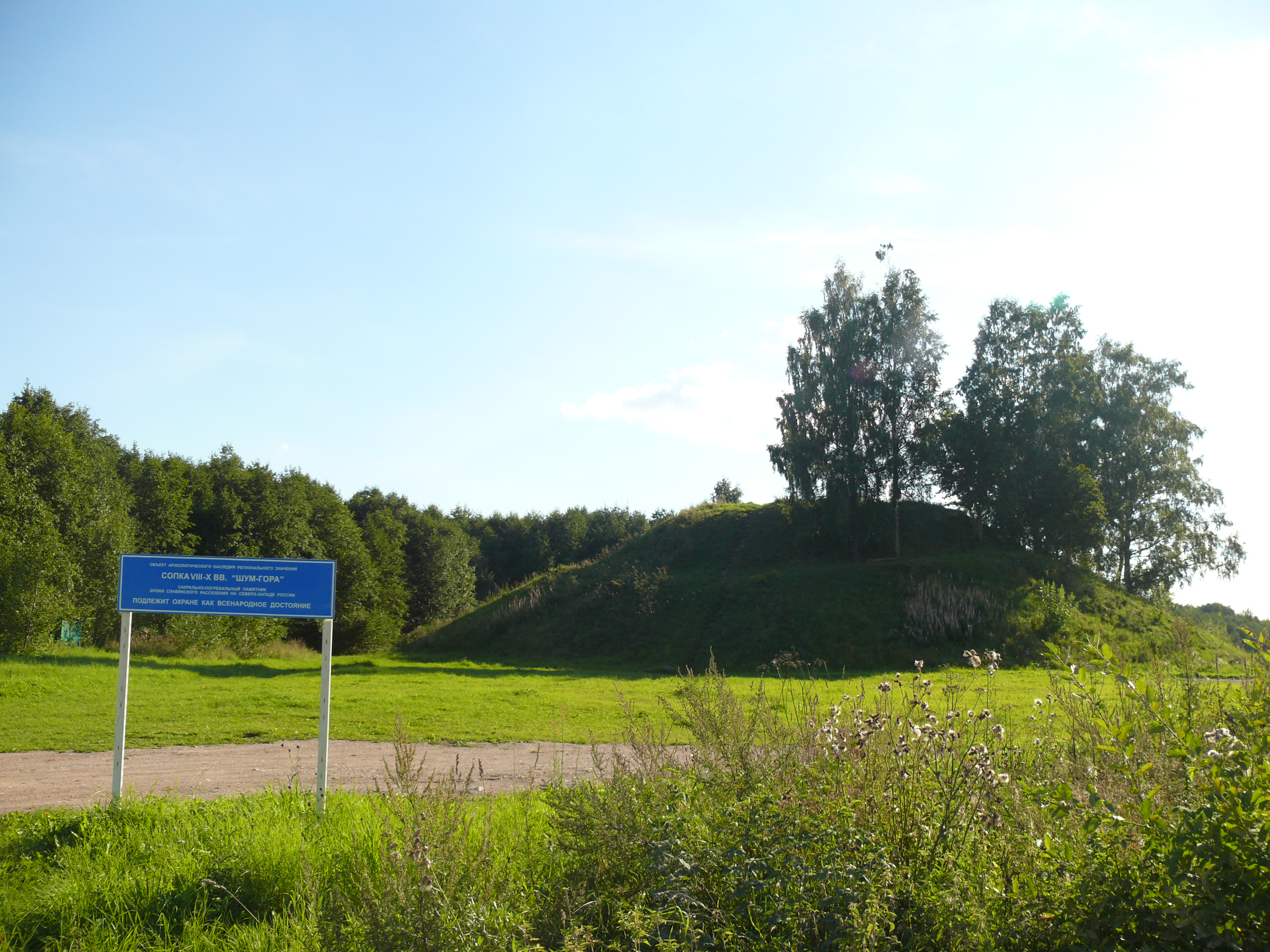
Shum-gora
Massive kurgan with ritual significance.