
Explore the Map
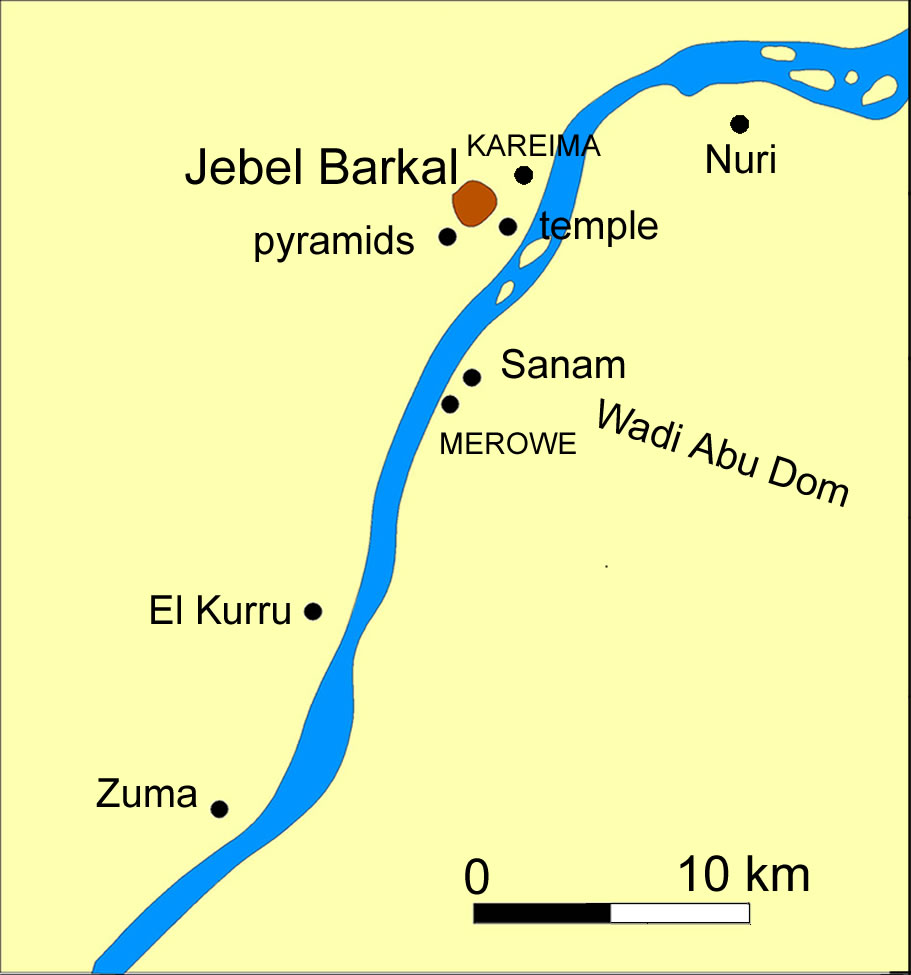
Nuri
18.5644° N, 31.9164° E
About
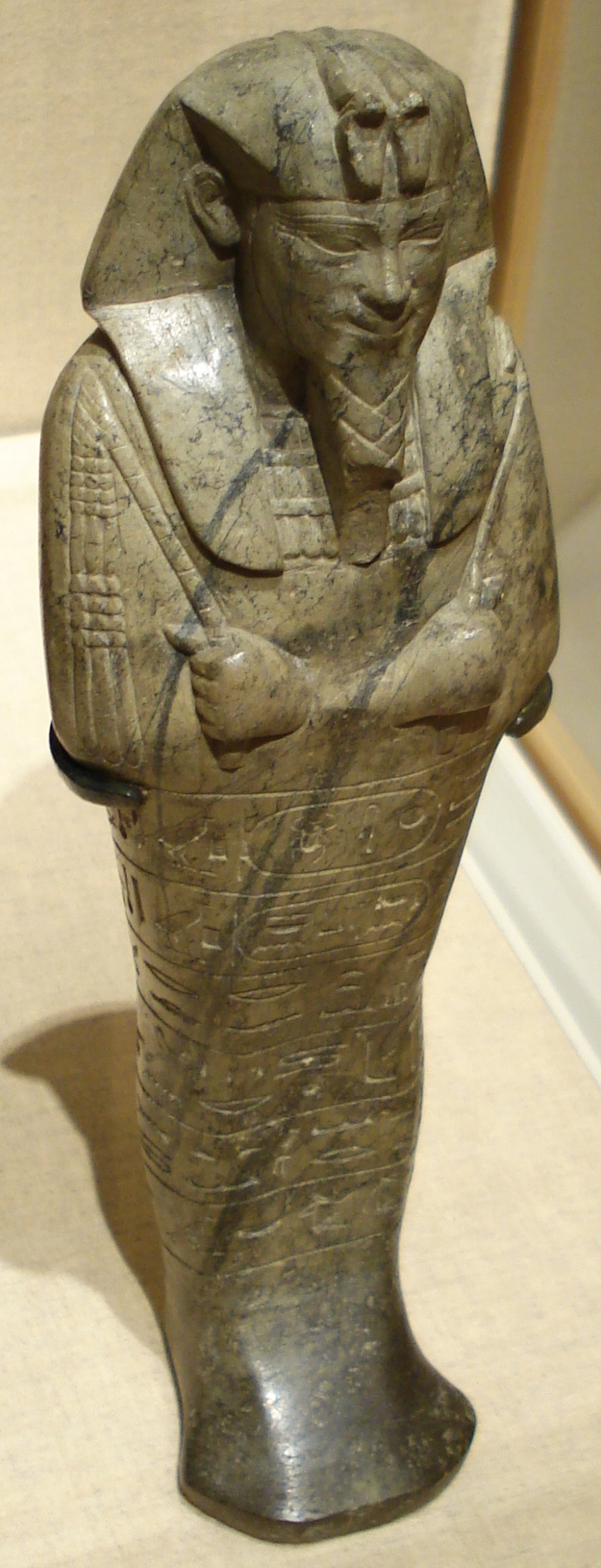
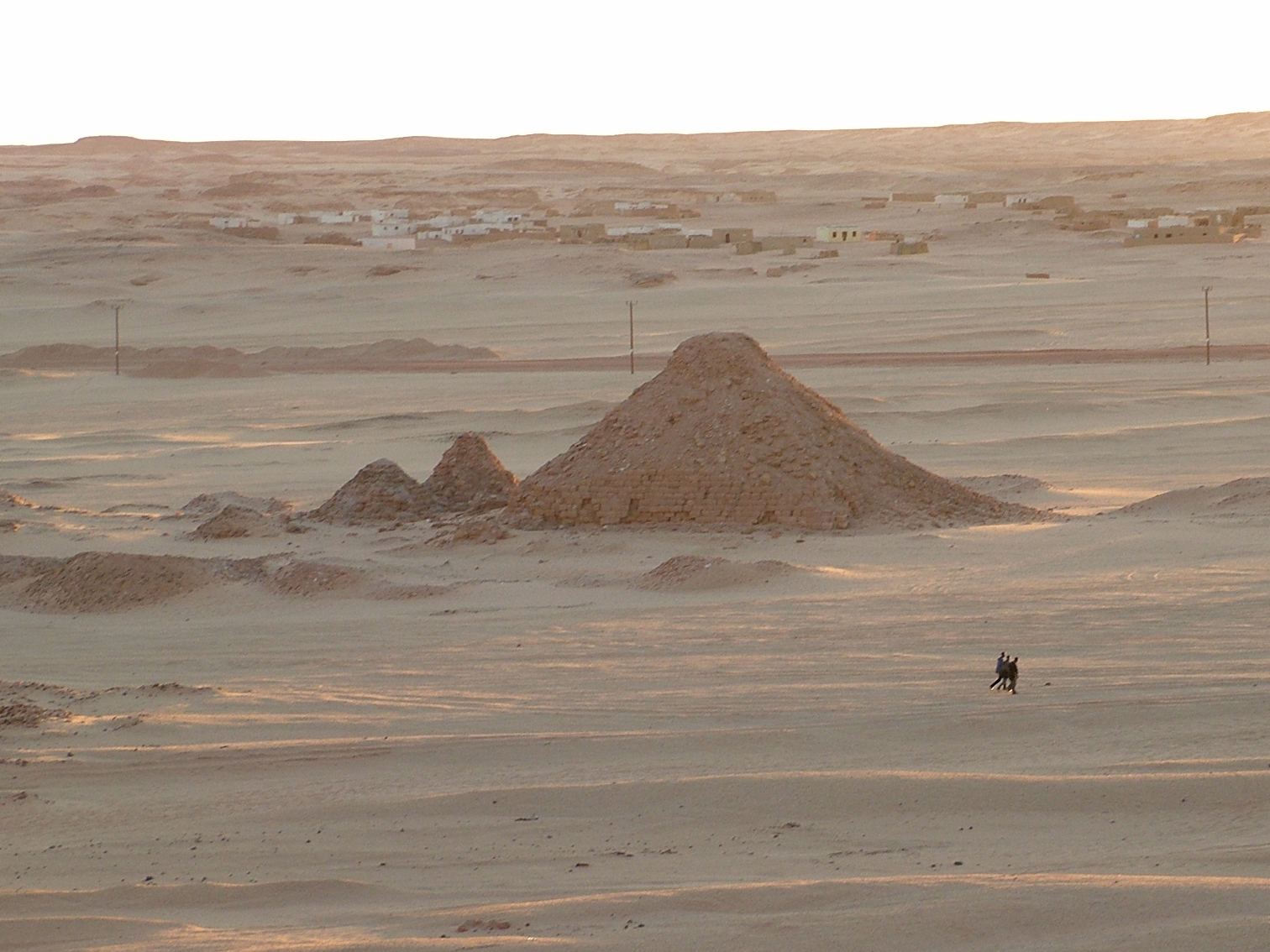
The archaeological site of Nuri, located in modern-day Sudan near the Fourth Cataract of the Nile, serves as a prominent Napatan royal necropolis. Known for its collection of pyramids built over three centuries, from circa 670 BCE to around 310 BCE, Nuri was chosen as a burial site when space at the earlier site of El-Kurru became inadequate. The site includes the pyramid of King Taharqa, strategically aligned with the sun's rise on Egyptian New Year's Day. Despite degradation over time, the pyramids remain significant for understanding Nubian funerary practices. Additionally, the site features structures from the Christian era, including a church constructed from repurposed pyramid stones, illustrating the site's continued historical importance.
Gallery
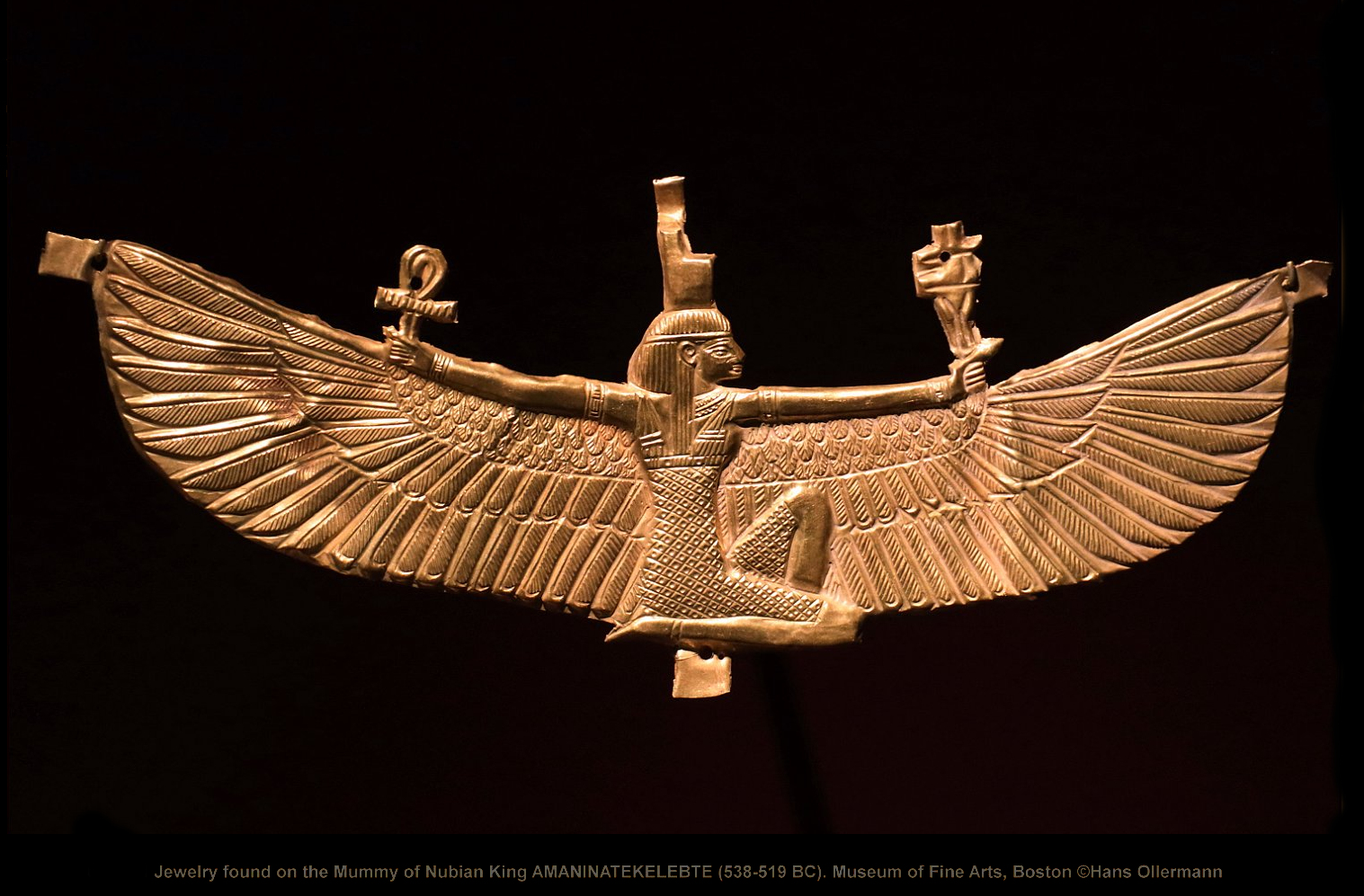
Explore photographs of ancient structures, artifacts, and archaeological excavations
Historical Timeline
Journey through time and discover key events in this site's history
Construction of Taharqa's Pyramid
circa 670 BCE
End of Pyramid Construction
around 310 BCE
Archaeological Features
Unique architectural and cultural elements found at this historical site
Burial and Funerary Structures
Religious and Ritual Structures
Frequently Asked Questions
Plan Your Visit
Tours, travel arrangements, and practical information
More Sites in Sudan
Meinarti
Stratified archaeological remains on Nile island
Jebel Barkal
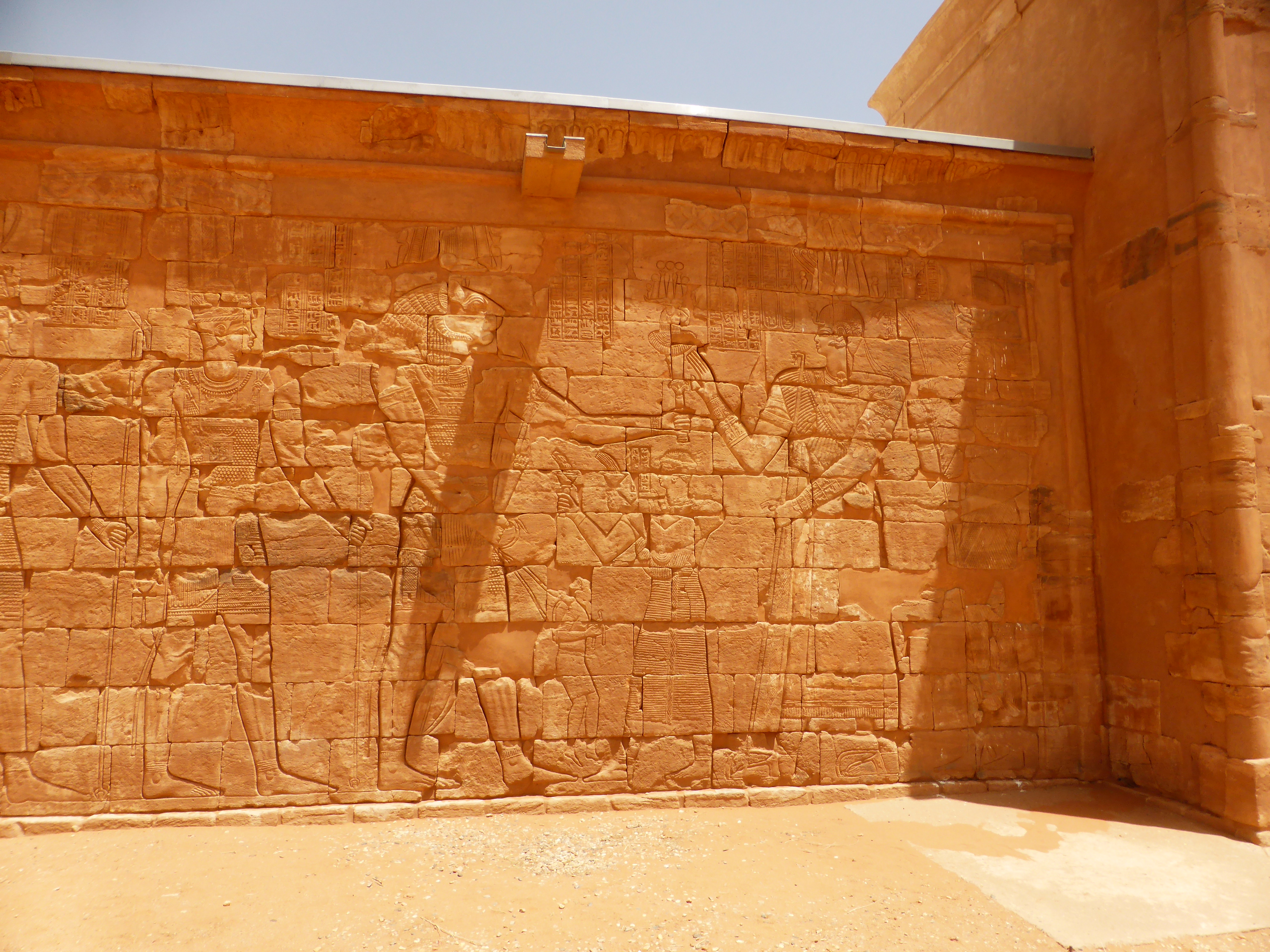
Mesa with temples and pyramids in Sudan.
Musawwarat es-Sufra
Large Meroitic temple complex in Sudan
Nubian pyramids
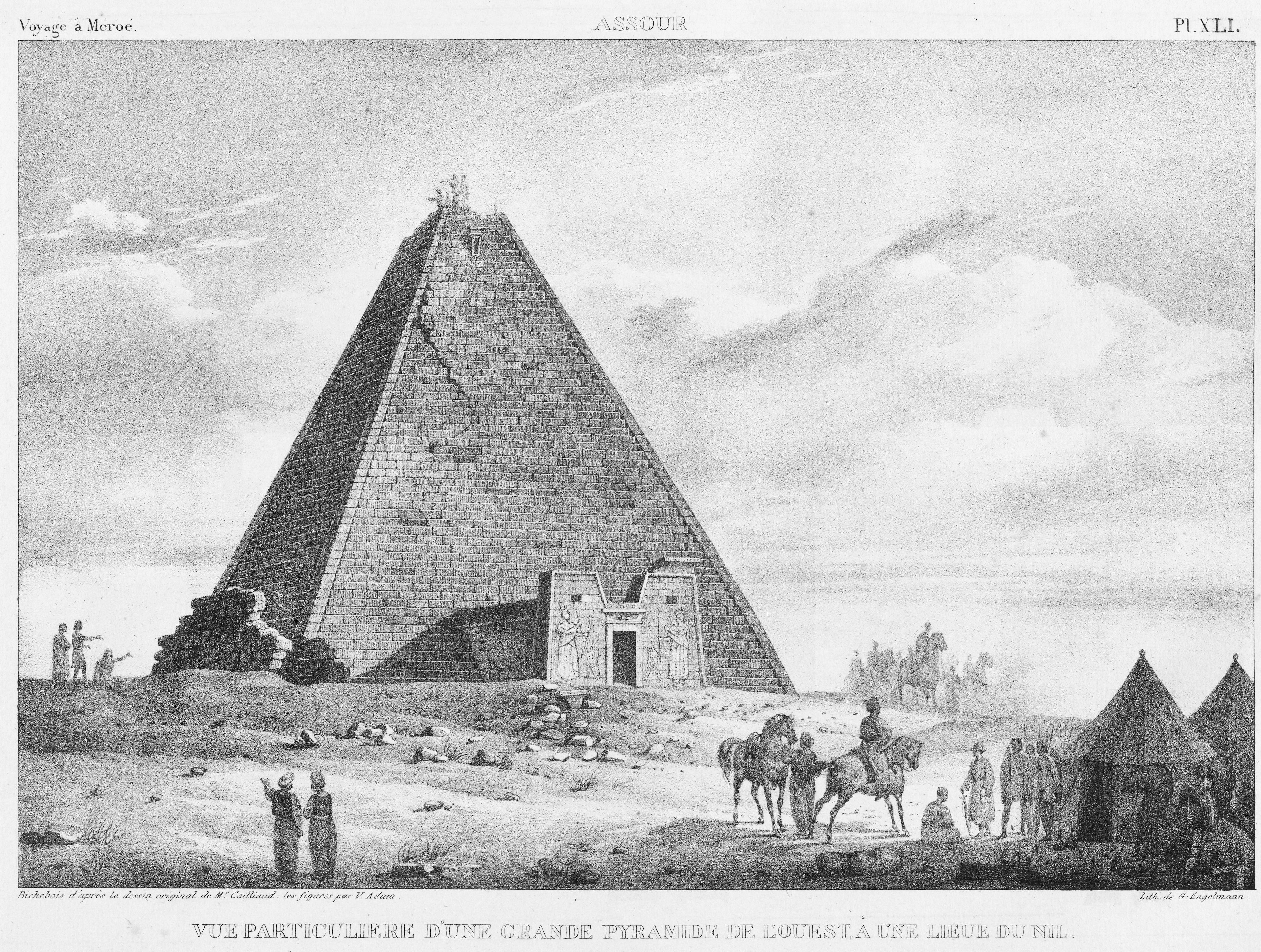
Tall, narrow stepped pyramids in Sudan.
El-Hobagi
Post-Meroitic tumuli with weapons and vessels
Al-Khiday
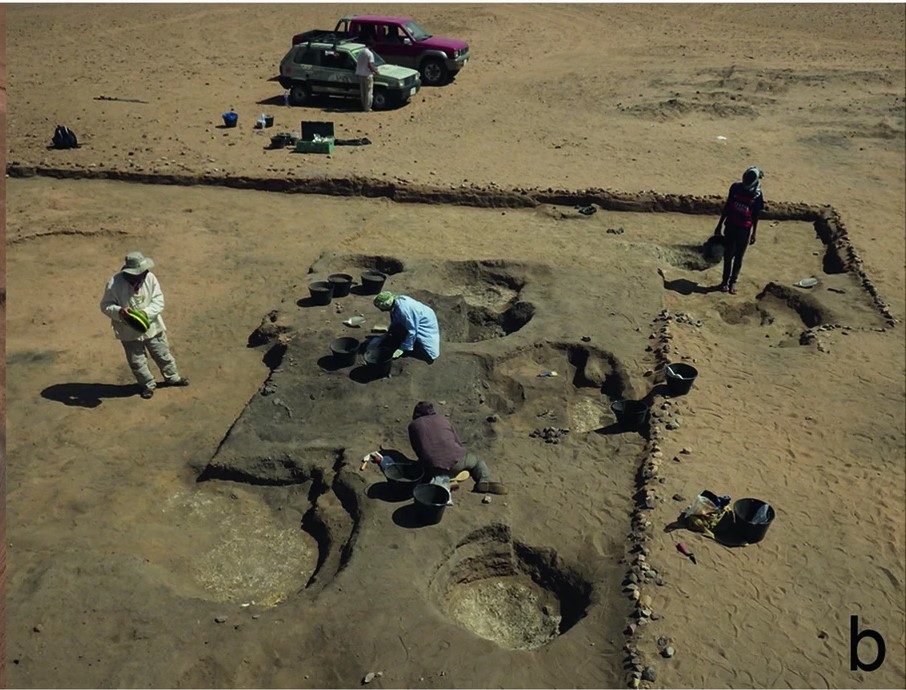
Multi-period cemetery site near White Nile