Explore the Map
Shalfak
21.5417° N, 31.0403° E
About
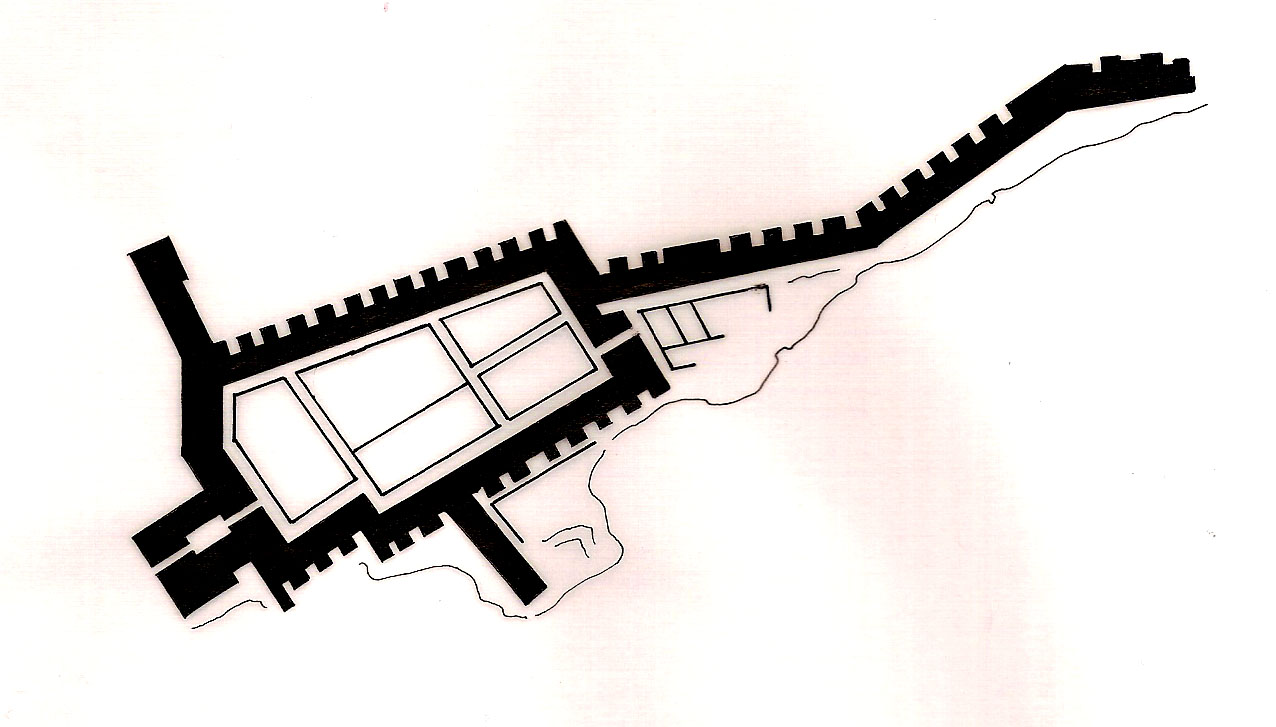
Shalfak, originally known as Waf-Chastiu, is a well-preserved ancient Egyptian fortress located on the western shore of the Second Cataract of the Nile, now part of Lake Nubia in Sudan. Constructed during the Middle Kingdom under Pharaoh Senusret III's reign in the 12th Dynasty, it is part of a strategic network of 17 forts aimed at securing Egypt's southern frontier. The fortress covers an area of approximately 1800 m² and boasts formidable mudbrick walls reaching up to 6 meters in height and 8 meters in thickness. Its design includes three spur walls and an eastern stairway providing river access. Inside, it features a command building, barracks, workshops, storerooms, and a granary laid out in a grid plan. Shalfak's strategic significance and excellent preservation make it a key site for understanding Egypt's military and administrative practices during the Middle Bronze Age.
Gallery
Explore photographs of ancient structures, artifacts, and archaeological excavations
Historical Timeline
Journey through time and discover key events in this site's history
Shalfak Fortress Construction
circa 1878 BCE - circa 1839 BCE
Archaeological Features
Unique architectural and cultural elements found at this historical site
Storage Structures
Defensive Structures
Military Installations
Water Management Features
Industrial and Craft Structures
Frequently Asked Questions
Plan Your Visit
Tours, travel arrangements, and practical information
More Sites in Sudan
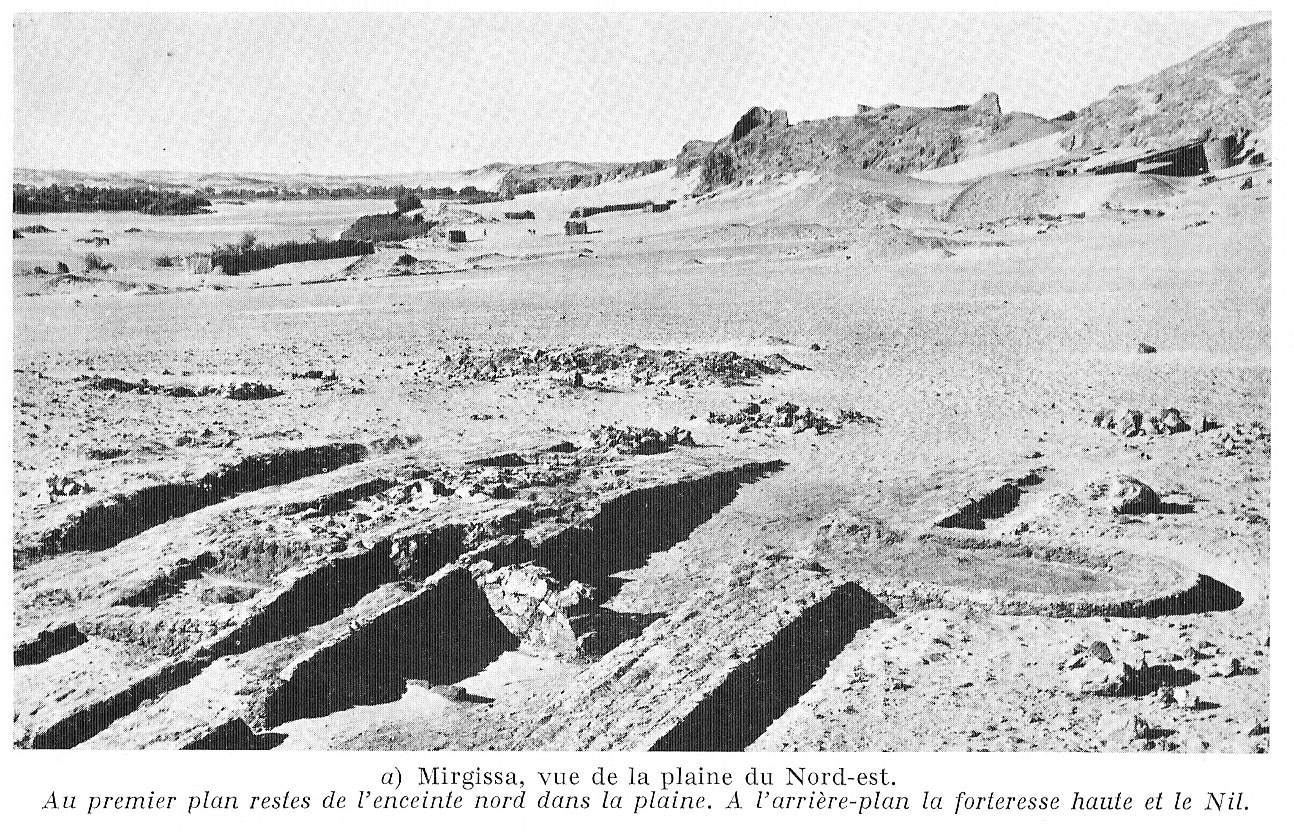
Mirgissa
Fortified Nubian settlement with large fortress.
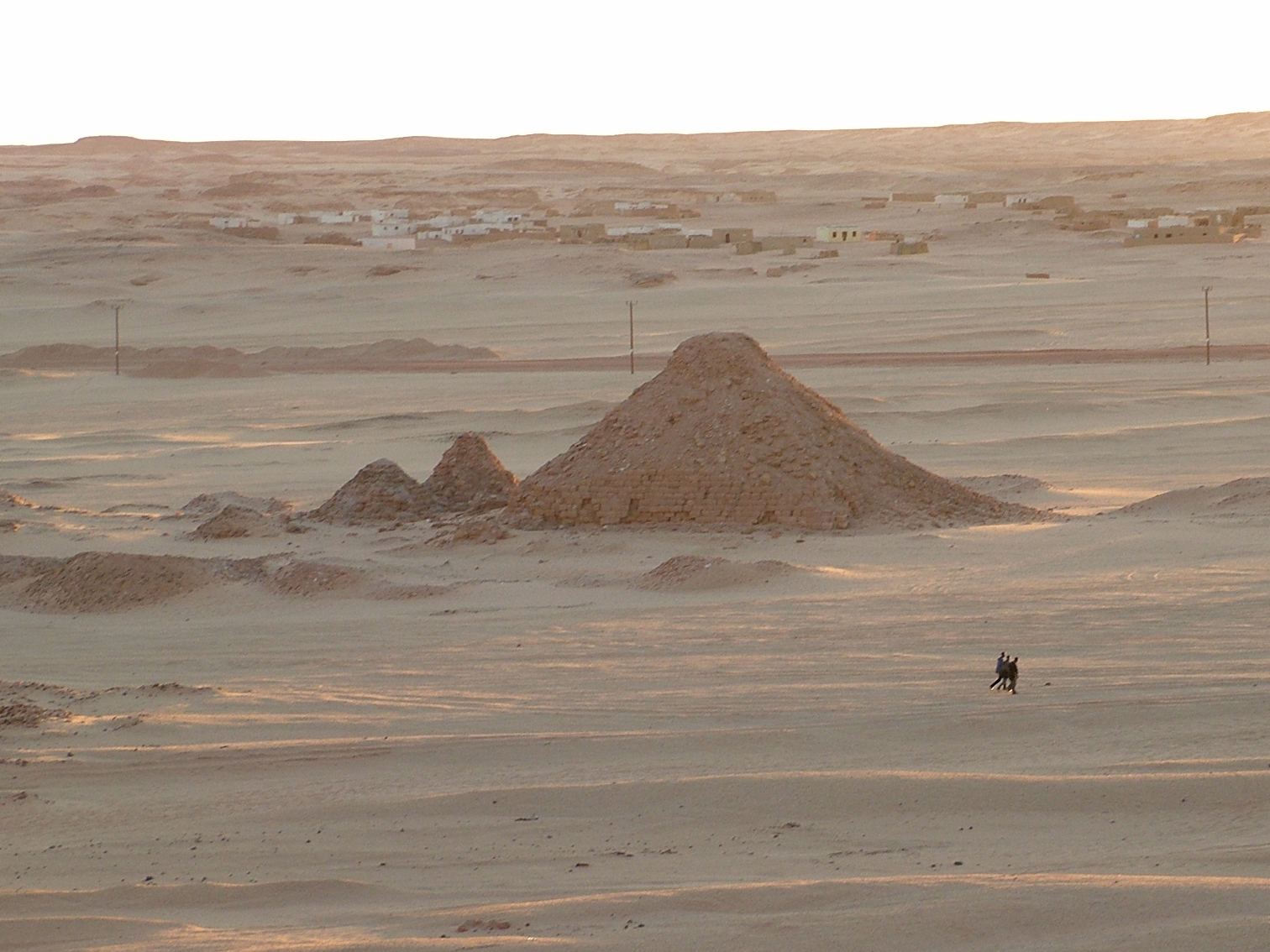
Jebel Barkal
Mesa with temples and pyramids in Sudan.
Debeira
Nubian necropolis and medieval town remains
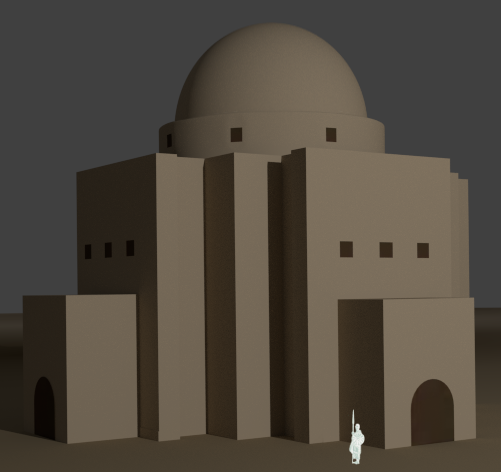
Old Dongola
Deserted medieval Nubian town in Sudan.
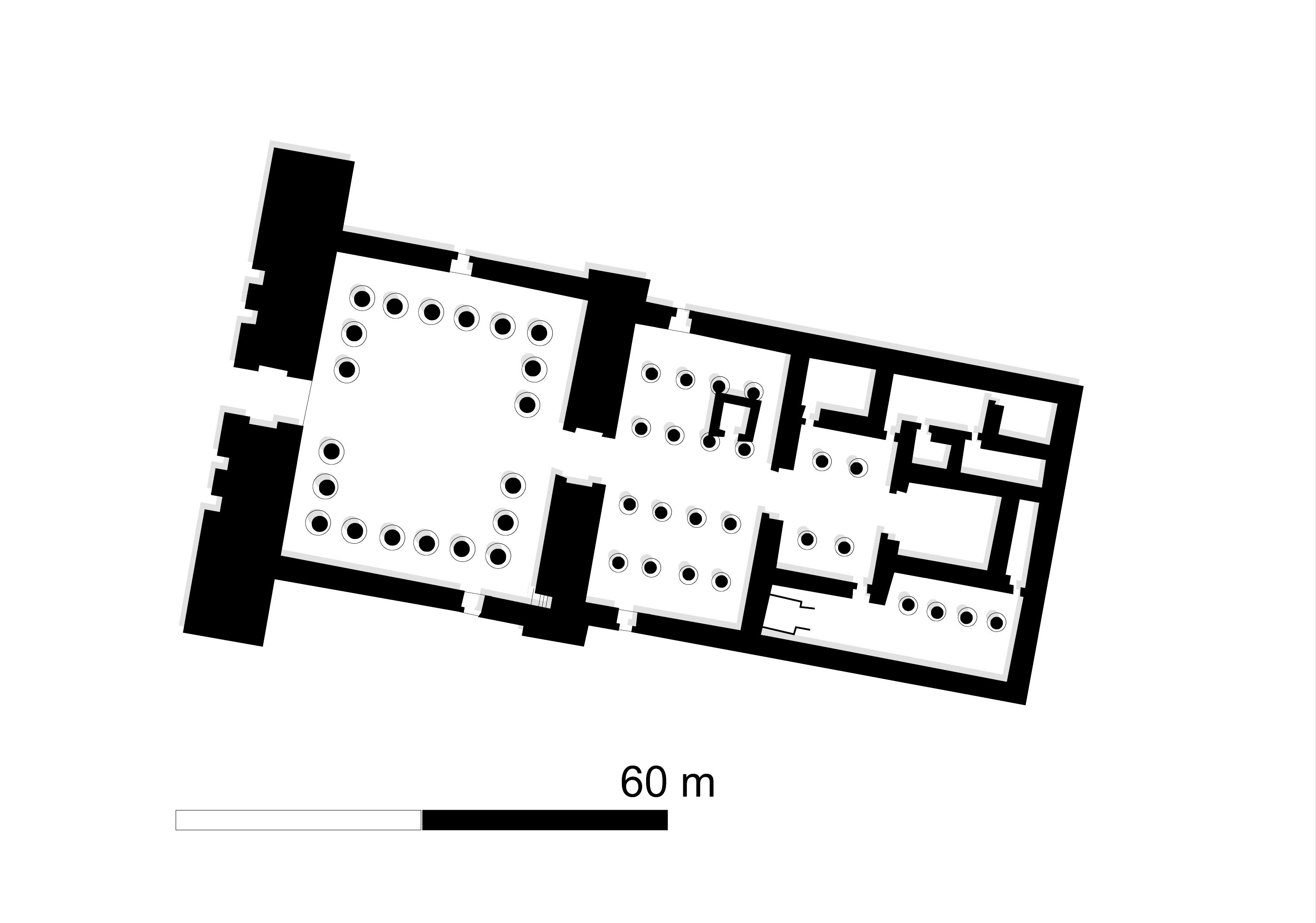
Sanam, Sudan
Napatan Period town with temple and cemetery
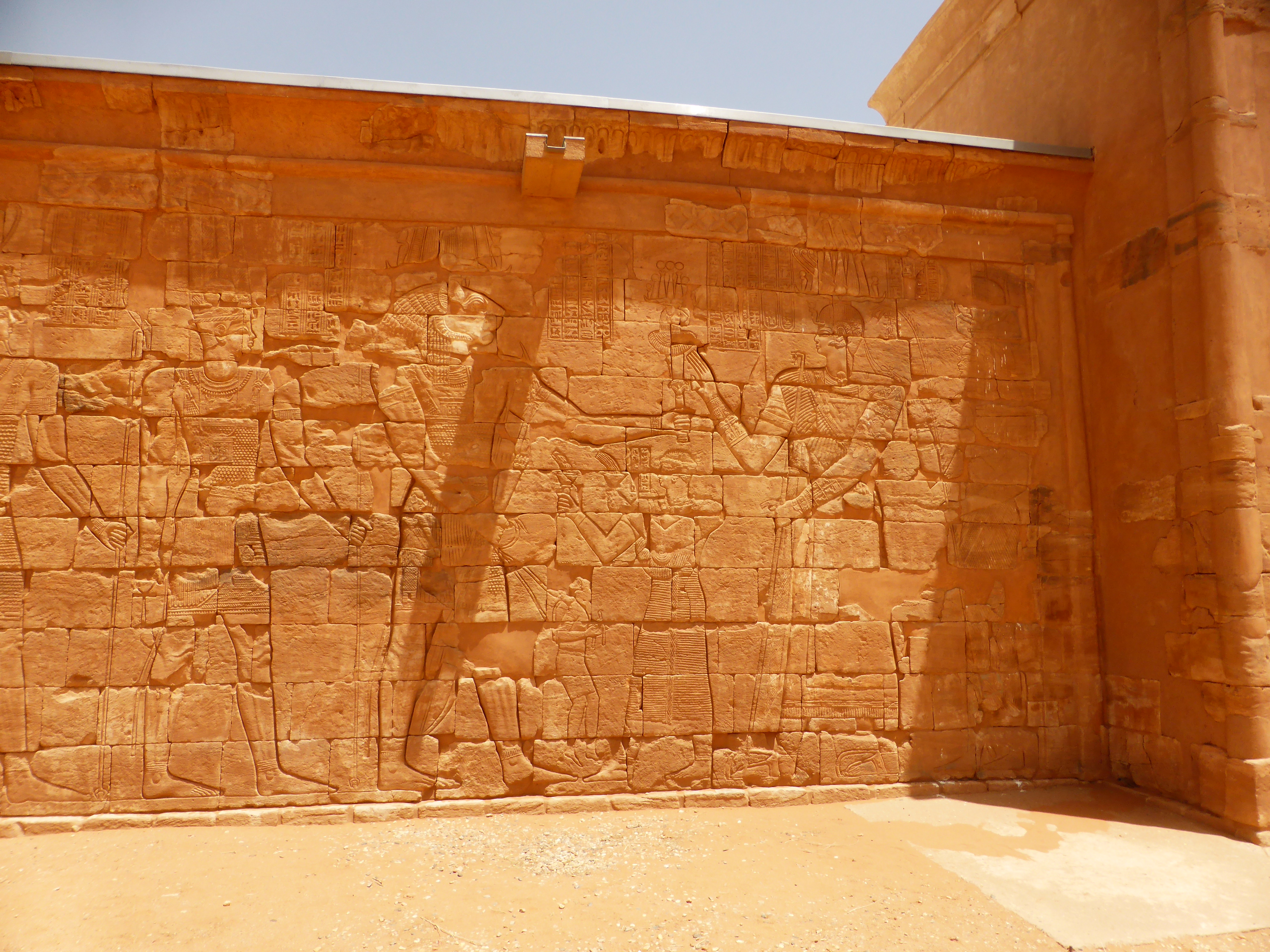
Musawwarat es-Sufra
Large Meroitic temple complex in Sudan