Explore the Map
Kumma (Nubia)
21.5000° N, 30.9667° E
About
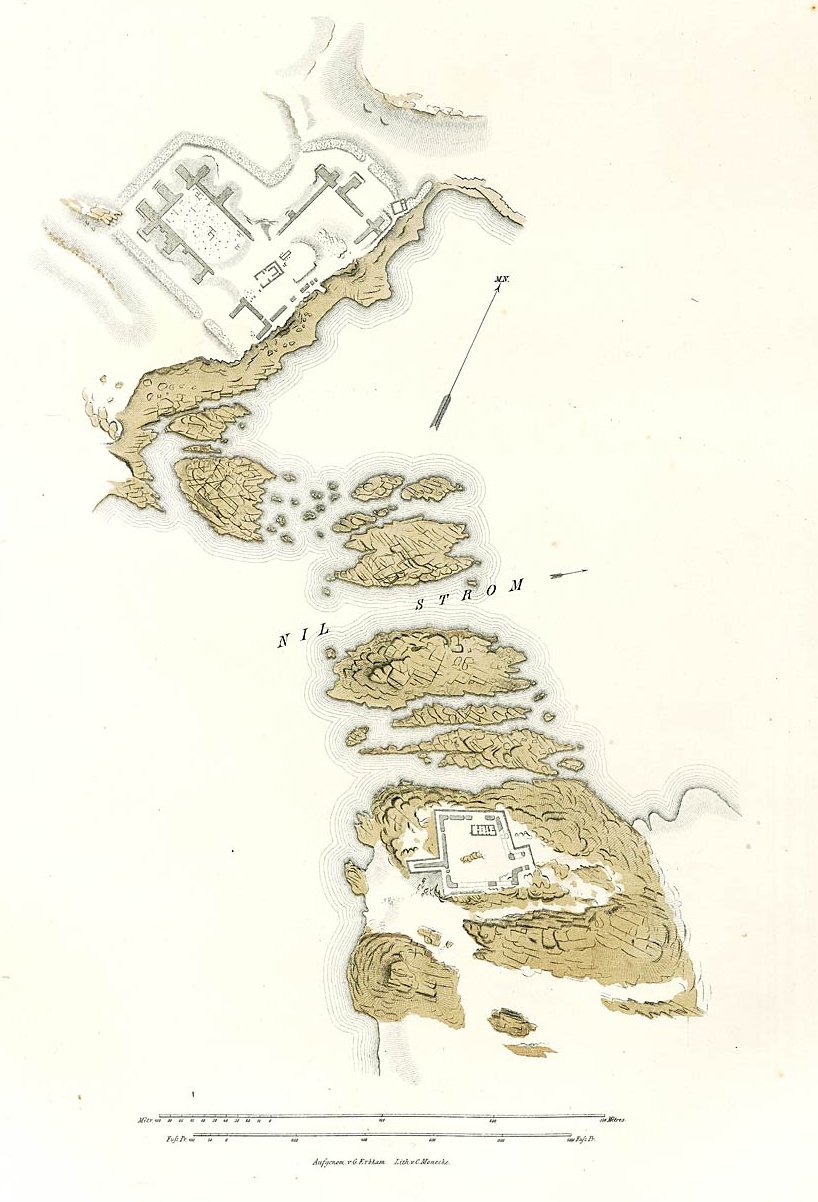
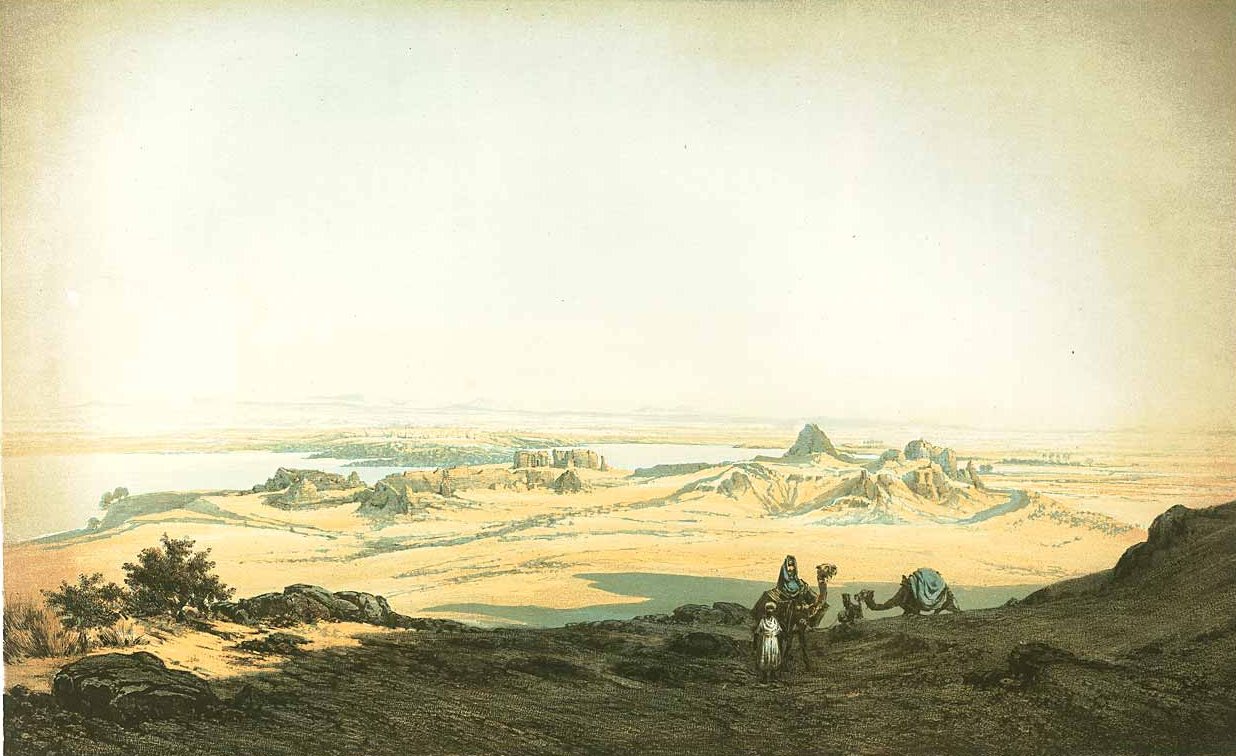
Kumma, also known as Semna East, is an archaeological site in Sudan that features a significant ancient Egyptian fortress. Established around the mid-12th Dynasty of Egypt by Pharaoh Sesostris III, the site played a crucial role in protecting Egypt's southern border in Nubia. Situated approximately 365 kilometers south of Aswan, Kumma is strategically placed near the second cataract of the Nile. The site, along with its counterpart Semna, represents a key part of the defensive network built to secure Egyptian interests in the region. Today, both locations are submerged due to the construction of the Aswan High Dam, but the temple dedicated to the god Khnum from the site has been reconstructed at the National Museum of Sudan in Khartoum. Kumma is a testament to the architectural and strategic prowess of the Middle Kingdom period of ancient Egypt.
Gallery
Explore photographs of ancient structures, artifacts, and archaeological excavations
Historical Timeline
Journey through time and discover key events in this site's history
Construction of Kumma Fortress
circa 1878 BCE - 1839 BCE
Archaeological Features
Unique architectural and cultural elements found at this historical site
Defensive Structures
Religious and Ritual Structures
Frequently Asked Questions
Plan Your Visit
Tours, travel arrangements, and practical information
More Sites in Sudan
Jebel Barkal
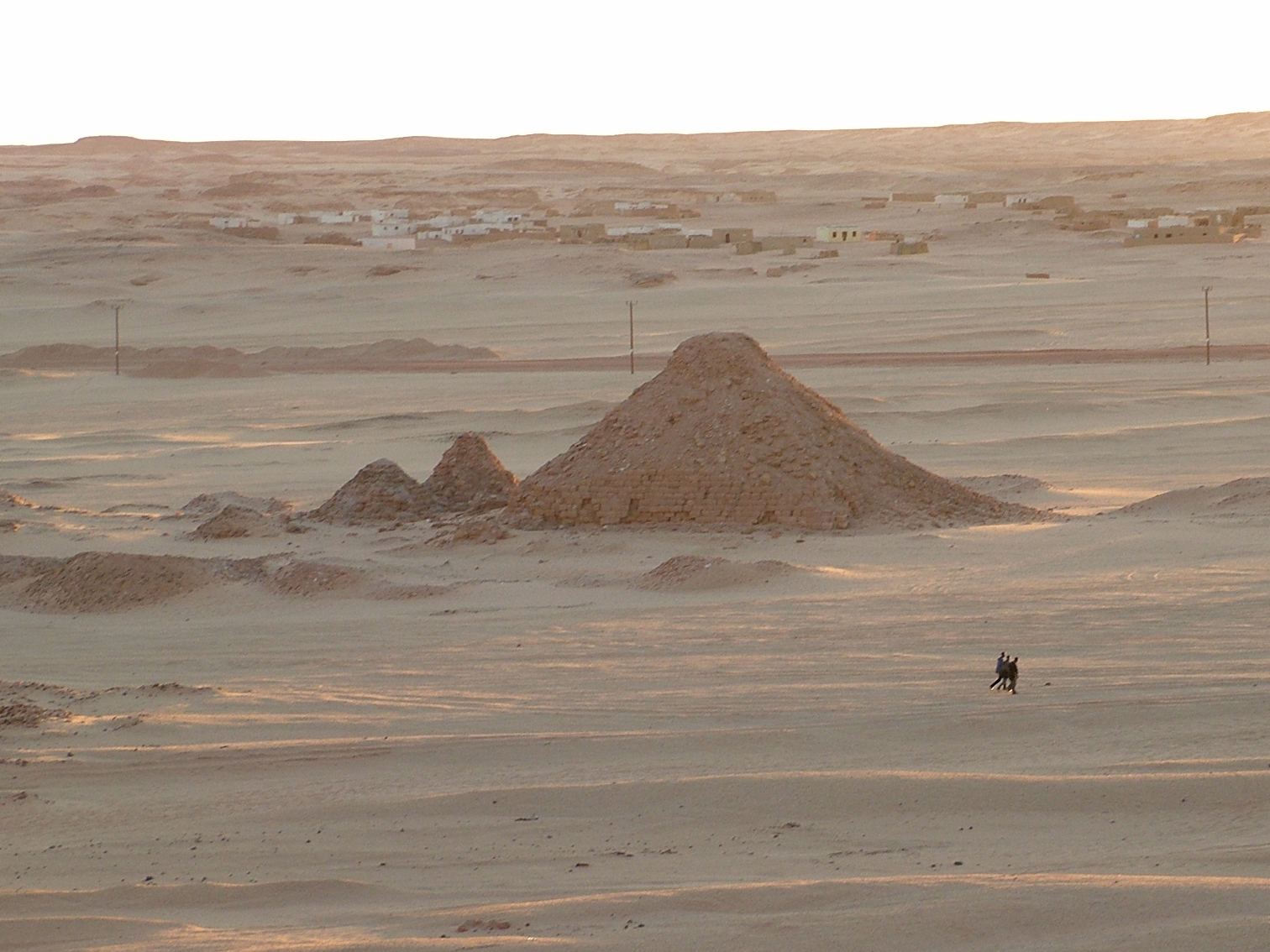
Mesa with temples and pyramids in Sudan.
Mirgissa
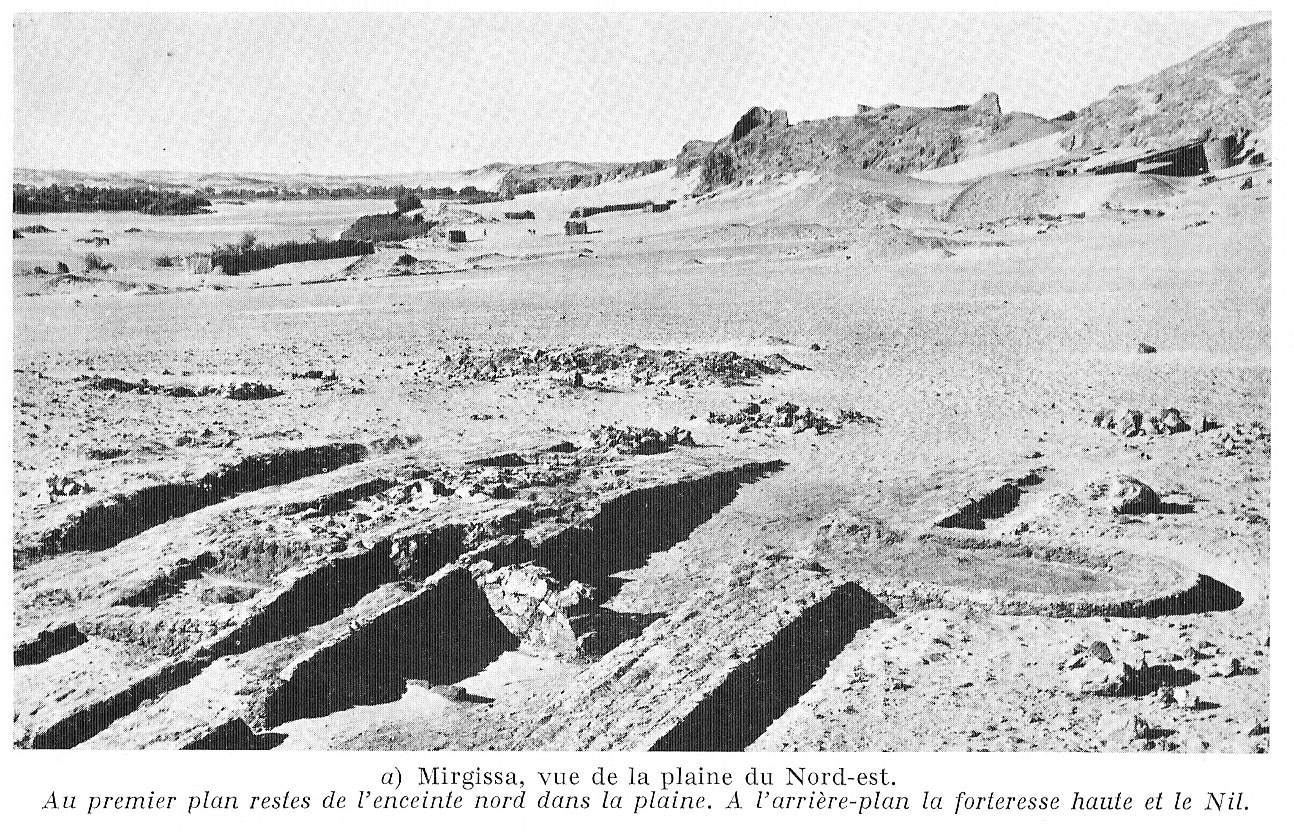
Fortified Nubian settlement with large fortress.
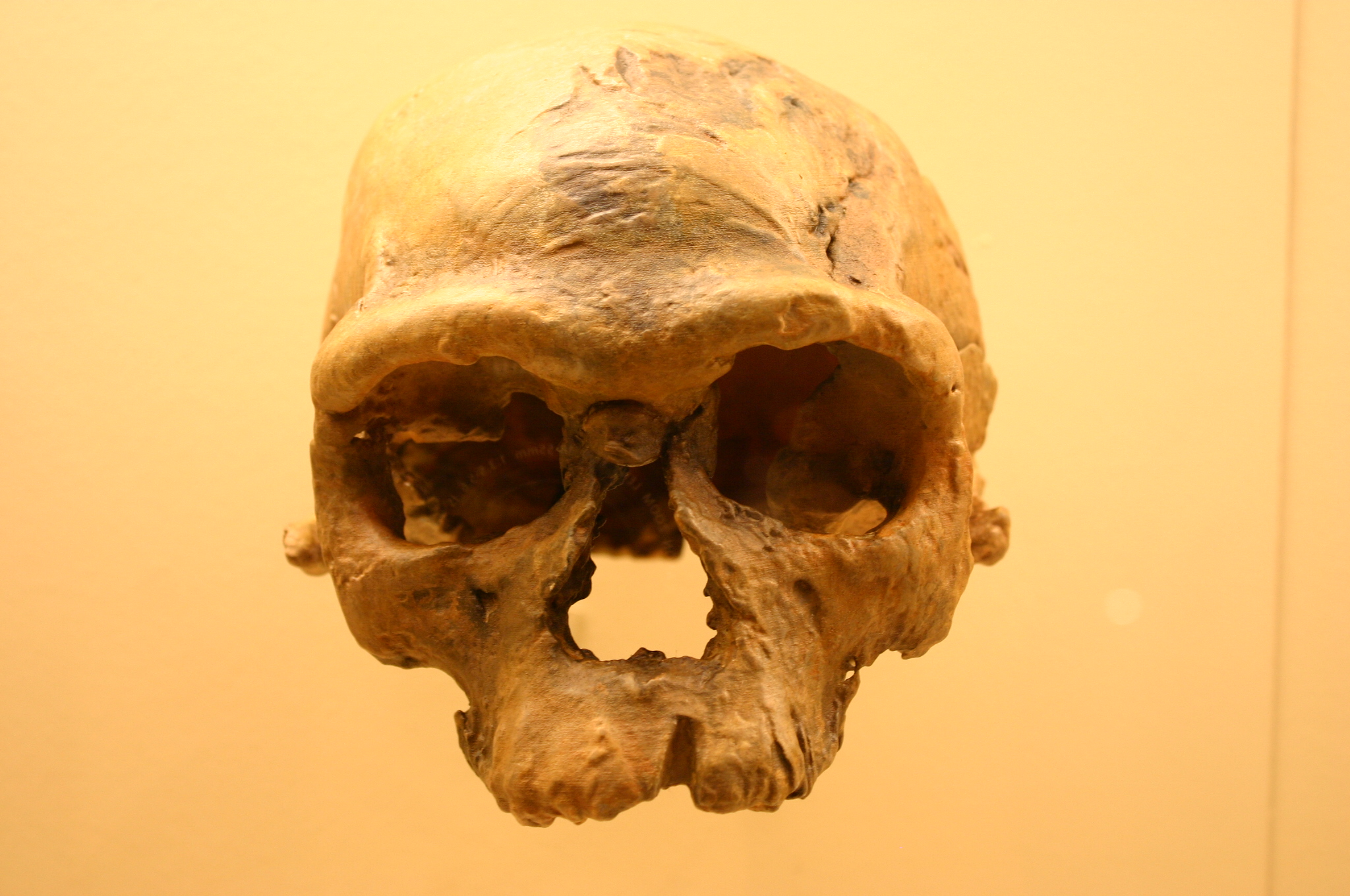
Shalfak
Ancient Egyptian fortress with mudbrick walls
Debeira
Nubian necropolis and medieval town remains
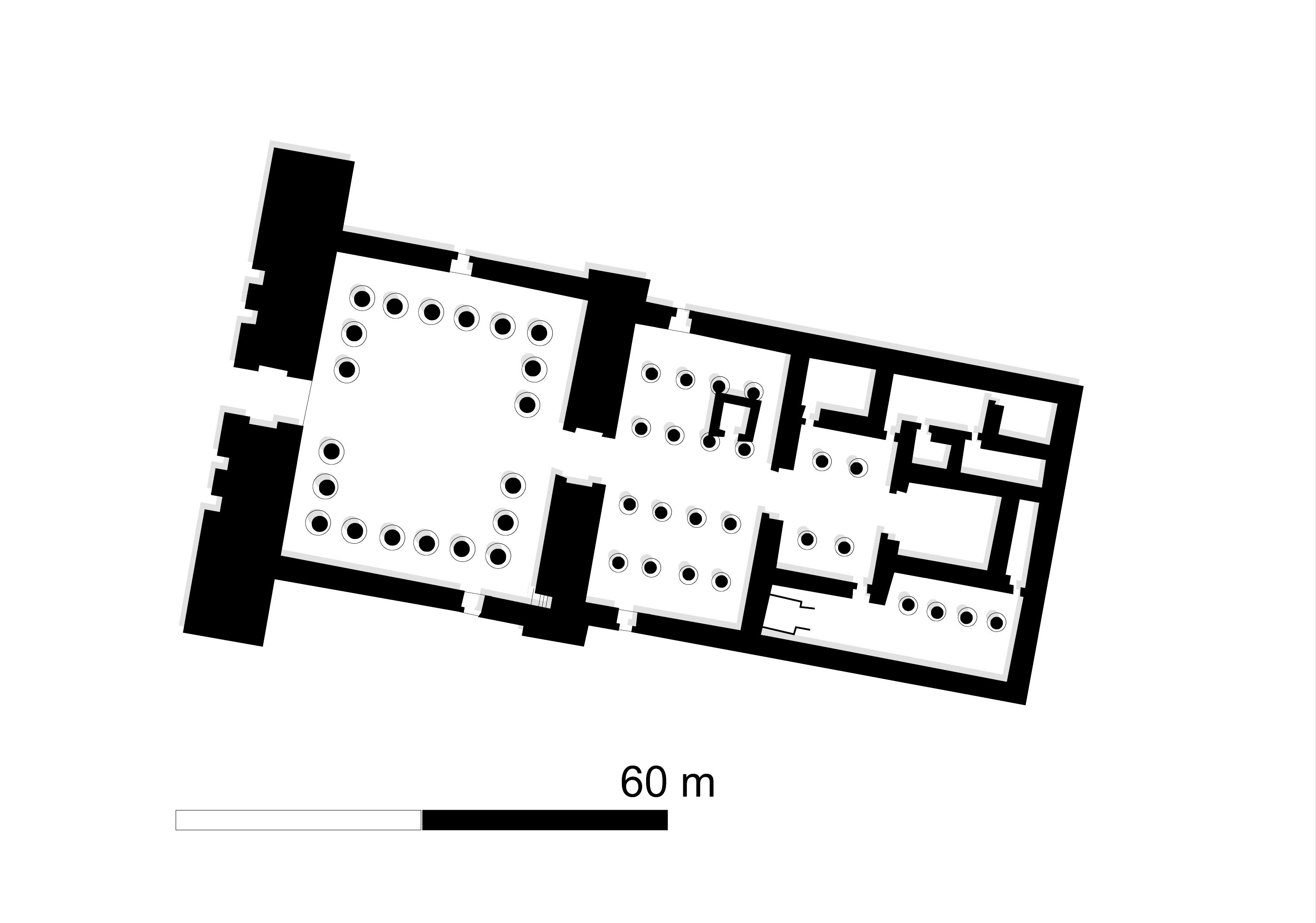
Sanam, Sudan
Napatan Period town with temple and cemetery
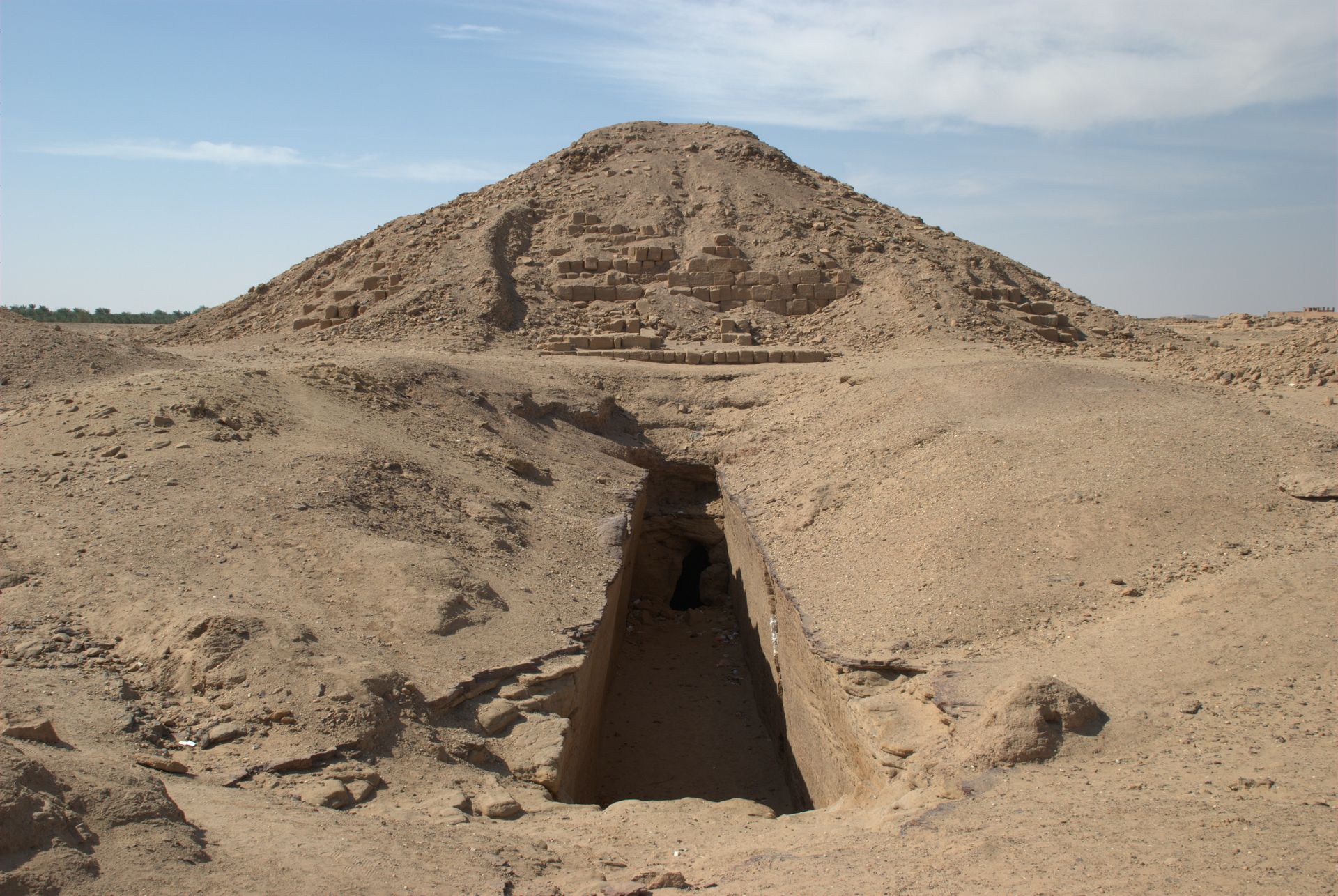
El-Kurru
Nubian pyramids and tombs in Sudan