Explore the Map
Kalai Kafirnigan
37.8974° N, 68.2627° E
About
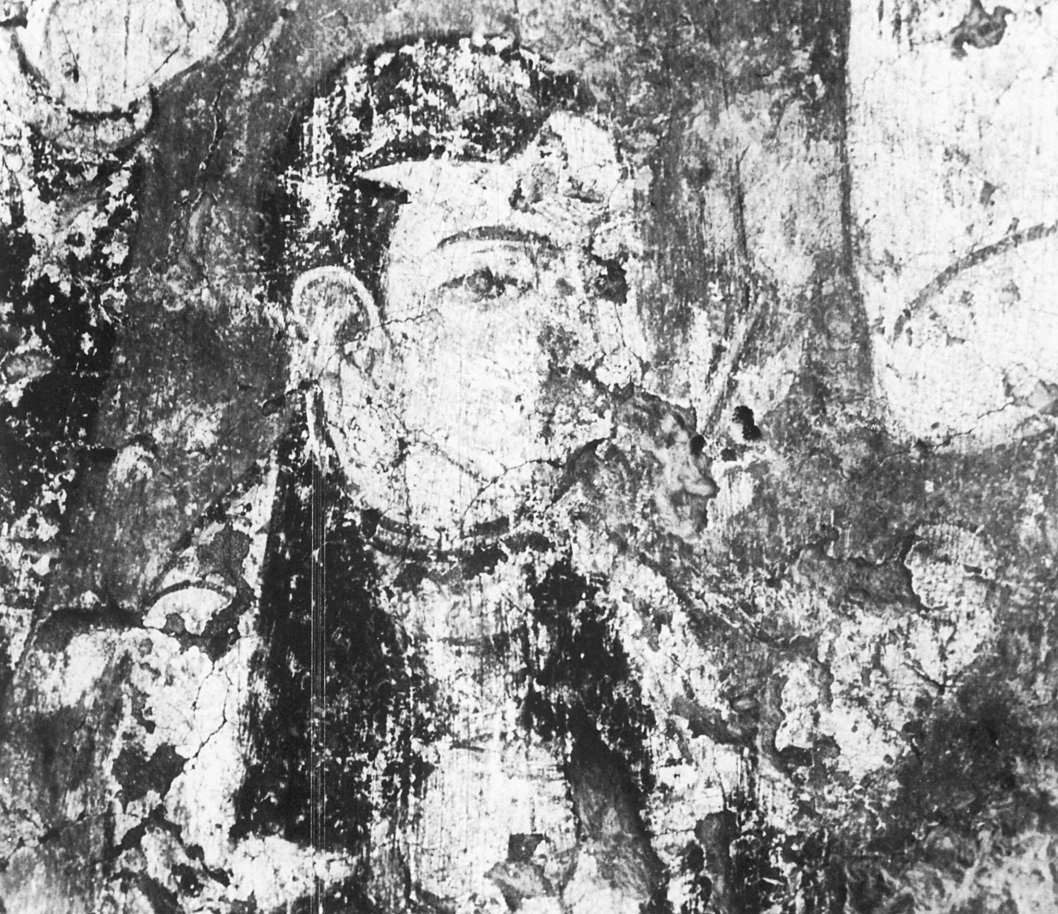
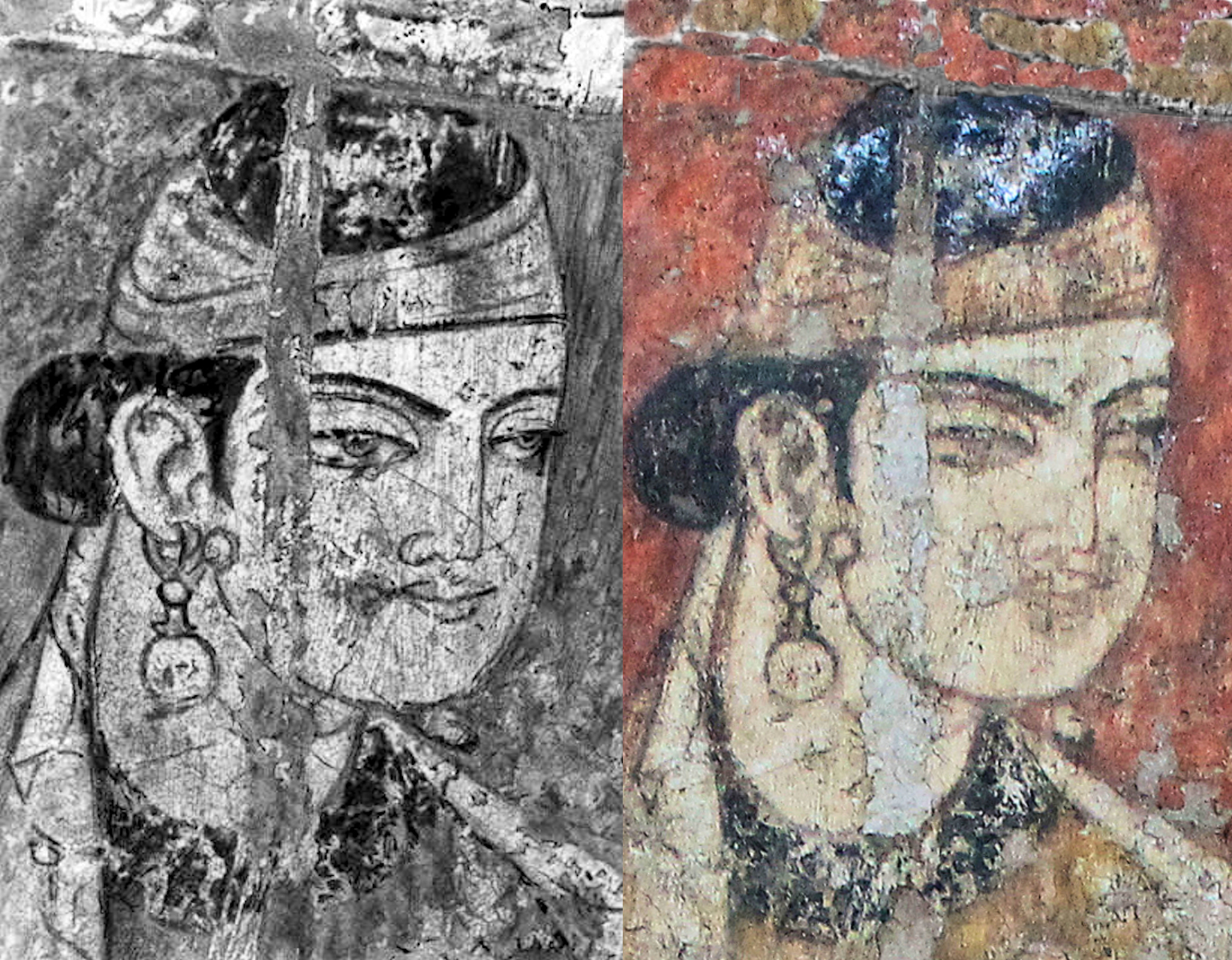
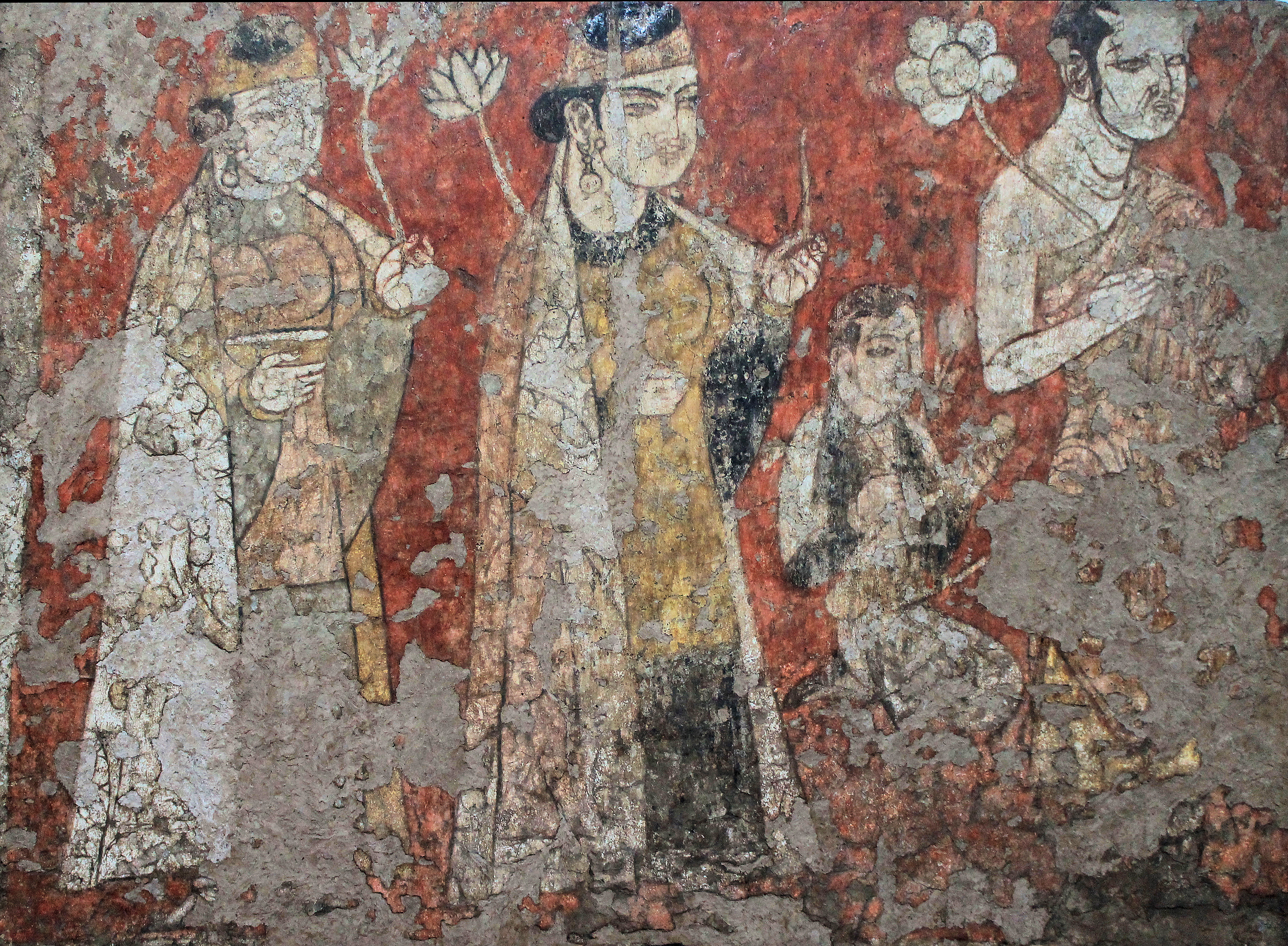
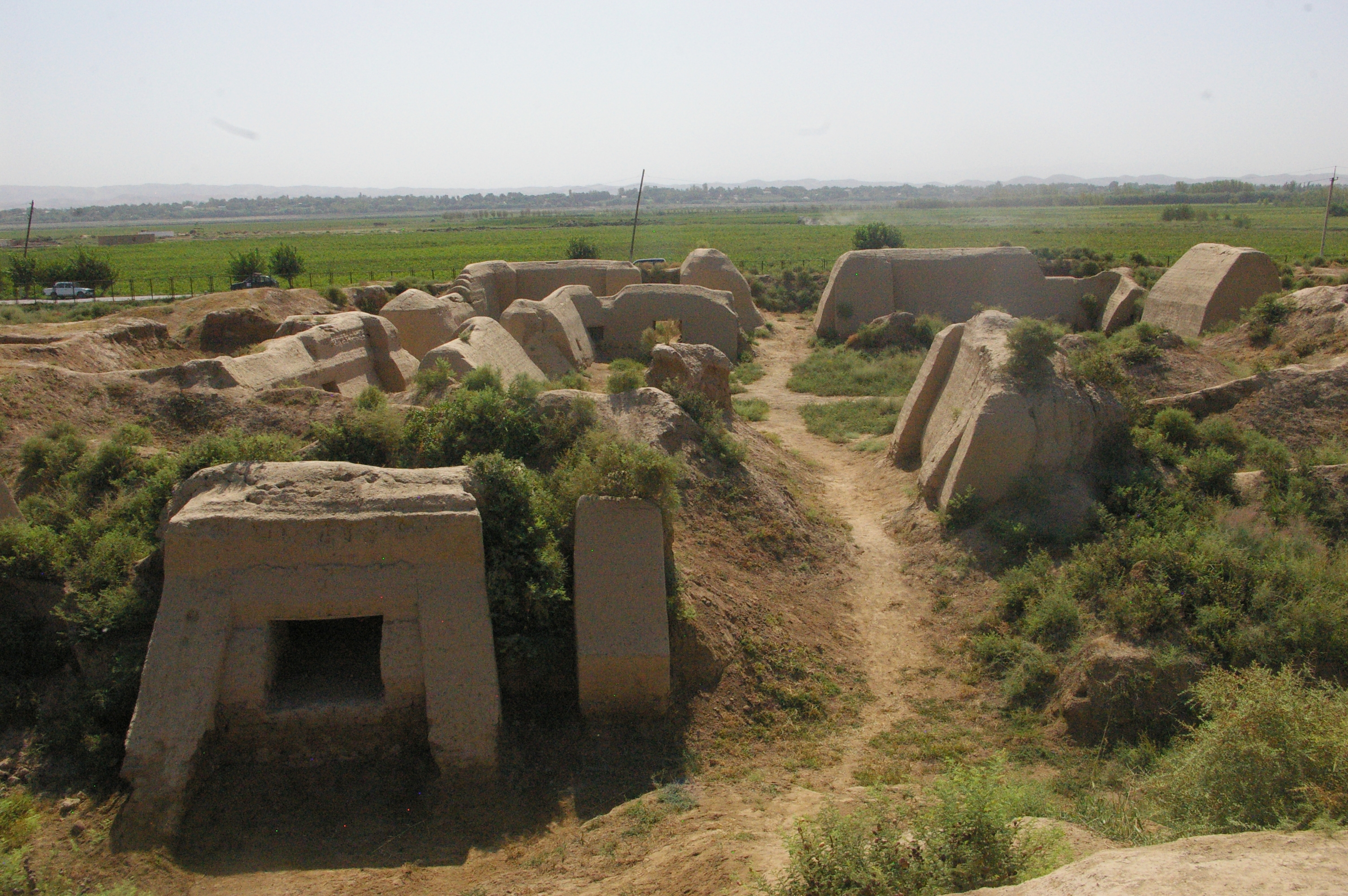
Kalai Kafirnigan, a significant archaeological site in Tokharistan, represents a Buddhist temple dating back to the 7th-8th century CE. This period marks a revival of Buddhism in the region under the influence of the Western Turks, specifically the Tokhara Yabghus. The site is part of a network of Buddhist monasteries in Tokharistan, displaying exquisite works of Buddhist art that reflect the prominence of Hinayana Buddhism among the Turkic nobility and local populations. The temple is characterized by its religious and ritual structures, adorned with statues and murals, showcasing the artistic and cultural richness of the era. Kalai Kafirnigan is a testament to the historical and cultural interactions between Buddhist traditions and Turkic influences in Central Asia.
Gallery
Explore photographs of ancient structures, artifacts, and archaeological excavations
Historical Timeline
Journey through time and discover key events in this site's history
Buddhist Temple Construction
7th-8th century CE
Revival of Buddhism under Western Turks
7th century CE
Archaeological Features
Unique architectural and cultural elements found at this historical site
Religious and Ritual Structures
Artistic and Decorative Features
Plan Your Visit
Tours, travel arrangements, and practical information
More Sites in Tajikistan
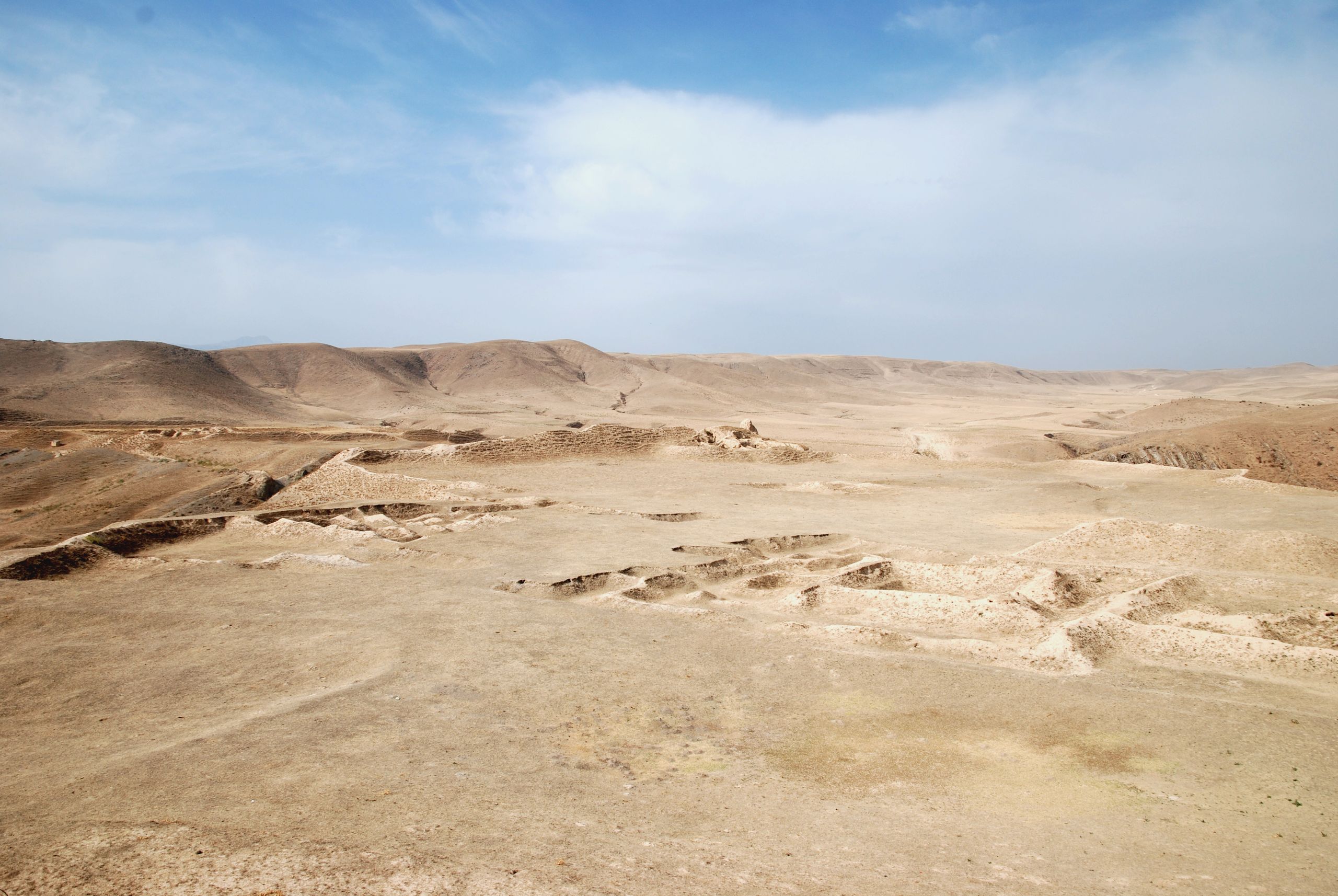
Bunjikat (archeological site)
Ancient capital with fortresses and art
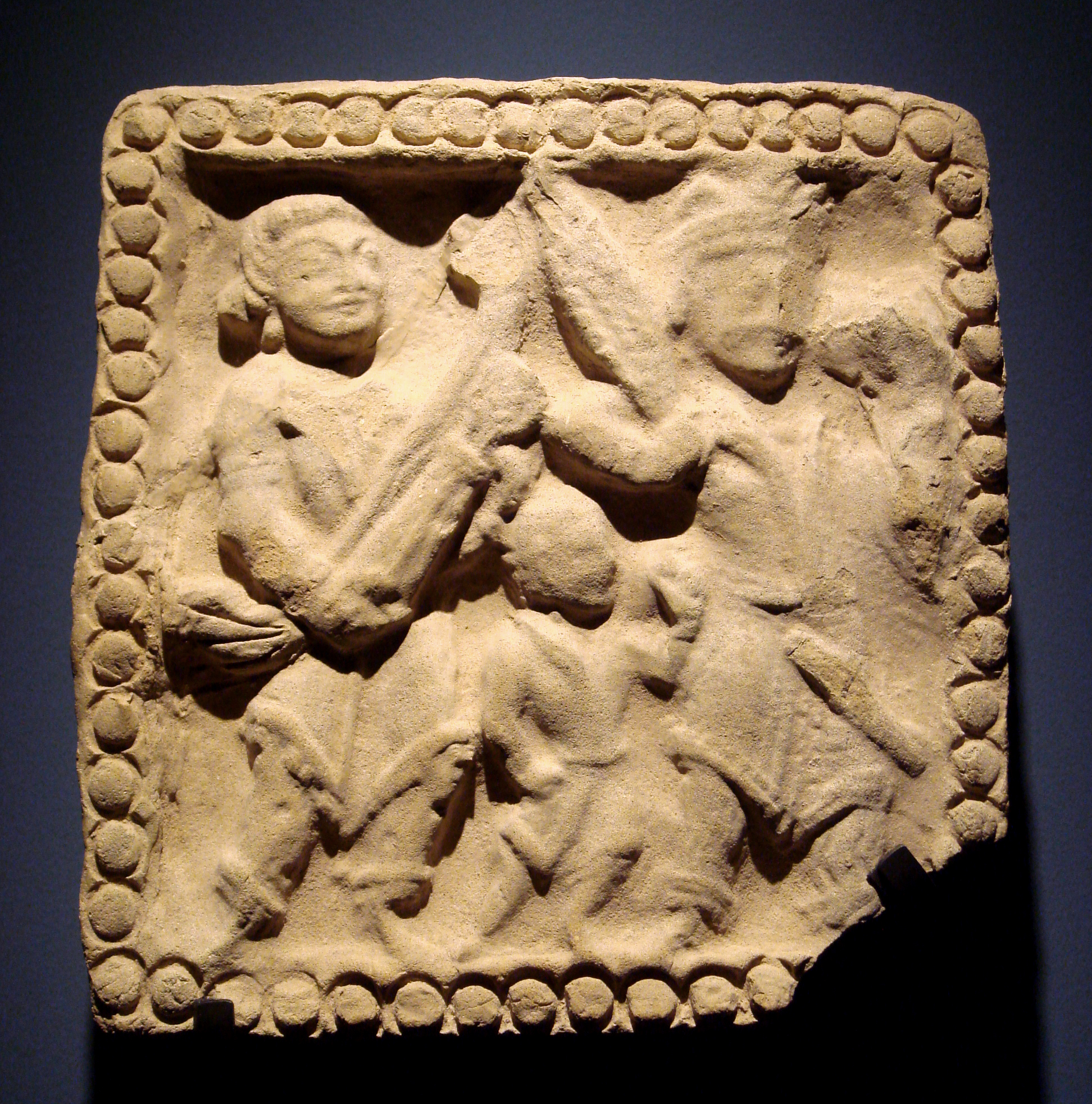
Ajina Tepe
Buddhist monastery cluster with artistic works
Kafir-kala (Tajikistan)
Ancient fortress with Buddhist temple remains.
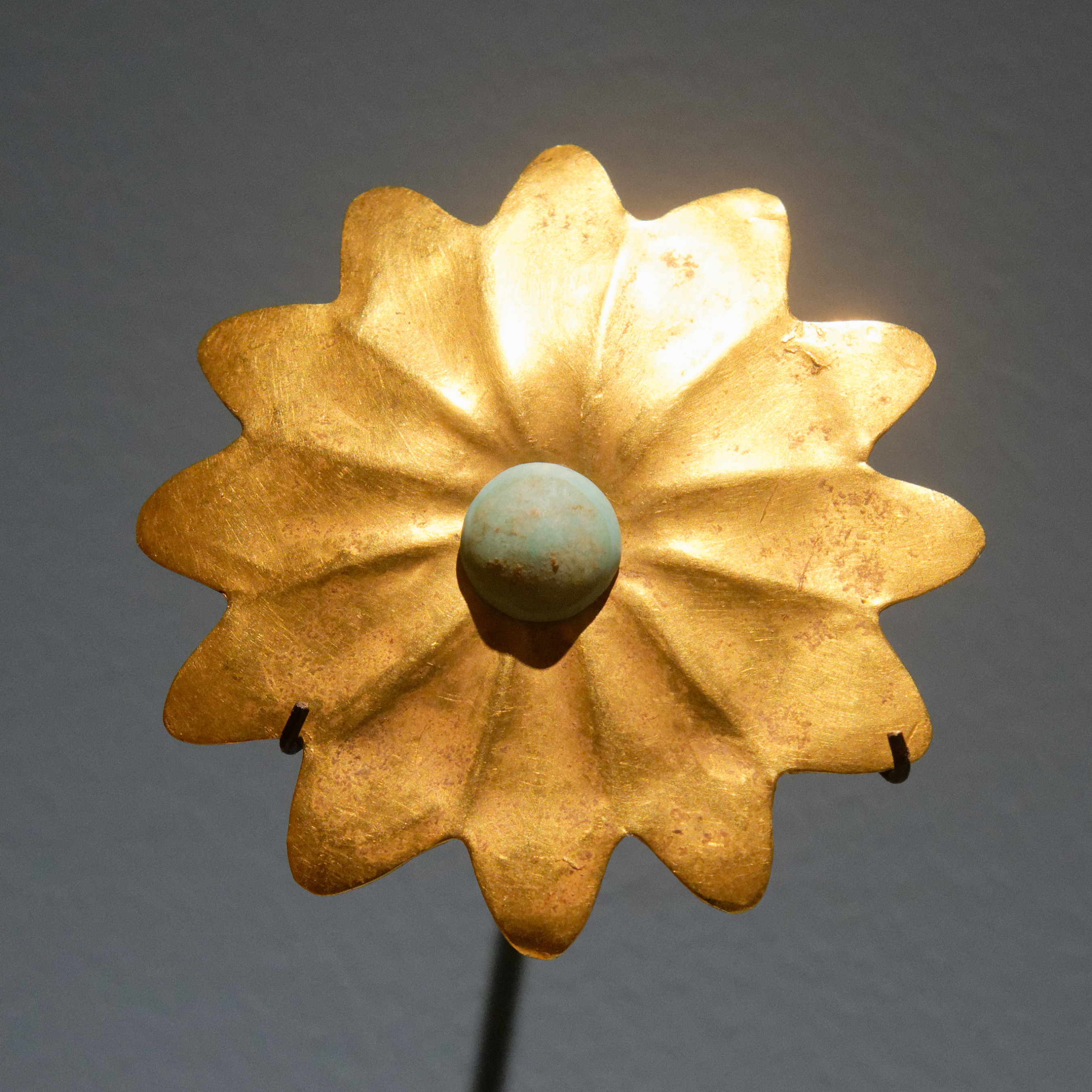
Sarazm
Proto-historical agricultural settlement in Tajikistan
Silk Roads: Zarafshan-Karakum Corridor
The Zarafshan-Karakum Corridor is a key section of the Silk Roads in Central Asia that connects other corridors from all directions. Located in rugged…
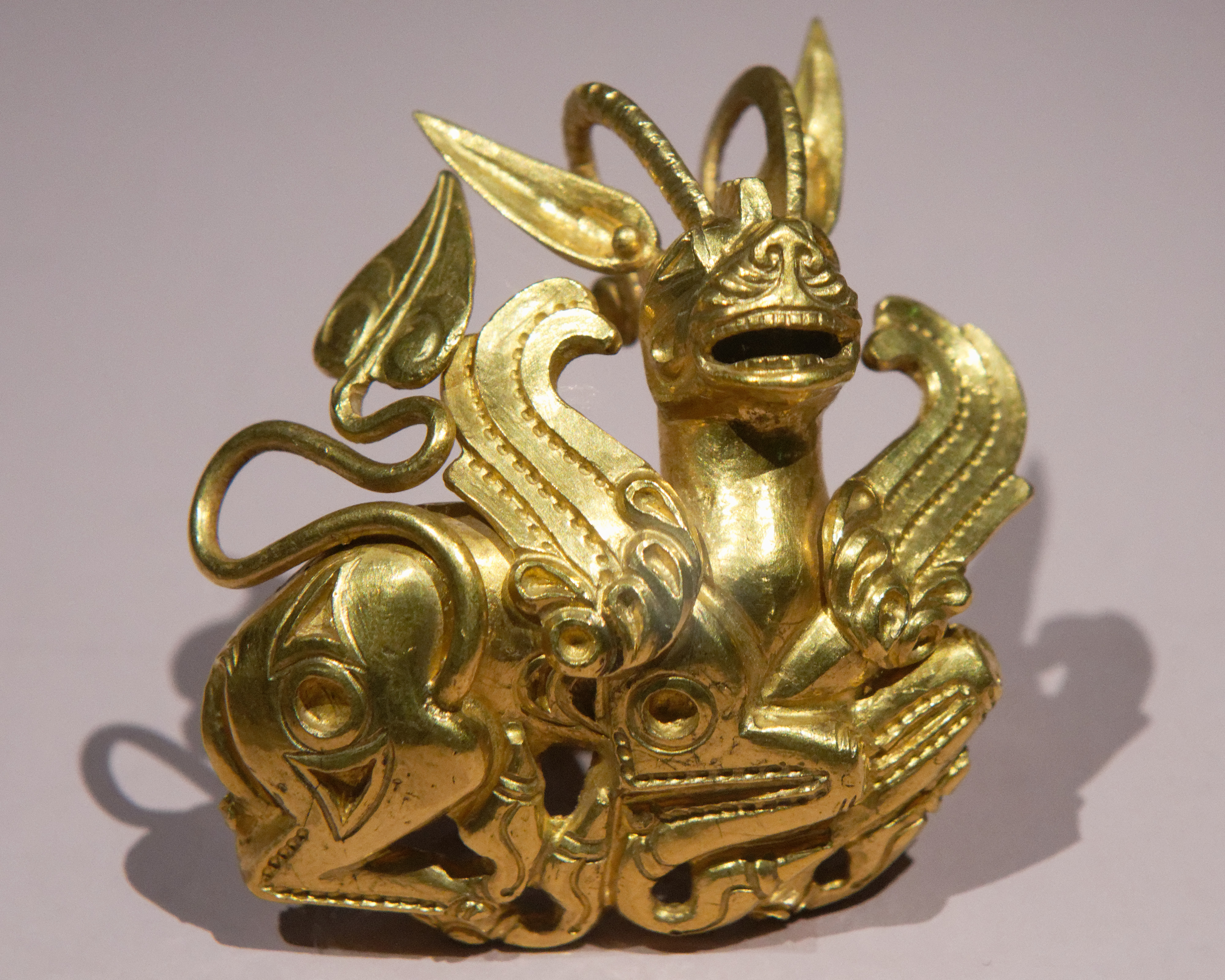
Takht-i Kuwad
Ancient fort site, Oxus Treasure origin