Explore the Map
Jumeirah Archaeological Site
25.1968° N, 55.2418° E
About
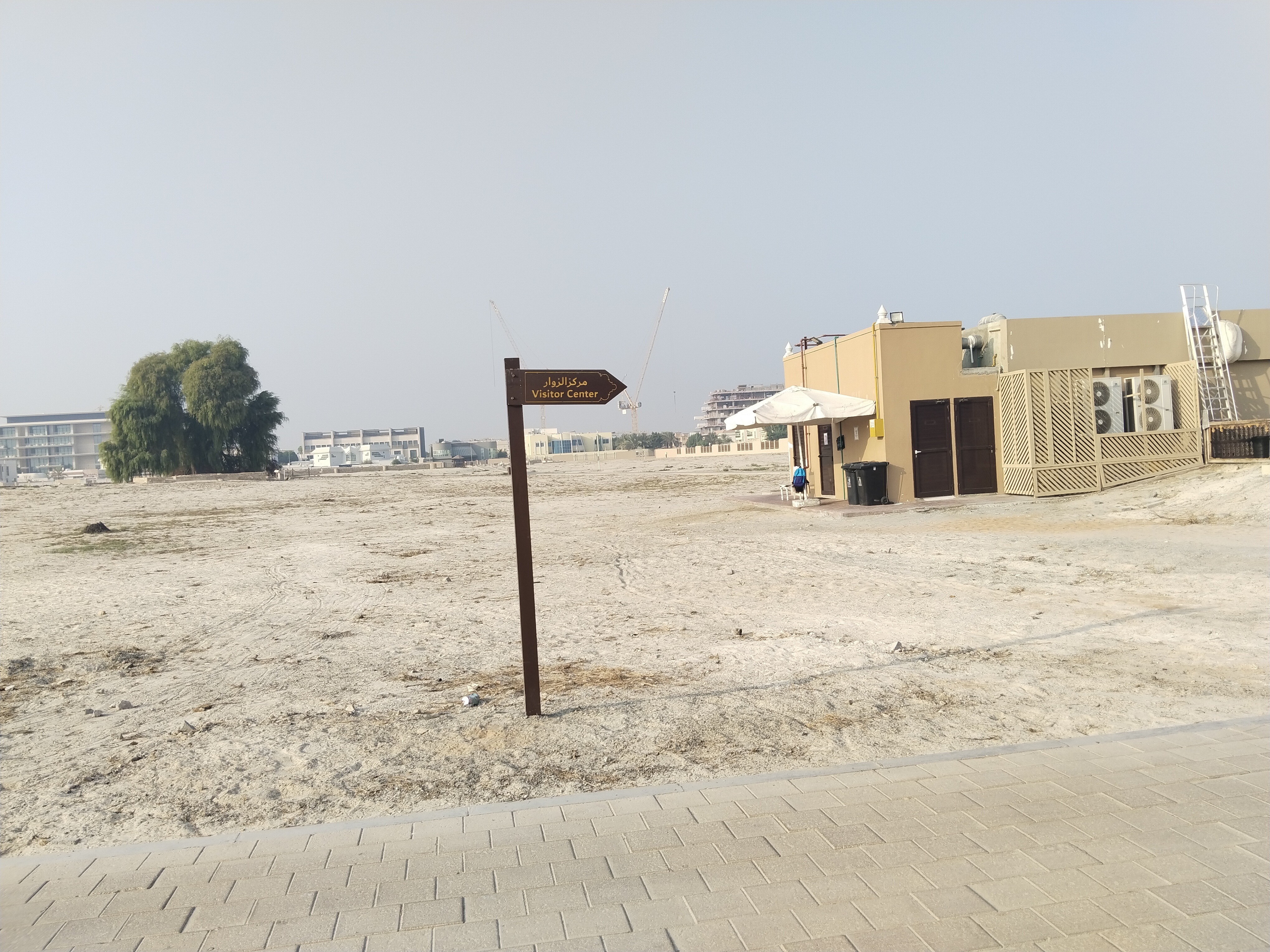
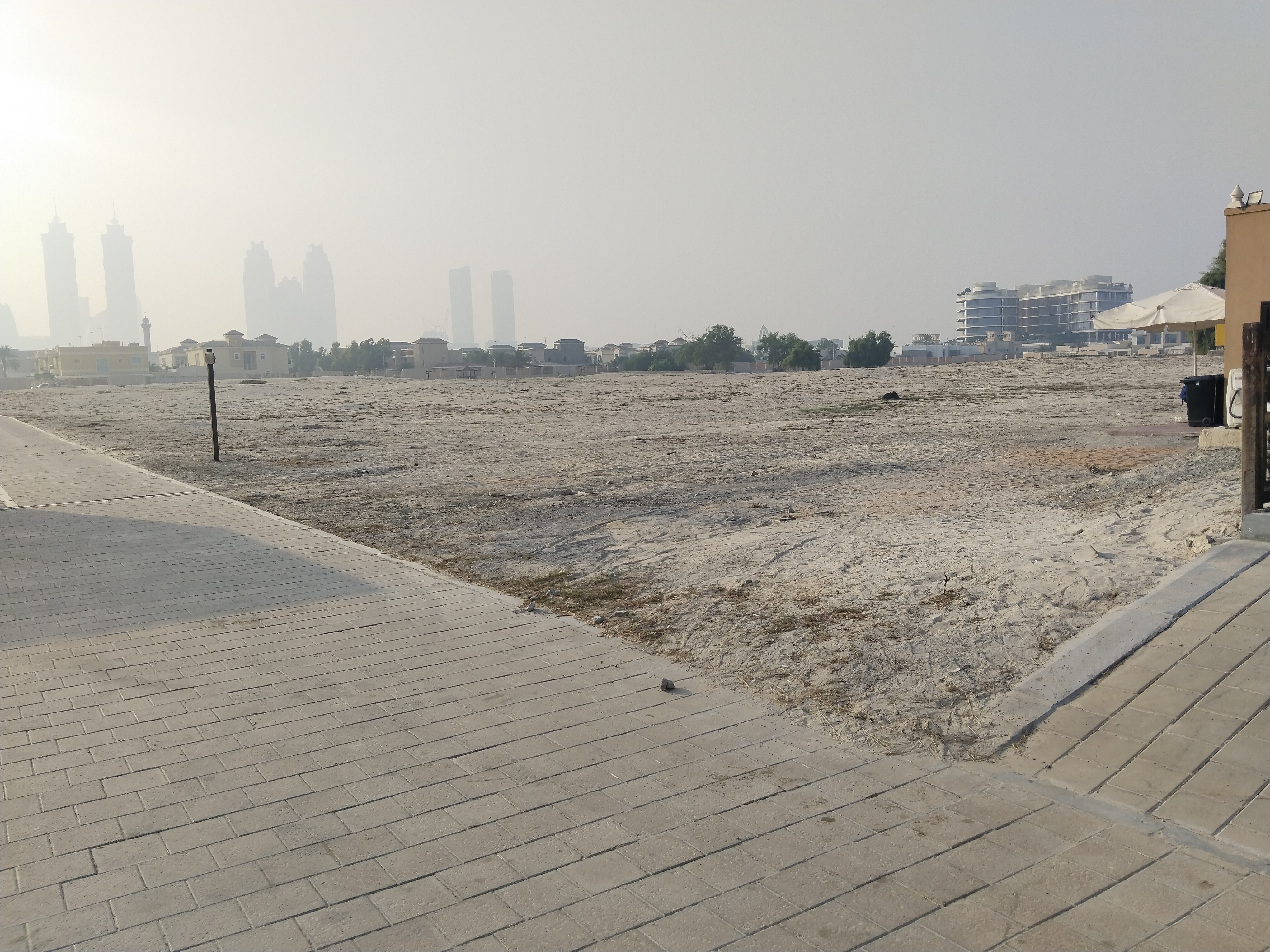
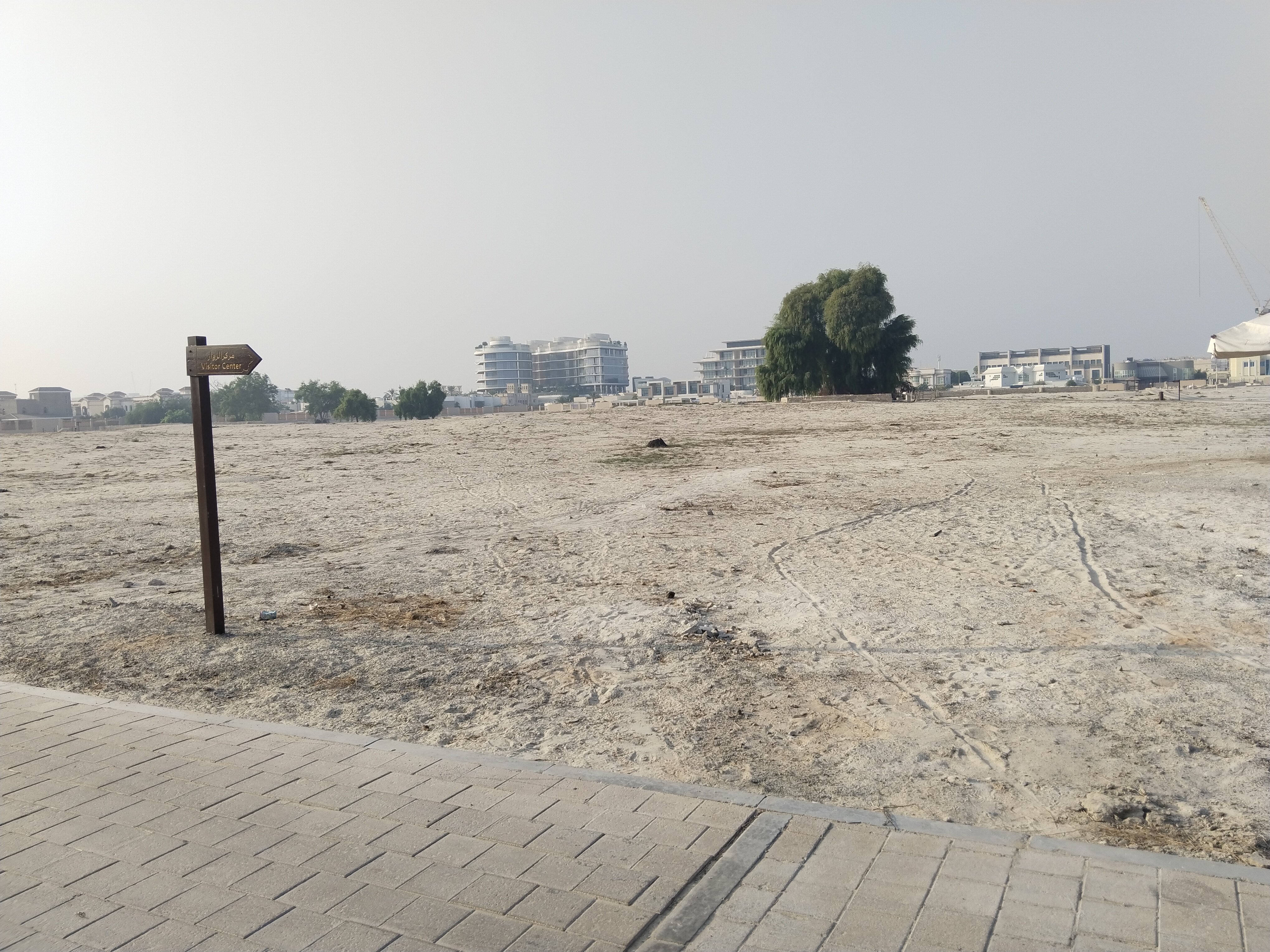
The Jumeirah Archaeological Site, situated in the district of Jumeirah in Dubai, United Arab Emirates, is a significant remnant of the Abbasid period, dating back to the 9th and 10th centuries CE. The site spans approximately 80,000 square meters and was part of a coastal route connecting India, China, Oman, and Iraq. Excavations have revealed a variety of structures including a mosque, caravanserai, and residential houses, along with numerous artefacts such as glazed pottery, bronze coins, and glass and stone items. These findings provide valuable insights into the architectural and cultural practices of the time, underscoring the site's importance as a center of trade and habitation during the early Post-Classical period.
Gallery
Explore photographs of ancient structures, artifacts, and archaeological excavations
Historical Timeline
Journey through time and discover key events in this site's history
Abbasid Occupation
10th century CE
Archaeological Features
Unique architectural and cultural elements found at this historical site
Storage Structures
Religious and Ritual Structures
Artistic and Decorative Features
Domestic and Habitation Structures
Transportation and Communication Structures
Frequently Asked Questions
Plan Your Visit
Tours, travel arrangements, and practical information


More Sites in the United Arab Emirates
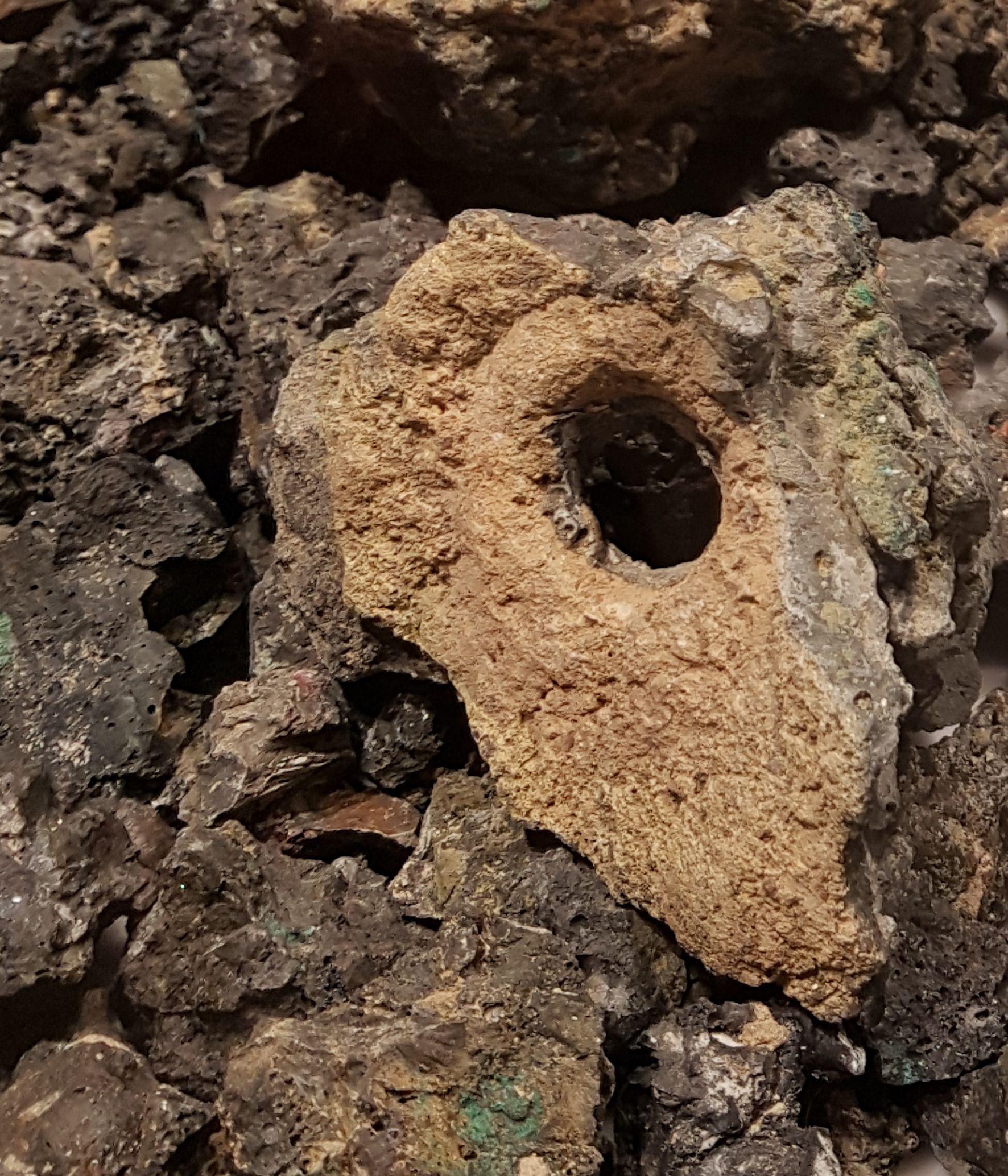
Saruq Al Hadid
Desert metallurgy and trade hub.
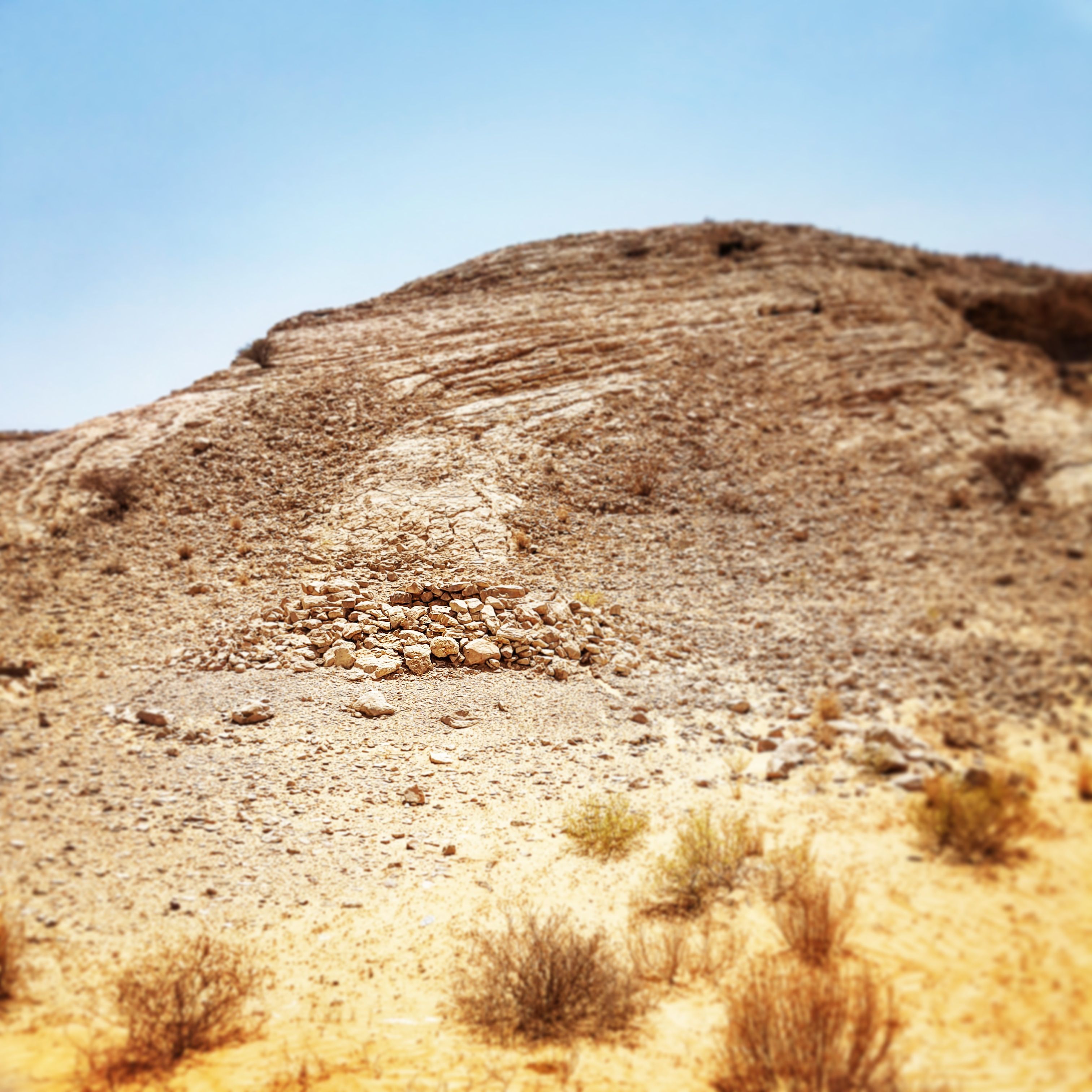
Bidaa Bint Saud
Hafit tombs, Iron Age irrigation, settlement.
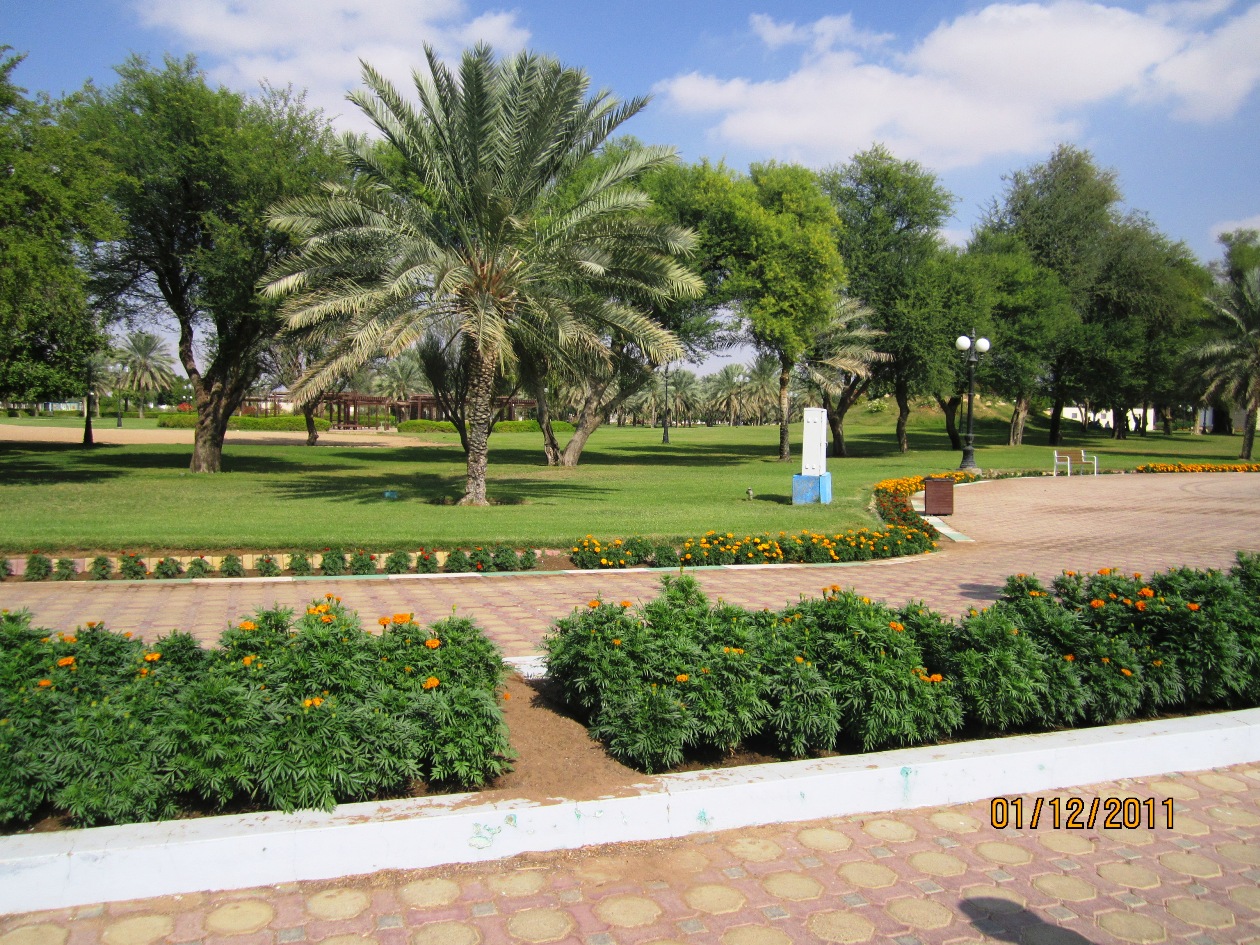
Hili Archaeological Park
Bronze Age site with tombs and falaj
Muweilah
Iron Age fortified settlement with extensive trade.

Mleiha Archaeological Centre
Ancient settlement with tombs and fortifications
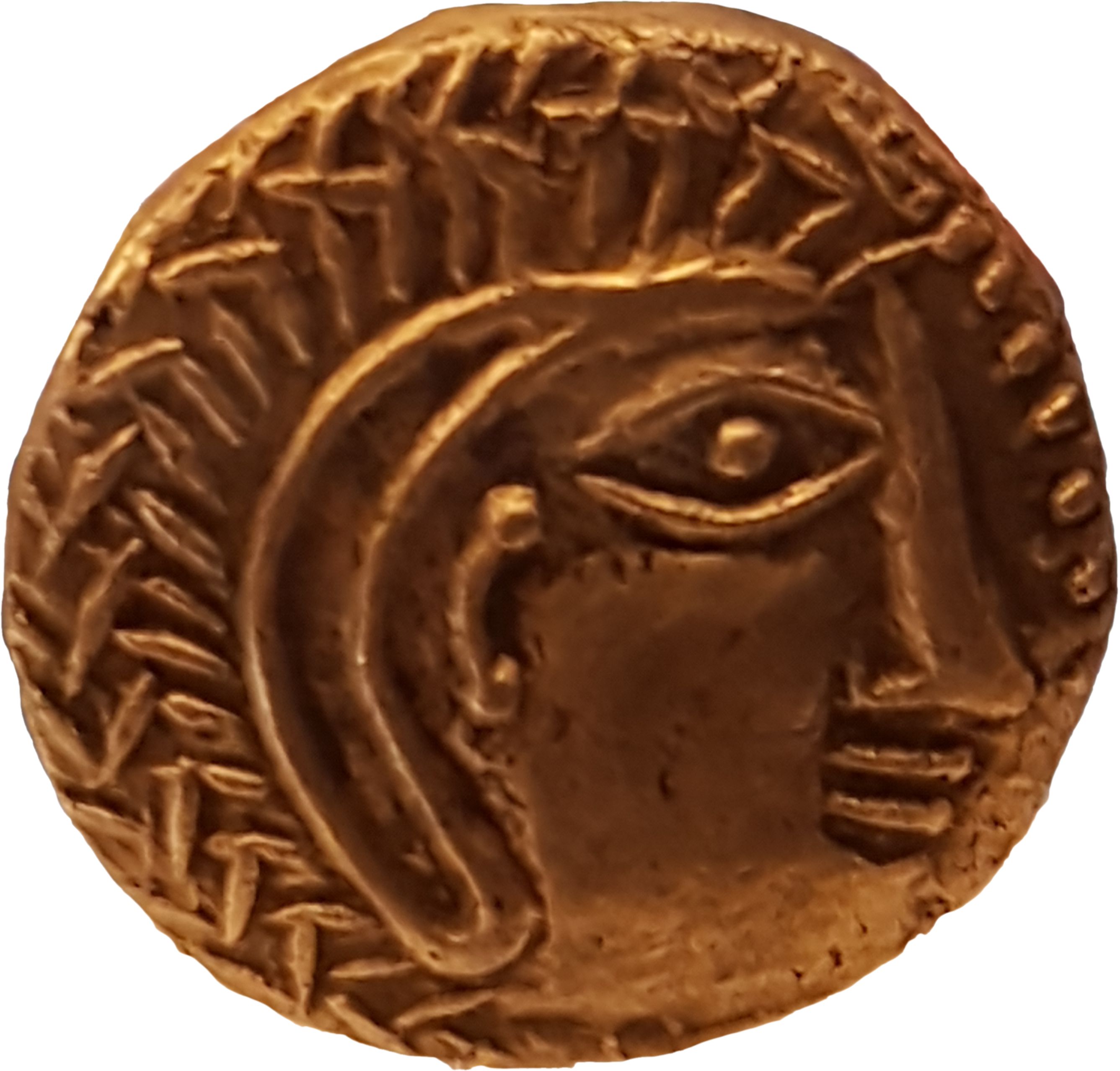
Ed Dur
Ancient coastal city with significant trade links