Explore the Map
Hallan Çemi
38.2242° N, 41.2417° E
About
Hallan Çemi is a Protoneolithic site in south-eastern Anatolia which was discovered in 1989 and is believed to be more than 11,000 years old (founded c. 9500 BC). Tools were made from flint and obsidian. There is evidence of malachite, a copper ore, being imported and suggesting the existence of a trading network. Staples included lentils, almonds and pistachios. Whereas sheep and goat were usually the first animals to be kept as livestock by Near East communities, it appears that Hallan Çemi began with pigs.
Historical Timeline
Journey through time and discover key events in this site's history
Radiocarbon dating
c. 11,700–11,270 BP
Major excavations
1990–1994
Discovery during dam surveys
1990
Estimated founding
c. 9500 BC
Archaeological Features
Unique architectural and cultural elements found at this historical site
Industrial and Craft Structures
Artistic and Decorative Features
Domestic and Habitation Structures
Environmental and Natural Features
Food Production and Processing Features
Frequently Asked Questions
Plan Your Visit
Tours, travel arrangements, and practical information
More Sites in Turkey
Boncuklu Höyük
Neolithic tell in Central Anatolia, Turkey
Çadır Höyük
Artificial mound settlement in Yozgat Province, Turkey
Carchemish
Ancient capital ruins on the Euphrates, Turkey–Syria border
Çayönü
Neolithic village in southeastern Turkey
Euromus
Ancient Carian city and temple, 6th century BCE
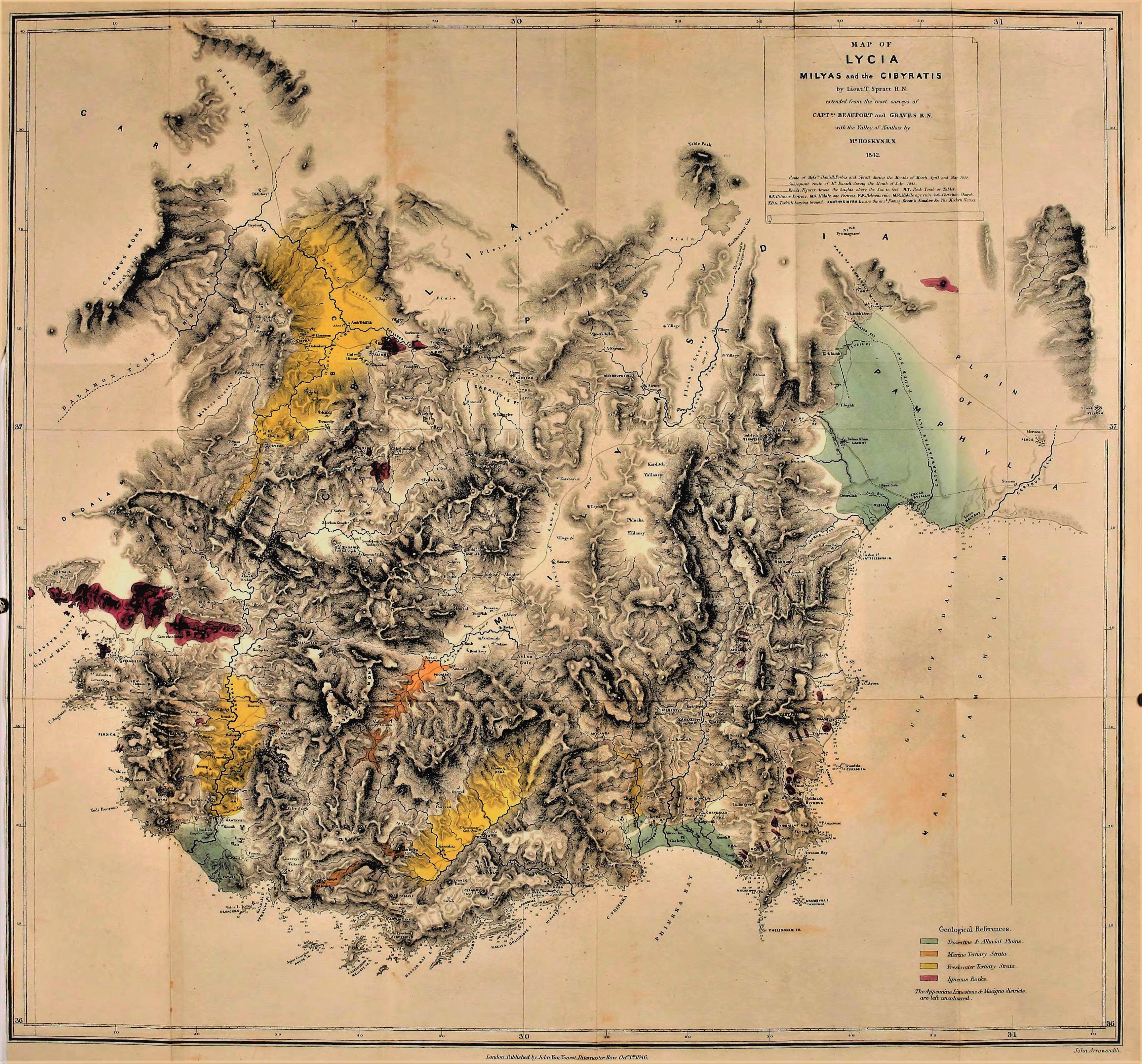
Melanippe (Lycia)
Ancient coastal town on Mount Phoenicus.