Explore the Map
Trypillia
50.1150° N, 30.7764° E
About
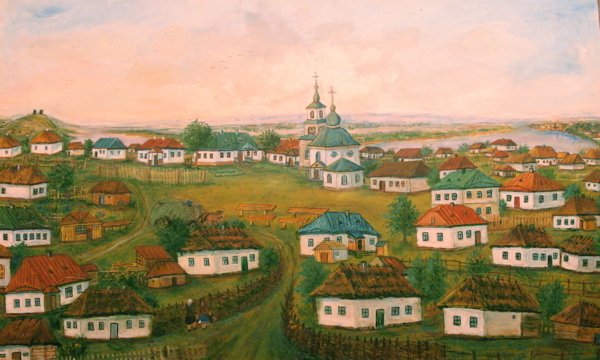
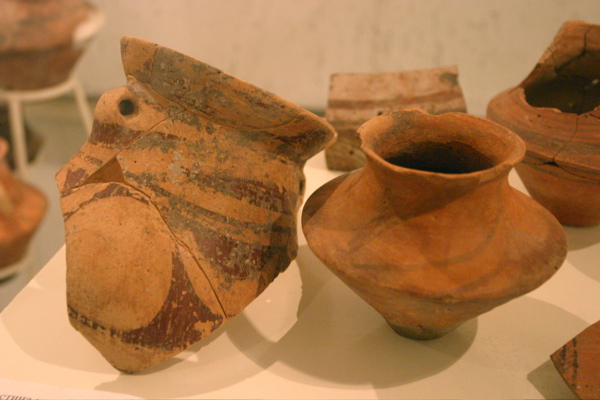
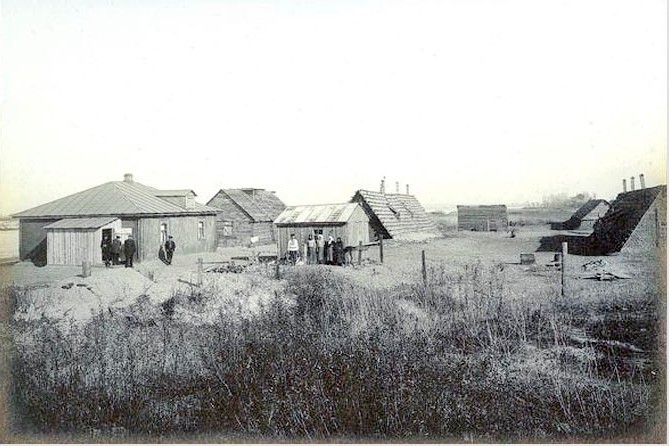
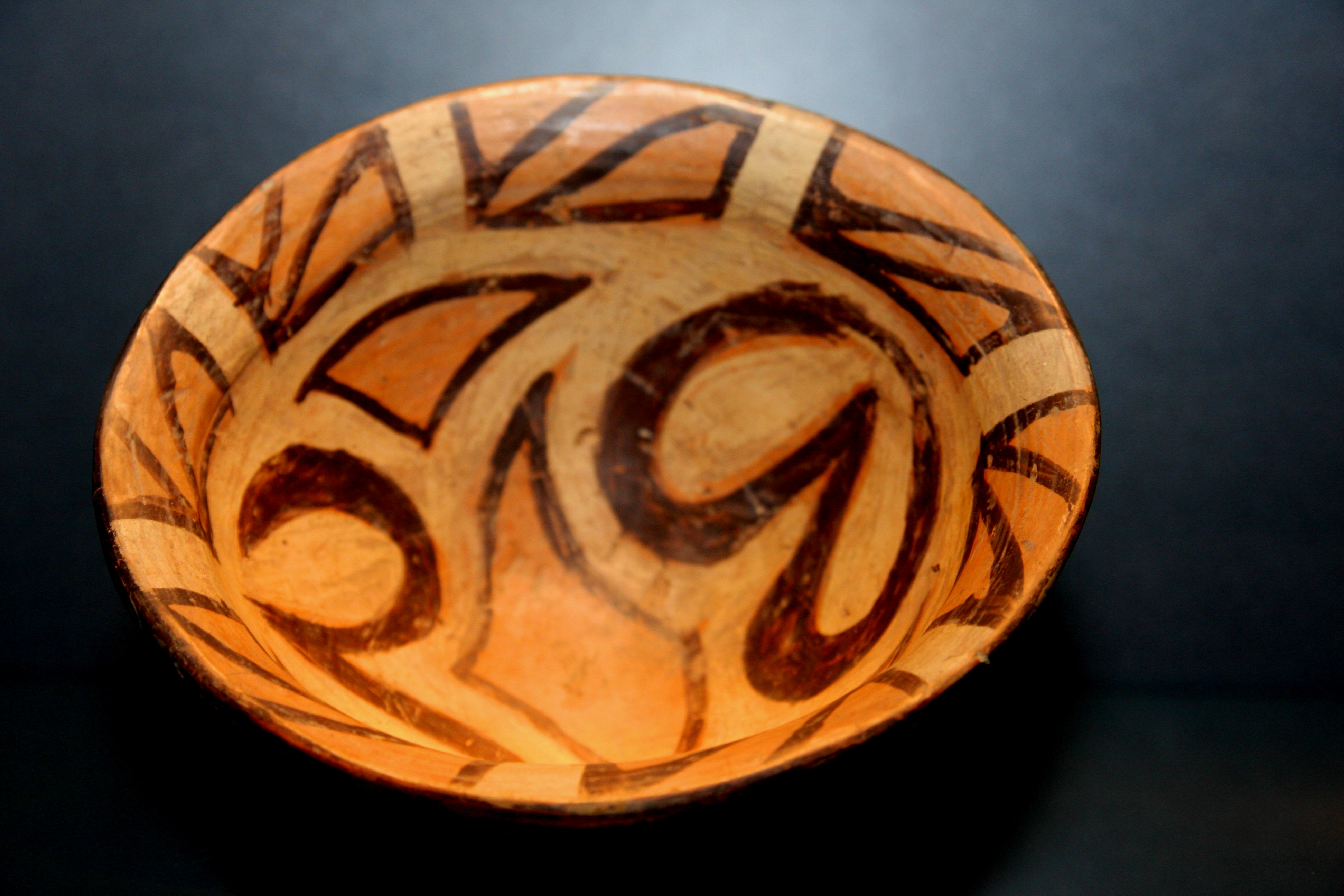
Trypillia is a significant archaeological site in Ukraine, known primarily for its association with the Cucuteni-Trypillian culture, one of the major Neolithic–Chalcolithic cultures of Eastern Europe. The site, situated near the Dnipro River, is home to an extensive ancient mega-settlement dating back to 4300–4000 BCE. This proto-city is part of a network of over 2,000 known settlements of the Cucuteni-Trypillian culture, with some covering areas up to 450 hectares. The village of Trypillia re-emerged in historical chronicles during the 11th and 12th centuries, serving as a strategic fortress defending Kyiv from steppe invasions. Its archaeological significance is underscored by the discovery of extensive Neolithic artifacts by Vikentiy Khvoyka in the late 19th century, providing critical insights into early human settlement patterns in the region.
Gallery
Explore photographs of ancient structures, artifacts, and archaeological excavations
Historical Timeline
Journey through time and discover key events in this site's history
Cucuteni-Trypillian settlement
4300 BCE - 4000 BCE
Battle of the Stugna River
1093 CE
Trypillia fortress
12th century CE
Archaeological Features
Unique architectural and cultural elements found at this historical site
Defensive Structures
Domestic and Habitation Structures
Plan Your Visit
Tours, travel arrangements, and practical information


More Sites in Ukraine
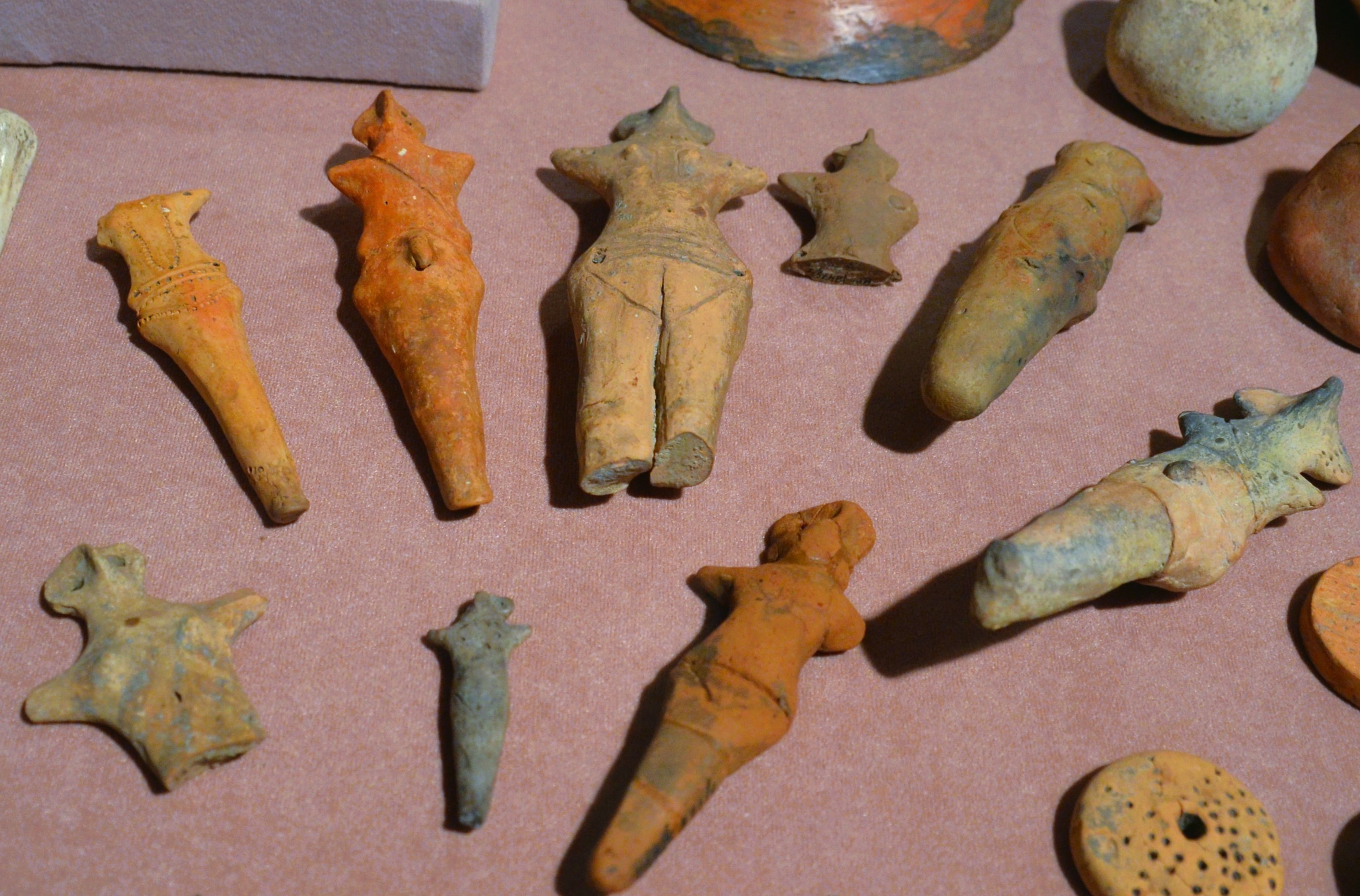
Verteba Cave
Gypsum cave with Copper Age artifacts
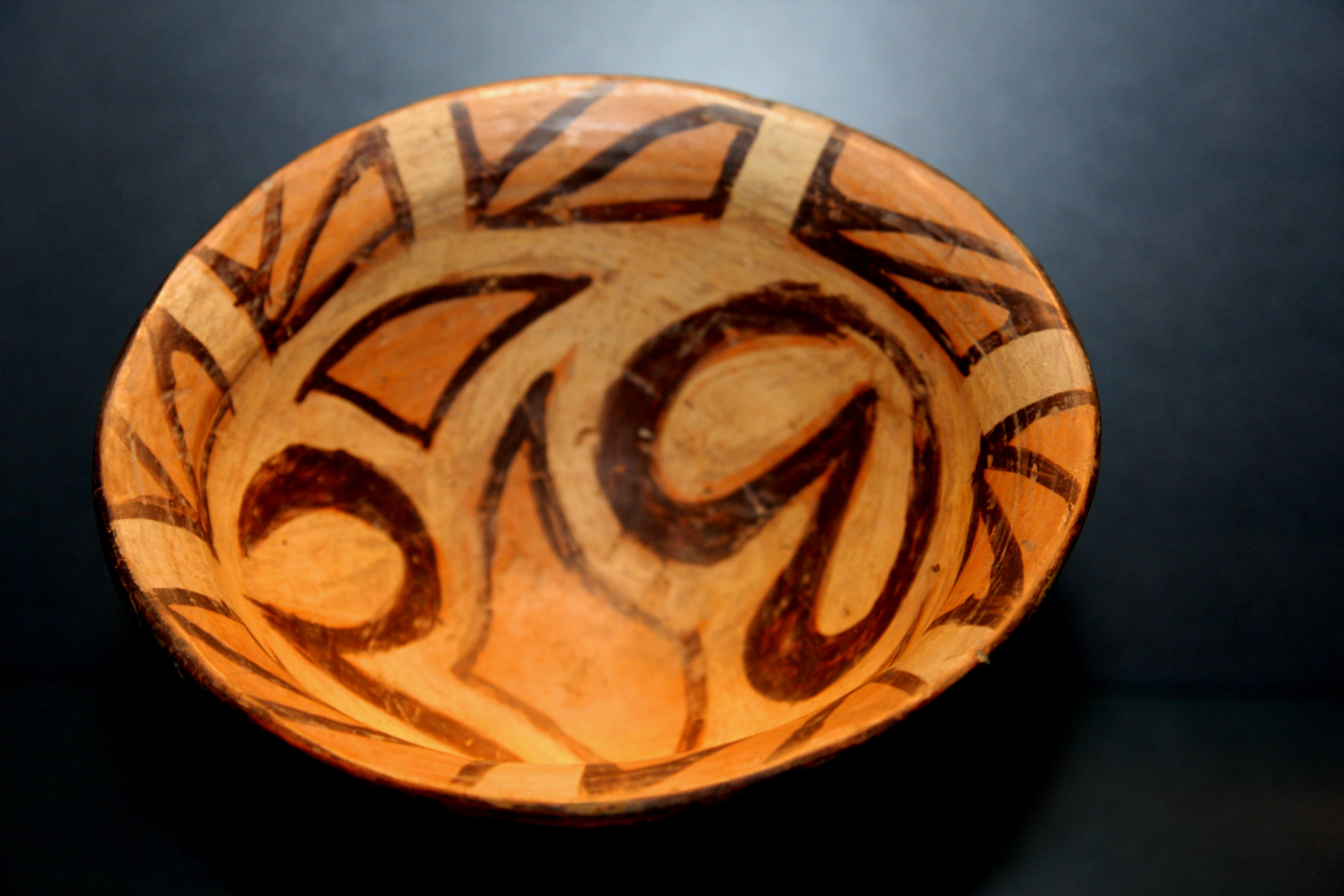
Sushkivka
Ancient Cucuteni–Trypillia mega-settlement site
Deriivka
Early horse domestication site in Ukraine.
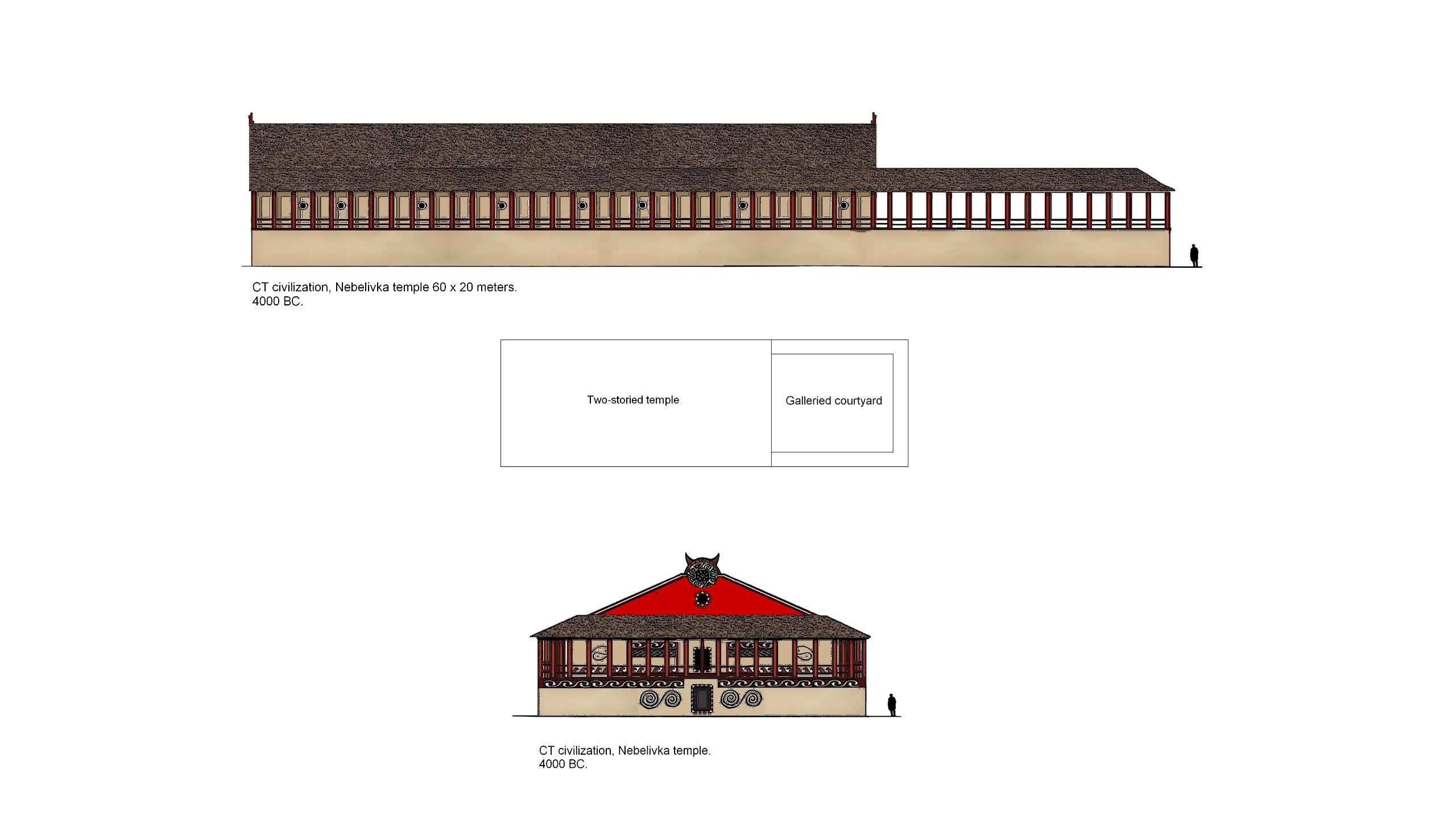
Nebelivka (archaeological site)
Ancient mega-settlement with temple structures
Stepanivka
Cucuteni-Trypillian large Neolithic settlement, 5000–4300 B.C.
Talianki (archaeological site)
Largest Neolithic settlement in Europe