
Explore the Map
Verteba Cave
48.7889° N, 25.8714° E
About
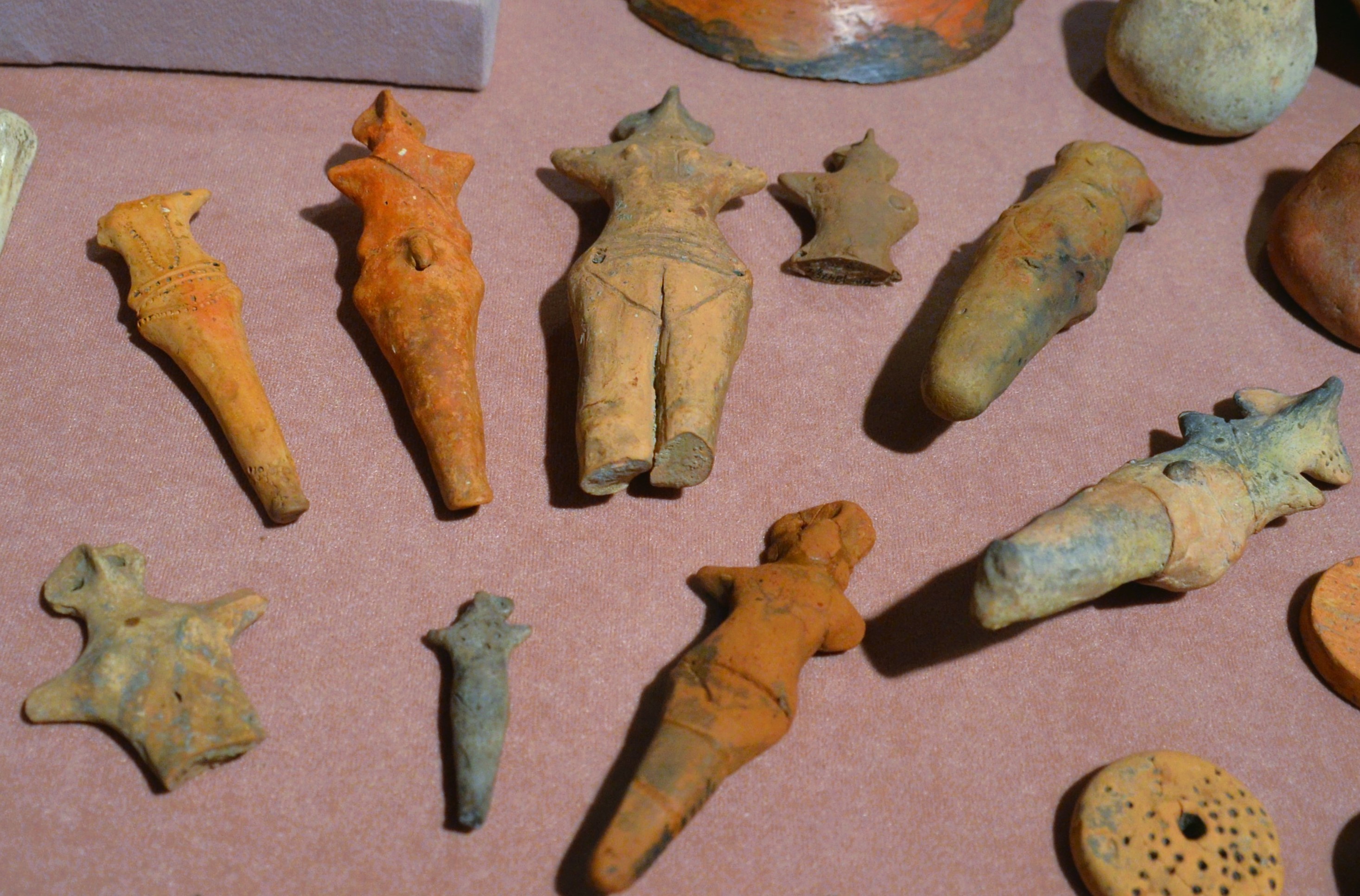
Verteba Cave, located in the Podolian Upland of Ukraine, is a significant archaeological site due to its role as a habitation and ritual space during the Copper Age. This gypsum cave was periodically occupied by the Cucuteni–Trypillian culture between 4100 BCE and 2750 BCE, as evidenced by thousands of artifacts such as ceramic vessels, clay figurines, and human remains. The cave's finds include ceramics from various cultural influences, indicating extensive trade networks. Human remains show signs of violent death, reflecting the turbulent times. The cave was later used during the Bronze and Iron Ages and even during the Middle Ages. Verteba Cave provides valuable insights into prehistoric and historic human activity and cultural interactions in Eastern Europe.
Gallery
Explore photographs of ancient structures, artifacts, and archaeological excavations
Historical Timeline
Journey through time and discover key events in this site's history
First Cucuteni–Trypillian occupation
4100 BCE
Second Cucuteni–Trypillian occupation
3600 BCE
Third Cucuteni–Trypillian occupation
3400 BCE
Middle Bronze Age occupation
1960 BCE
Scythian occupation
781 BCE
Medieval period use
800 CE
Archaeological Features
Unique architectural and cultural elements found at this historical site
Burial and Funerary Structures
Religious and Ritual Structures
Artistic and Decorative Features
Domestic and Habitation Structures
Environmental and Natural Features
Food Production and Processing Features
Frequently Asked Questions
Plan Your Visit
Tours, travel arrangements, and practical information
More Sites in Ukraine
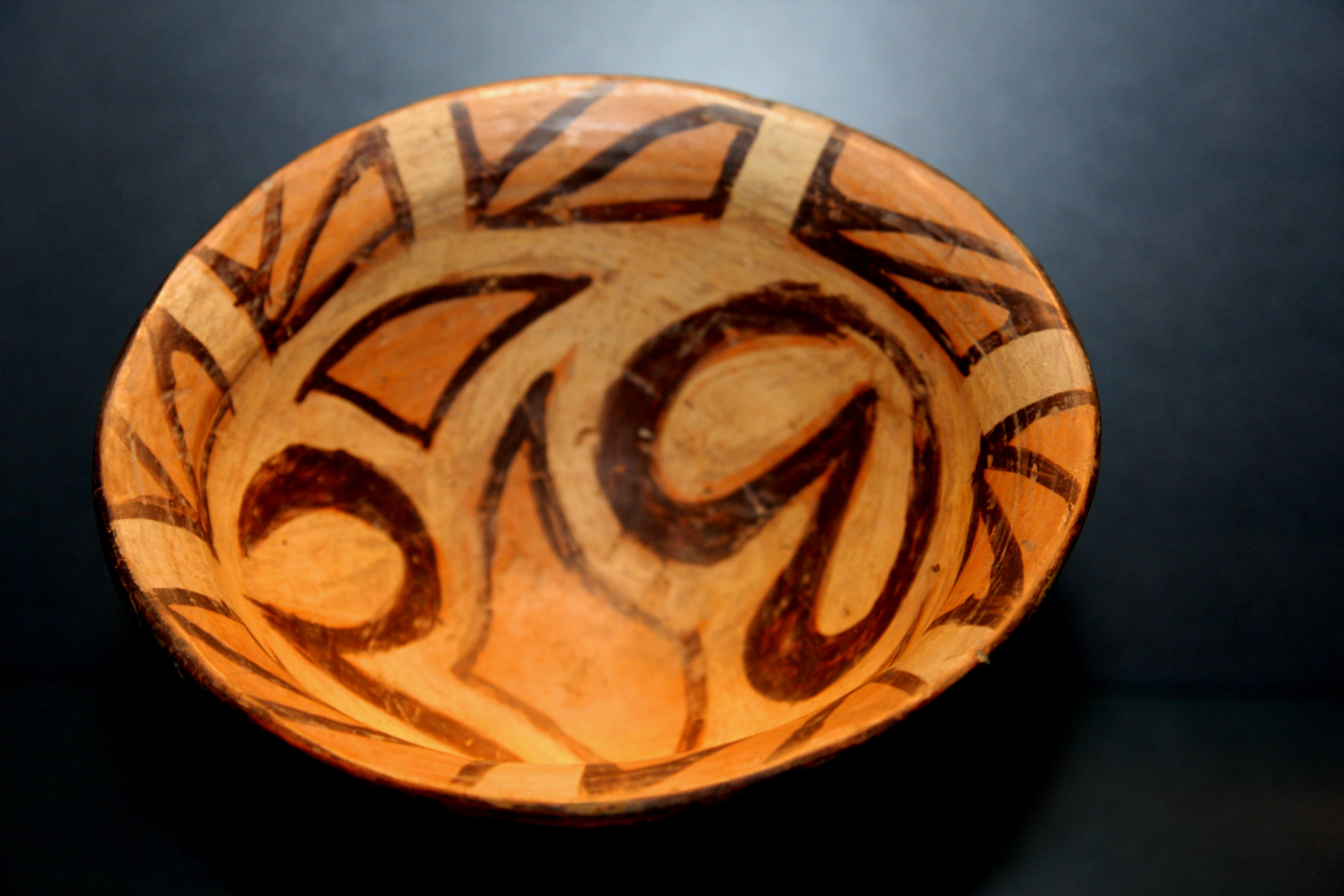
Sushkivka
Ancient Cucuteni–Trypillia mega-settlement site
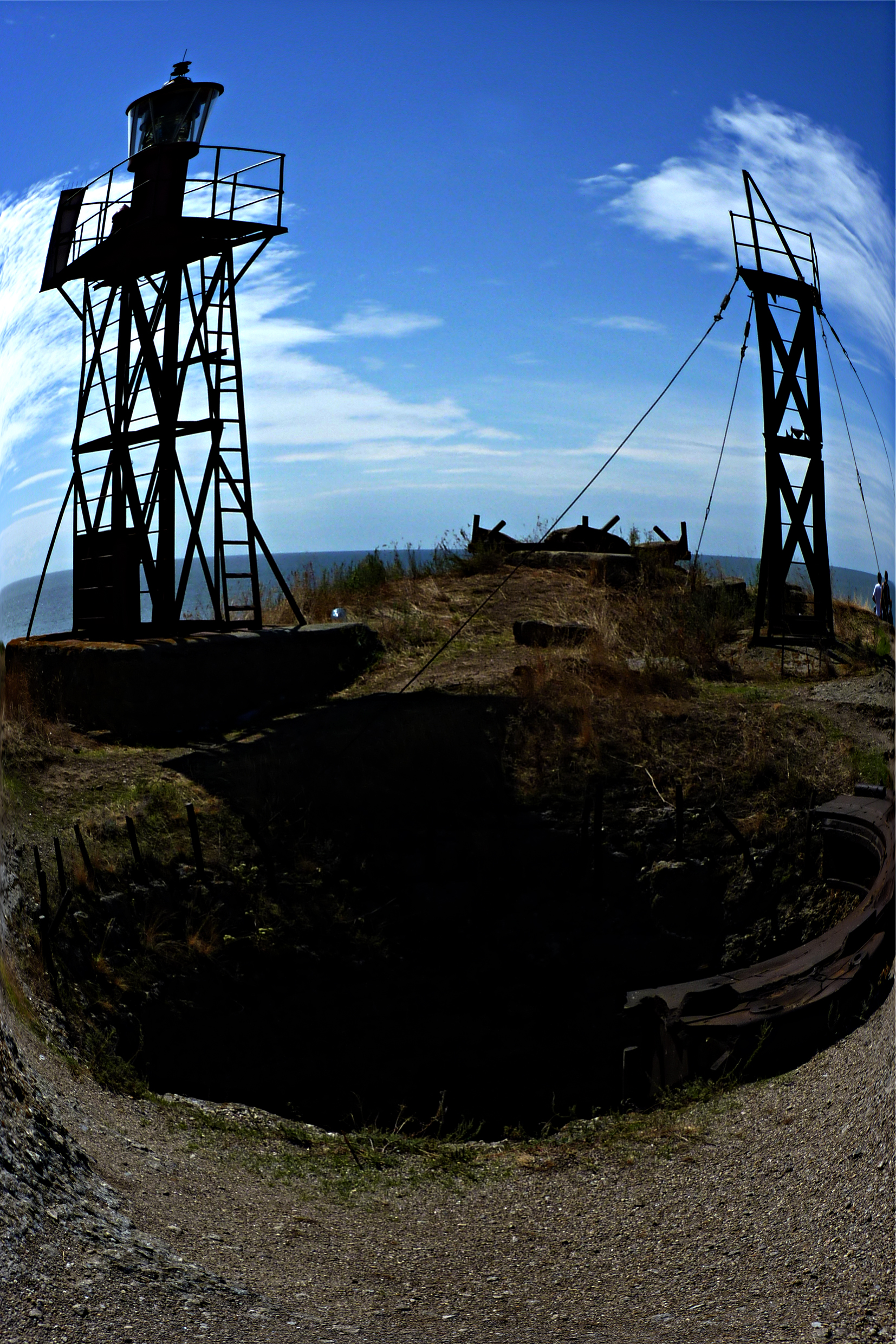
Berezan Island
Uninhabited island with ancient Greek colony remains
Burial ground of Cherneliv-Ruskyi
Extensive Chernyakhov culture burial ground
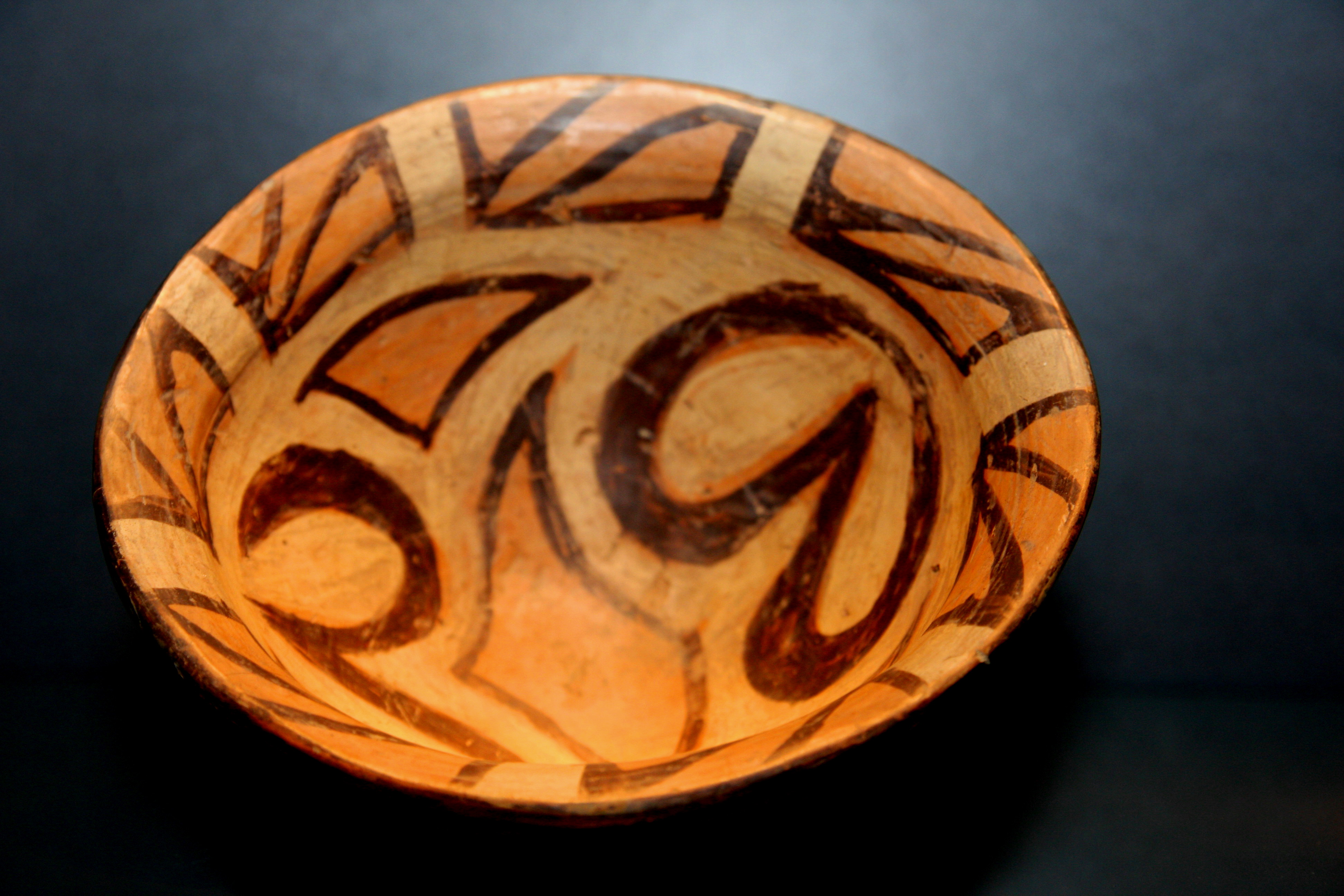
Talianki (archaeological site)
Largest Neolithic settlement in Europe
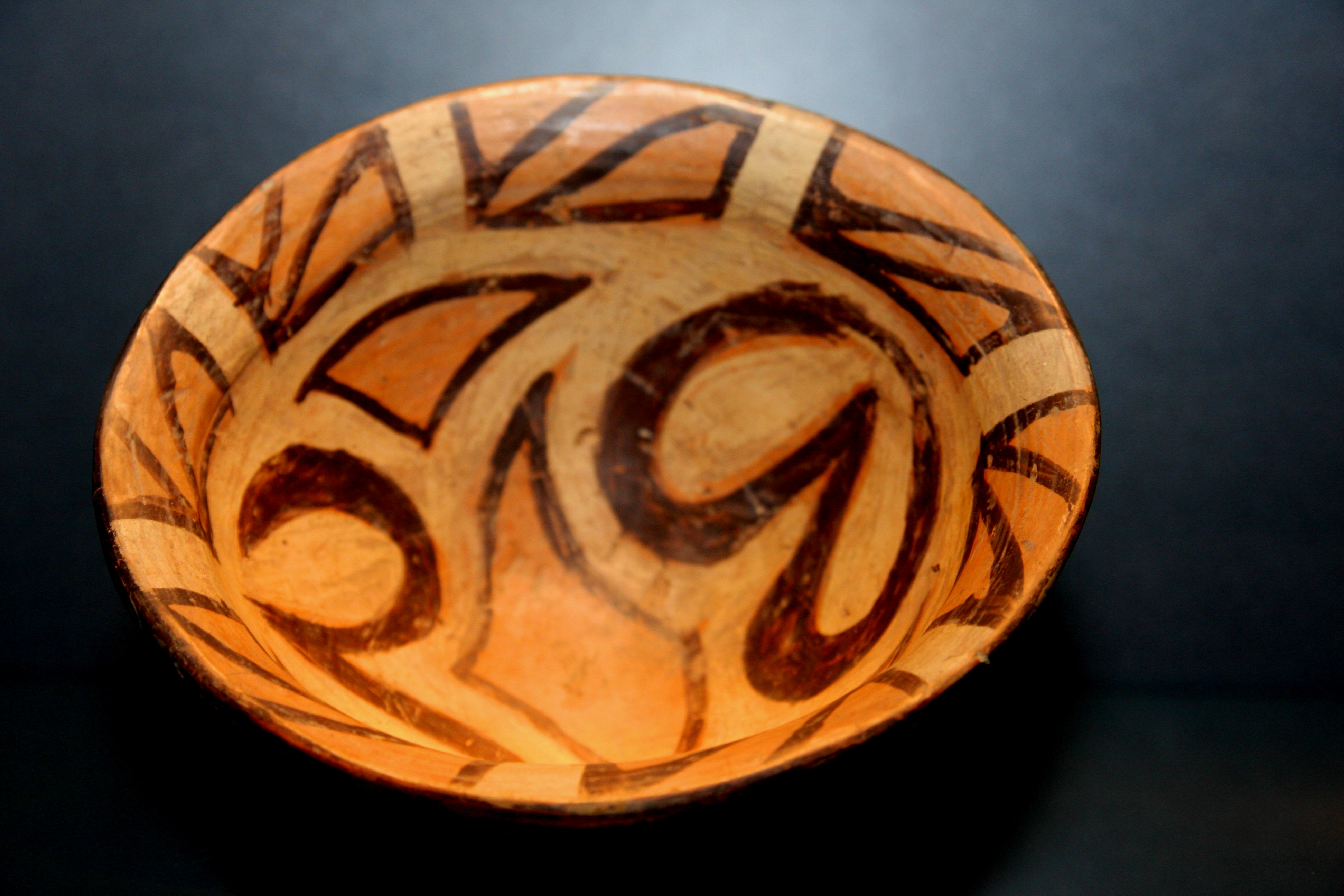
Stepanivka
Cucuteni-Trypillian large Neolithic settlement, 5000–4300 B.C.
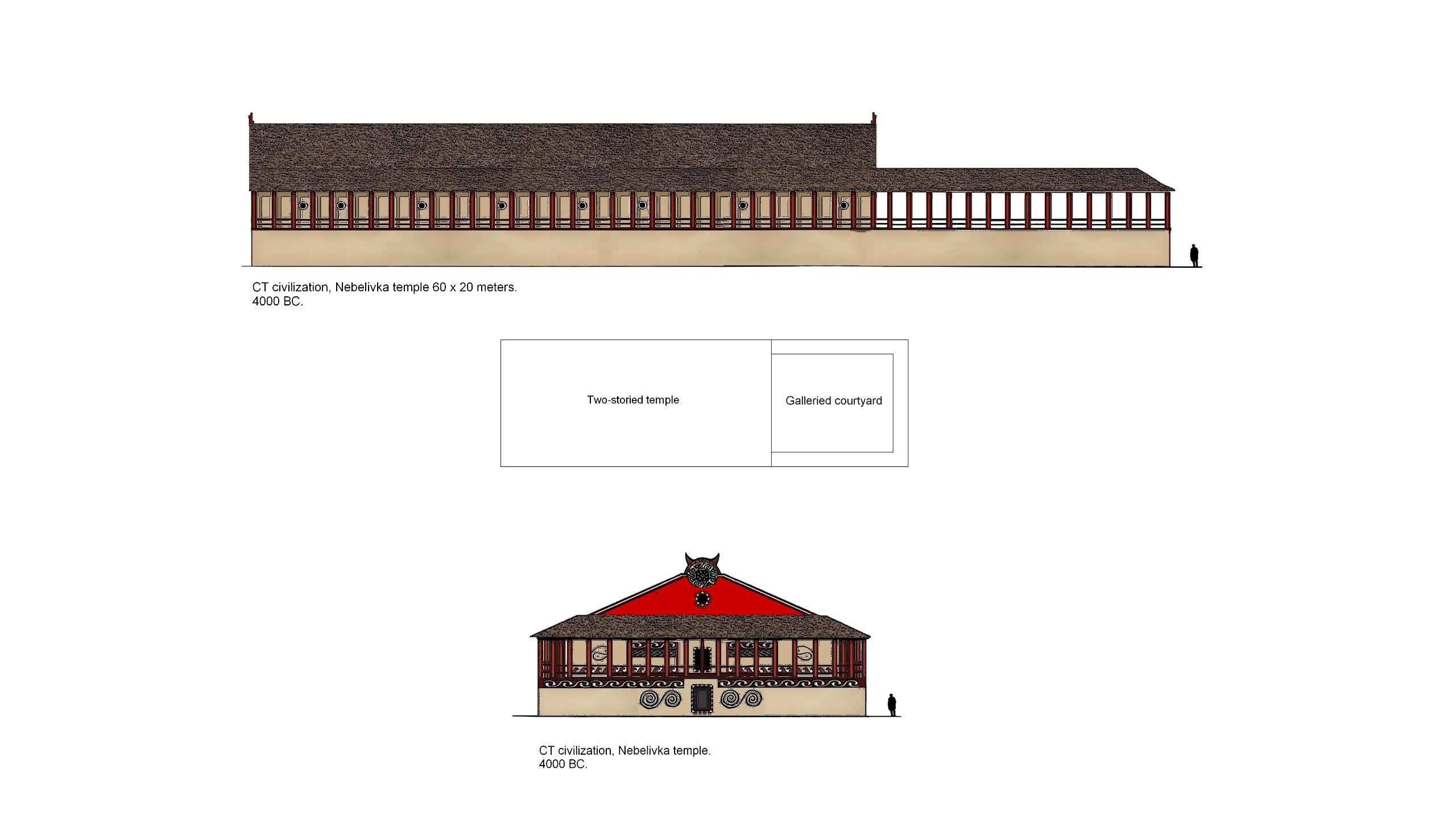
Nebelivka (archaeological site)
Ancient mega-settlement with temple structures