Explore the Map
Balalyk Tepe
37.5354° N, 67.1154° E
About
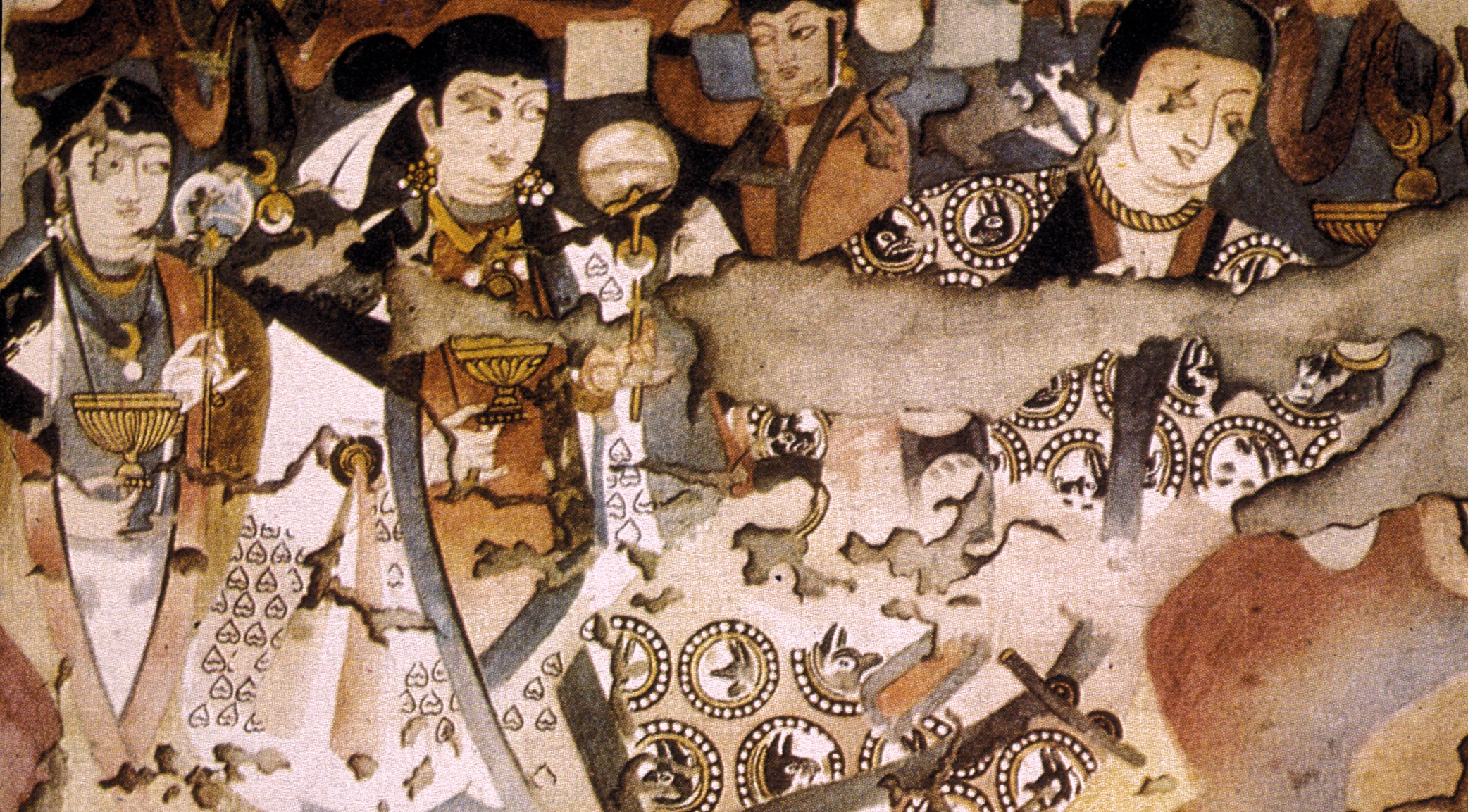
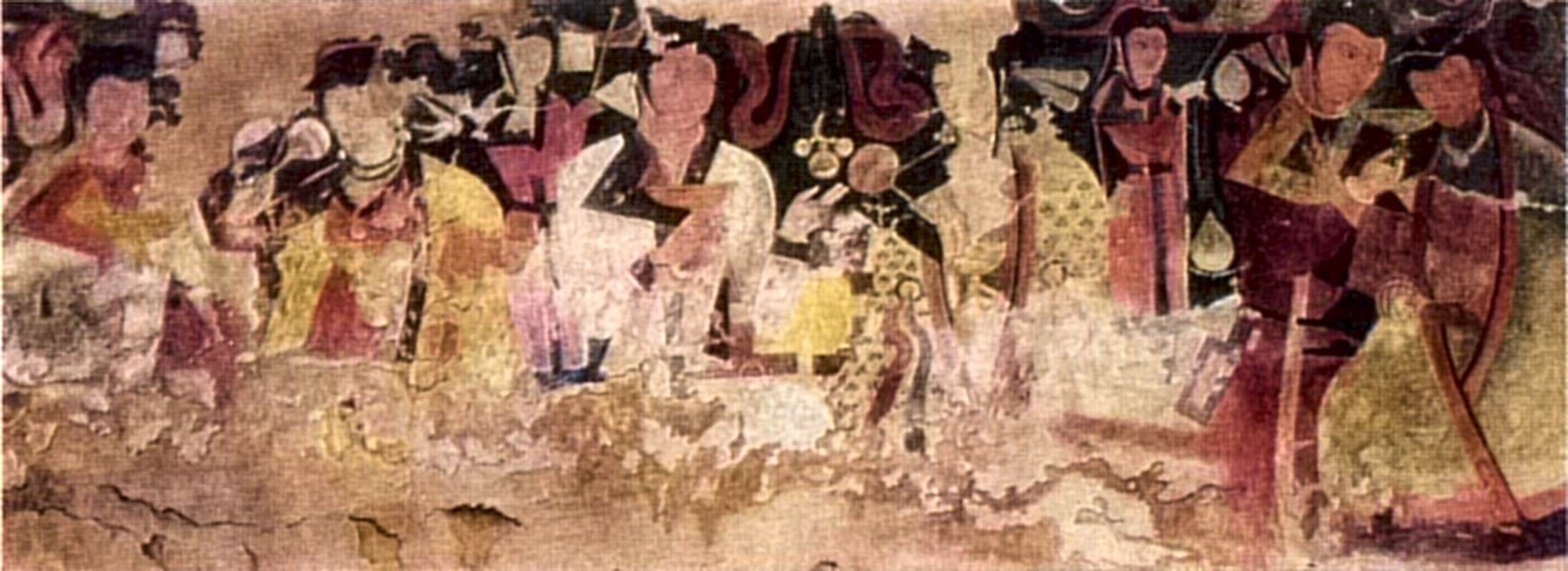
Balalyk Tepe is an archaeological site in modern Uzbekistan, formerly part of Bactria. This site is significant for its mural paintings attributed to the 'Tokharistan school,' which includes other Central Asian sites like Adzhina-tepe and Kafyr-kala. The murals, primarily depicting feasting scenes, reflect the court life of the Hephthalite clan that occupied this fortified manor. The paintings date from the late 5th century to the early 7th century CE. They bear stylistic similarities to other sites like Dilberjin Tepe and the Bamiyan Buddhas. Though the murals were largely destroyed in the second half of the 6th century, they provide valuable insights into the cultural and artistic expressions of Central Asia during the Hephthalite period.
Gallery
Explore photographs of ancient structures, artifacts, and archaeological excavations
Historical Timeline
Journey through time and discover key events in this site's history
Hephthalite Manor Occupation
6th century CE
Mural Destruction
550-600 CE
Archaeological Features
Unique architectural and cultural elements found at this historical site
Defensive Structures
Artistic and Decorative Features
Frequently Asked Questions
Plan Your Visit
Tours, travel arrangements, and practical information
More Sites in Uzbekistan
Dalverzin Tepe
Ancient fortified Kushan city with temples.
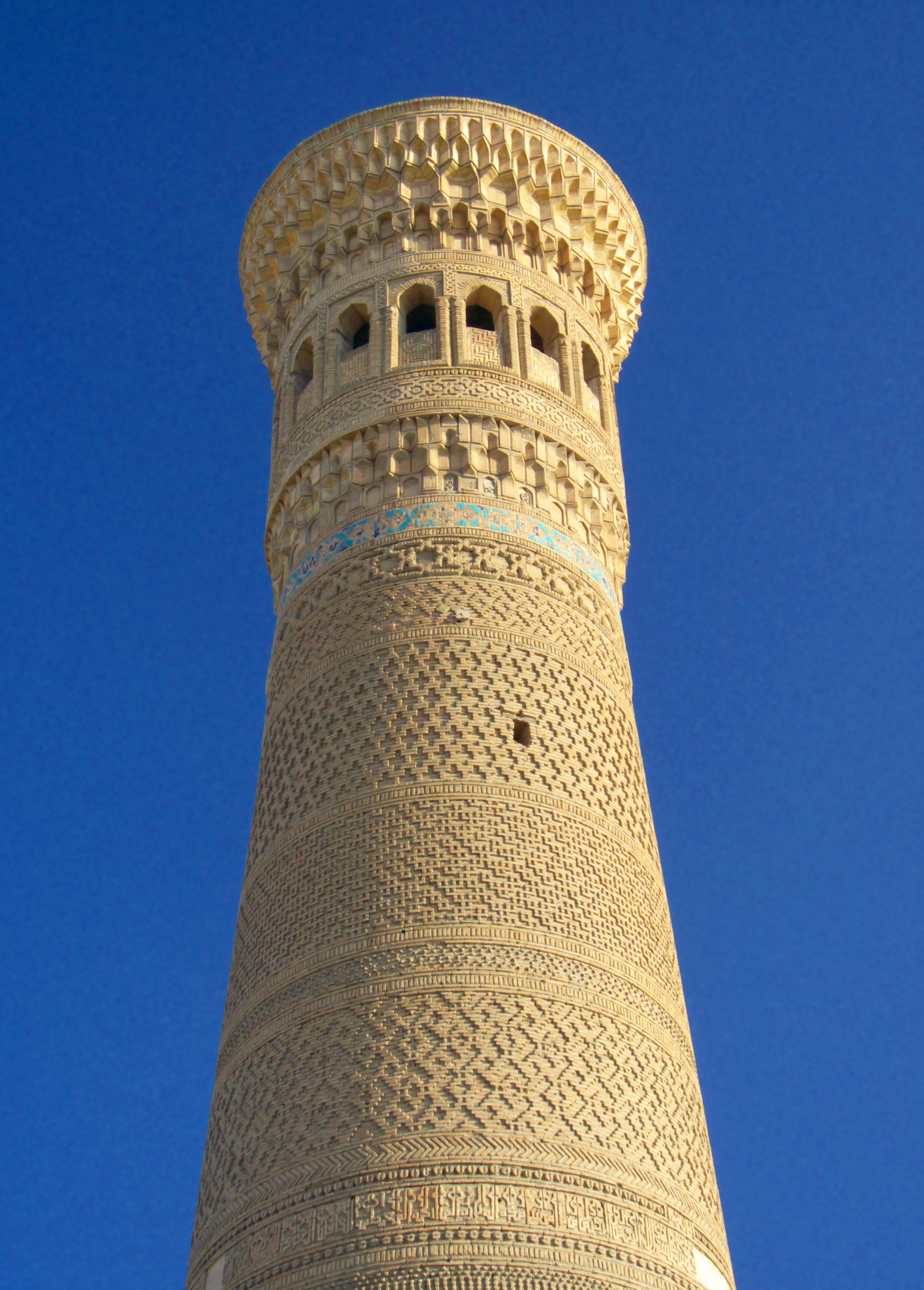
Shahrukhiya
Ancient city on Great Silk Road.
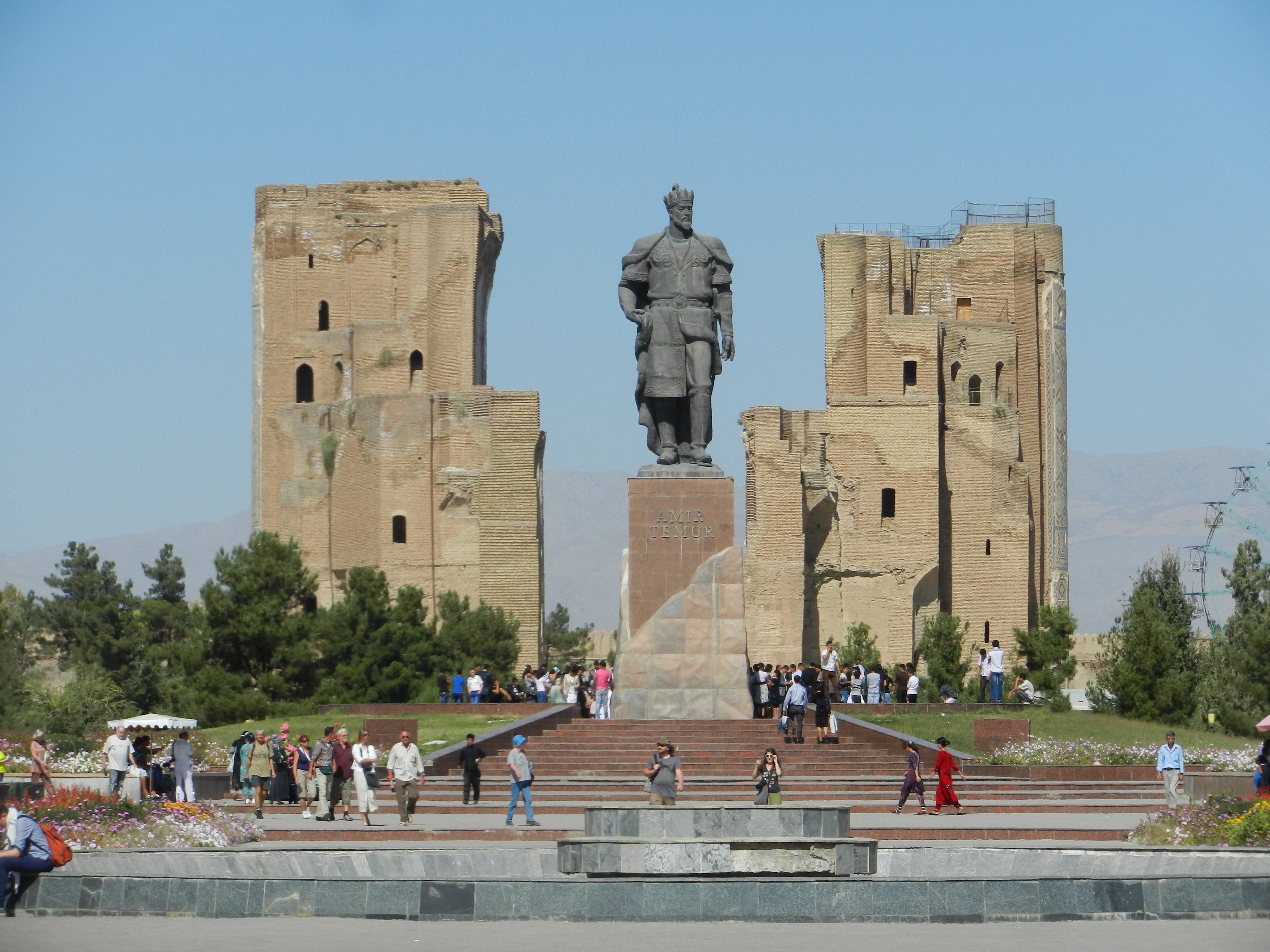
Ak-Saray Palace
Ruined Timurid palace with decorative remnants.
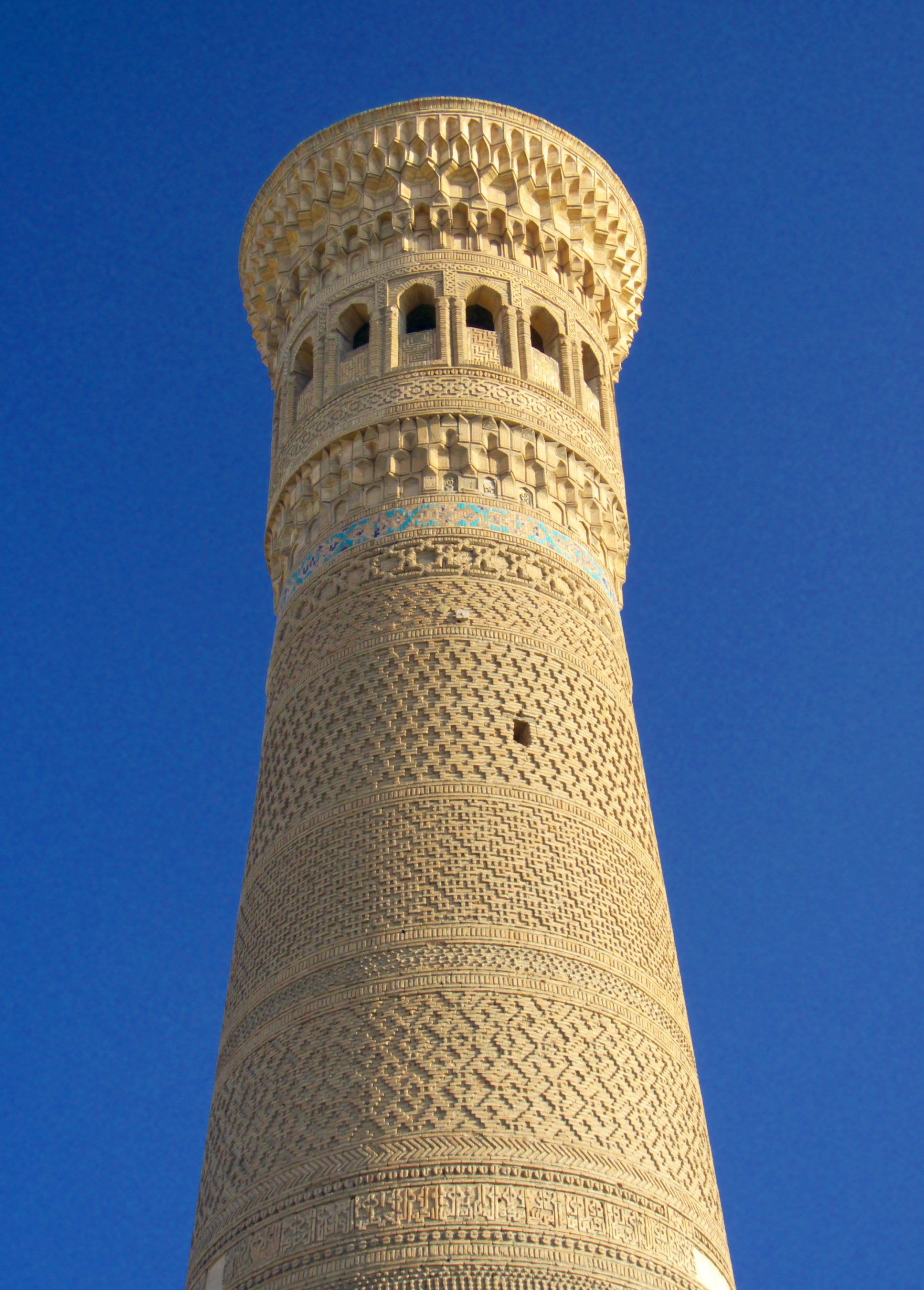
Kanka, Uzbekistan
Ancient multi-layered fortified settlement.
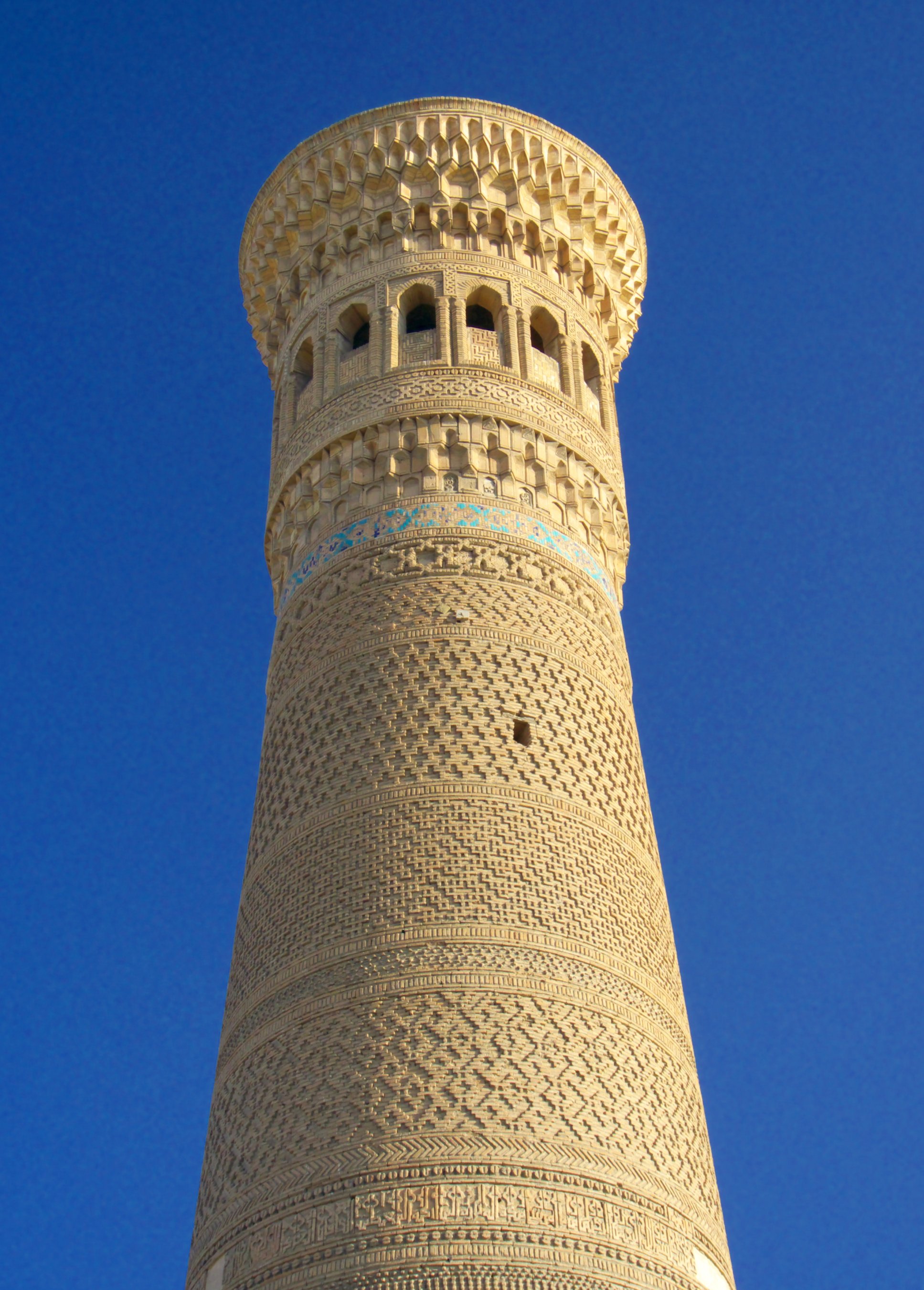
Varakhsha
Ancient city in Bukhara oasis, Sogdia.
Fayaz Tepe
Buddhist site with temple and monastery