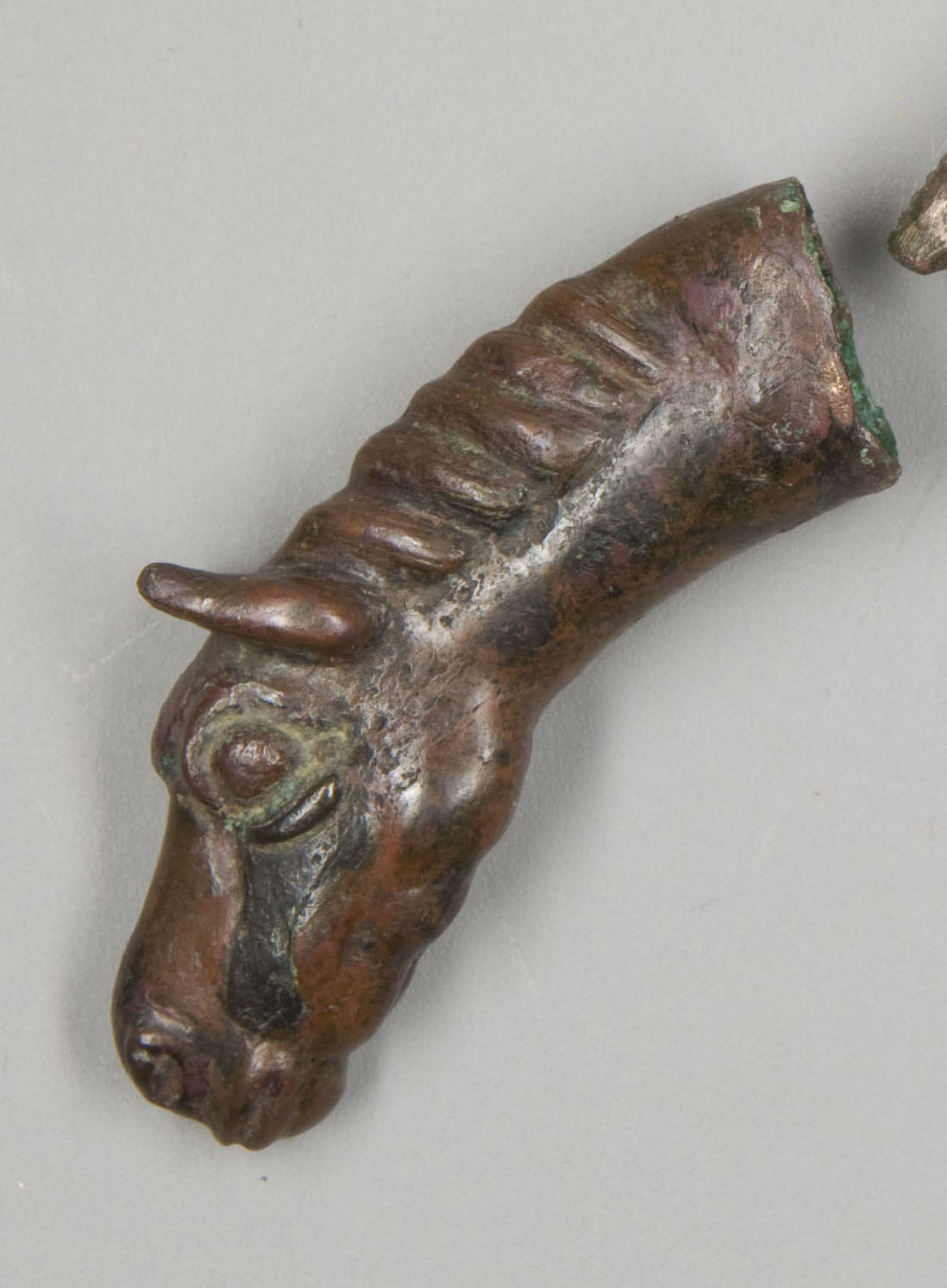
Bactria–Margiana Archaeological Complex
Oxus (BMAC) Bronze Age urban complex, Margiana region
Explore the Map
Bactria–Margiana Archaeological Complex
37.3011° N, 64.1553° E
About
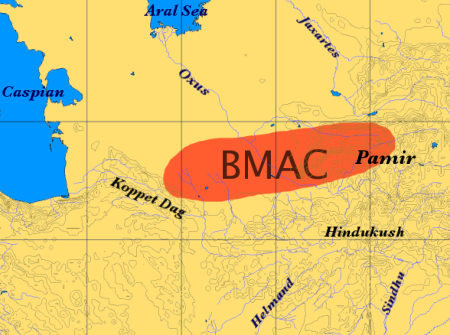
The Bactria–Margiana Archaeological Complex (BMAC) is the modern archaeological designation for a particular Middle Bronze Age civilisation of southern Central Asia, also known as the Oxus Civilization. The civilisation's urban phase or Integration Era, was dated in 2010 by Sandro Salvatori to c. 2400–1950 BC, but a different view is held by Nadezhda A. Dubova and Bertille Lyonnet, c. 2250–1700 BC. Though it may be called the "Oxus civilization", apparently centred on the upper Amu Darya (Oxus River) in Bactria, most of the BMAC's urban sites are actually located in Margiana (modern Turkmenistan) on the Murghab river delta, and in the Kopet Dagh mountain range. There are a few later (c. 1950–1450 BC) sites in northern Bactria, currently known as southern Uzbekistan, but they are mostly graveyards belonging to the BMAC-related Sapalli culture. A single BMAC site, known as Dashli, lies in southern Bactria, current territory of northern Afghanistan. Sites found further east, in southwestern Tajikistan, though contemporary with the main BMAC sites in Margiana, are only graveyards, with no urban developments associated with them. The civilisation was named BMAC by the Soviet archaeologist Viktor Sarianidi in 1976, during the period (1969–1979) when he was excavating in northern Afghanistan. Sarianidi's excavations from the late 1970s onward revealed numerous monumental structures in many sites, fortified by impressive walls and gates. Reports on the BMAC were mostly confined to Soviet journals. A journalist from The New York Times wrote in 2001 that during the years of the Soviet Union, the findings were largely unknown to the West until Sarianidi's work began to be translated in the 1990s. However, some publications by Soviet authors, like Masson, Sarianidi, Atagarryev, and Berdiev, had been available to the West, translated in the first half of 1970s, slightly before Sarianidi labelled the findings as BMAC.
Gallery
Explore photographs of ancient structures, artifacts, and archaeological excavations
Historical Timeline
Journey through time and discover key events in this site's history
Gonur Depe and Gonur North complex
c. mid-3rd–2nd millennium BC
Dashli site in southern Bactria (modern Afghanistan)
modern location noted
Sizes of major Kopet Dag settlements
c. 3rd–2nd millennium BC
Later graveyard sites in northern Bactria / southern Uzbekistan
c. 1950–1450 BC
Naming of BMAC by Viktor Sarianidi
1976
Introduction of BMAC finds to Western readers
1990s–2001
Integration Era (Dubova & Lyonnet chronology)
c. 2250–1700 BC
Kelleli phase in Margiana
c. 2400–2000 BC
Integration Era (Salvatori chronology)
c. 2400–1950 BC
Namazga V / Kopet Dag urban period (Vidale)
c. 2400–2000 BC
Early Bronze Age proto-urban growth
c. 2800–2400 BC
Namazga III phase
c. 3200–2800 BC
Regionalization Era, Chalcolithic development
c. 4000–2800 BC
Jeitun Neolithic occupation
c. 7200–4600 BC
Archaeological Features
Unique architectural and cultural elements found at this historical site
Defensive Structures
Public and Civic Structures
Burial and Funerary Structures
Industrial and Craft Structures
Religious and Ritual Structures
Agricultural and Land Use Features
Domestic and Habitation Structures
Frequently Asked Questions
Plan Your Visit
Tours, travel arrangements, and practical information


More Sites in Afghanistan
Mundigak
Bronze Age urban center, Helmand culture
Tepe Fullol
Bronze Age site with treasure cache
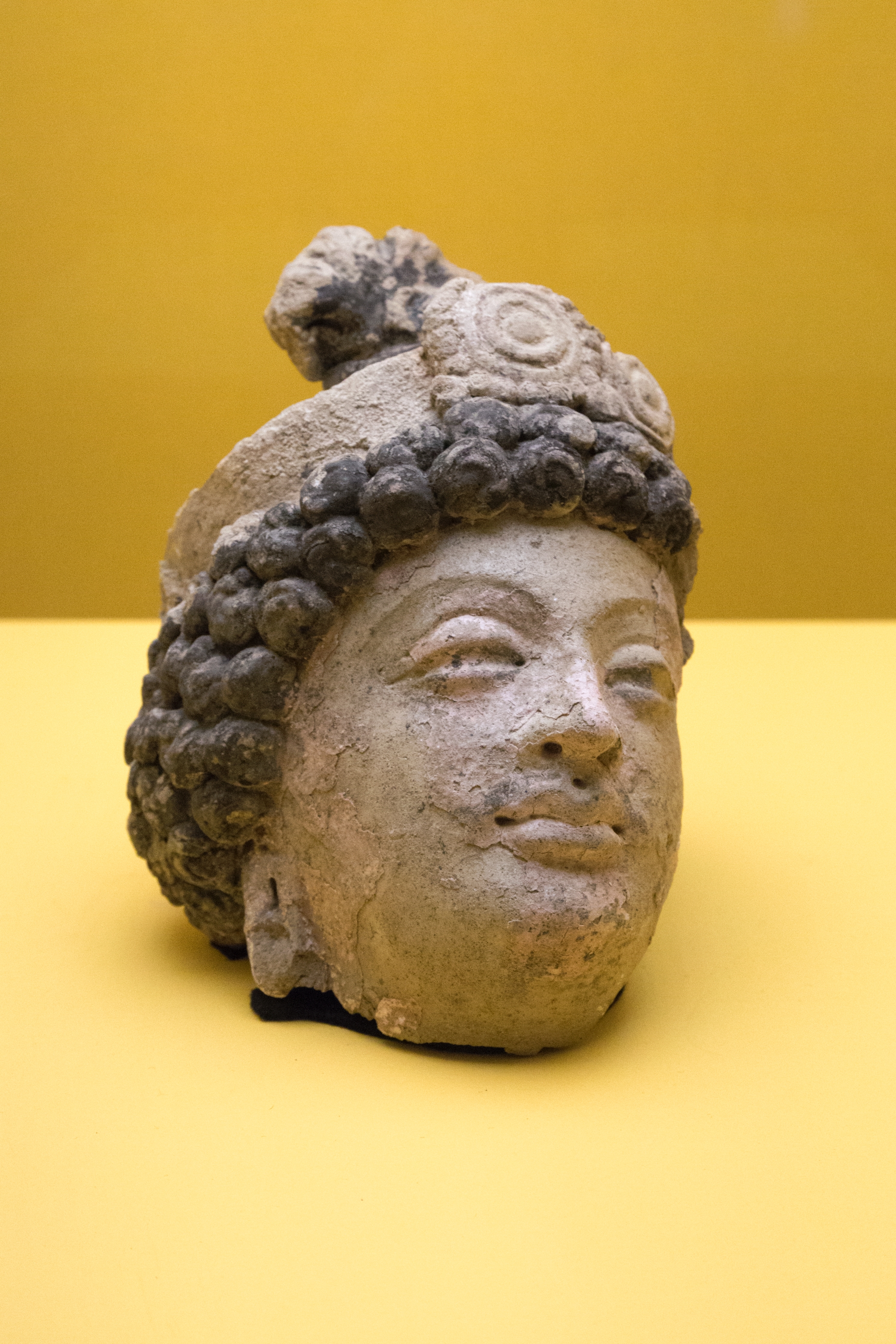
Mes Aynak
Buddhist settlement with copper deposits
Darra-e Kur
Well-stratified rock shelter with artifacts
Dasht-e Nawar
Palaeolithic stone tool site with fortifications
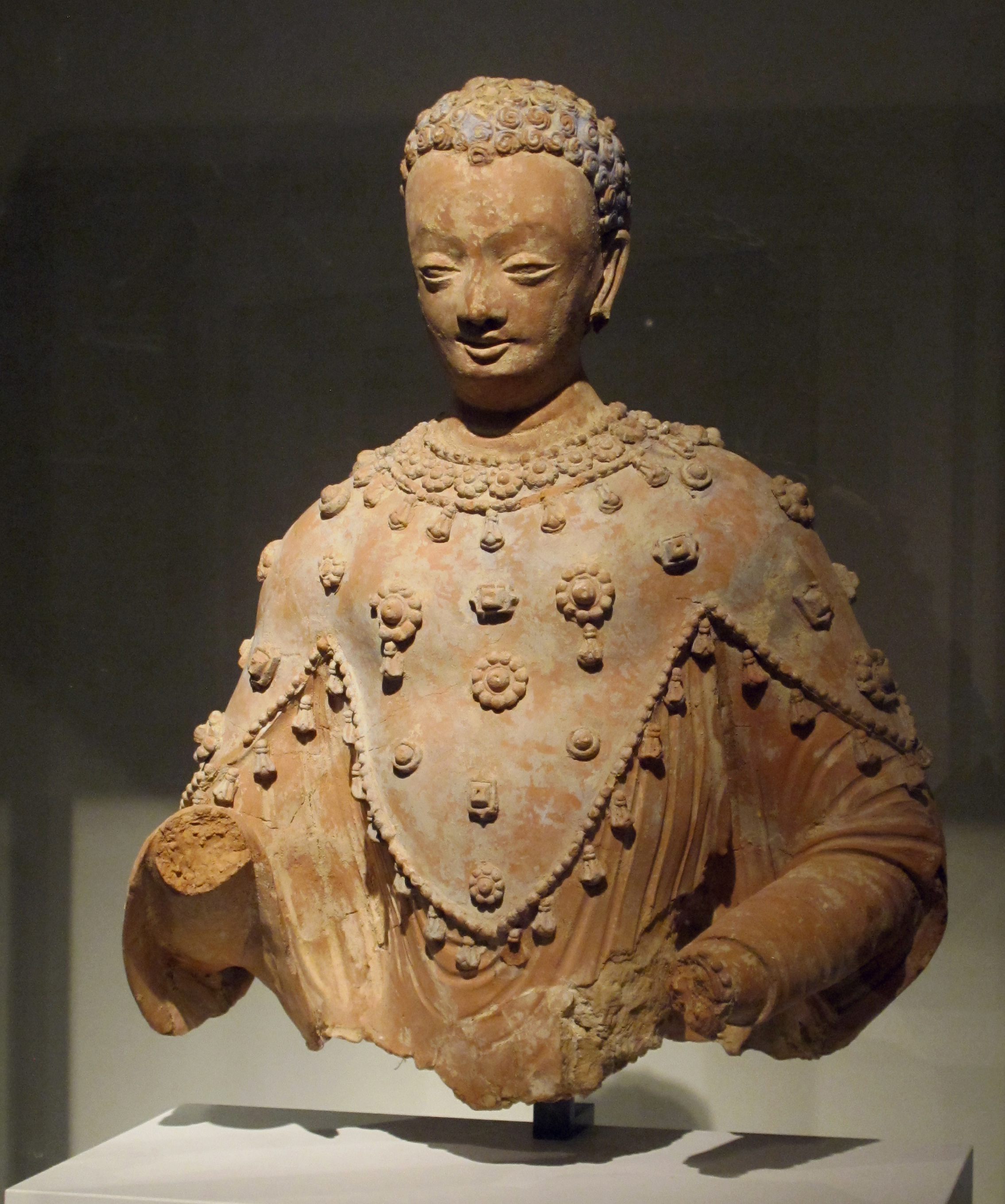
Fondukistan monastery
Buddhist monastery with intricate sculptures