
Explore the Map
Buddhas of Bamiyan
34.8320° N, 67.8267° E
About
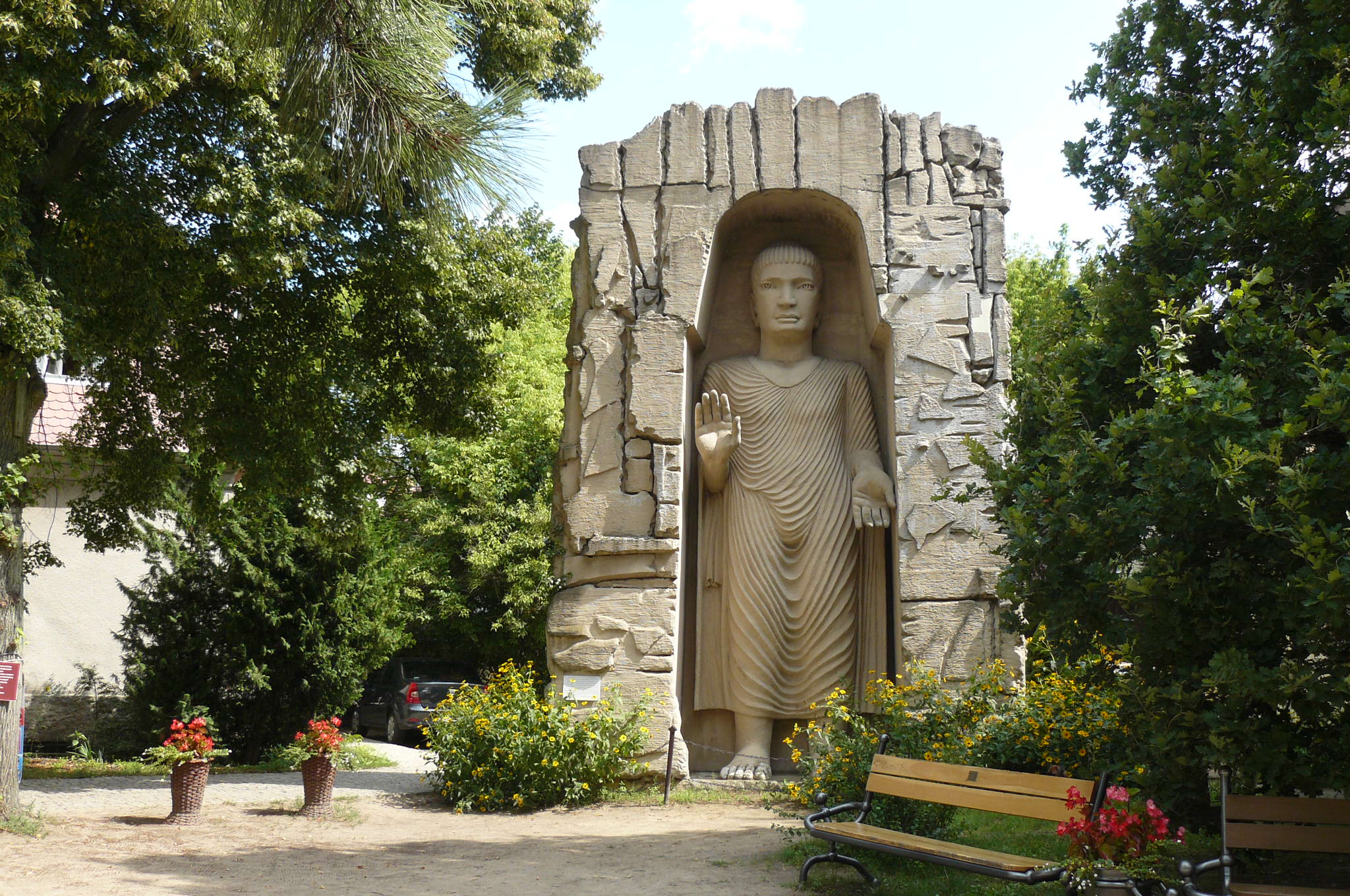
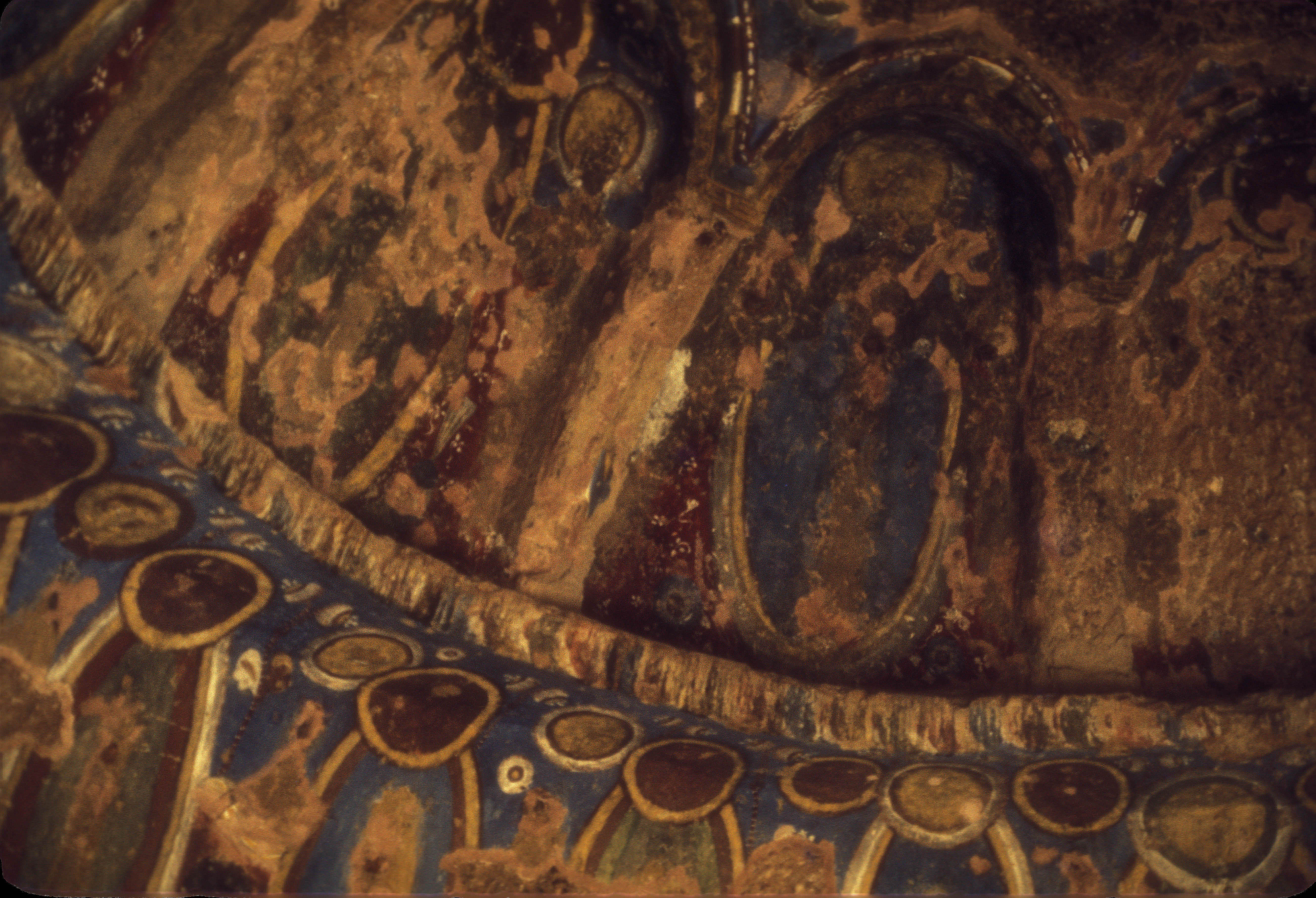
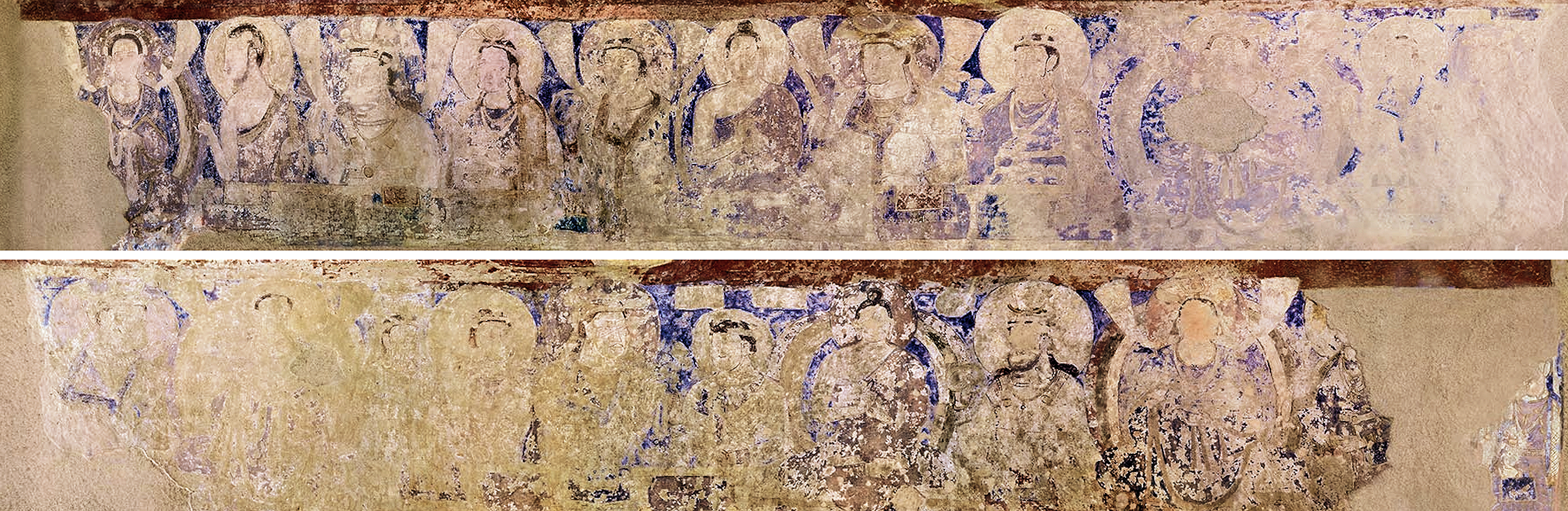
The Buddhas of Bamiyan were two colossal Buddhist statues carved into the cliffs of the Bamiyan Valley in Afghanistan. Dating back to the 6th and 7th centuries CE during the rule of the Hephthalites, these statues exemplified the fusion of Greco-Buddhist art. The monumental carvings, standing at 38 and 55 meters respectively, were surrounded by a network of caves with elaborate murals, showcasing the cultural and religious significance of the site on the Silk Road. Despite their destruction by the Taliban in 2001, the Bamiyan Buddhas remain a symbol of Afghanistan's rich heritage and its historical role as a crossroads of diverse cultural and religious influences.
Gallery
Explore photographs of ancient structures, artifacts, and archaeological excavations
Historical Timeline
Journey through time and discover key events in this site's history
Bamiyan as Buddhist site
200 CE
Eastern Buddha construction
570 CE
Western Buddha construction
618 CE
Muslim conquest and decline
770 CE
Destruction by Taliban
2001 CE
Archaeological Features
Unique architectural and cultural elements found at this historical site
Religious and Ritual Structures
Artistic and Decorative Features
Frequently Asked Questions
Plan Your Visit
Tours, travel arrangements, and practical information
More Sites in Afghanistan
Tapa Shotor
Large Sarvastivadin monastery with Hellenistic influences
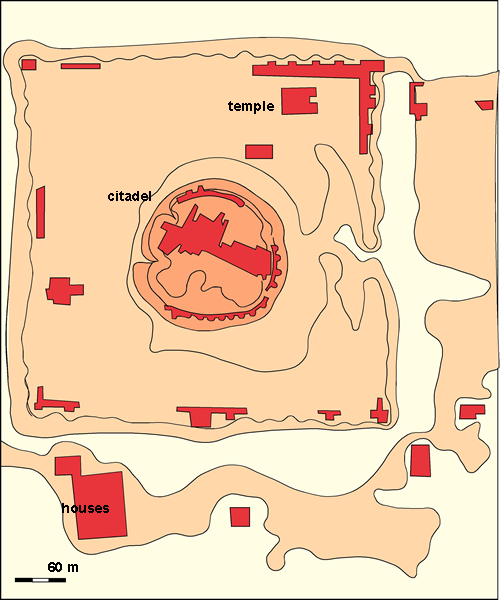
Dilberjin Tepe
Ancient town with Kushan-era citadel and murals.
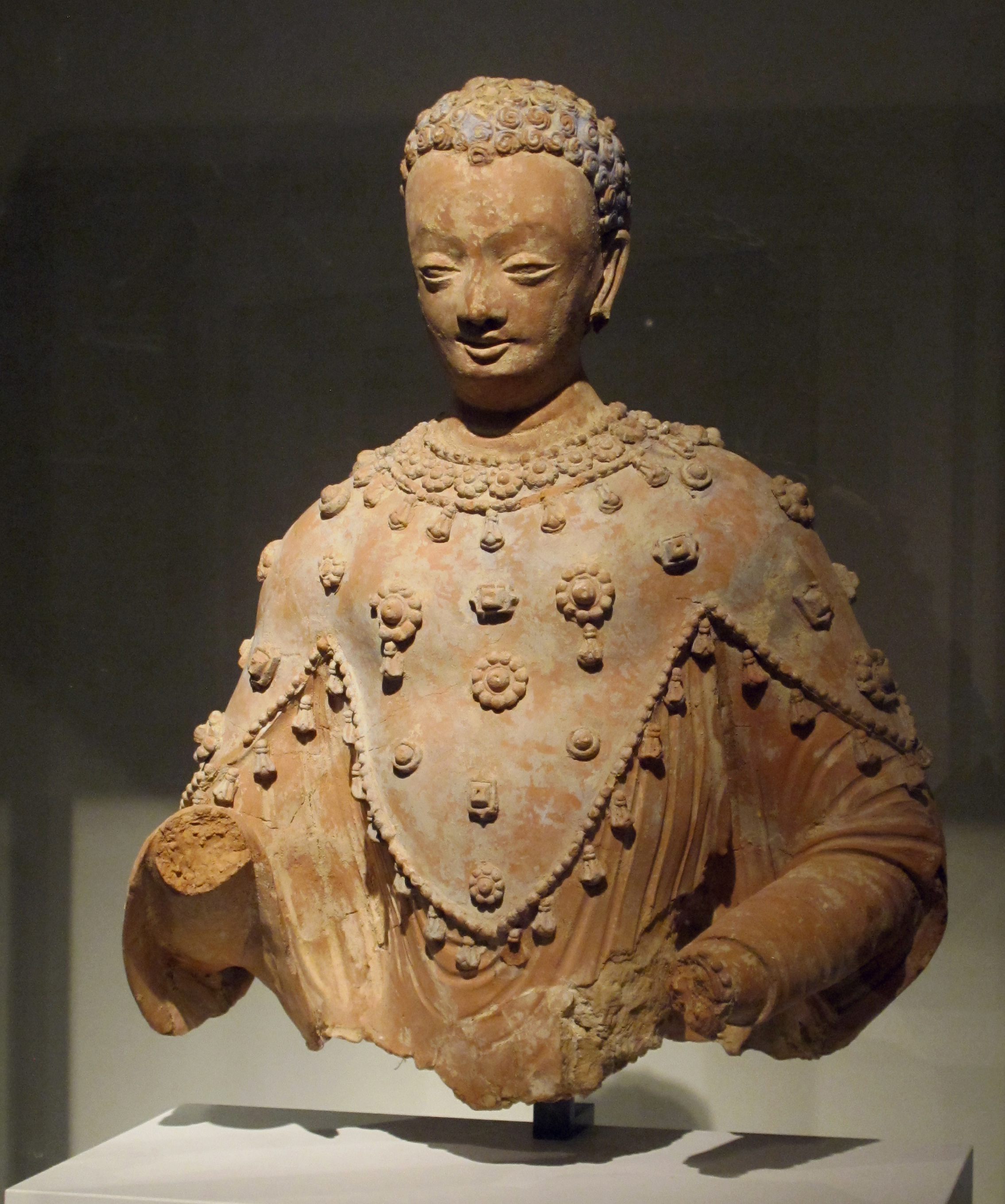
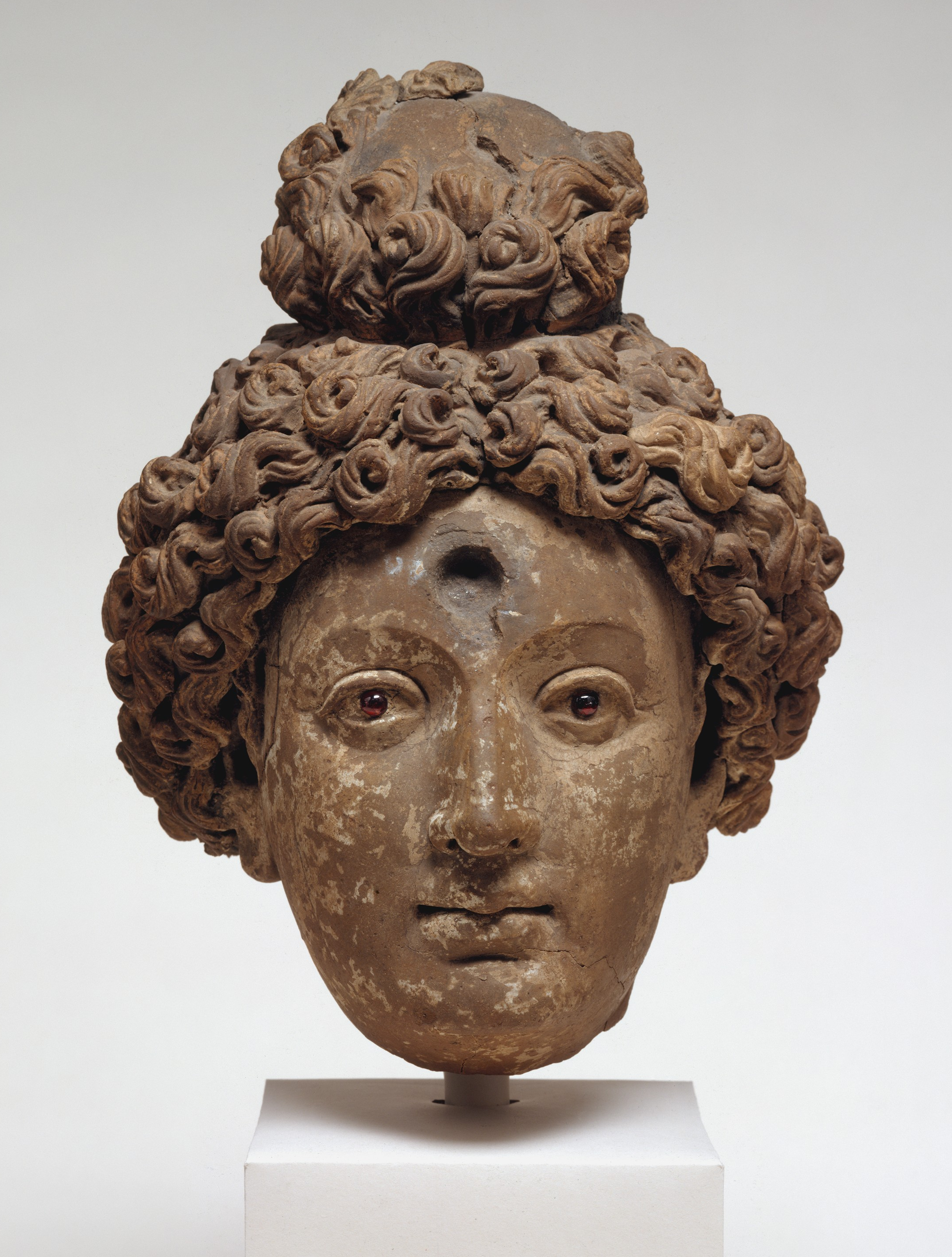
Fondukistan monastery
Buddhist monastery with intricate sculptures
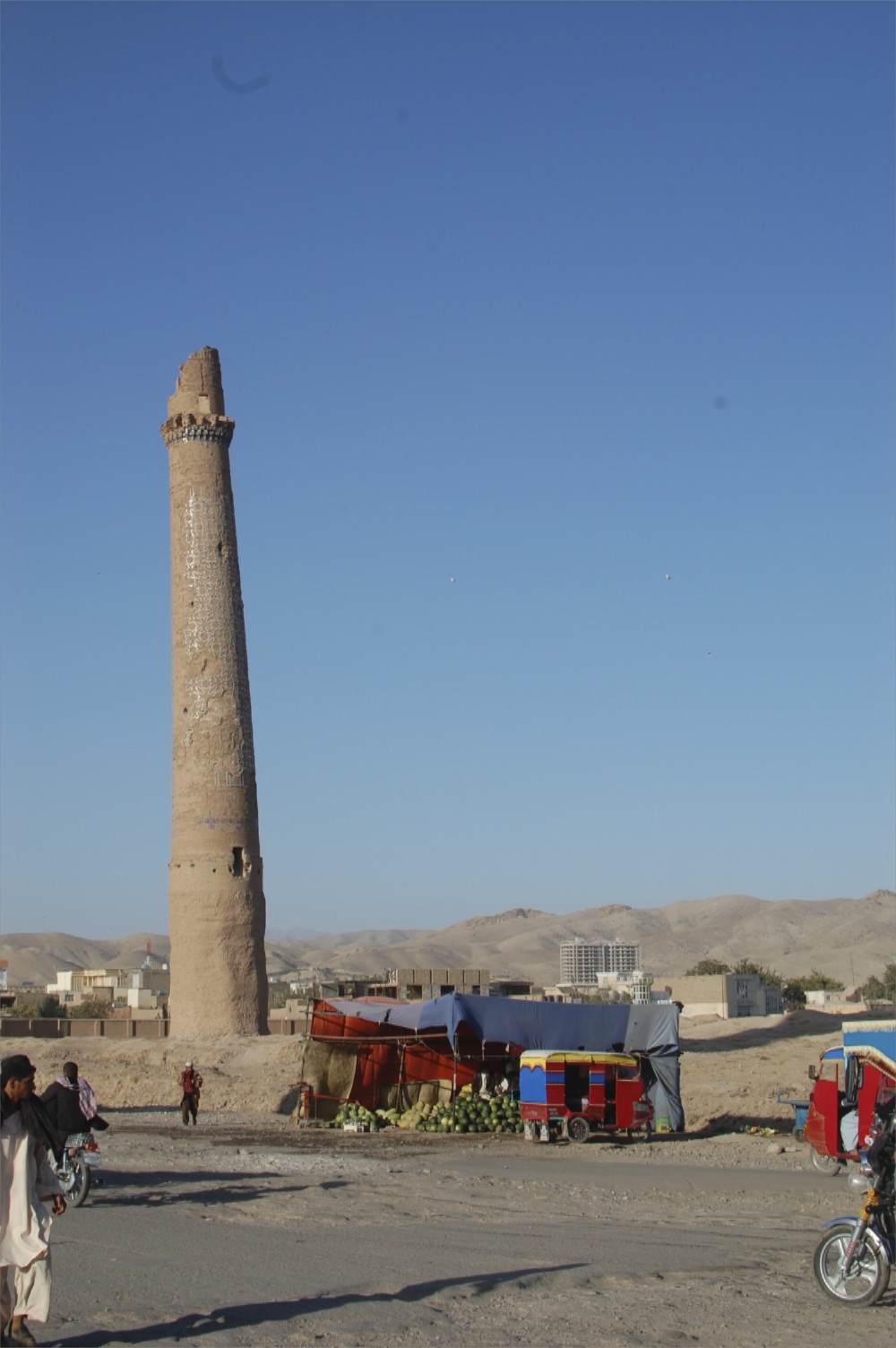
Musalla complex
Timurid architectural ruins with minarets and mausoleums.
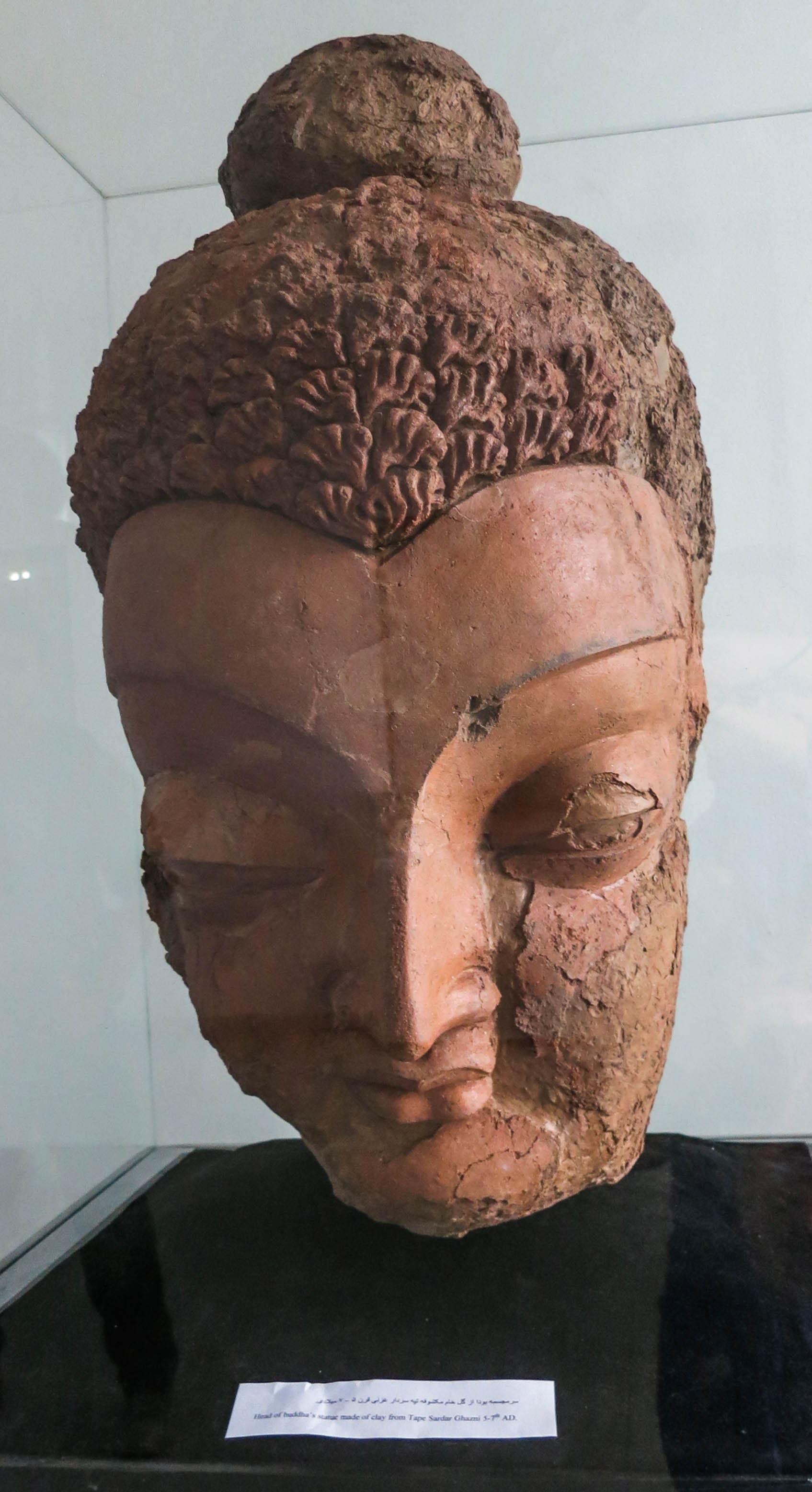
Tepe Sardar
Ancient Buddhist monastery with Hellenistic influence
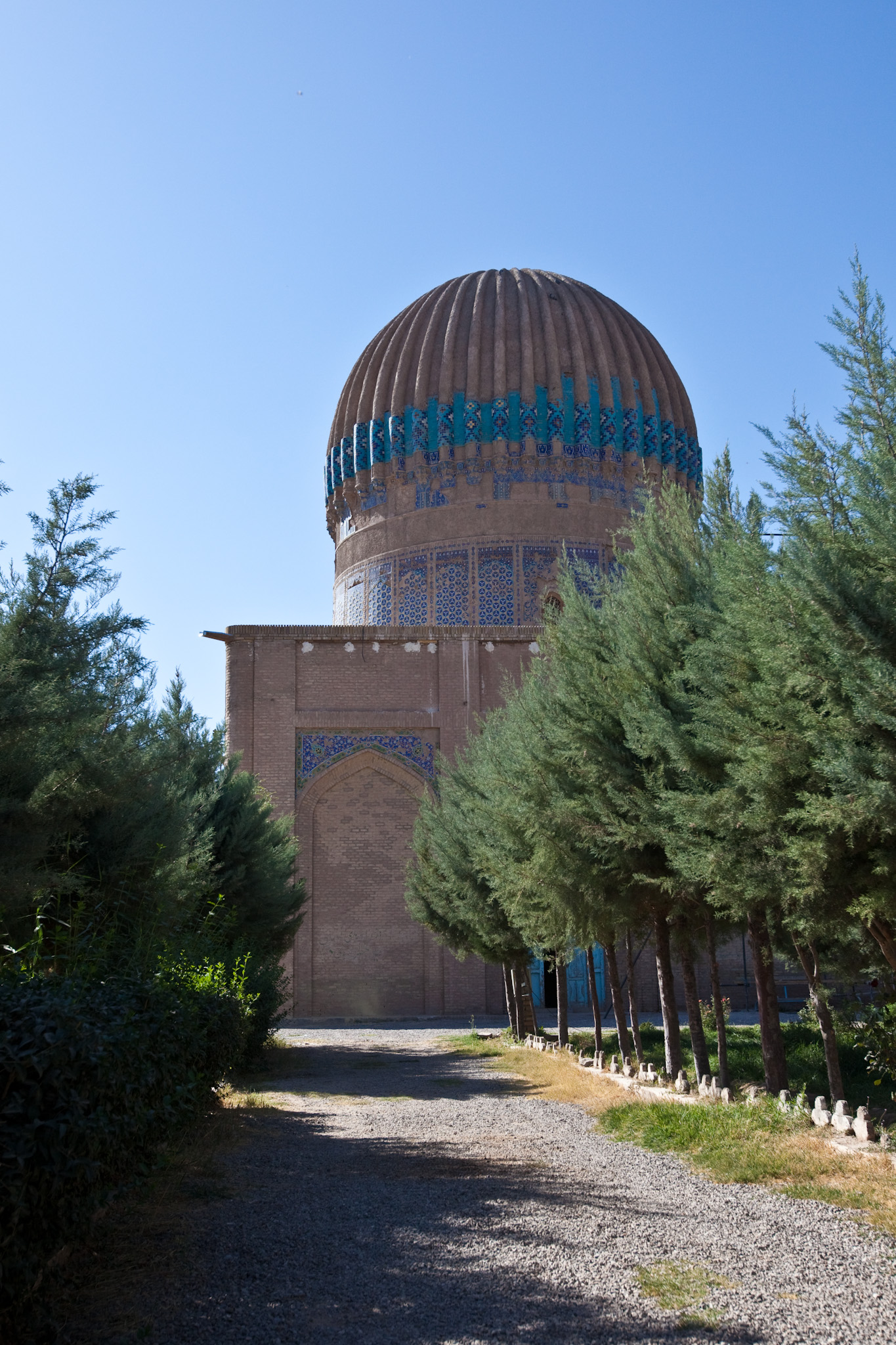
Gawhar Shad Mausoleum
15th-century Timurid royal tomb structure.