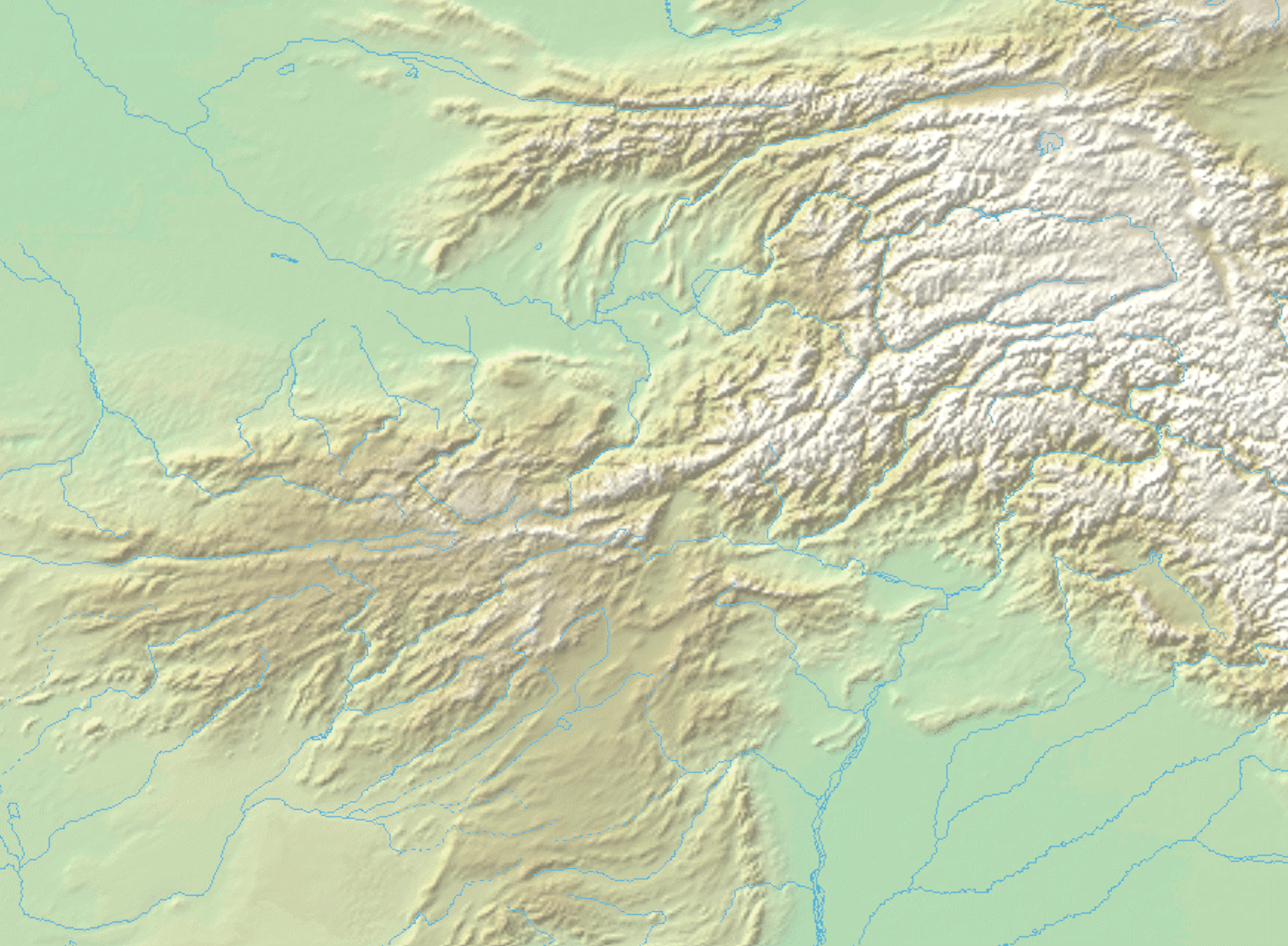
Explore the Map
Tepe Narenj
34.4920° N, 69.1819° E
About
Tepe Narenj, located near Kabul, Afghanistan, is an archaeological site of a Buddhist monastery from the 5th or 6th century CE. The site includes foundations of religious structures such as small stupas and chapels, indicative of Tantric Buddhist practices. The area was notably visited by the Buddhist monk Xuanzang in the 7th century, who documented its cultural significance. The monastery was reportedly destroyed by Muslim armies in the 9th century, after which it fell into obscurity until recent archaeological excavations. The site has yielded coins from the Kushans to the Hindu Shahis, showcasing its historical span. Current threats include erosion and looting, highlighting its precarious state amidst ongoing political instability.
Gallery
Explore photographs of ancient structures, artifacts, and archaeological excavations
Historical Timeline
Journey through time and discover key events in this site's history
Construction of Monastery
5th century CE
Visit by Xuanzang
7th century CE
Destruction by Muslim Armies
9th century CE
Archaeological Features
Unique architectural and cultural elements found at this historical site
Miscellaneous Features
Religious and Ritual Structures
Artistic and Decorative Features
Frequently Asked Questions
Plan Your Visit
Tours, travel arrangements, and practical information
More Sites in Afghanistan
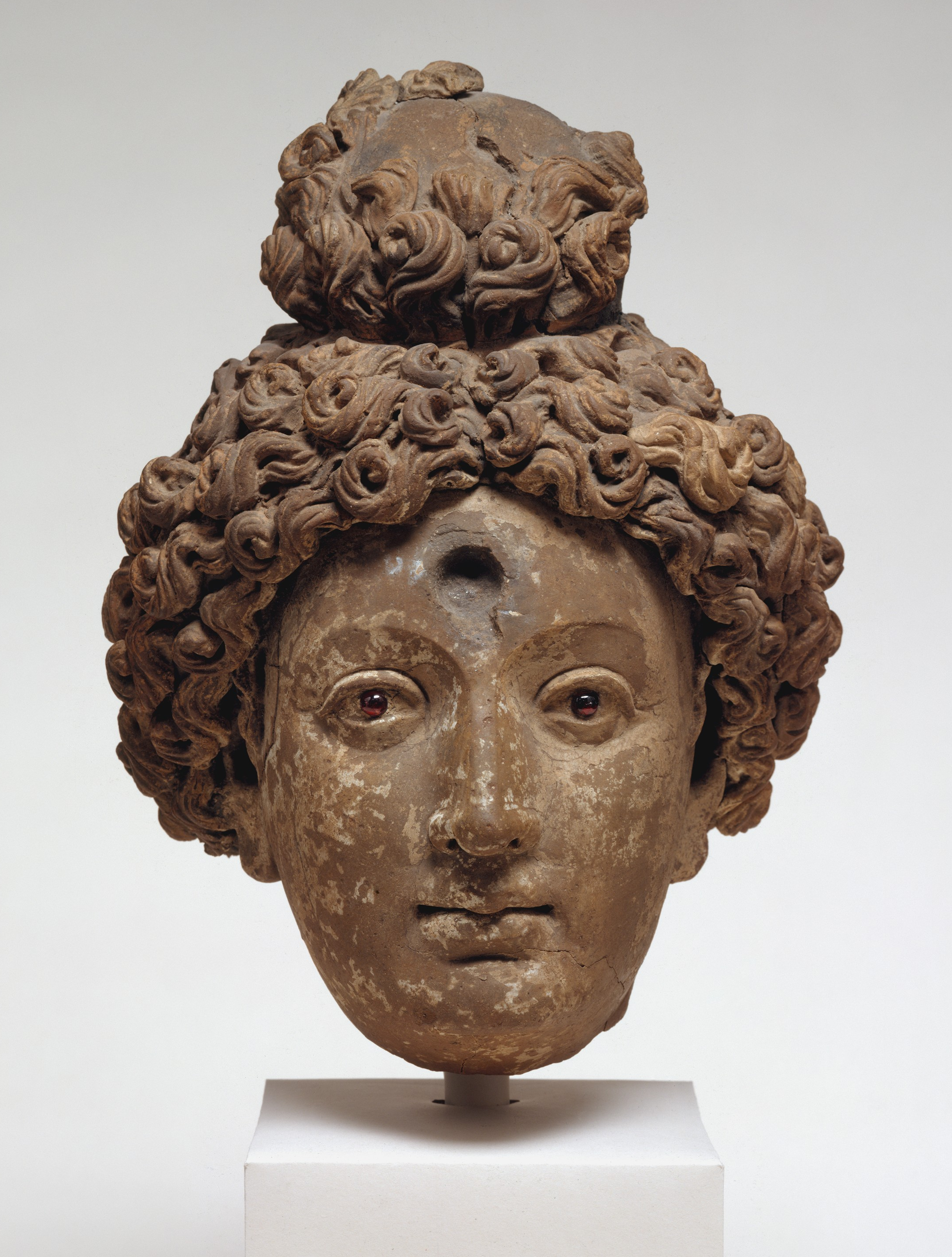
Tapa Shotor
Large Sarvastivadin monastery with Hellenistic influences
Dilberjin Tepe
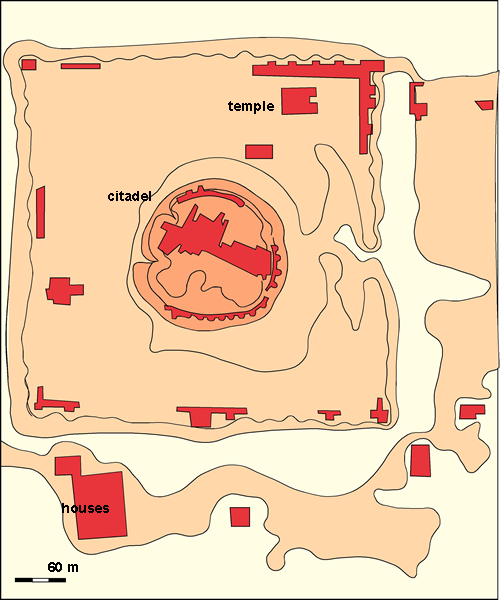
Ancient town with Kushan-era citadel and murals.
Mes Aynak
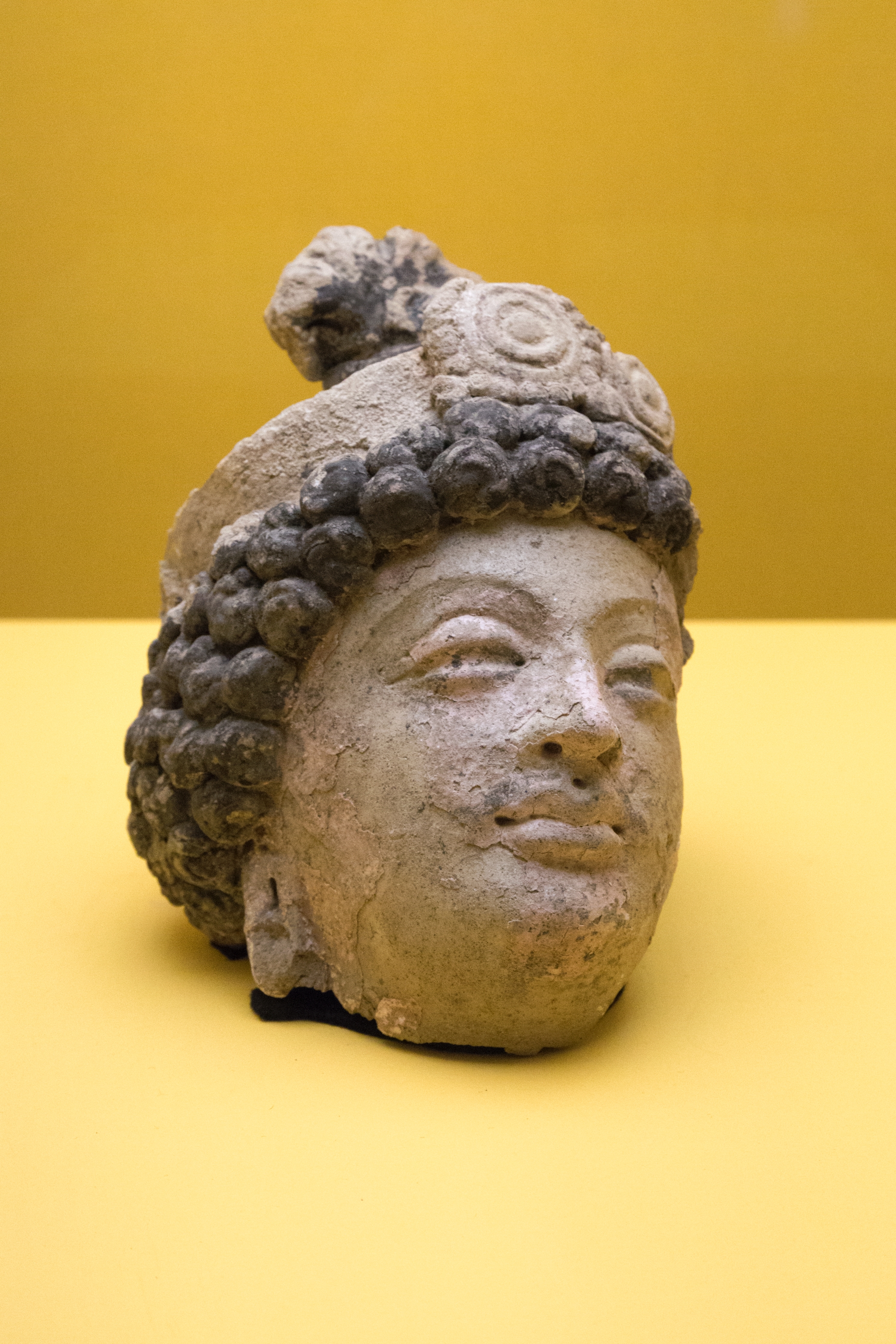
Buddhist settlement with copper deposits
Buddhas of Bamiyan
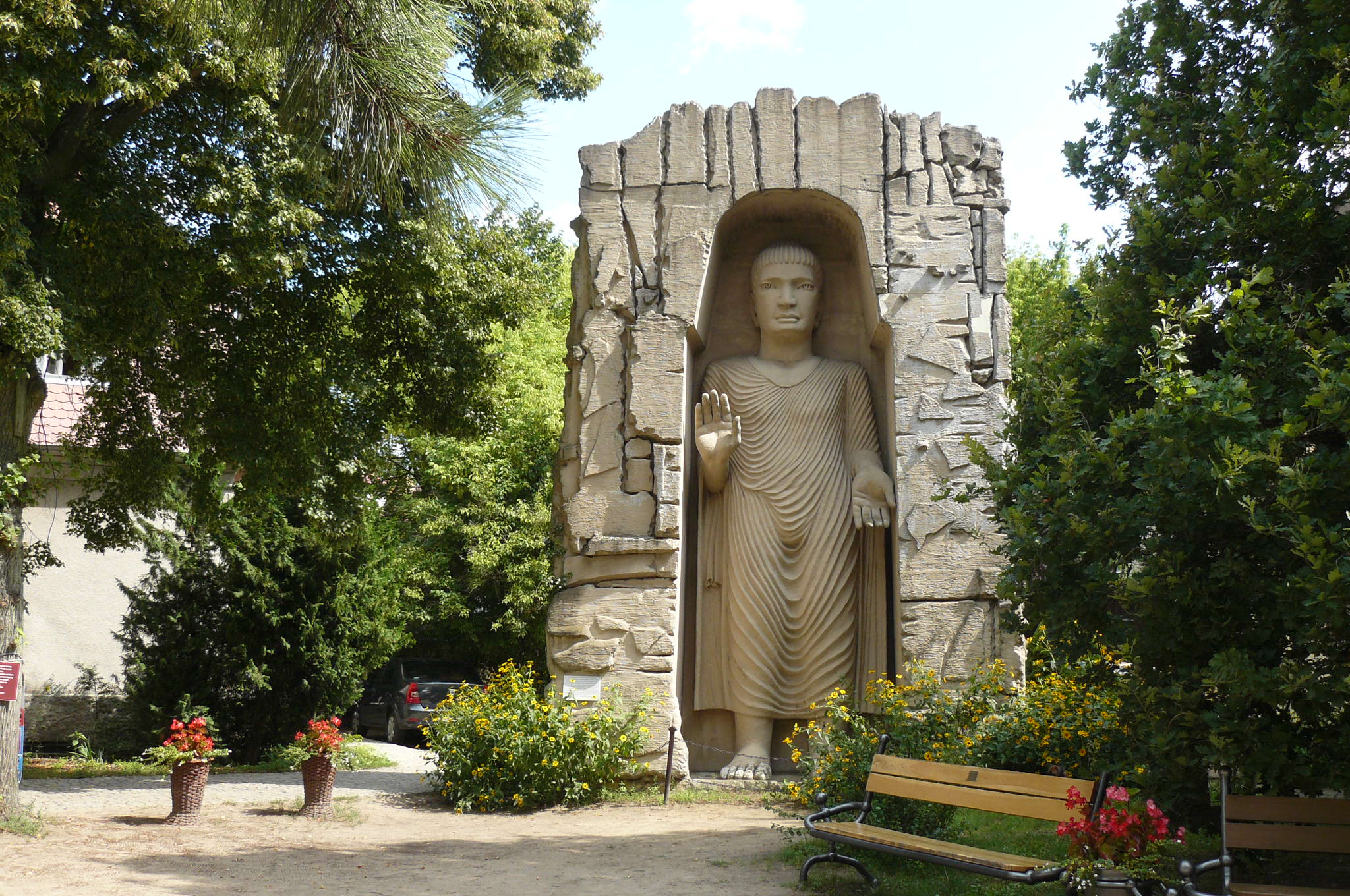
Monumental Buddhist statues in cliff niches
Musalla complex
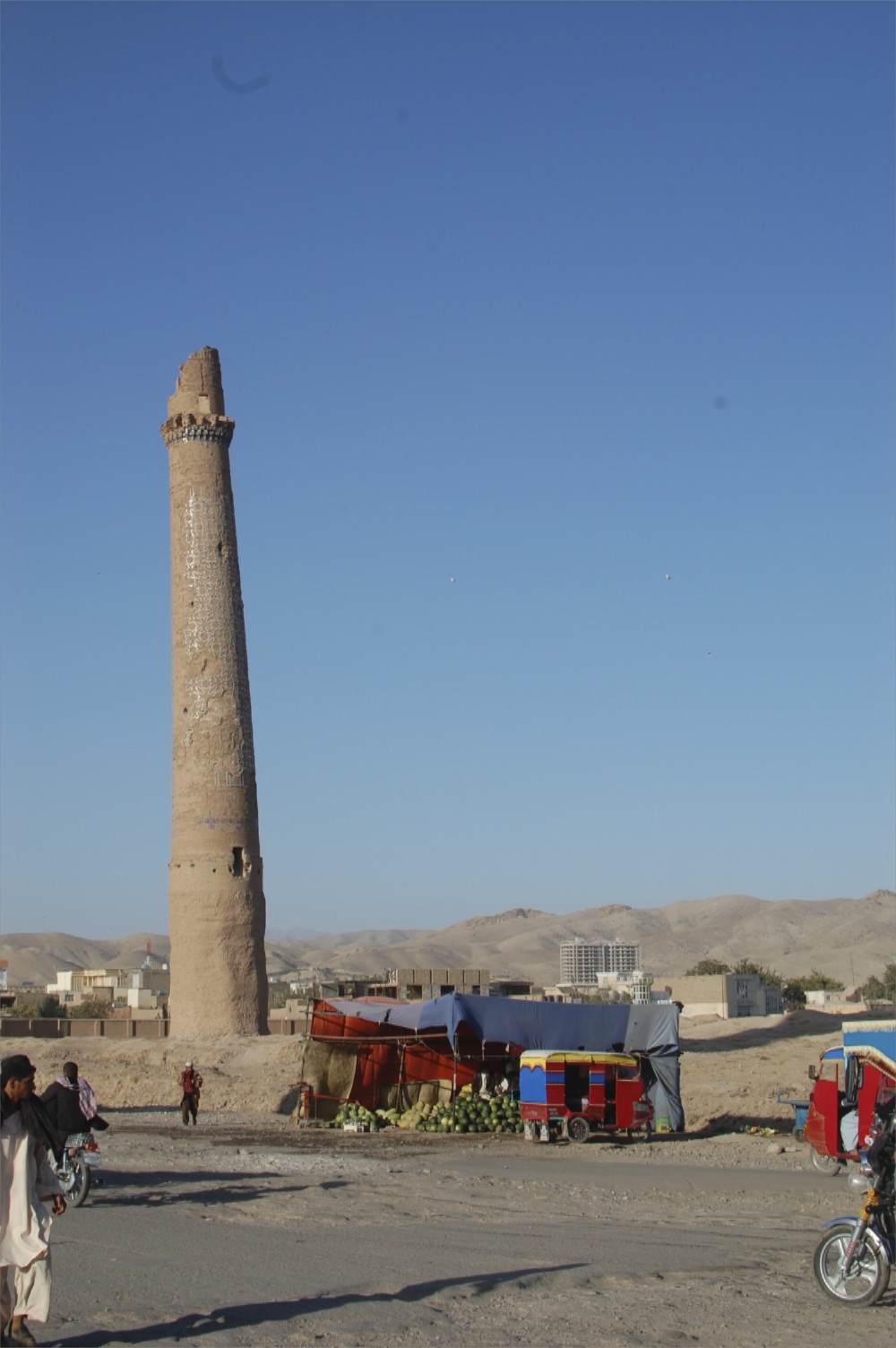
Timurid architectural ruins with minarets and mausoleums.
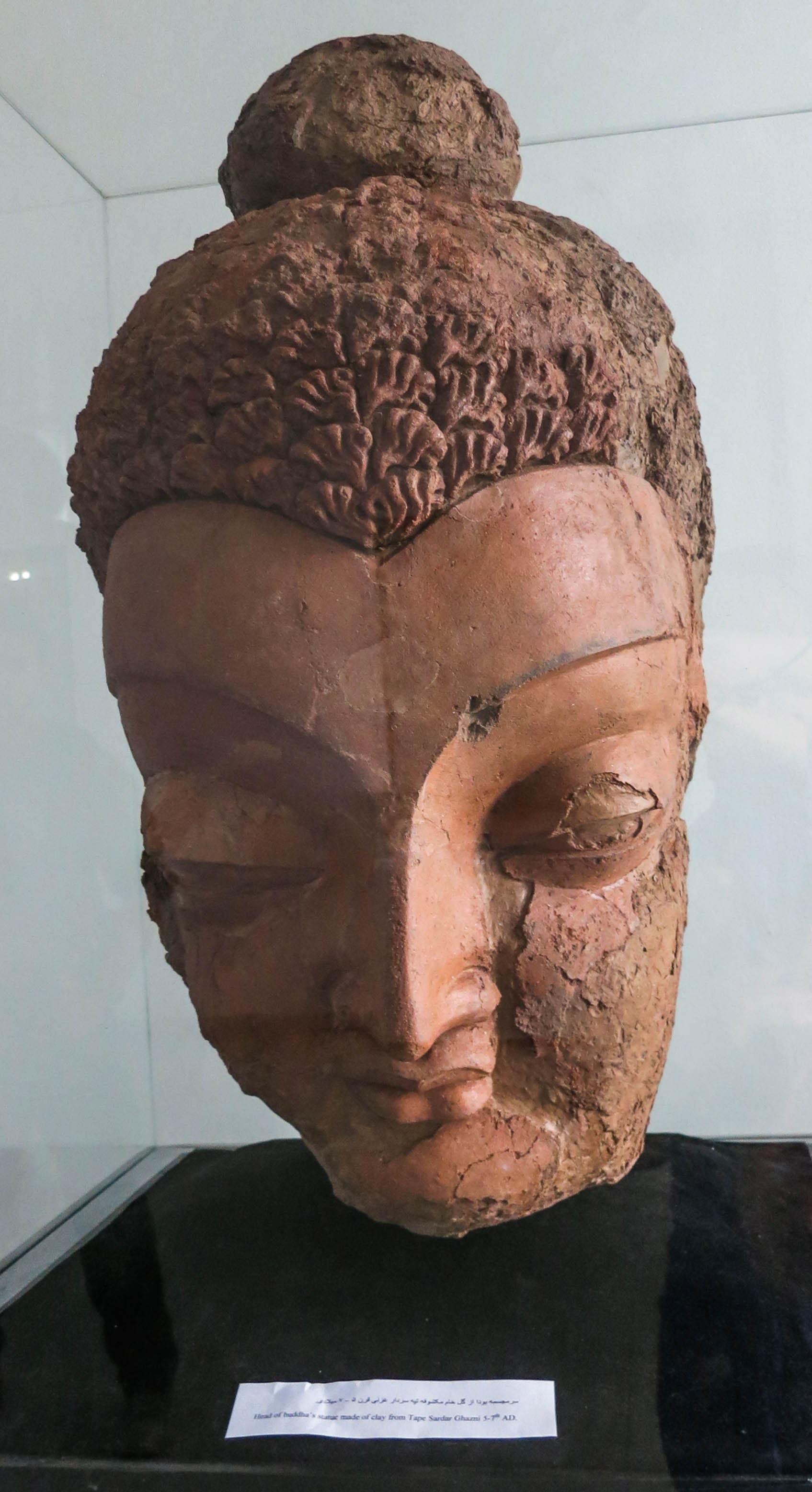
Tepe Sardar
Ancient Buddhist monastery with Hellenistic influence