Explore the Map
Dokhtar-i-Noshirwan
35.7592° N, 67.8761° E
About
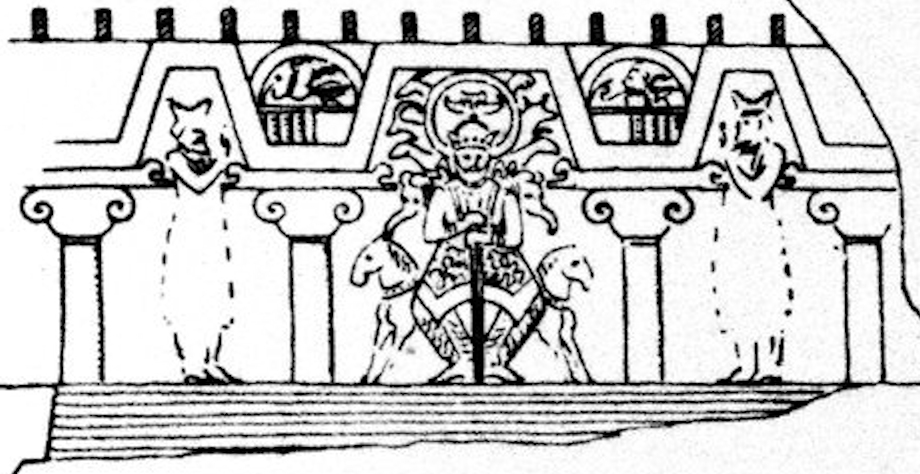
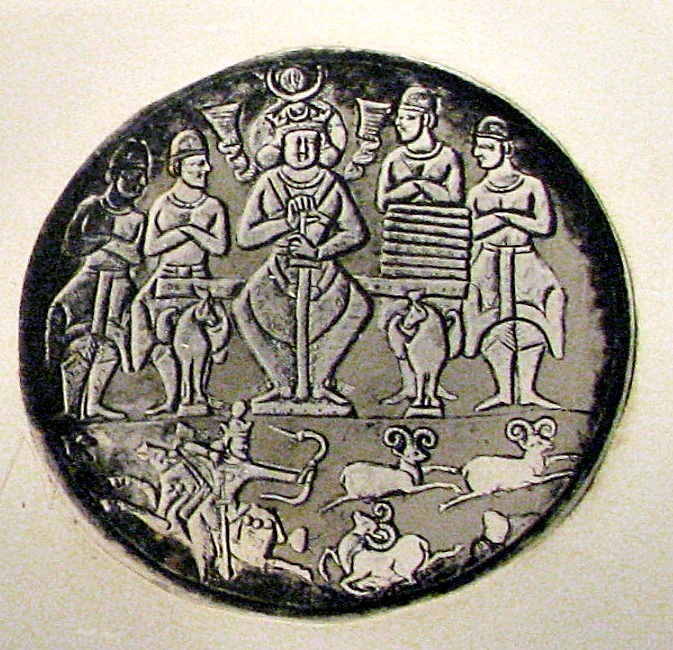
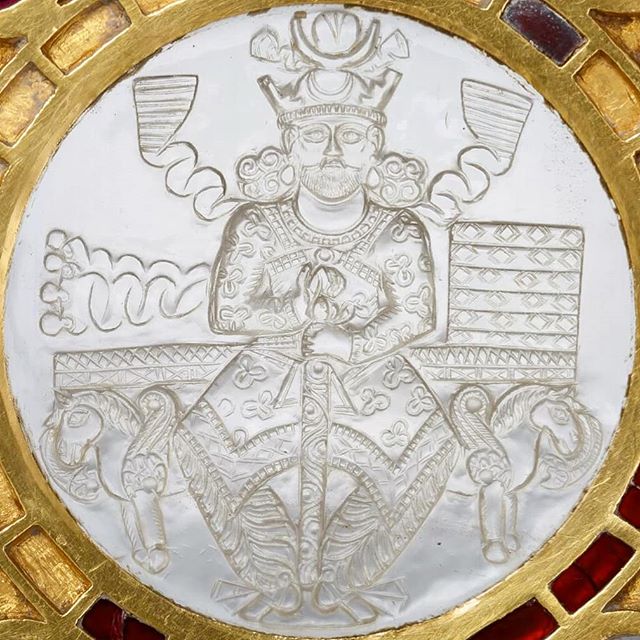
Dokhtar-i-Noshirwan, located in the Ḵolm valley of northern Afghanistan, is a significant archaeological site featuring the largest non-Buddhist mural in the country. The mural portrays a local ruler, possibly of Hephthalite origin, in a posture reminiscent of Khosrau II, with a beast-headed crown similar to those found on Shahi Tegin coins. This artistic representation suggests influence from and connections to other regions and cultures, possibly stemming from artists from nearby Bamiyan or Kakrak. The depiction dates back to the Early Post-Classical Period, specifically around the 6th century CE. This site provides valuable insights into the cultural and political dynamics of the region during that time, particularly the interactions between local and external influences.
Gallery
Explore photographs of ancient structures, artifacts, and archaeological excavations
Historical Timeline
Journey through time and discover key events in this site's history
Local ruler depicted in mural
500 CE - 600 CE
Archaeological Features
Unique architectural and cultural elements found at this historical site
Artistic and Decorative Features
Frequently Asked Questions
Plan Your Visit
Tours, travel arrangements, and practical information
More Sites in Afghanistan
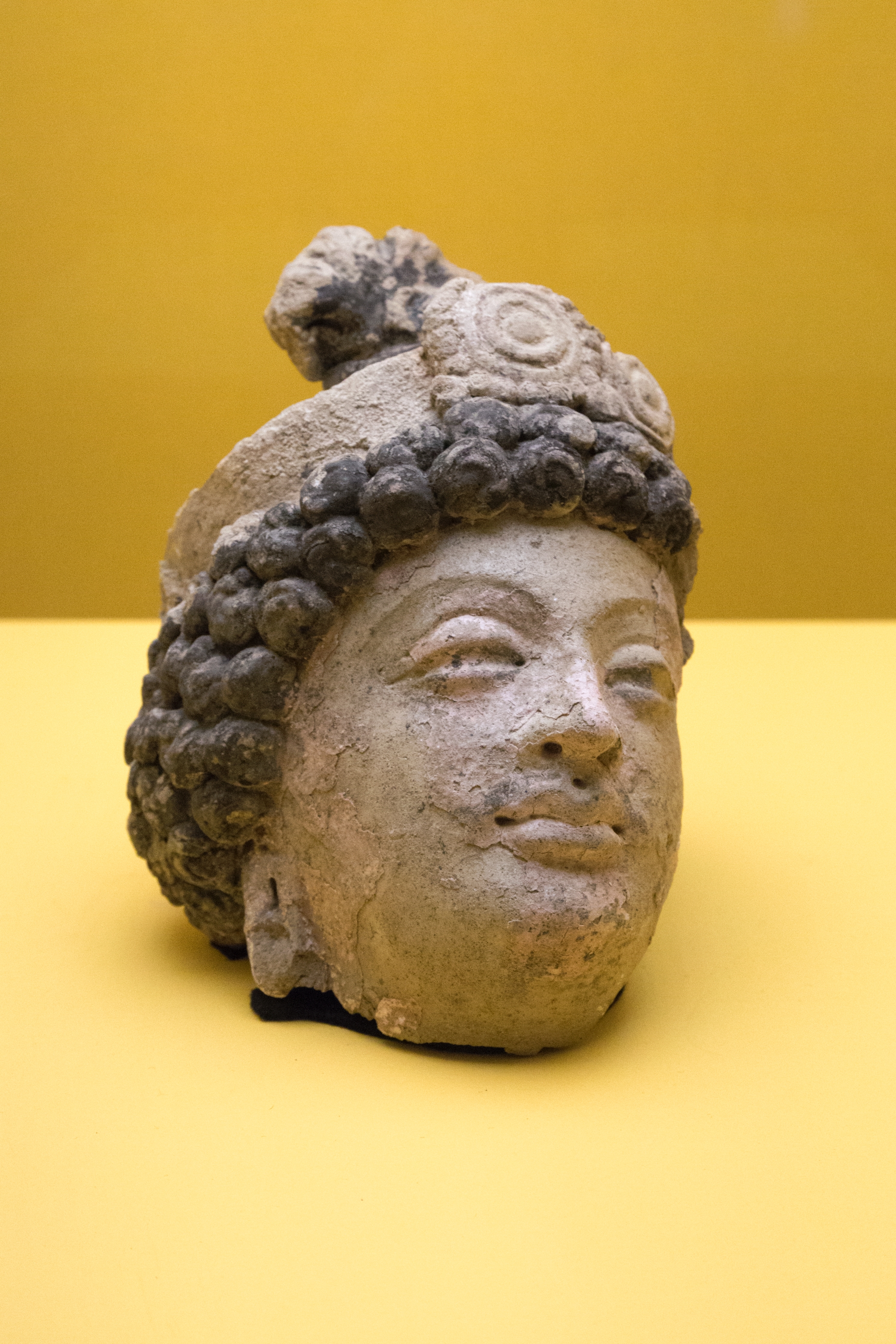
Mes Aynak
Buddhist settlement with copper deposits
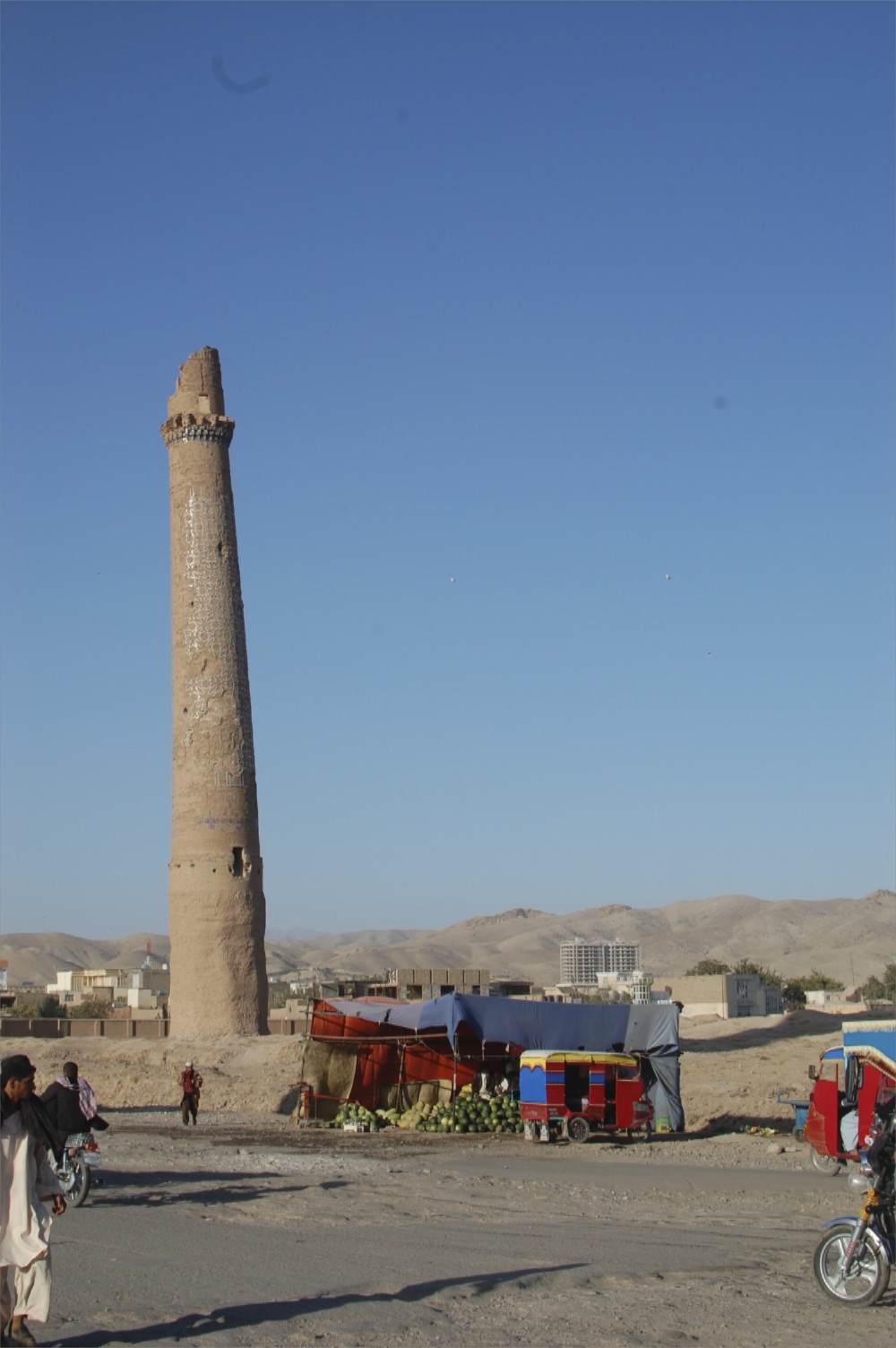
Musalla complex
Timurid architectural ruins with minarets and mausoleums.
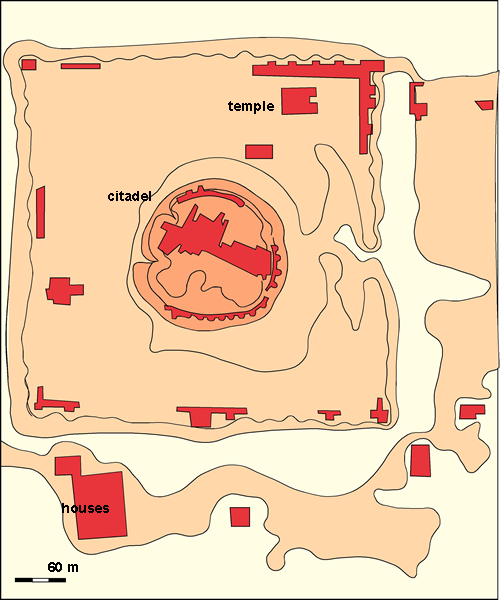
Dilberjin Tepe
Ancient town with Kushan-era citadel and murals.
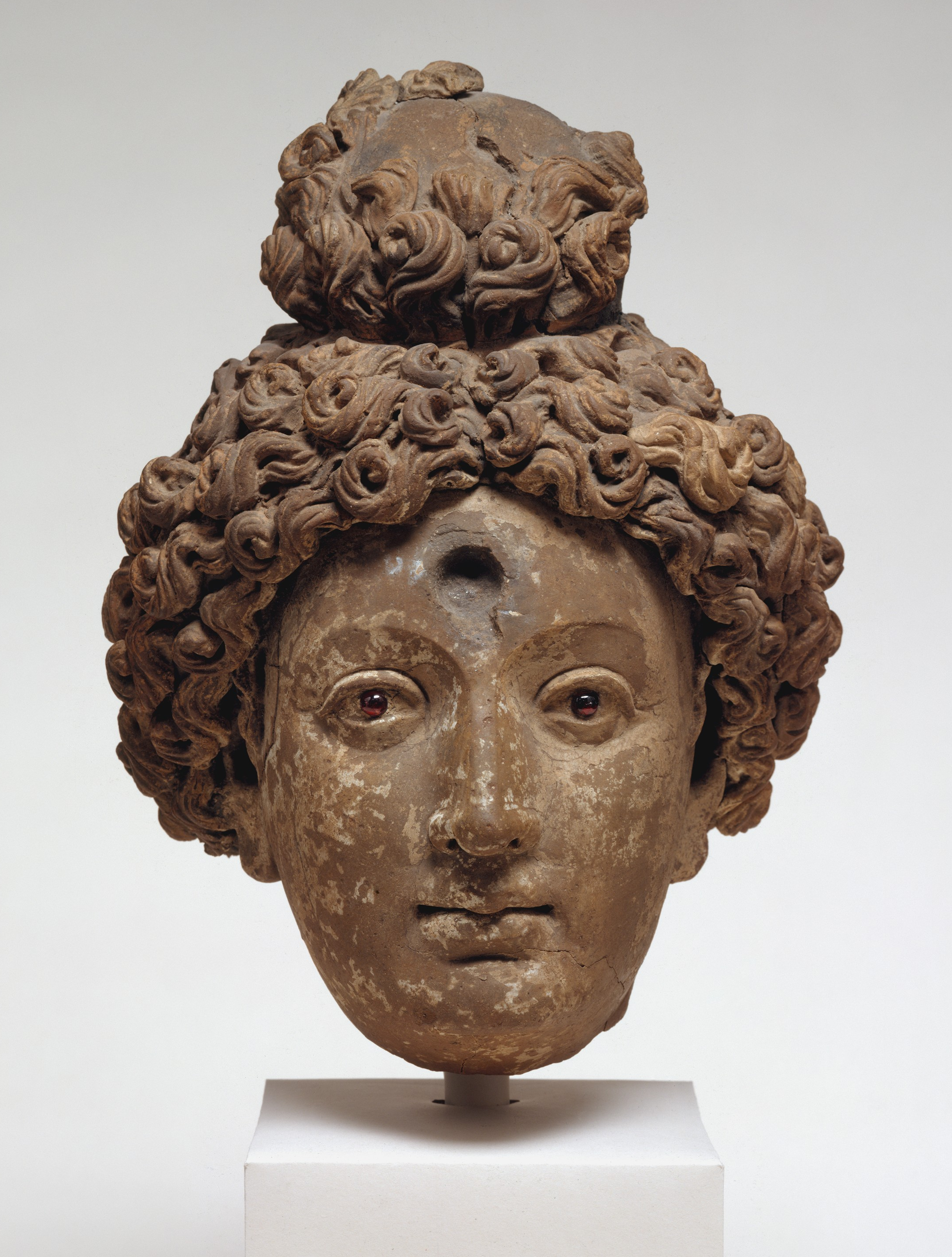
Tapa Shotor
Large Sarvastivadin monastery with Hellenistic influences
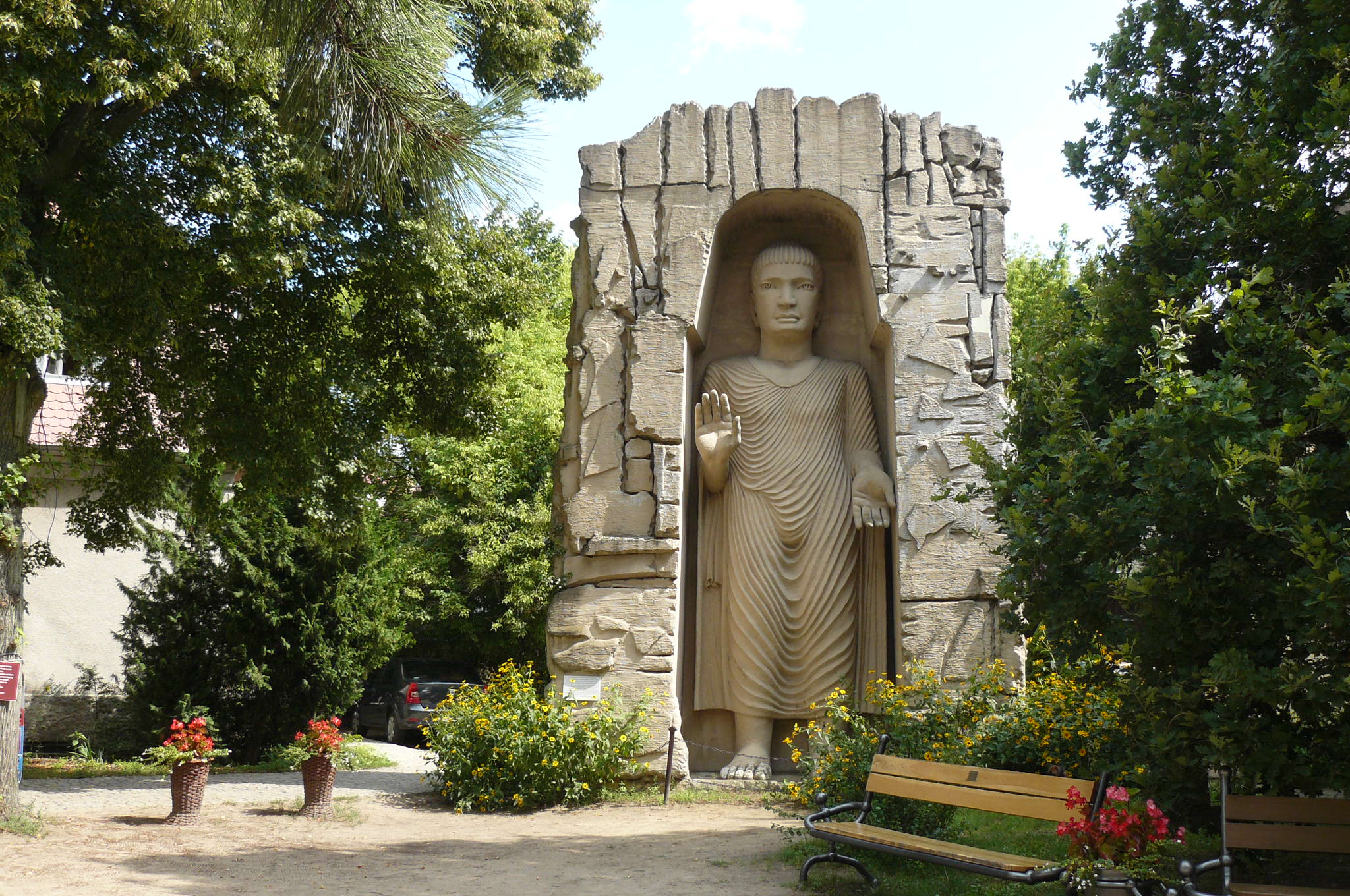
Buddhas of Bamiyan
Monumental Buddhist statues in cliff niches
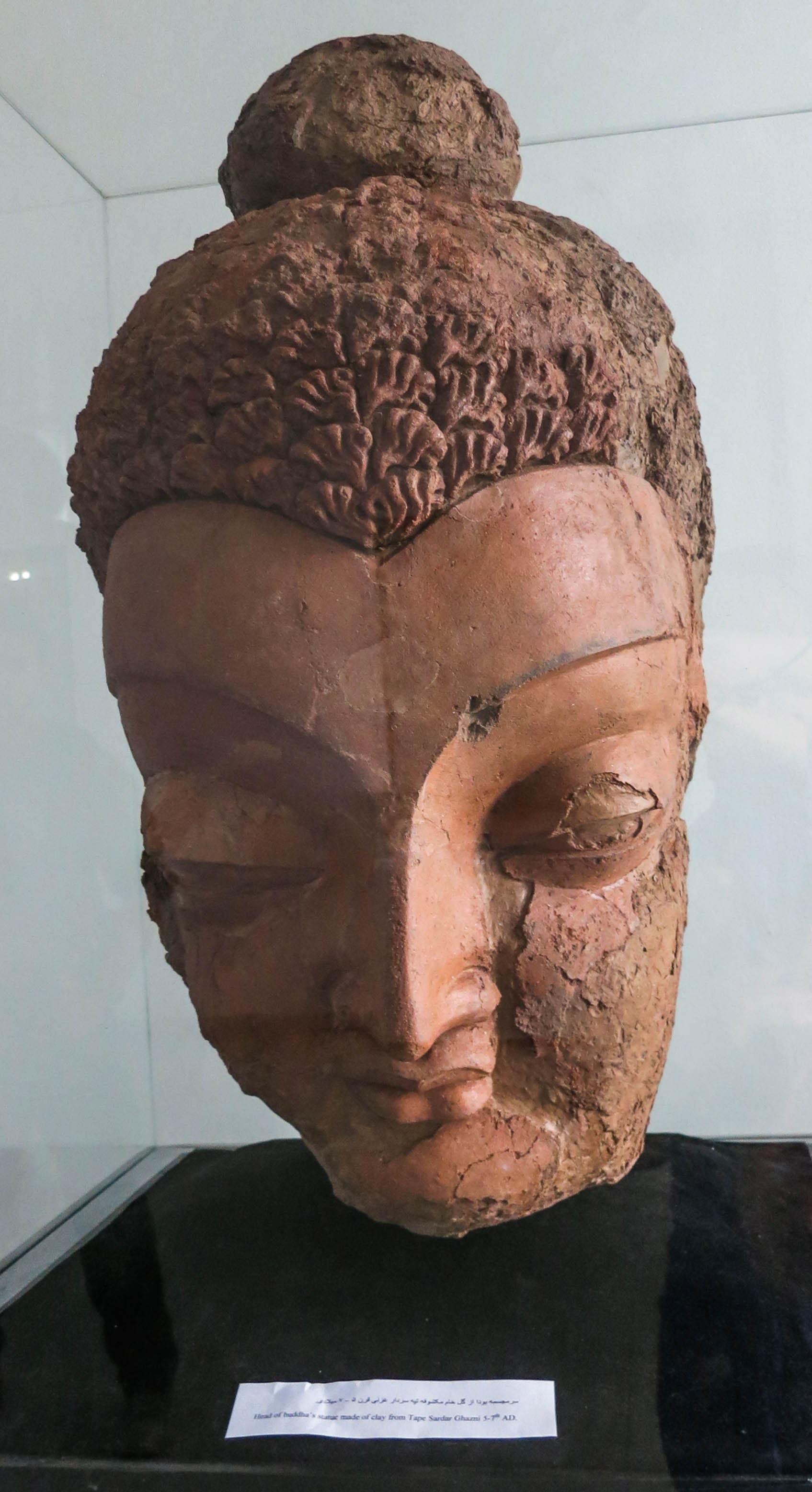
Tepe Sardar
Ancient Buddhist monastery with Hellenistic influence