Explore the Map
Fondukistan monastery
34.9696° N, 68.8769° E
About
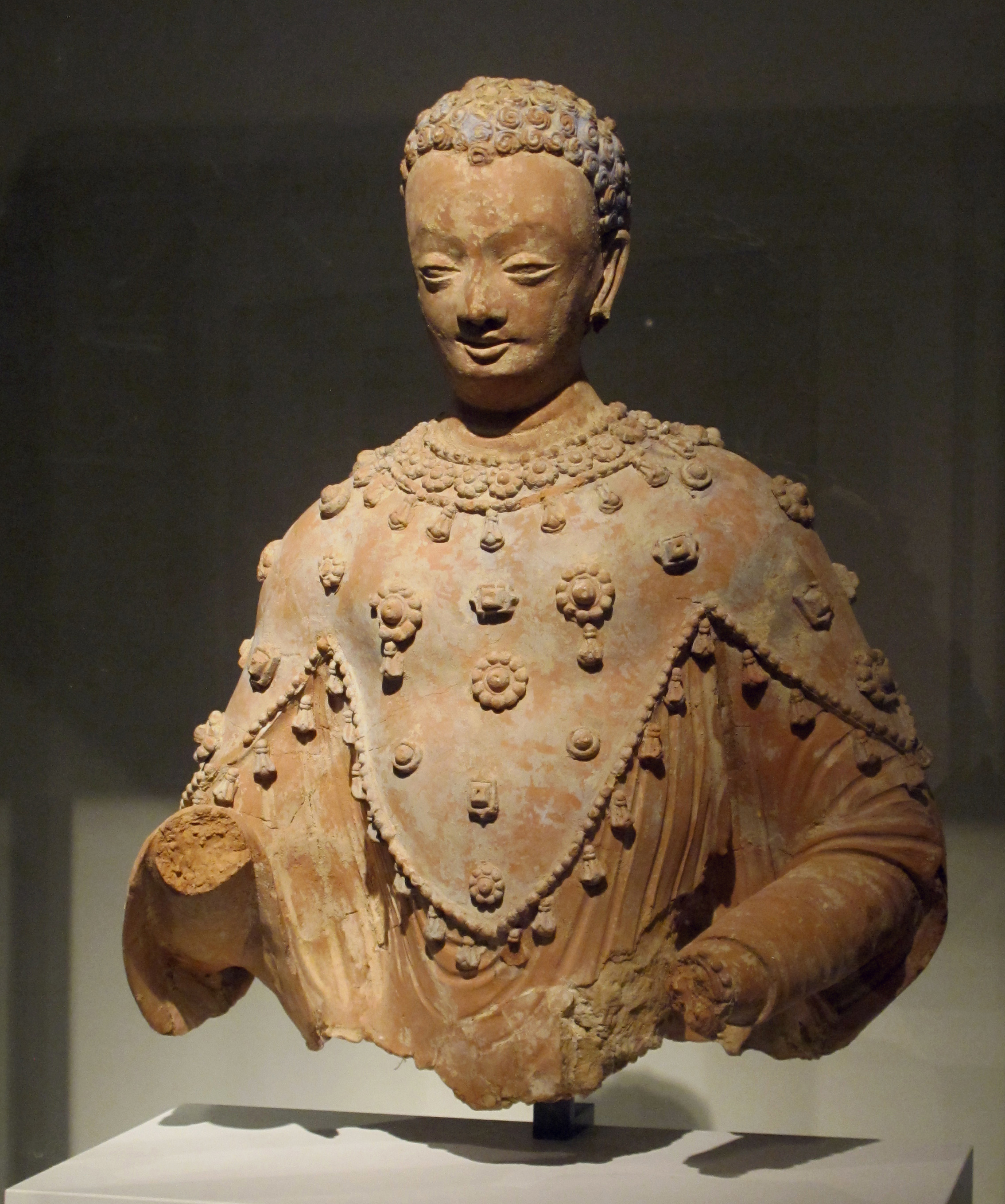
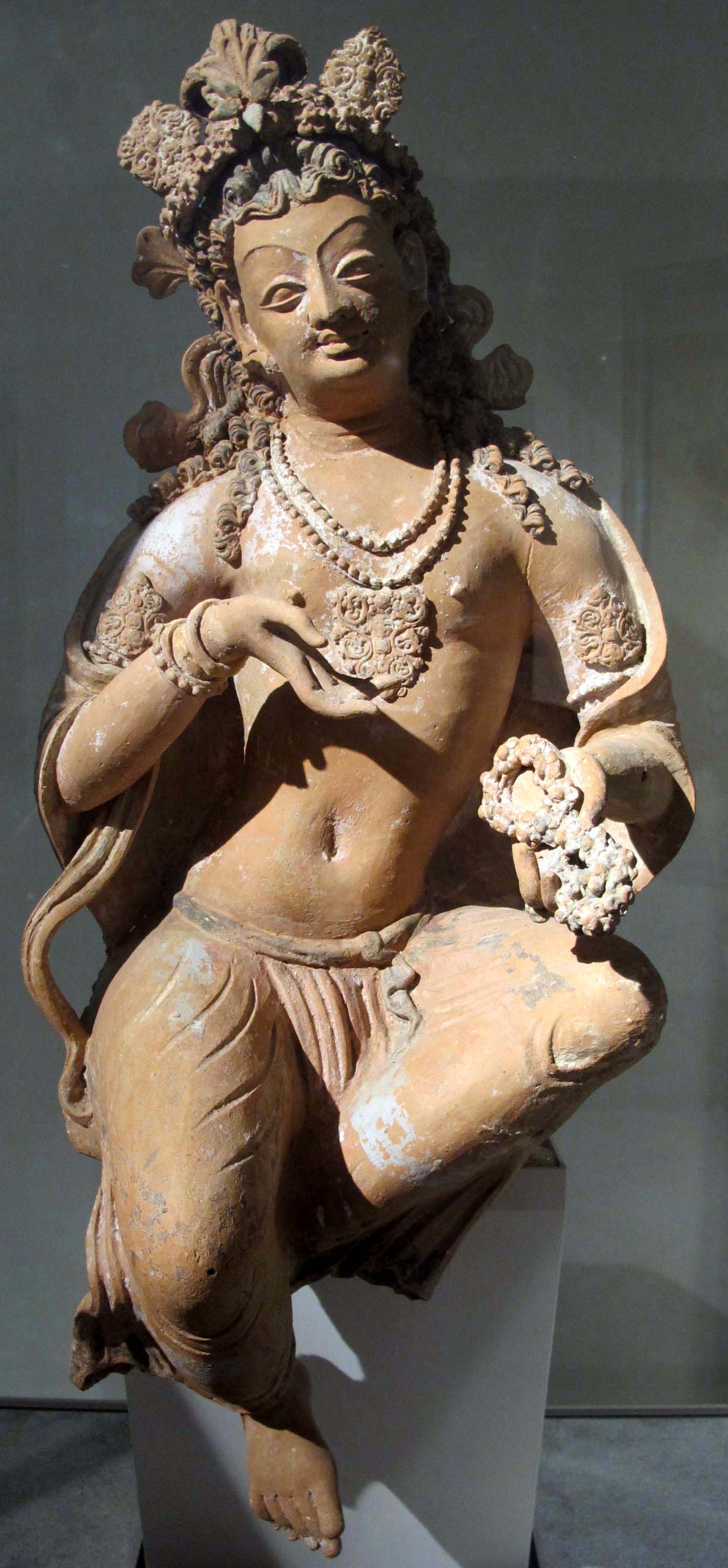
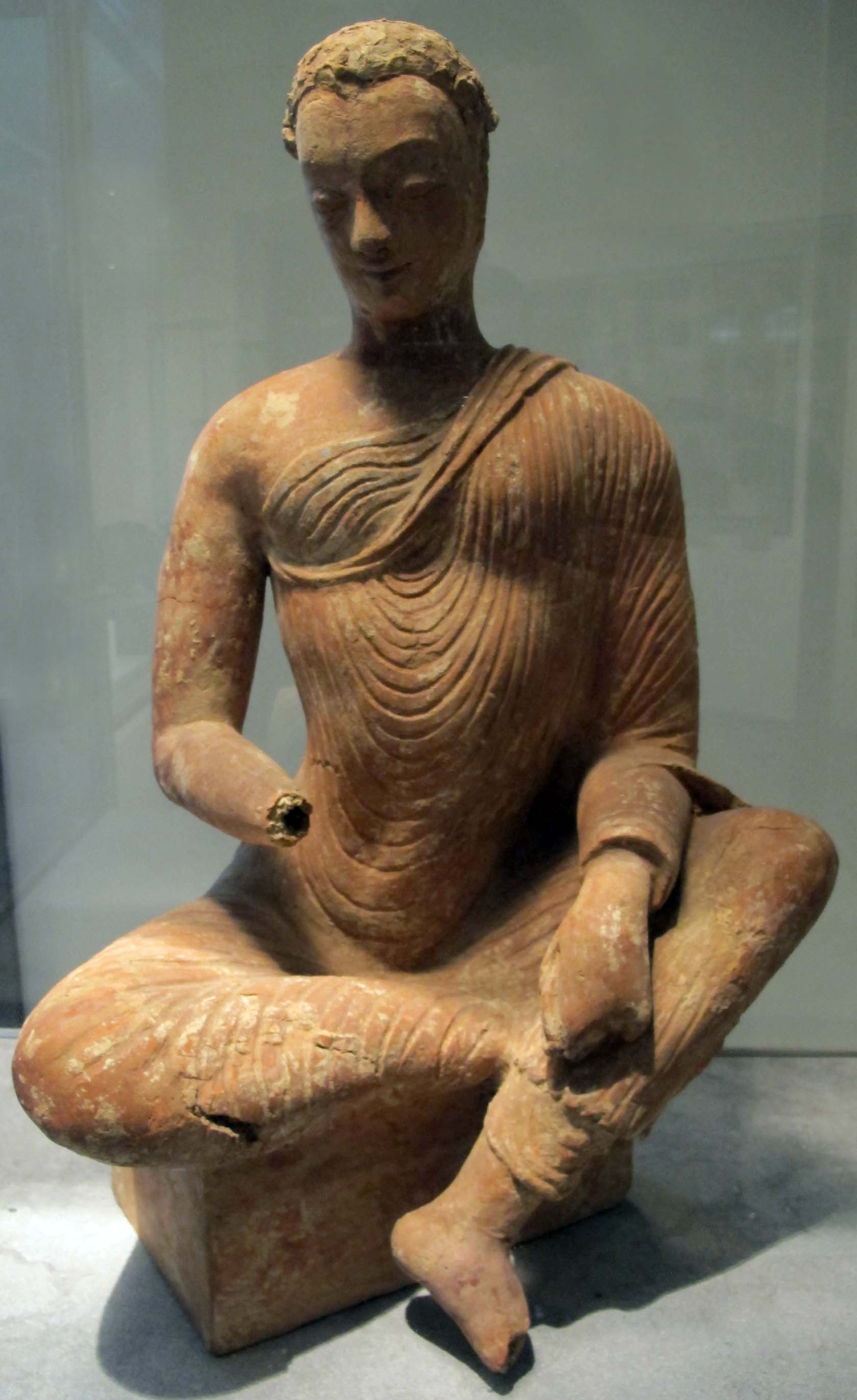
The Fondukistan Monastery, situated atop a conical hill in Parwan Province, Afghanistan, is a significant archaeological site dating to the early 8th century CE. This Buddhist monastery is notable for its intricate sculptures and vibrant painted backgrounds, reflecting a high level of artistic achievement during this period. The art at Fondukistan exhibits influences from the Hephthalites, Sasanian culture, and the Greco-Buddhist tradition, indicative of the diverse cultural exchanges in the region. Additionally, the site highlights the impact of Chinese and Indian cultural interactions, as seen in the hybrid Indian-Sinicized styles of the artworks. Important numismatic evidence, including coins from the Buddhist Turk Shahis, provides a secure dating reference for the site's construction and artistic activities. The Fondukistan Monastery serves as a crucial reference point for understanding the development of Buddhist art in the Hindu Kush and Central Asia during the early Post-Classical Period.
Gallery
Explore photographs of ancient structures, artifacts, and archaeological excavations
Historical Timeline
Journey through time and discover key events in this site's history
Construction of Monastery
around 700 CE
Archaeological Features
Unique architectural and cultural elements found at this historical site
Religious and Ritual Structures
Artistic and Decorative Features
Frequently Asked Questions
Plan Your Visit
Tours, travel arrangements, and practical information
More Sites in Afghanistan
Tapa Shotor
Large Sarvastivadin monastery with Hellenistic influences
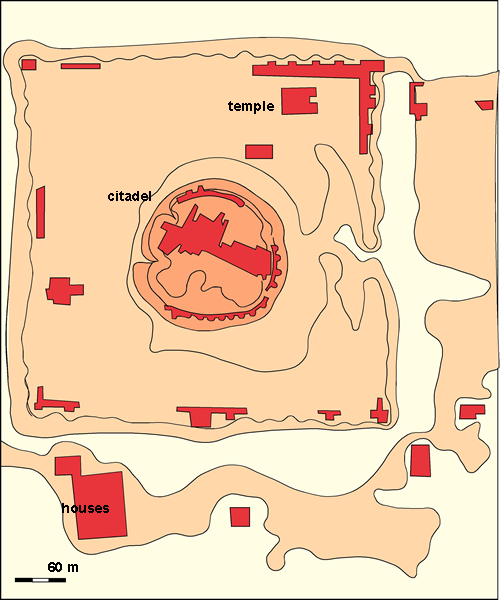
Dilberjin Tepe
Ancient town with Kushan-era citadel and murals.
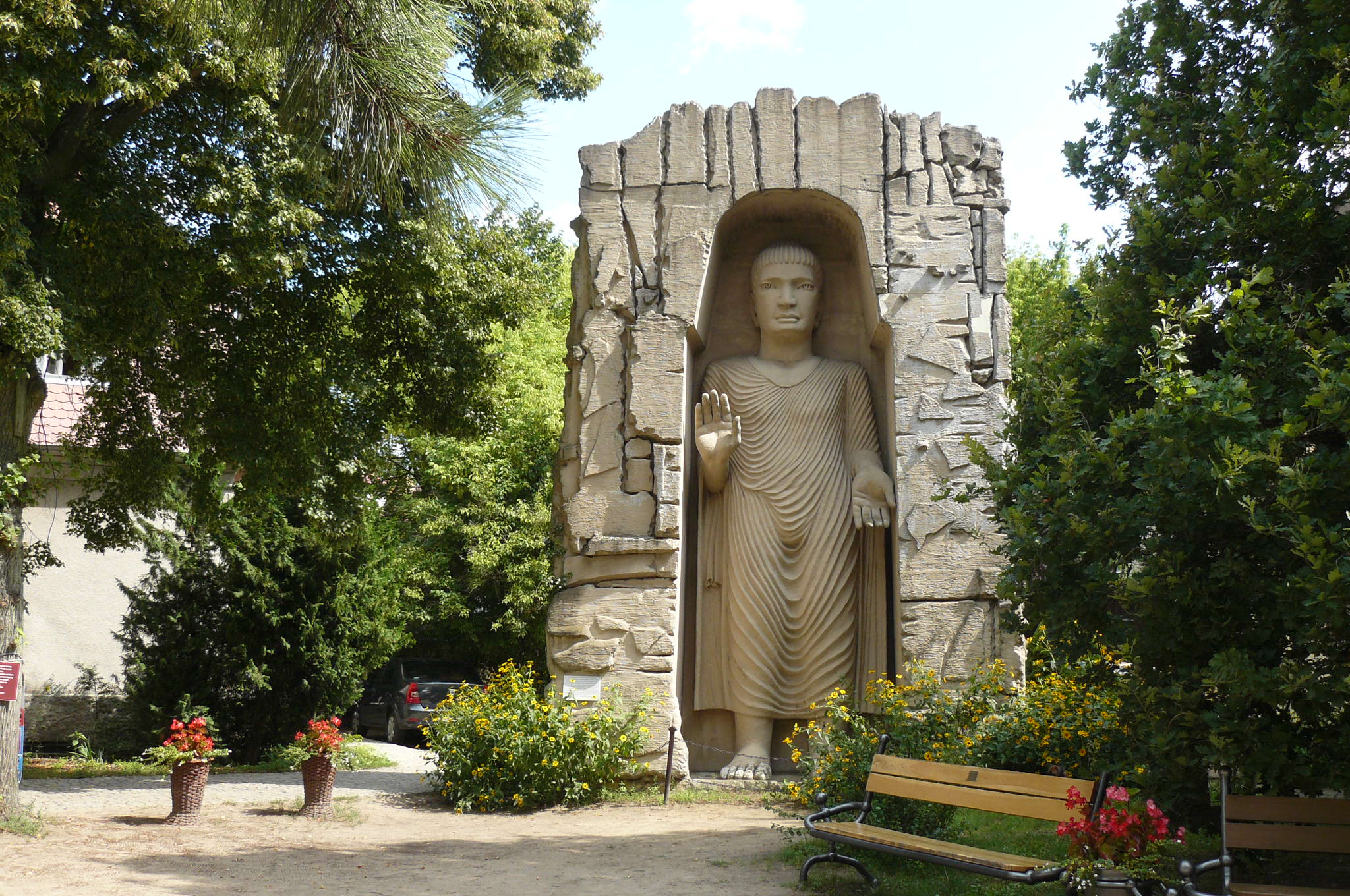
Buddhas of Bamiyan
Monumental Buddhist statues in cliff niches
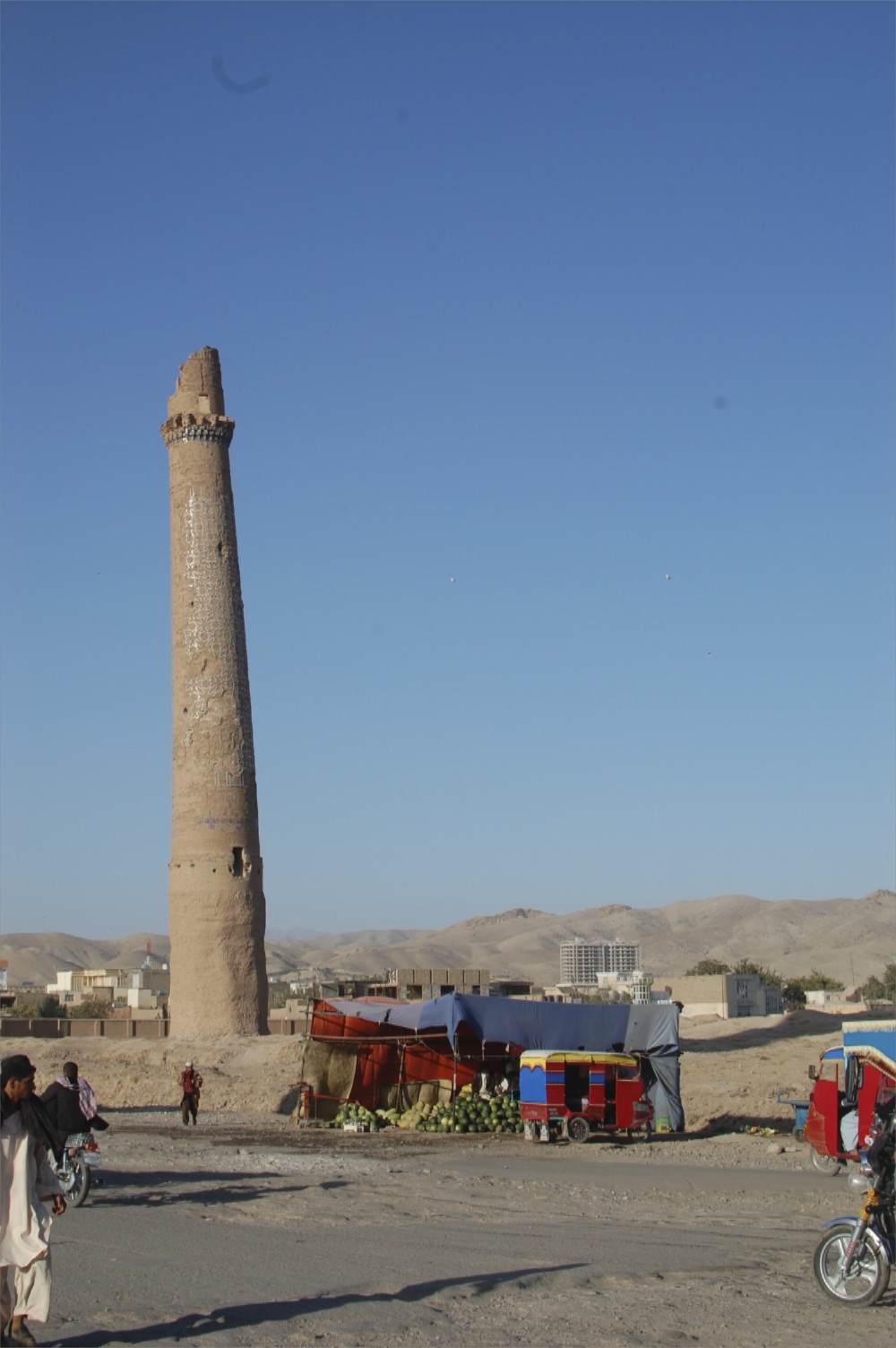
Musalla complex
Timurid architectural ruins with minarets and mausoleums.
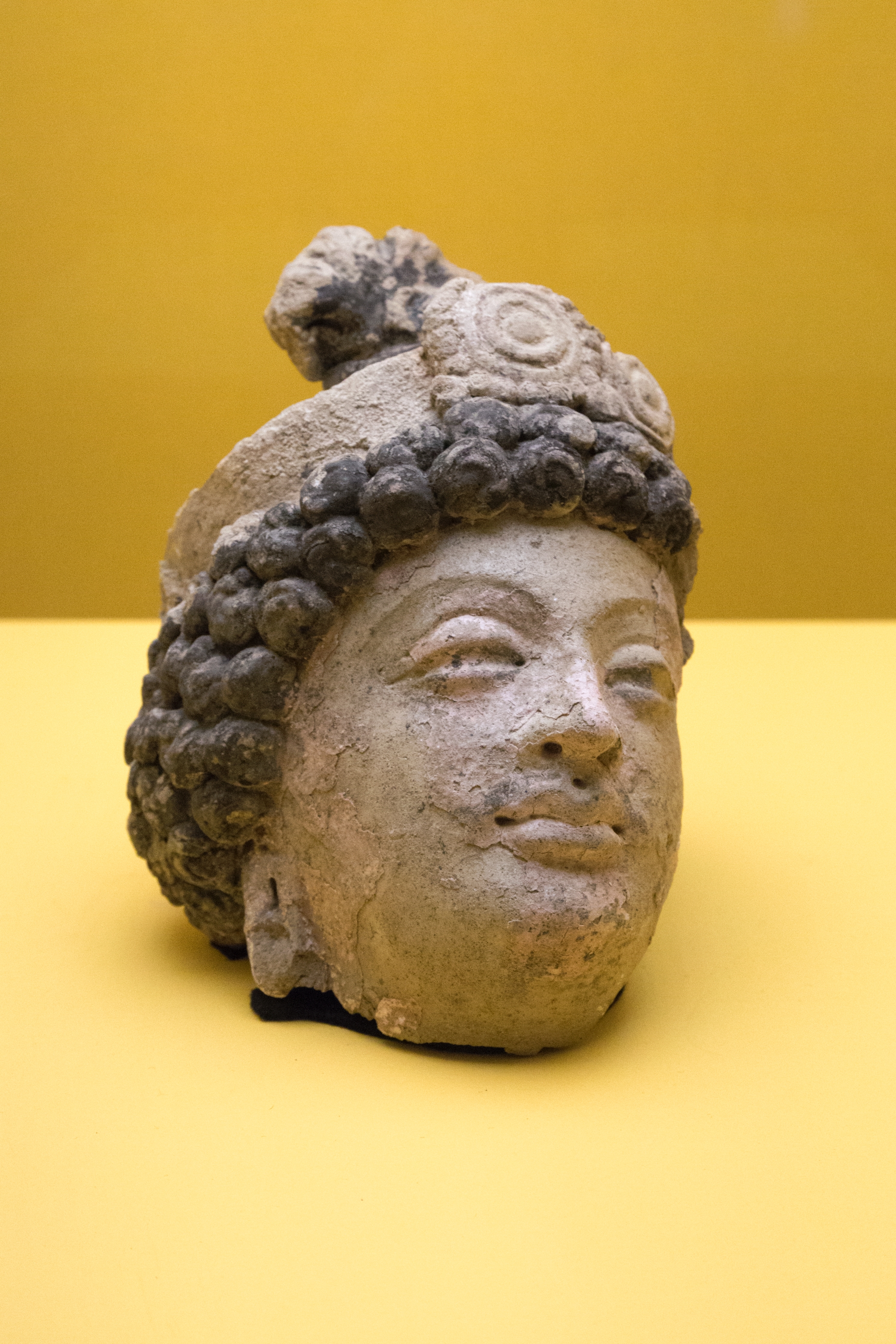
Mes Aynak
Buddhist settlement with copper deposits
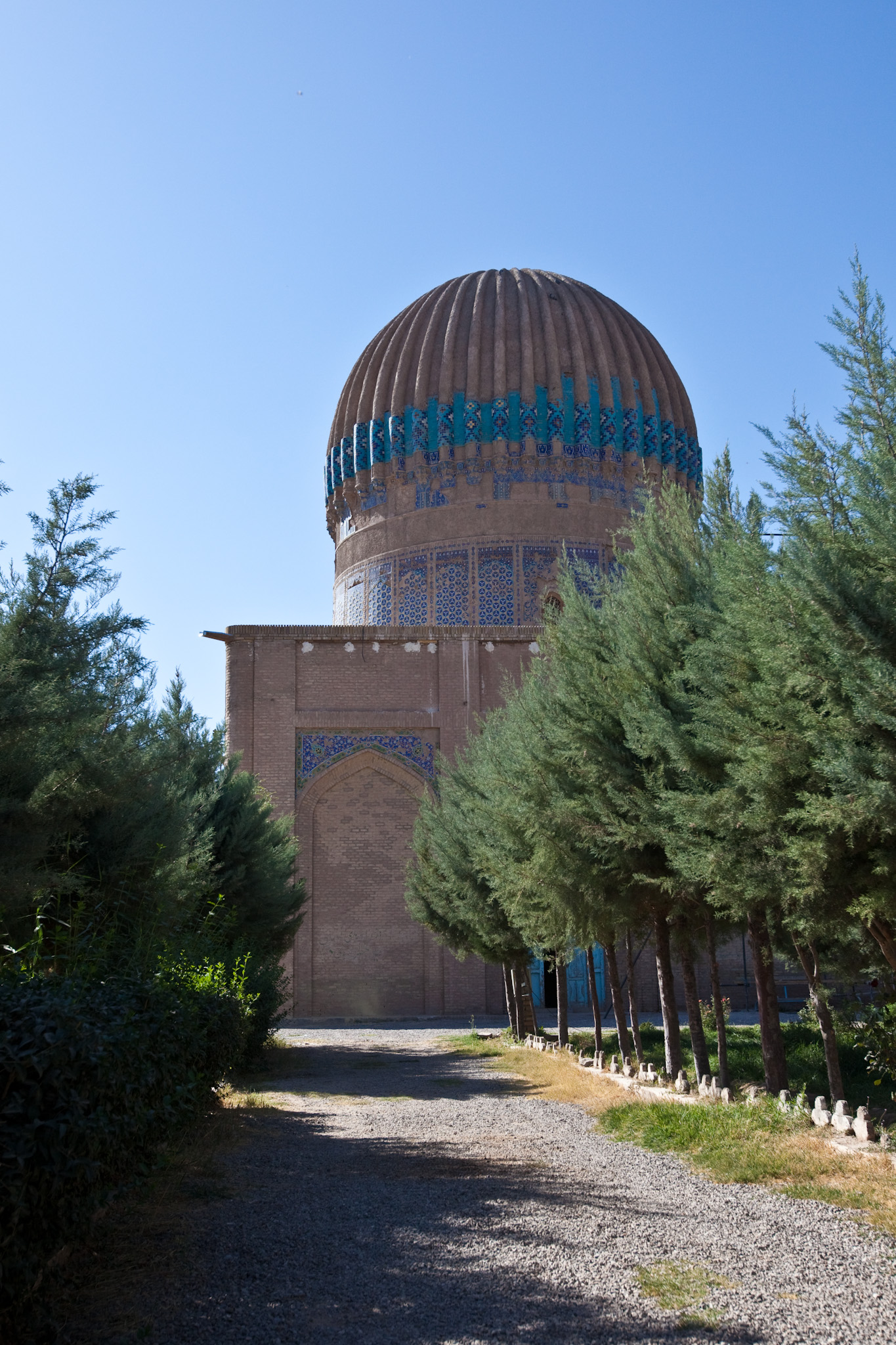
Gawhar Shad Mausoleum
15th-century Timurid royal tomb structure.