
Explore the Map
Darra-e Kur
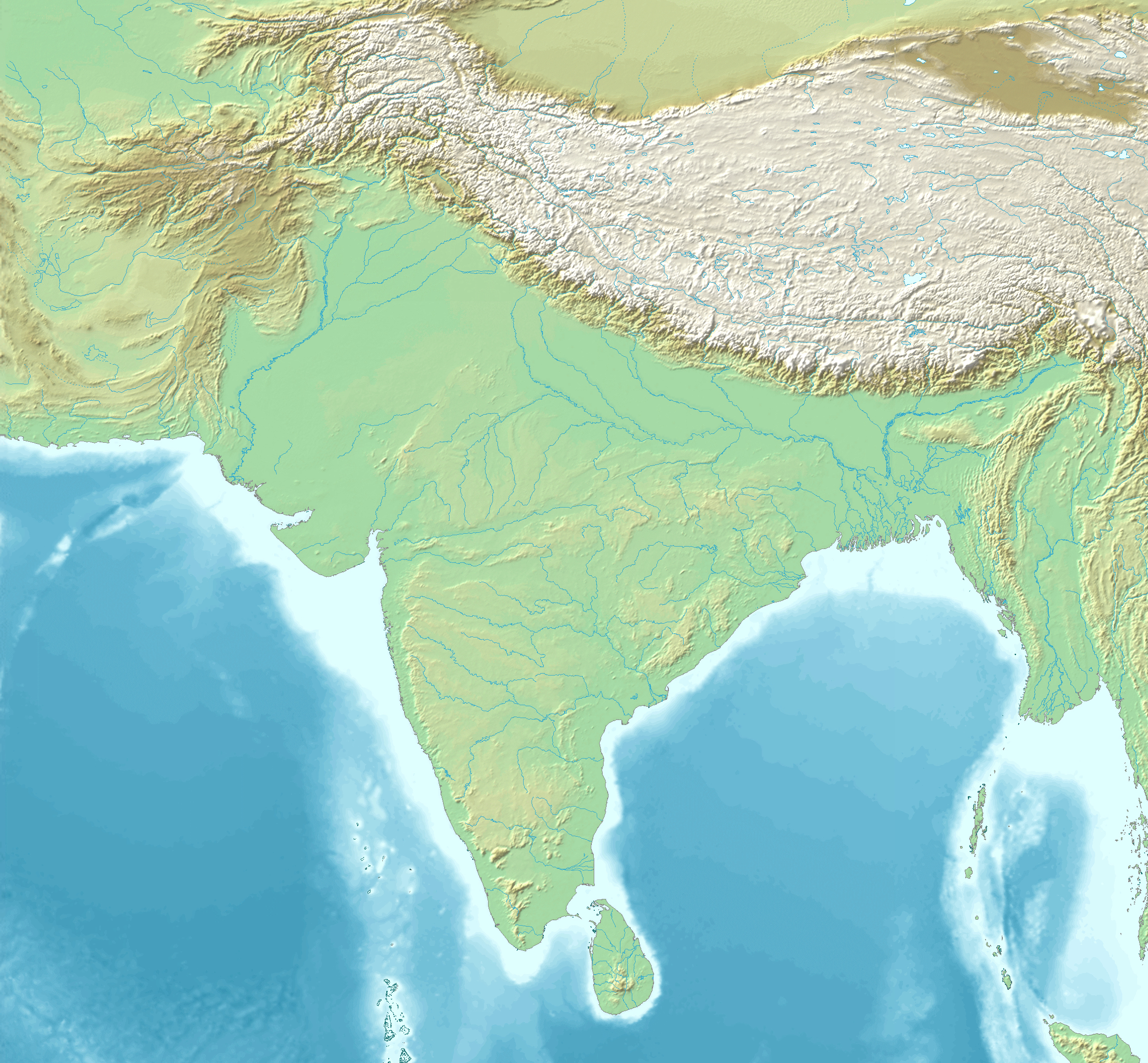
36.7855° N, 69.9951° E
About
Darra-e Kūr, also known as Bābā Darwīsh, is a significant archaeological site located in Badakhshan province, Afghanistan. Situated near the village of Chinār-i Gunjus Khān, this rock shelter is well-stratified with silt deposits and has yielded an array of artifacts, including approximately 800 stone tools, ceramics, and faunal remains. The site is notable for its Mousterian artefacts from around 30,000 BP, indicating Upper Paleolithic occupation, and a Neolithic layer associated with a 'Goat Cult,' dated to around 3780 BP. A human temporal bone, initially thought to be Paleolithic, was directly AMS dated to the Neolithic period, suggesting later burial intrusion. This site provides valuable insights into the prehistoric human occupation in Central Asia.
Gallery
Explore photographs of ancient structures, artifacts, and archaeological excavations
Historical Timeline
Journey through time and discover key events in this site's history
Mousterian occupation
30,000 BP
Goat Cult Neolithic layer
3780 BP
Intrusive burial
4530-4410 BP
Archaeological Features
Unique architectural and cultural elements found at this historical site
Burial and Funerary Structures
Domestic and Habitation Structures
Environmental and Natural Features
Frequently Asked Questions
Plan Your Visit
Tours, travel arrangements, and practical information
More Sites in Afghanistan
Dasht-e Nawar
Palaeolithic stone tool site with fortifications
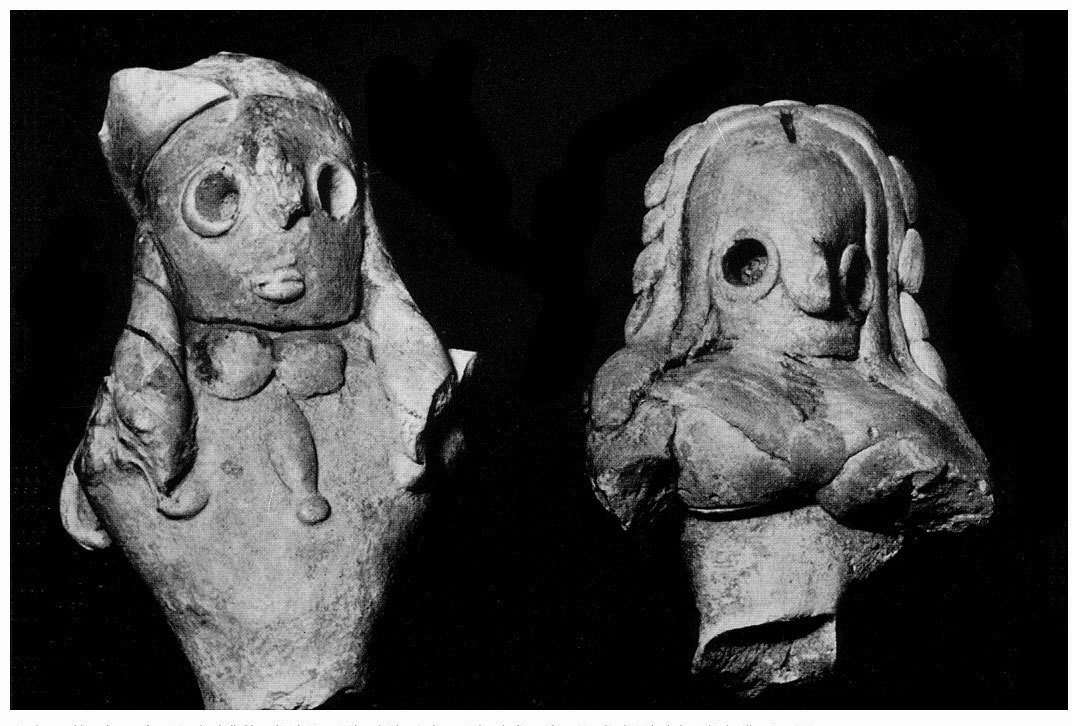
Mundigak
Bronze Age urban center, Helmand culture
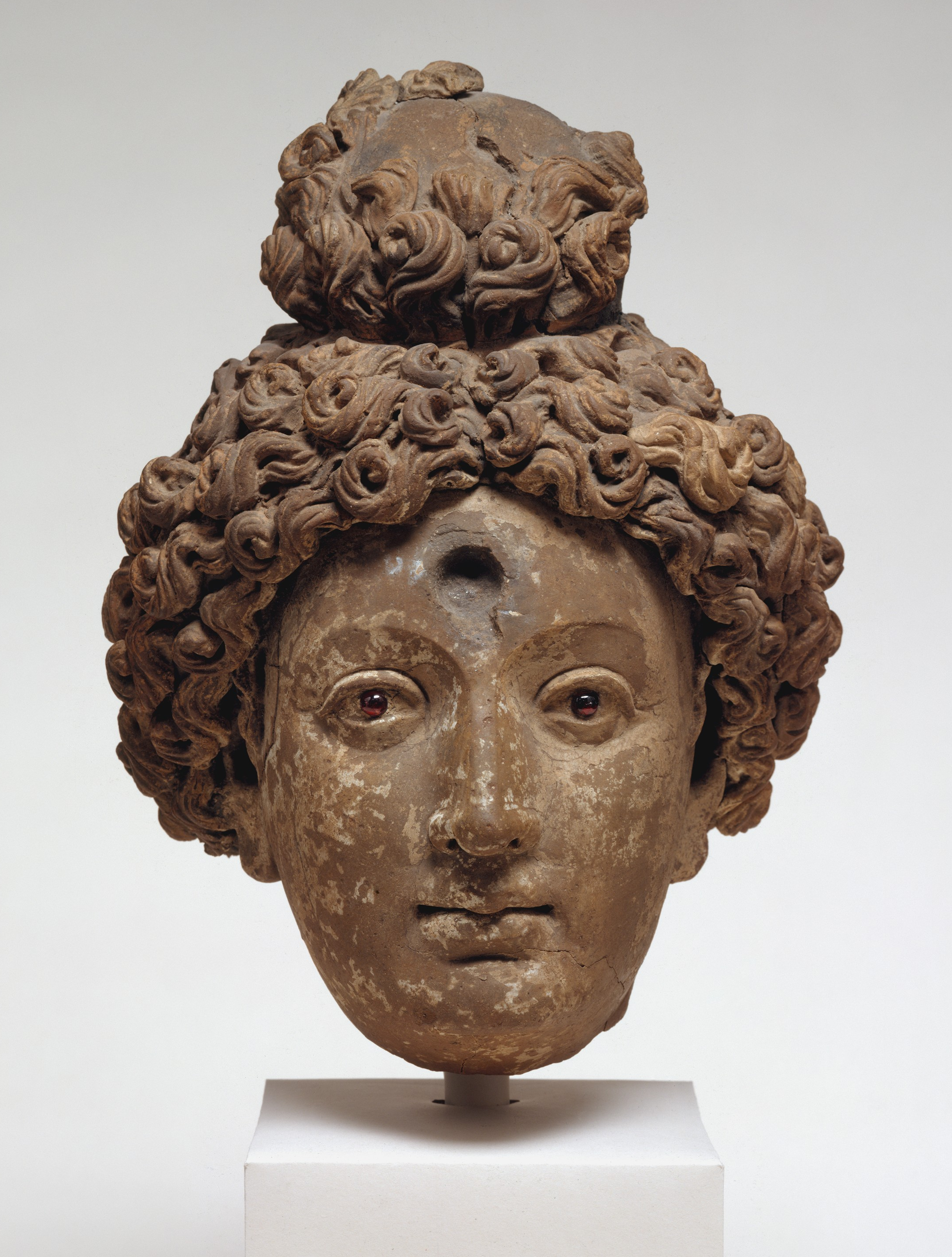
Tapa Shotor
Large Sarvastivadin monastery with Hellenistic influences
Rag-i-Bibi
Sassanian rock relief on Afghan cliff
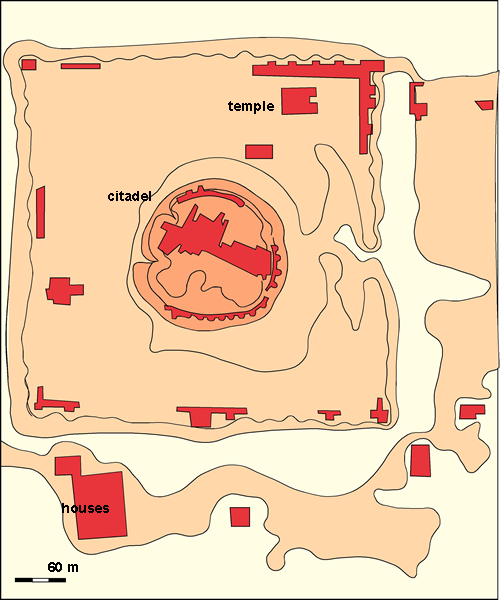
Dilberjin Tepe
Ancient town with Kushan-era citadel and murals.
Mes Aynak
Buddhist settlement with copper deposits