Explore the Map
Mundigak
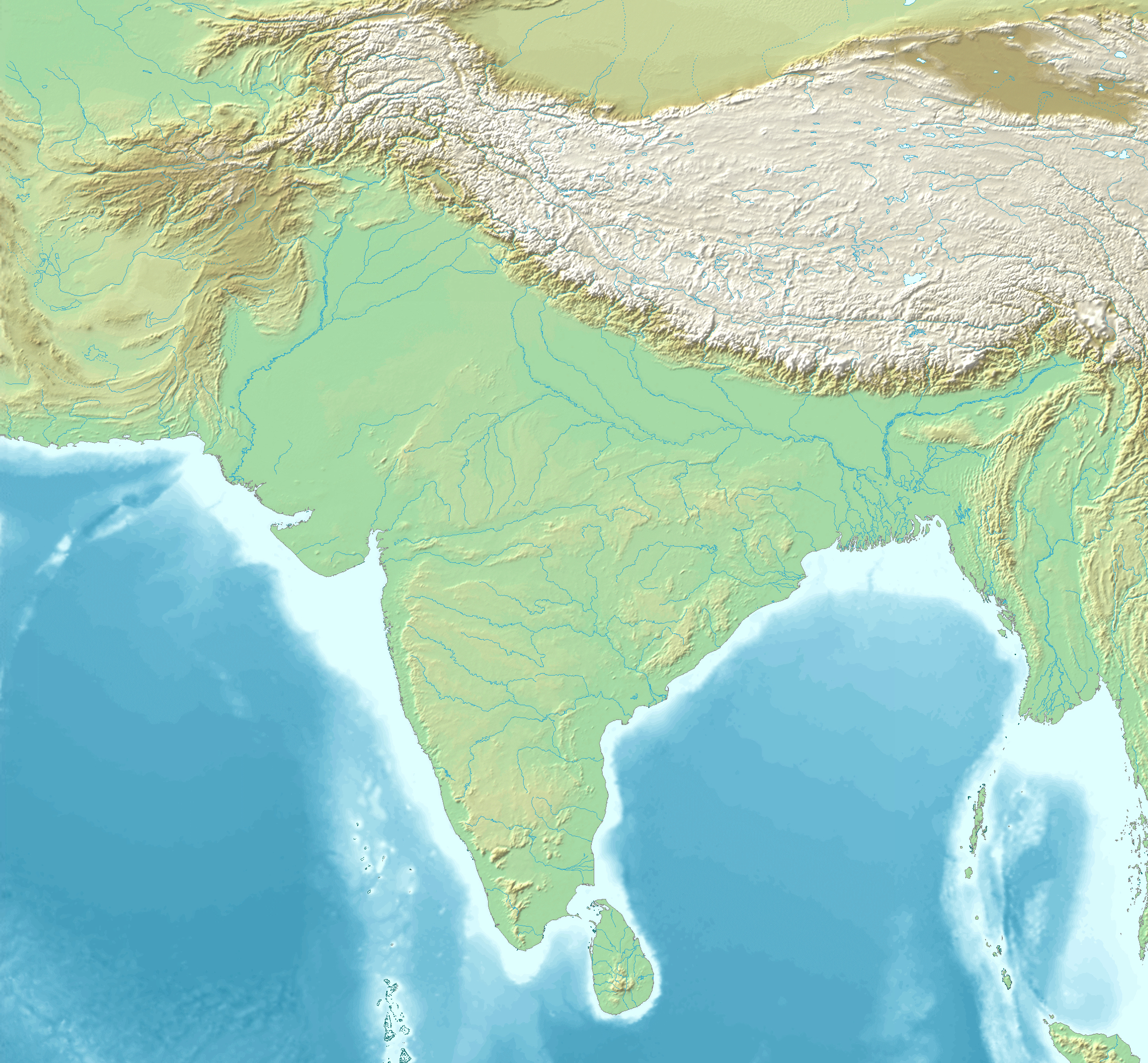
31.9039° N, 65.5246° E
About
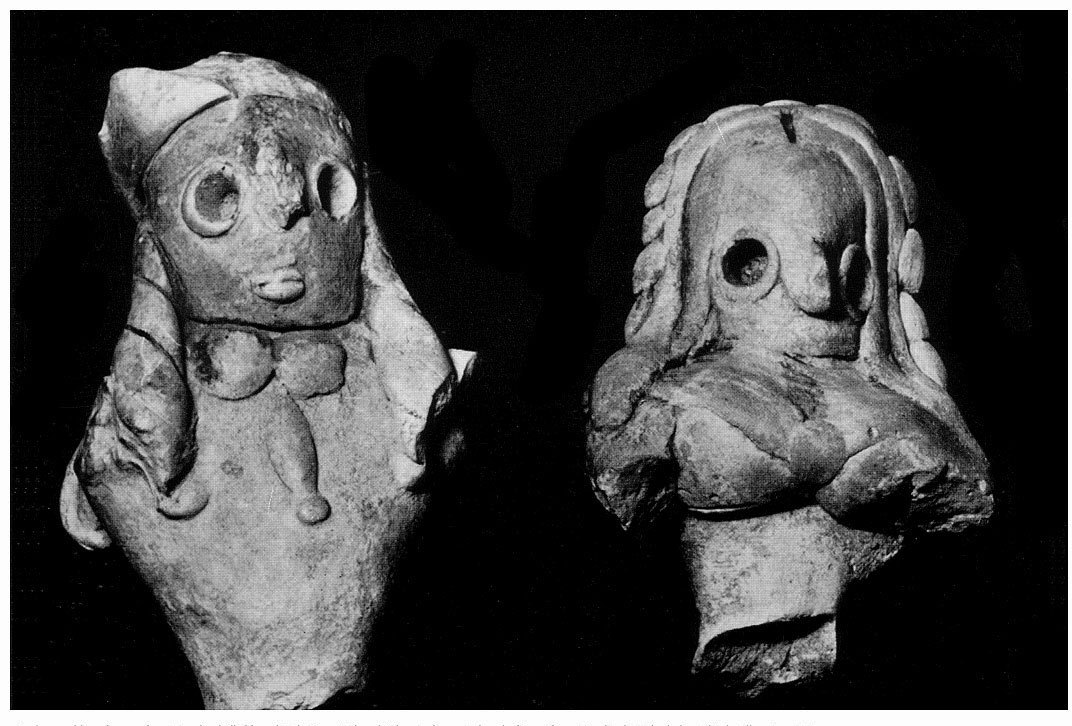
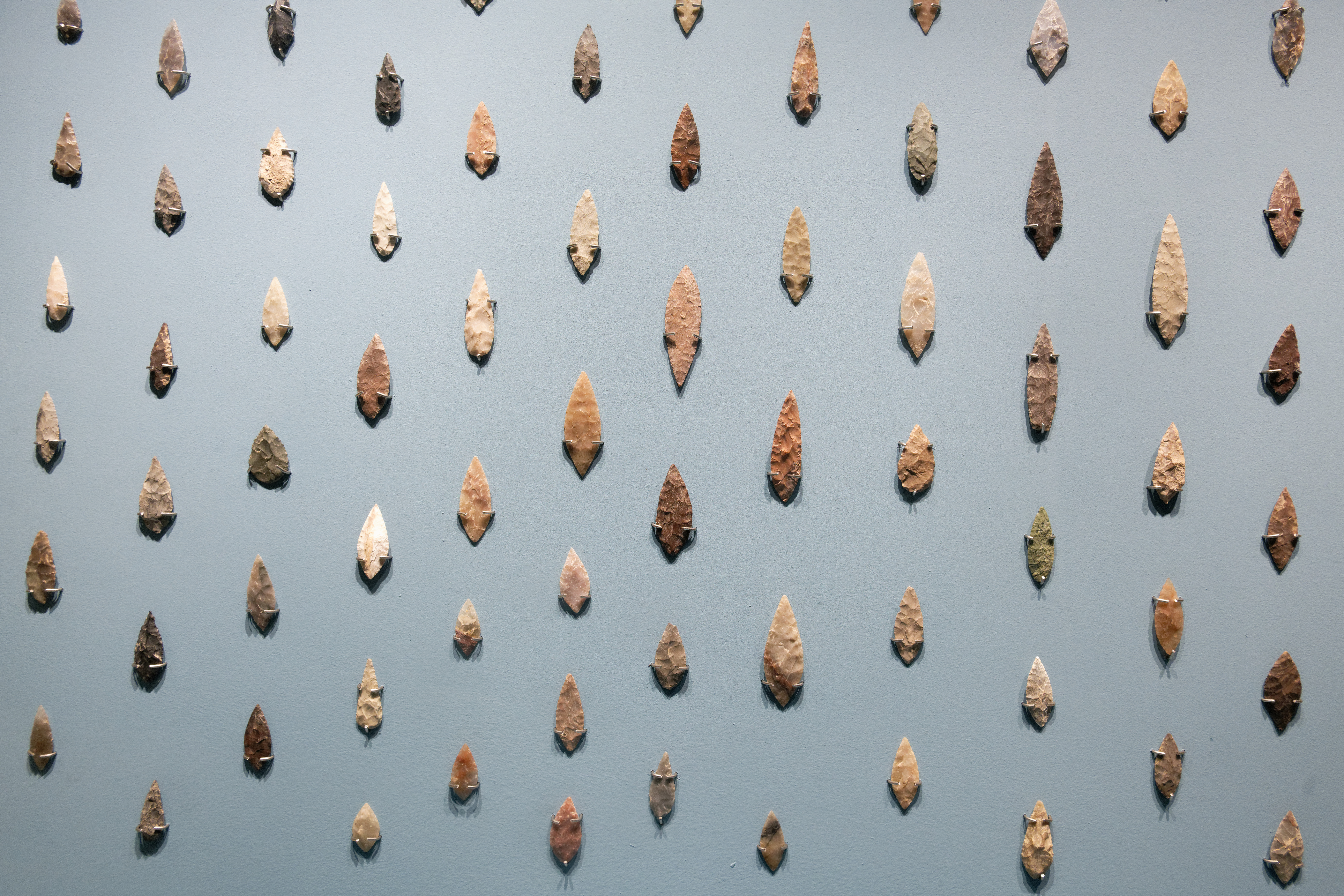
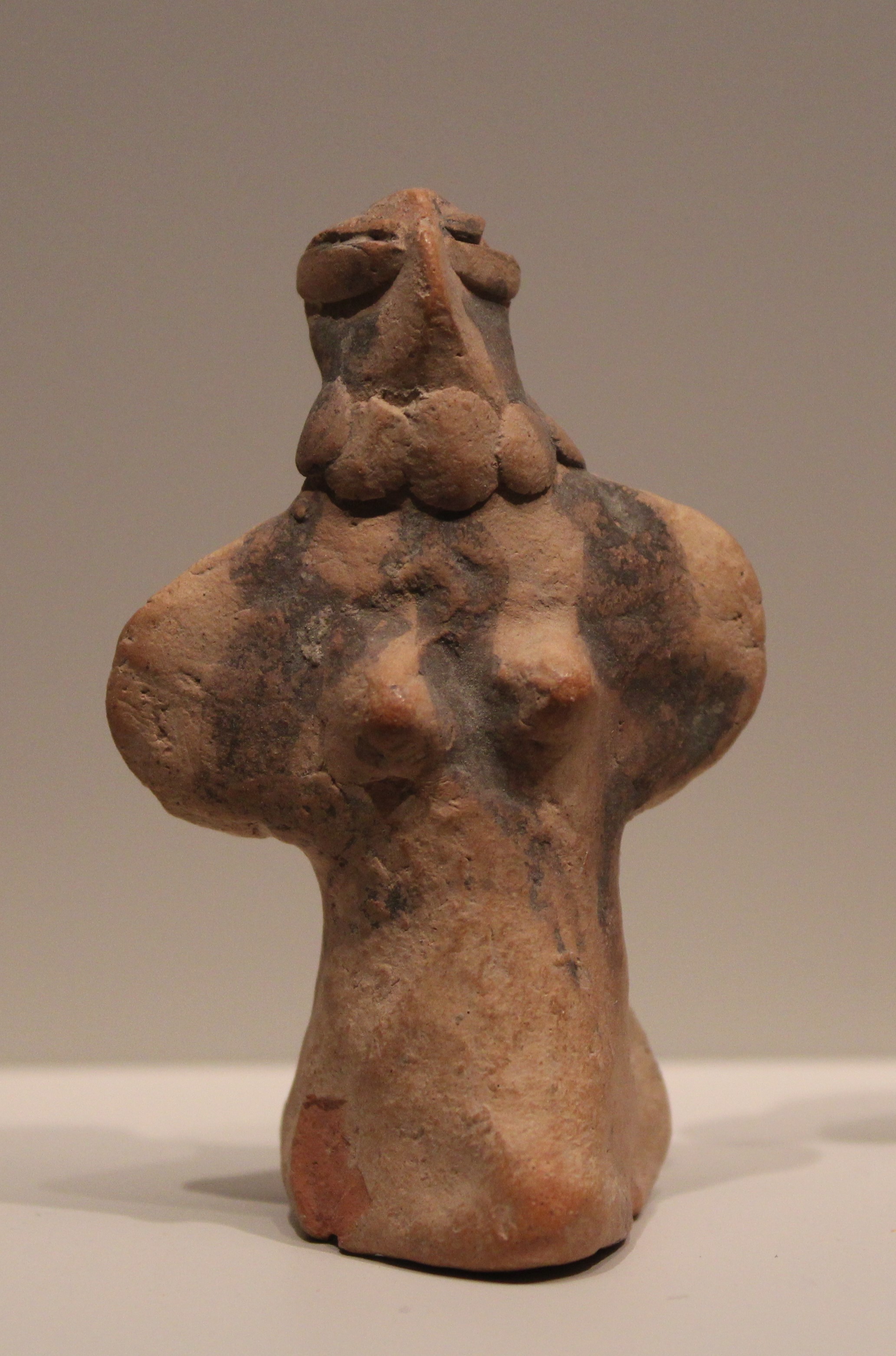
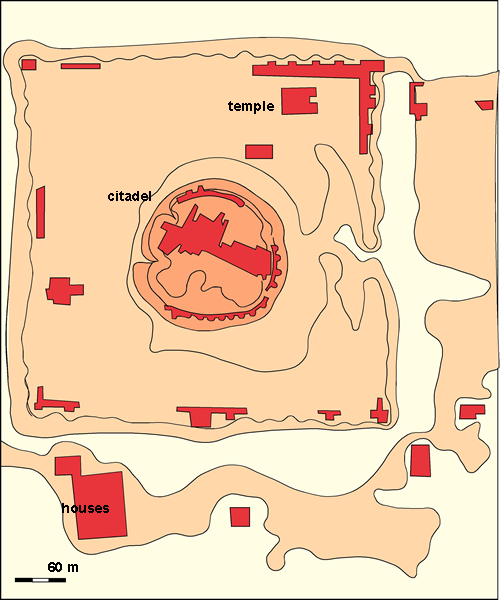
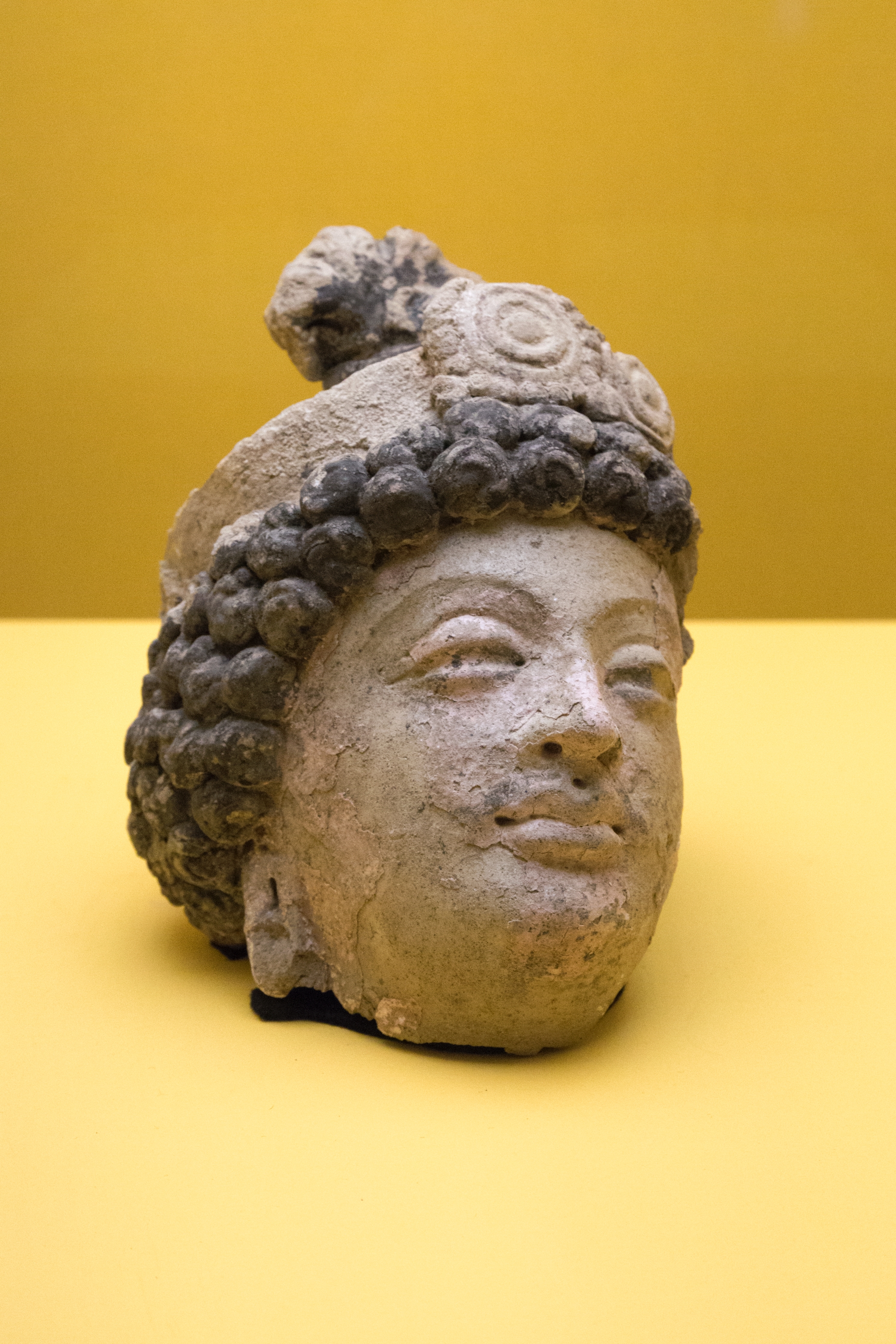
Mundigak is an archaeological site in Kandahar Province, Afghanistan, notable as a key urban center of the Helmand culture during the Bronze Age. Spanning an area of 21 hectares, it was second only to Shahr-i-Sokhta in size. The site reveals a rich cultural sequence from the 5th to the 2nd millennia BCE, displaying architectural and societal complexity with elements such as palaces, temples, and defensive walls. Excavations indicate interactions with regions like Turkmenistan, Baluchistan, and the Early Harappan Indus Valley. Artifacts include pottery with intricate designs, terracotta figures, and evidence of early metallurgy. Mundigak's significance lies in its demonstration of early urbanization and its role in regional cultural exchanges.
Gallery
Explore photographs of ancient structures, artifacts, and archaeological excavations
Historical Timeline
Journey through time and discover key events in this site's history
Early Settlement Established
5000 BCE
Urban Development Begins
4000 BCE
Flourishing of Urban Center
3000 BCE
Abandonment
2500 BCE
Archaeological Features
Unique architectural and cultural elements found at this historical site
Defensive Structures
Water Management Features
Burial and Funerary Structures
Religious and Ritual Structures
Artistic and Decorative Features
Domestic and Habitation Structures
Frequently Asked Questions
Plan Your Visit
Tours, travel arrangements, and practical information
More Sites in Afghanistan
Darra-e Kur
Well-stratified rock shelter with artifacts
Tepe Fullol
Bronze Age site with treasure cache
Dilberjin Tepe
Ancient town with Kushan-era citadel and murals.
Mes Aynak
Buddhist settlement with copper deposits
Minaret and Archaeological Remains of Jam
<p>The 65m-tall Minaret of Jam is a graceful, soaring structure, dating back to the 12th century. Covered in elaborate brickwork with a blue tile…
Cultural Landscape and Archaeological Remains of the Bamiyan Valley
<p>The cultural landscape and archaeological remains of the Bamiyan Valley represent the artistic and religious developments which from the 1st to the 13th…