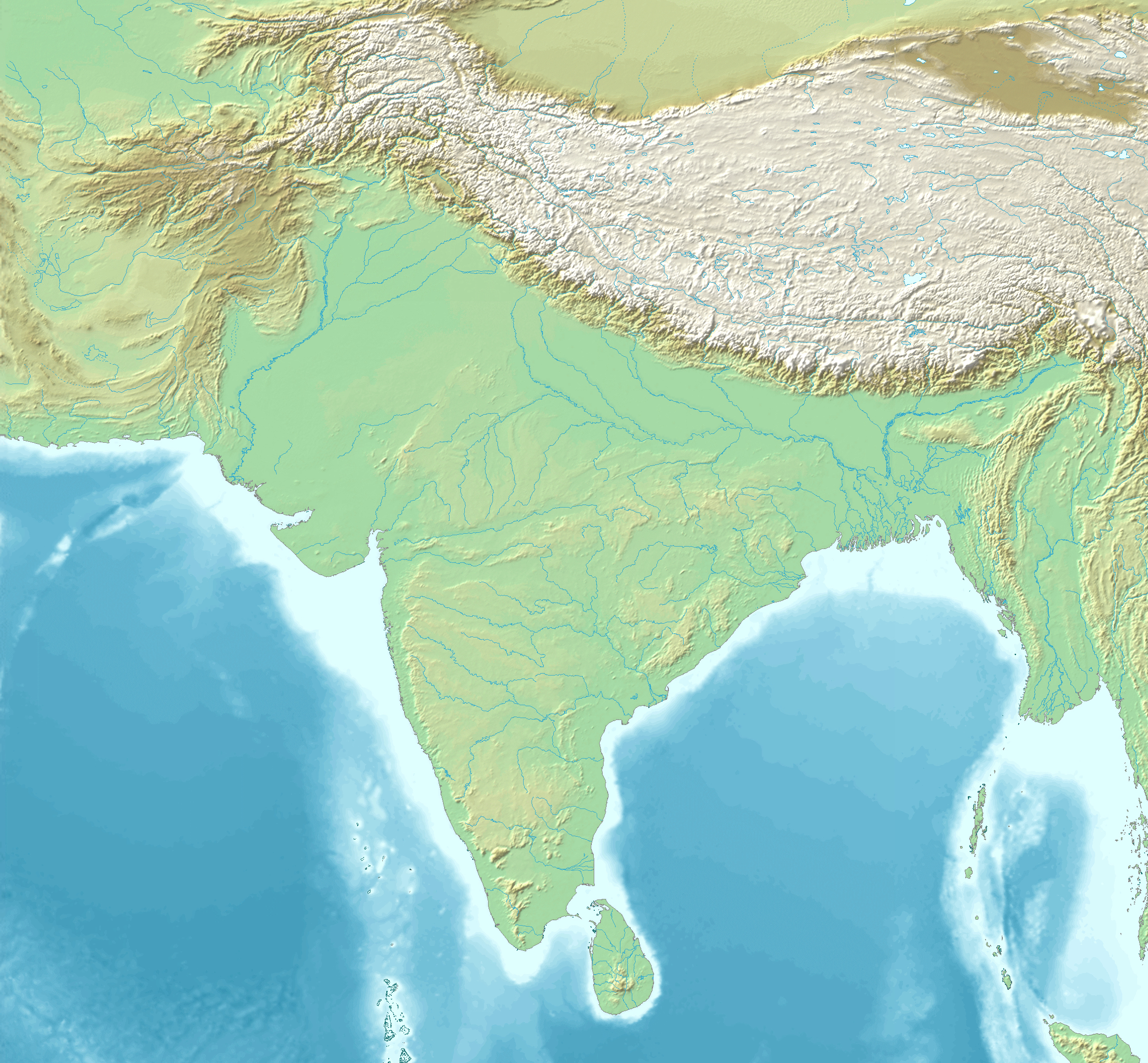
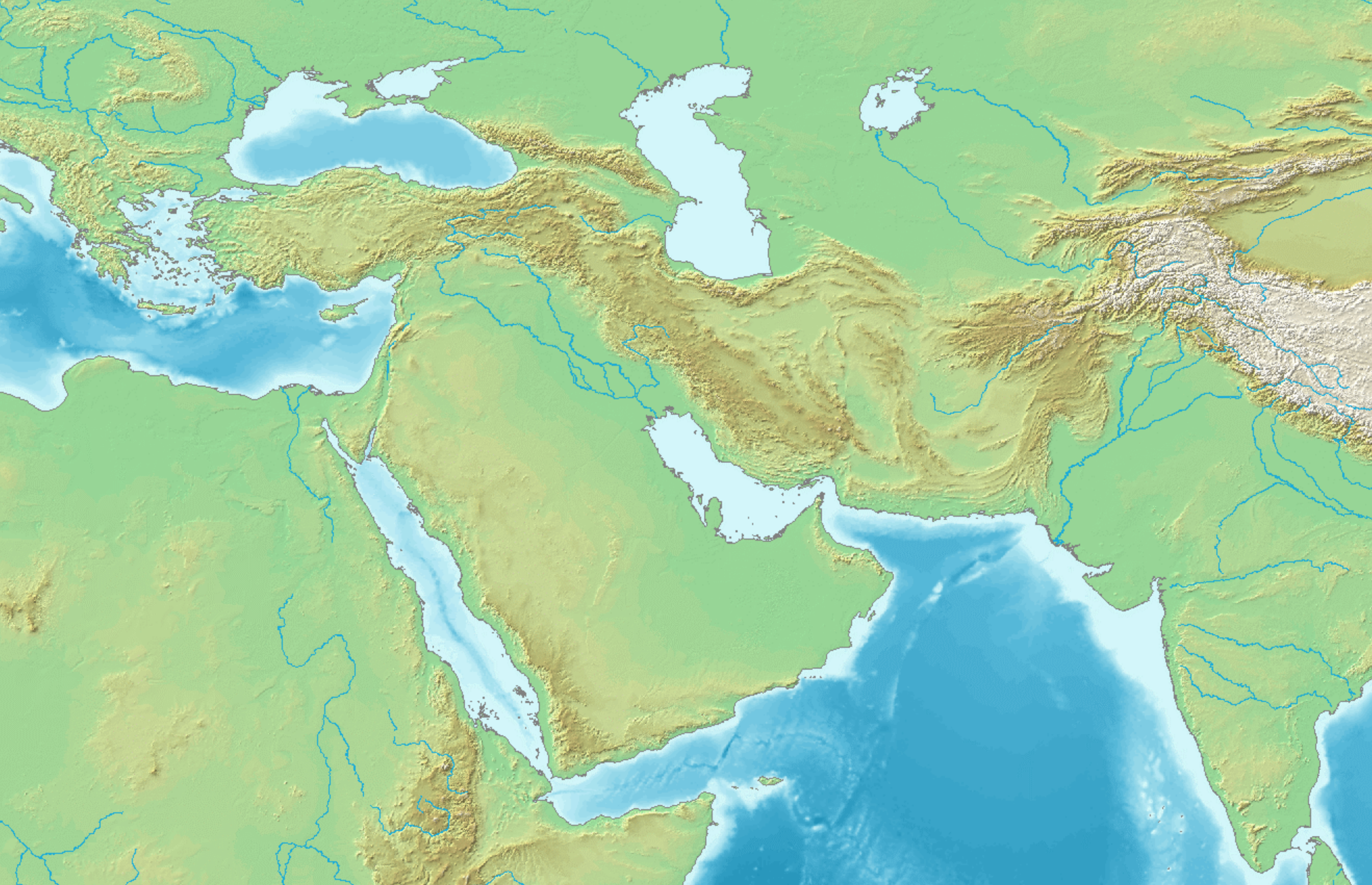
Explore the Map
Tepe Fullol
36.1833° N, 69.3167° E
About
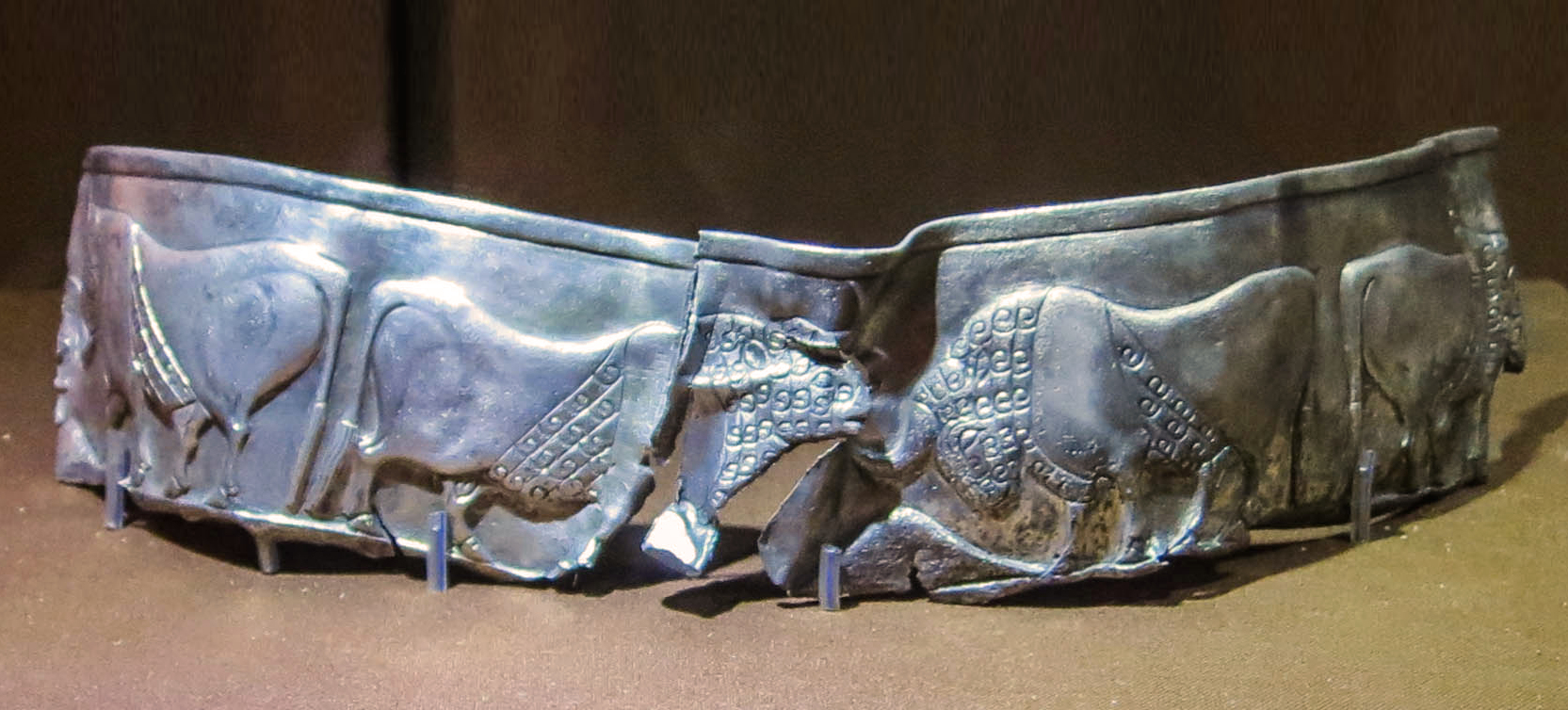
Tepe Fullol, located in Baghlan Province, northern Afghanistan, is an archaeological site of significant importance due to its discovery of the Fullol treasure—a collection of twenty gold and silver vessels. These artifacts date back to the Bronze Age, specifically between 2600 and 1700 BCE, providing vital evidence of the Oxus civilization's presence in northern Afghanistan. The site includes burial and funerary structures, as the treasure was found in a grave cache, and it highlights the region's wealth and extensive trade networks, particularly through the depiction of animal imagery influenced by Mesopotamian designs. The site's proximity to resources like lapis lazuli from Badakshan facilitated its participation in broad cultural exchanges. Tepe Fullol underscores the rich, interconnected history of early civilizations in Central Asia.
Gallery
Explore photographs of ancient structures, artifacts, and archaeological excavations
Historical Timeline
Journey through time and discover key events in this site's history
Bronze Age Occupation
2600 BCE to 1700 BCE
Archaeological Features
Unique architectural and cultural elements found at this historical site
Miscellaneous Features
Burial and Funerary Structures
Frequently Asked Questions
Plan Your Visit
Tours, travel arrangements, and practical information
More Sites in Afghanistan
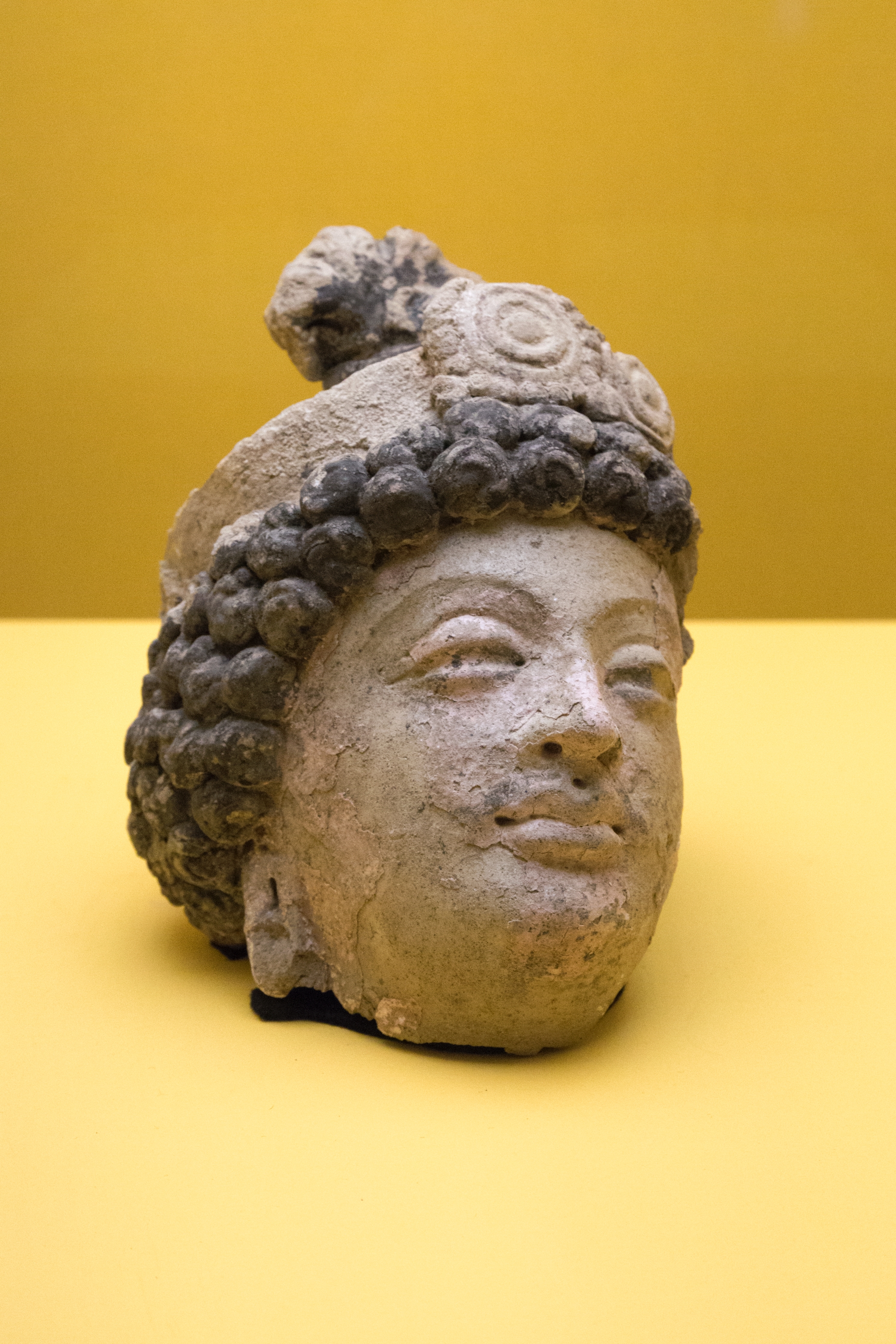
Mes Aynak
Buddhist settlement with copper deposits
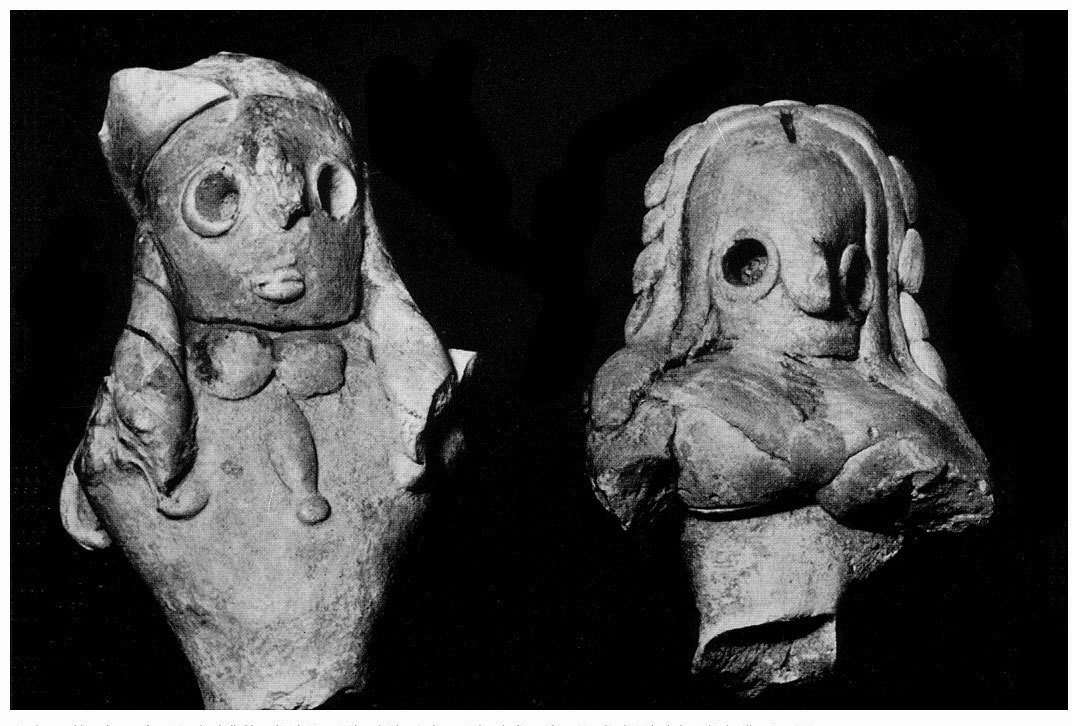
Mundigak
Bronze Age urban center, Helmand culture
Cultural Landscape and Archaeological Remains of the Bamiyan Valley
<p>The cultural landscape and archaeological remains of the Bamiyan Valley represent the artistic and religious developments which from the 1st to the 13th…
Minaret and Archaeological Remains of Jam
<p>The 65m-tall Minaret of Jam is a graceful, soaring structure, dating back to the 12th century. Covered in elaborate brickwork with a blue tile…
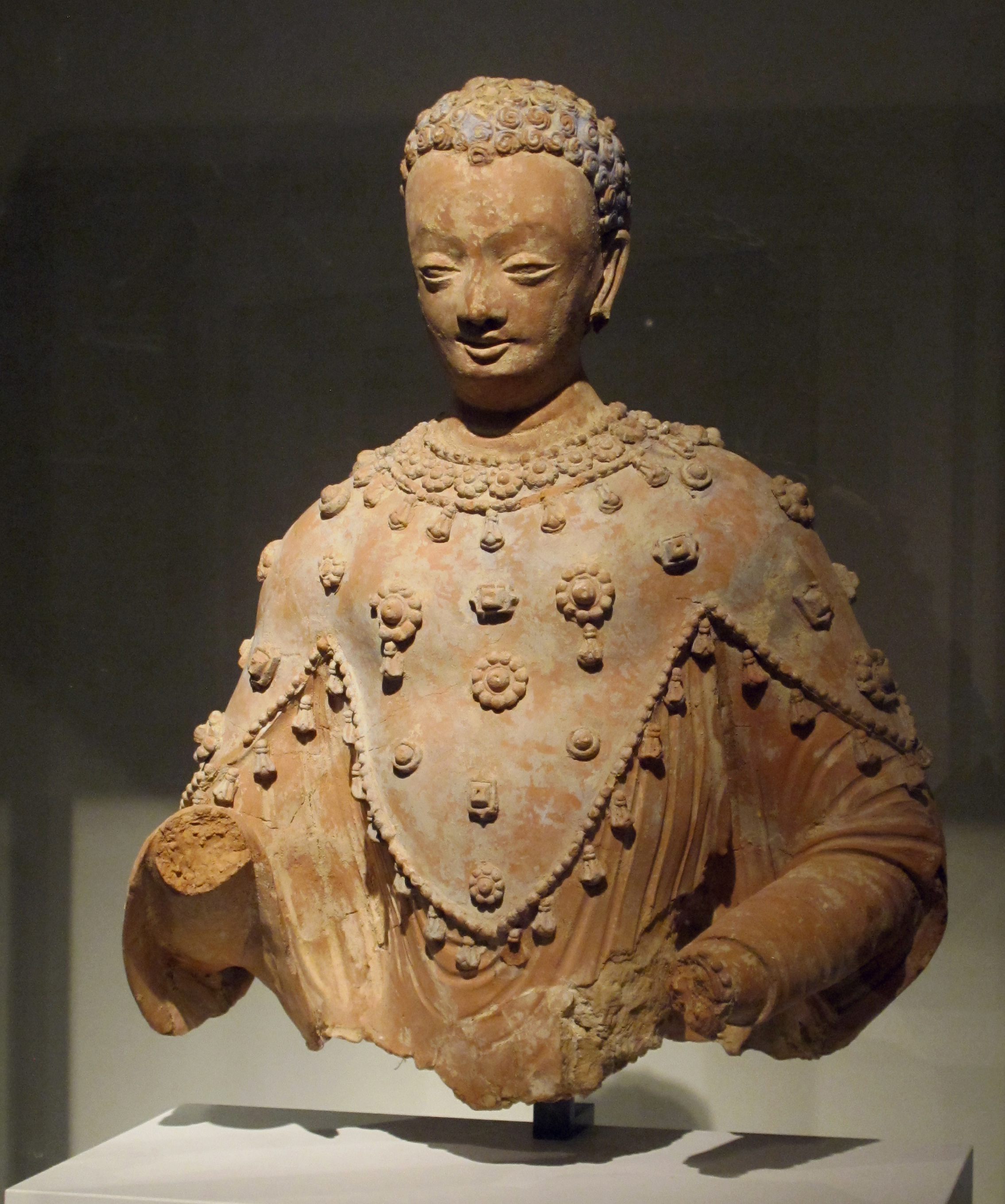
Fondukistan monastery
Buddhist monastery with intricate sculptures
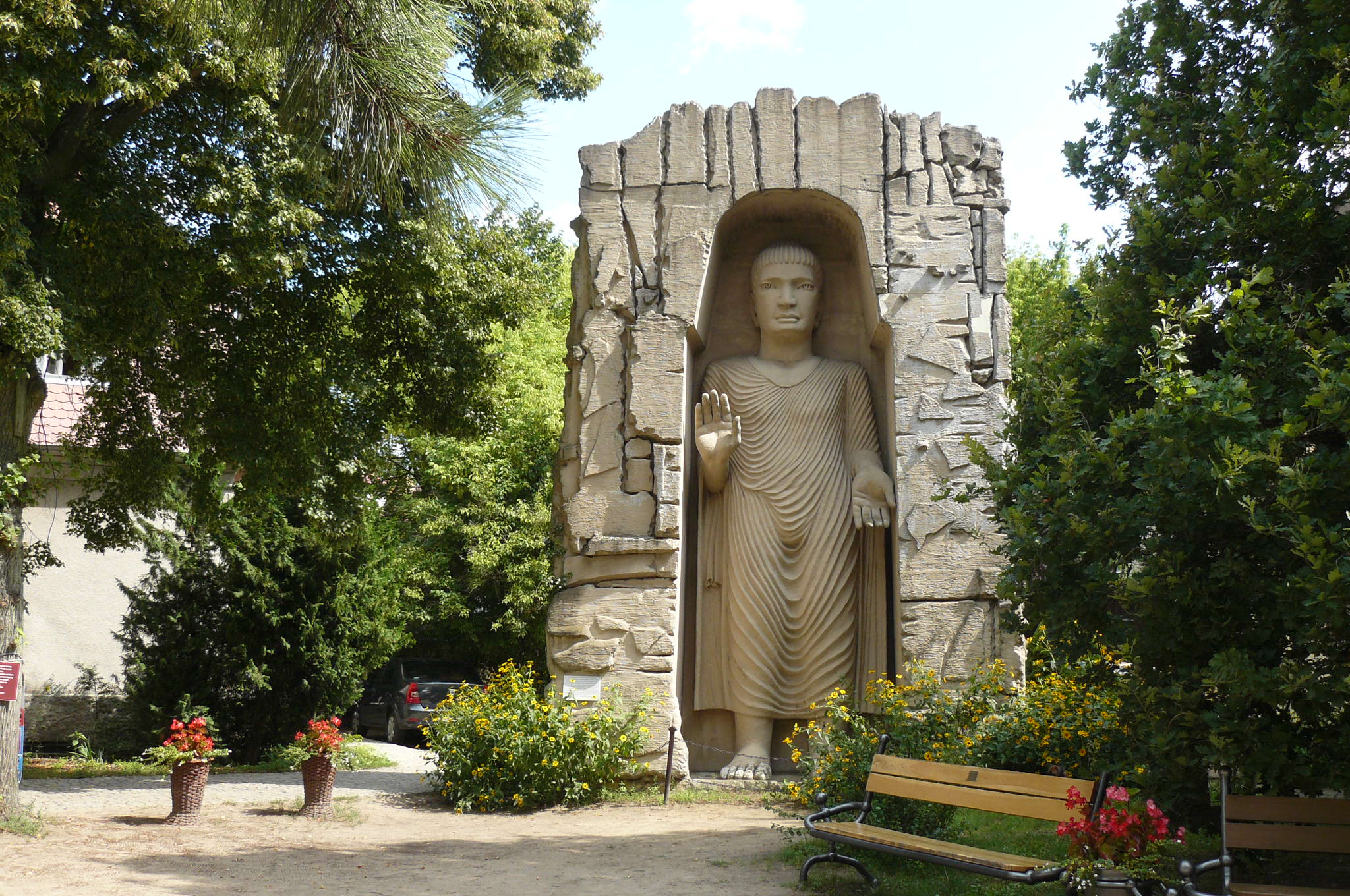
Buddhas of Bamiyan
Monumental Buddhist statues in cliff niches