Explore the Map
Tillya Tepe
36.6944° N, 65.7894° E
About
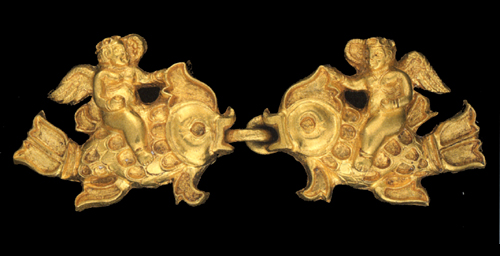
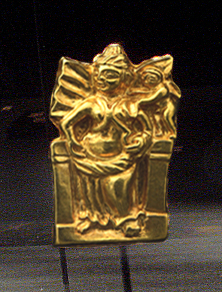
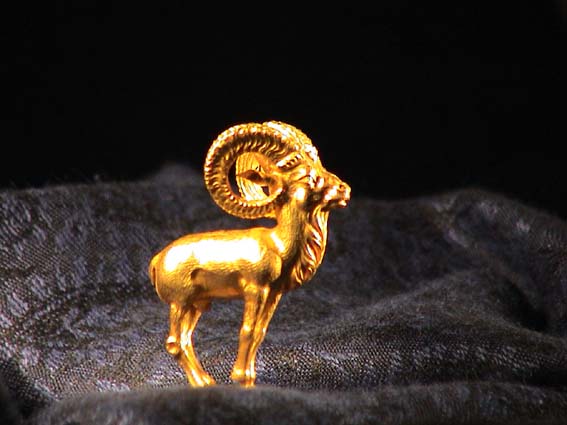
Tillya Tepe is an archaeological site in northern Afghanistan, known for its astonishing hoard of artifacts commonly referred to as the Bactrian gold. Excavated in 1978, the site revealed six burial mounds containing the remains of five women and one man, adorned with approximately 20,600 ornaments made from gold, silver, and ivory. The findings date primarily to the 1st century BCE to the 1st century CE, reflecting a blend of cultural influences, including Scythian, Hellenistic, and local traditions. The presence of coins from Tiberius and other rulers suggests a vibrant interaction of different cultures and economies. Tillya Tepe's significance lies in its rich burial customs and the exquisite craftsmanship of its artifacts, shedding light on the complex socio-political and cultural dynamics of ancient Central Asia.
Gallery
Explore photographs of ancient structures, artifacts, and archaeological excavations
Historical Timeline
Journey through time and discover key events in this site's history
1st century CE burial
1st century CE
Early 1st century CE coinage
16-21 CE
Archaeological Features
Unique architectural and cultural elements found at this historical site
Burial and Funerary Structures
Frequently Asked Questions
Plan Your Visit
Tours, travel arrangements, and practical information
More Sites in Afghanistan
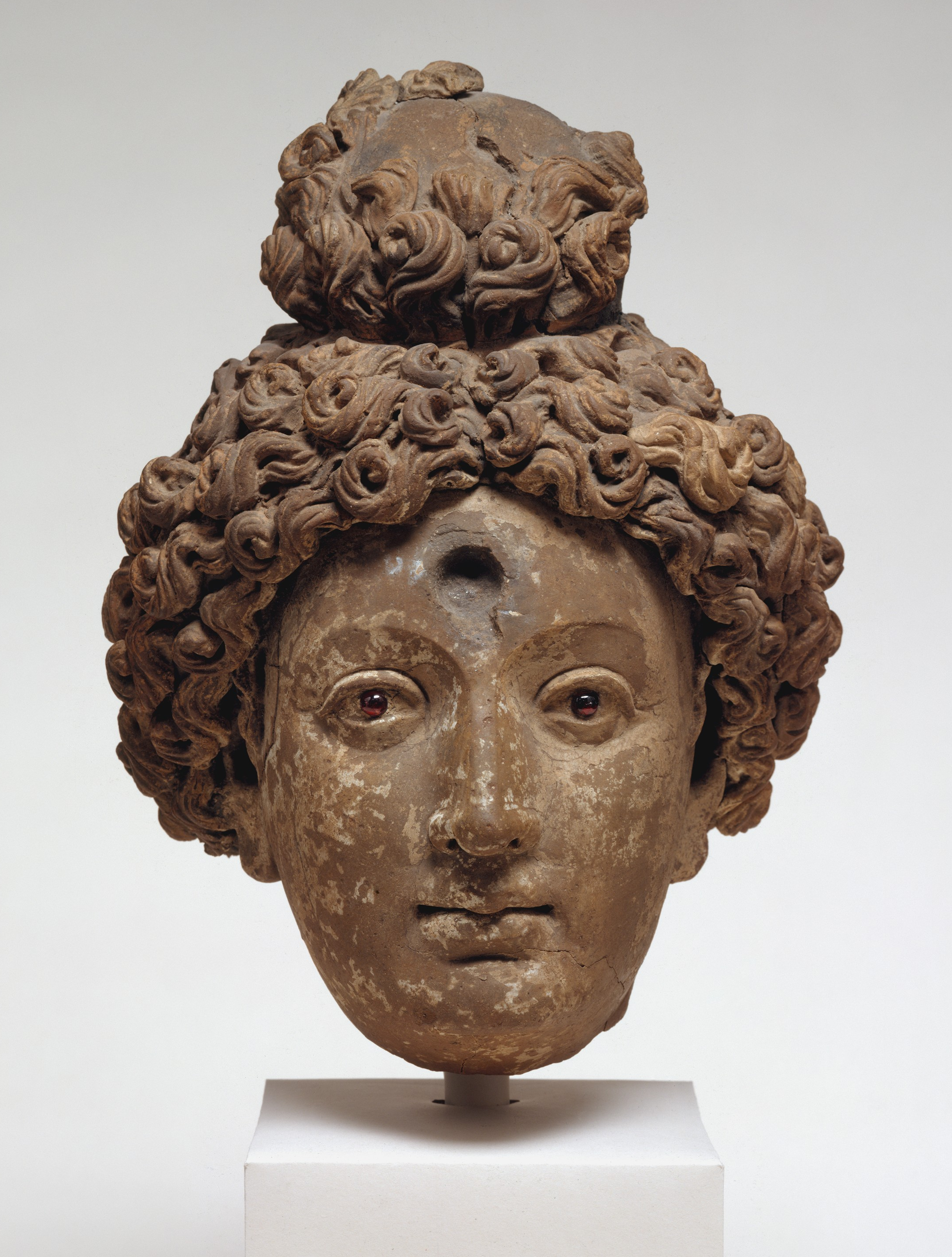
Tapa Shotor
Large Sarvastivadin monastery with Hellenistic influences
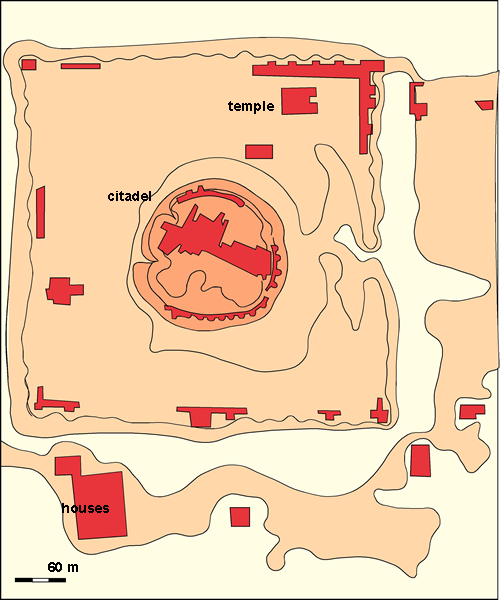
Dilberjin Tepe
Ancient town with Kushan-era citadel and murals.
Khair Khaneh
Buddhist archaeological site in Kabul, Afghanistan.
Rag-i-Bibi
Sassanian rock relief on Afghan cliff
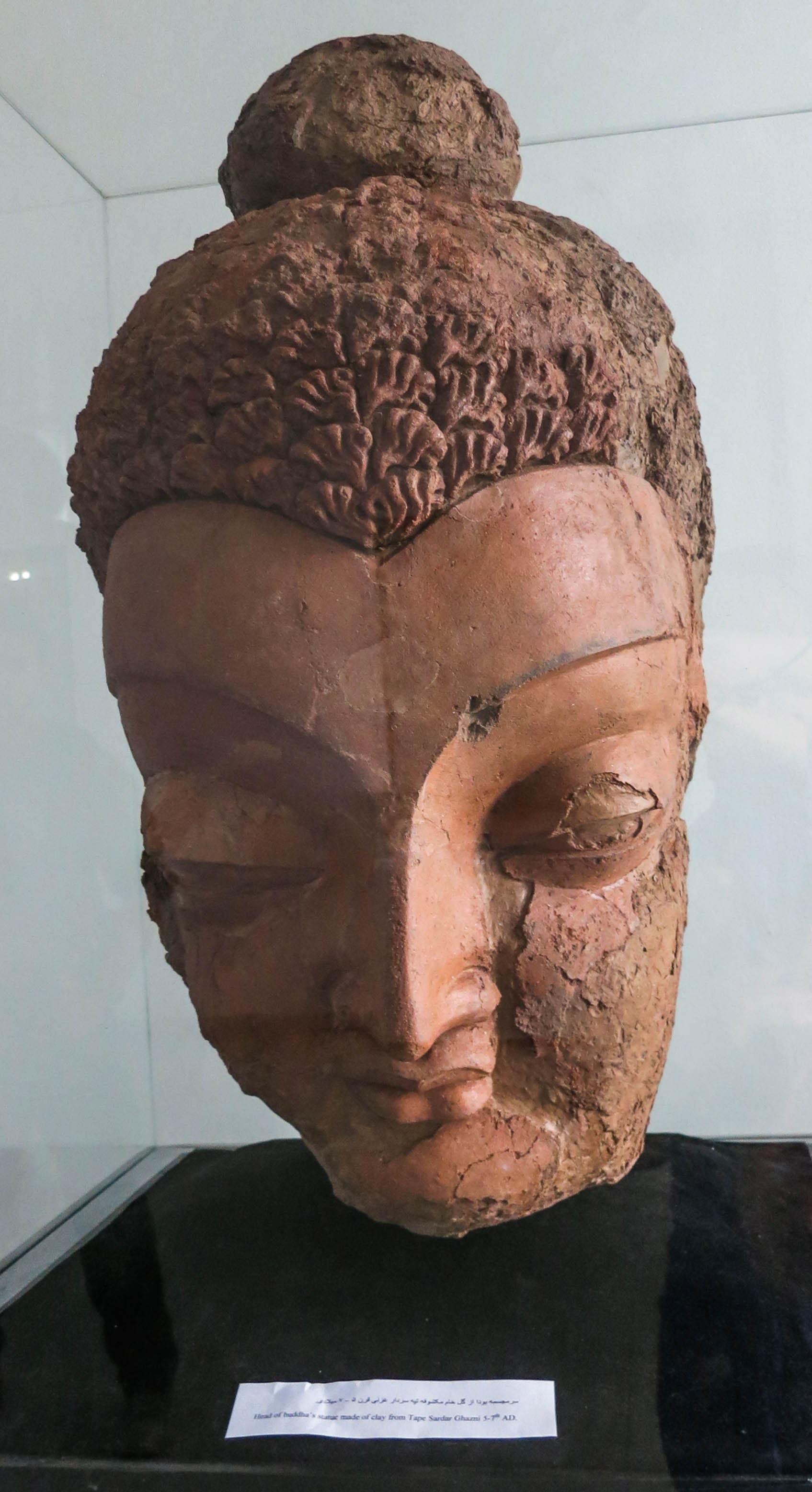
Tepe Sardar
Ancient Buddhist monastery with Hellenistic influence
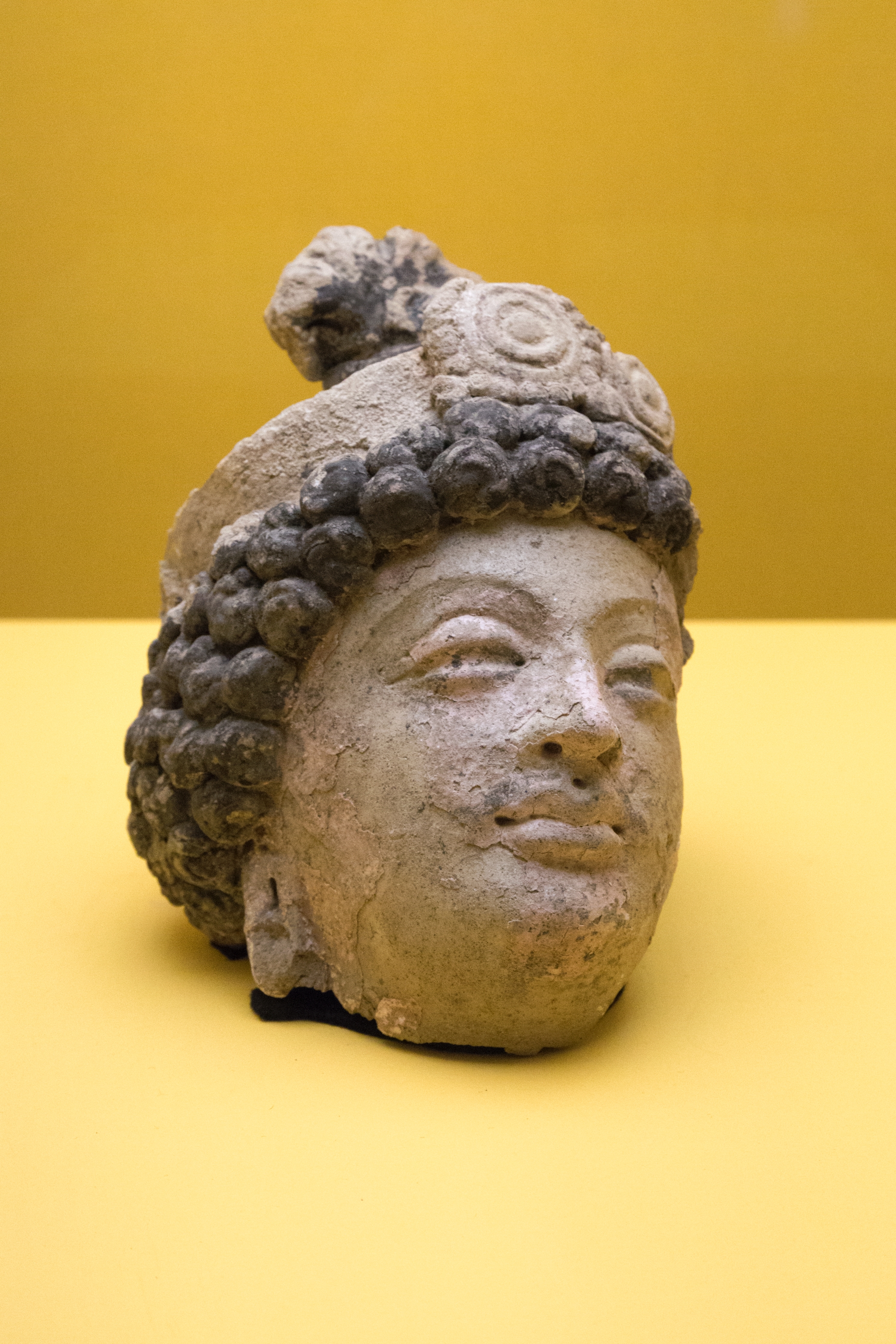
Mes Aynak
Buddhist settlement with copper deposits