Explore the Map
Giza East Field
29.9782° N, 31.1374° E
About
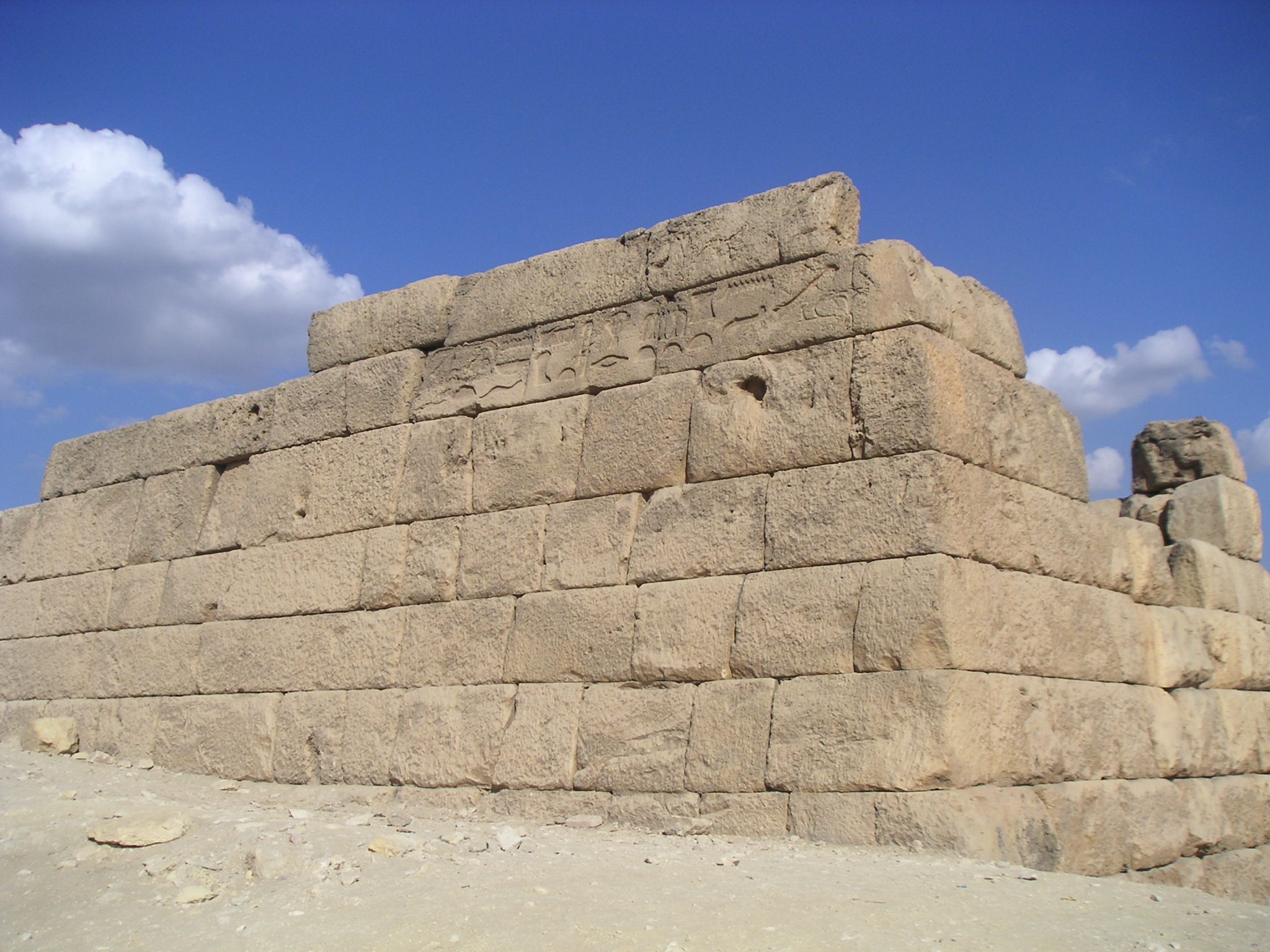
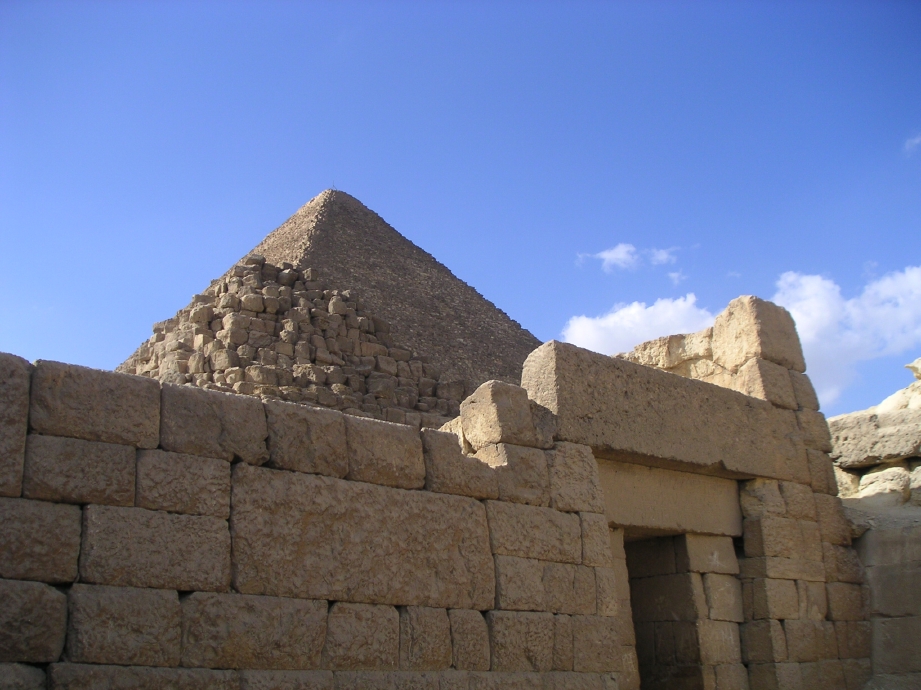
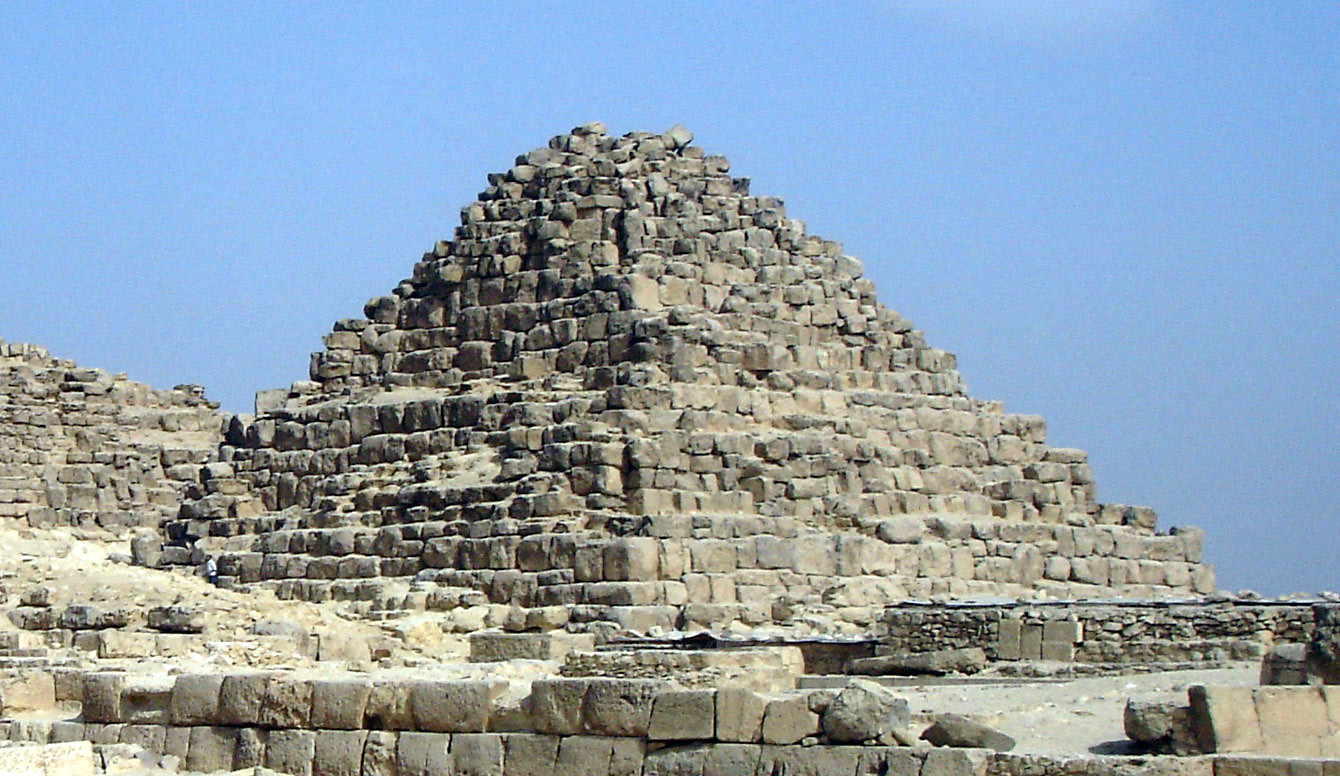
The East Field of the Giza Plateau, located to the east of the Great Pyramid of Giza, is an archaeologically significant site primarily known for its Cemetery G 7000. This burial ground served as the resting place for family members of Pharaoh Khufu and includes notable structures such as the Queen's Pyramids and numerous mastabas. The Queen's Pyramids, G 1a and G 1b, were likely constructed during the 15th to 17th years of Khufu's reign, deviating from the common southern placement due to a quarry's location. The cemetery's early phase involved the construction of 12 double mastabas, later expanded to eight twin-mastabas. Noteworthy is mastaba G 7510, belonging to Prince Ankhhaf, and the tomb of Meresankh III, which reflects construction during Khafre's reign. The site provides insights into the funerary practices and architectural developments of the 4th to 6th Dynasties.
Gallery
Explore photographs of ancient structures, artifacts, and archaeological excavations
Historical Timeline
Journey through time and discover key events in this site's history
Construction of Mastaba G 7510
2520-2494 BCE
Construction of Tomb G 7530–7540
2520-2494 BCE
Construction of 12 Core Mastabas
2574-2567 BCE
Completion of Eight Twin Mastabas
2574-2567 BCE
Construction of Queen's Pyramids
2589-2566 BCE
Archaeological Features
Unique architectural and cultural elements found at this historical site
Burial and Funerary Structures
Frequently Asked Questions
Plan Your Visit
Tours, travel arrangements, and practical information


More Sites in Egypt

Leontopolis (Heliopolis)
Ancient city with fortifications and a temple.
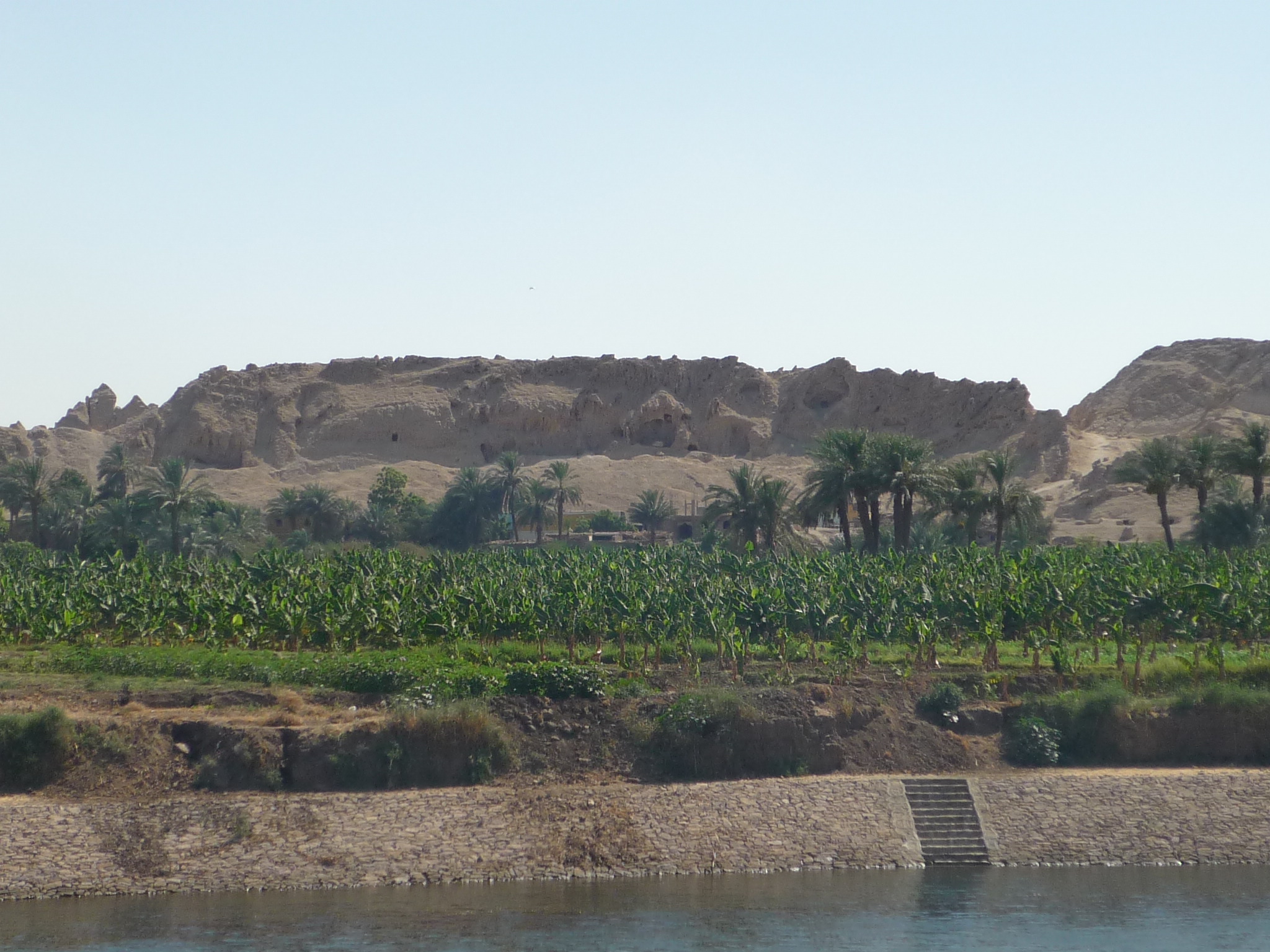
Gebelein
Archaeological site with mummies and temple ruins
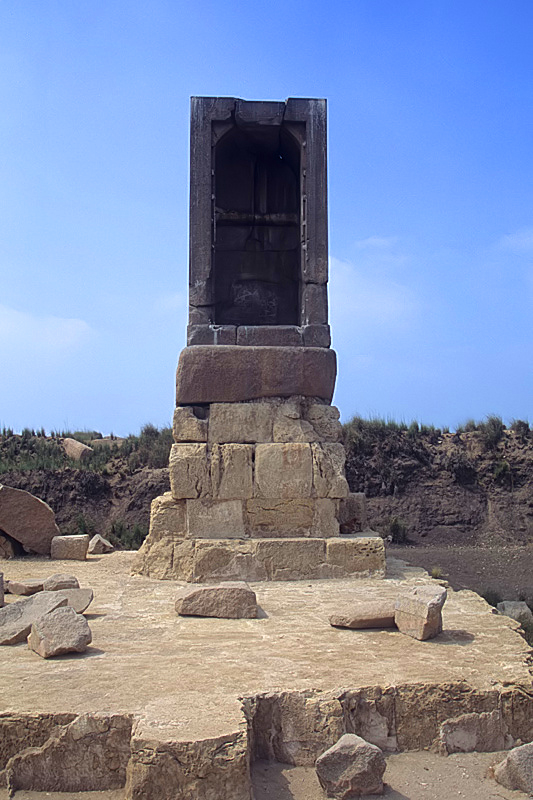
Mendes
Ancient city with significant religious structures.
Cemetery GIS
Stone mastabas in Giza Plateau cemetery
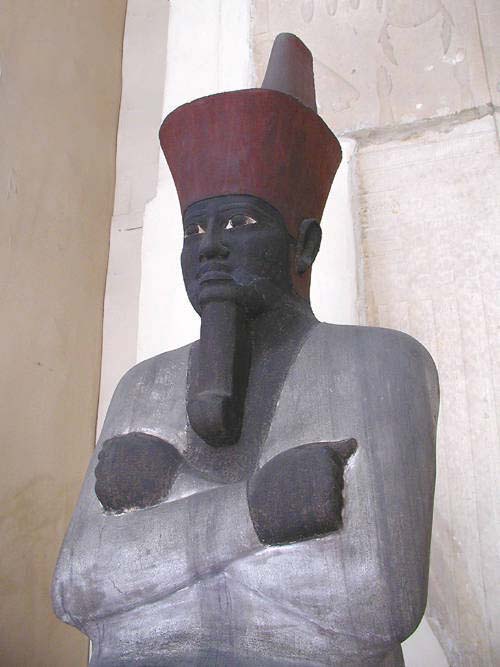
Thinis
Ancient Upper Egypt's undiscovered capital city.
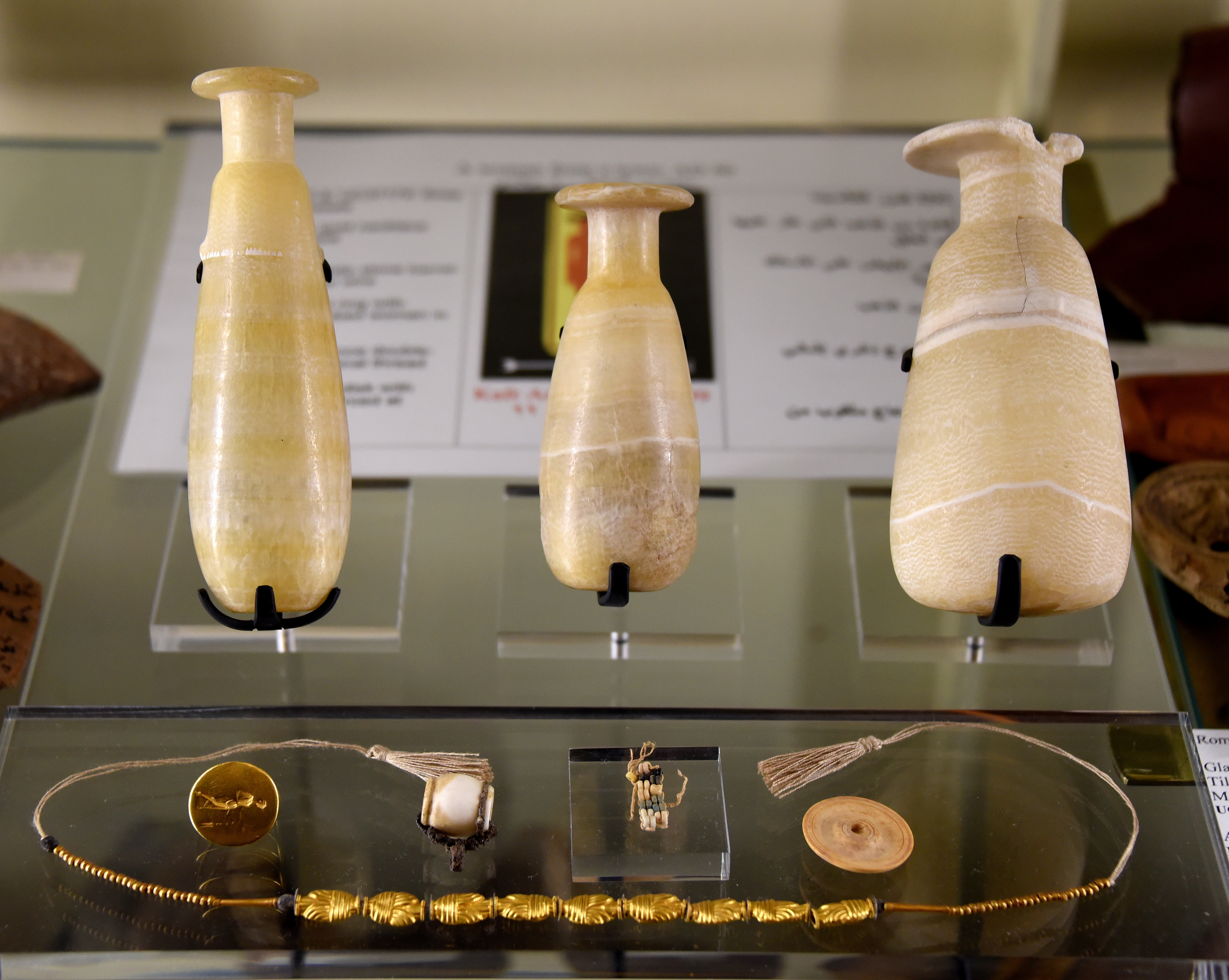
Tarkhan (Egypt)
Ancient Egyptian necropolis with mastabas and tombs.