Explore the Map
Bābā Jān Tepe
34.0236° N, 47.9358° E
About
Bābā Jān Tepe (Tappa), an archeological site in north-eastern Lorestan Province (34° north latitude, 47° 56’ east longitude), on the southern edge of the Delfān plain at approximately 10 km from Nūrābād, important primarily for excavations of first-millennium BC levels conducted by C. Goff from 1966-69. Work concentrated on two mounds joined by a saddle. The East Mound (85 m in diameter, 9 m high) yielded a series of first-millennium BC buildings (Baba Jan III-I) above Bronze Age (Baba Jan IV) graves. On the Central Mound (120 m in diameter, 15 m high), excavation concentrated on the Baba Jan III Manor on the summit; an 8 x 6 m Deep Sounding provides a partial late fourth- to mid-second-millennium BC sequence
Historical Timeline
Journey through time and discover key events in this site's history
Baba Jan II occupation
7th century BC
Fort complex destruction
end of the 8th century BC
Bronze Age occupation (level 4)
1800–1500 BC
Modern excavations
1966–1969
Bronze Age occupation (level 5)
2300–2100 BC
Chalcolithic occupation
late 4th millennium BC
Archaeological Features
Unique architectural and cultural elements found at this historical site
Defensive Structures
Public and Civic Structures
Burial and Funerary Structures
Artistic and Decorative Features
Domestic and Habitation Structures
Environmental and Natural Features
Frequently Asked Questions
Plan Your Visit
Tours, travel arrangements, and practical information
More Sites in Iran
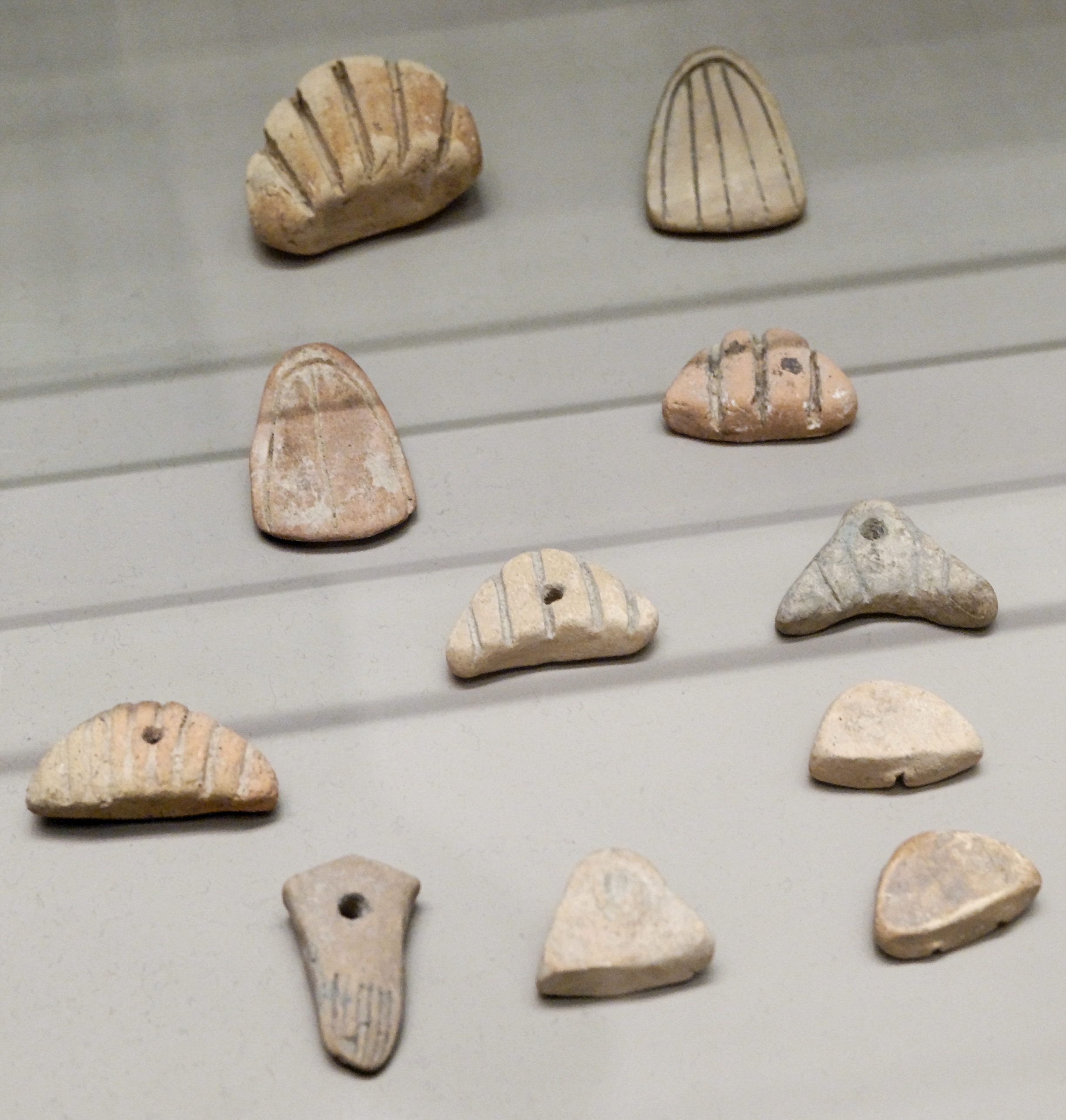
Tepe Sofalin
Ancient mound with Proto-Elamite artifacts
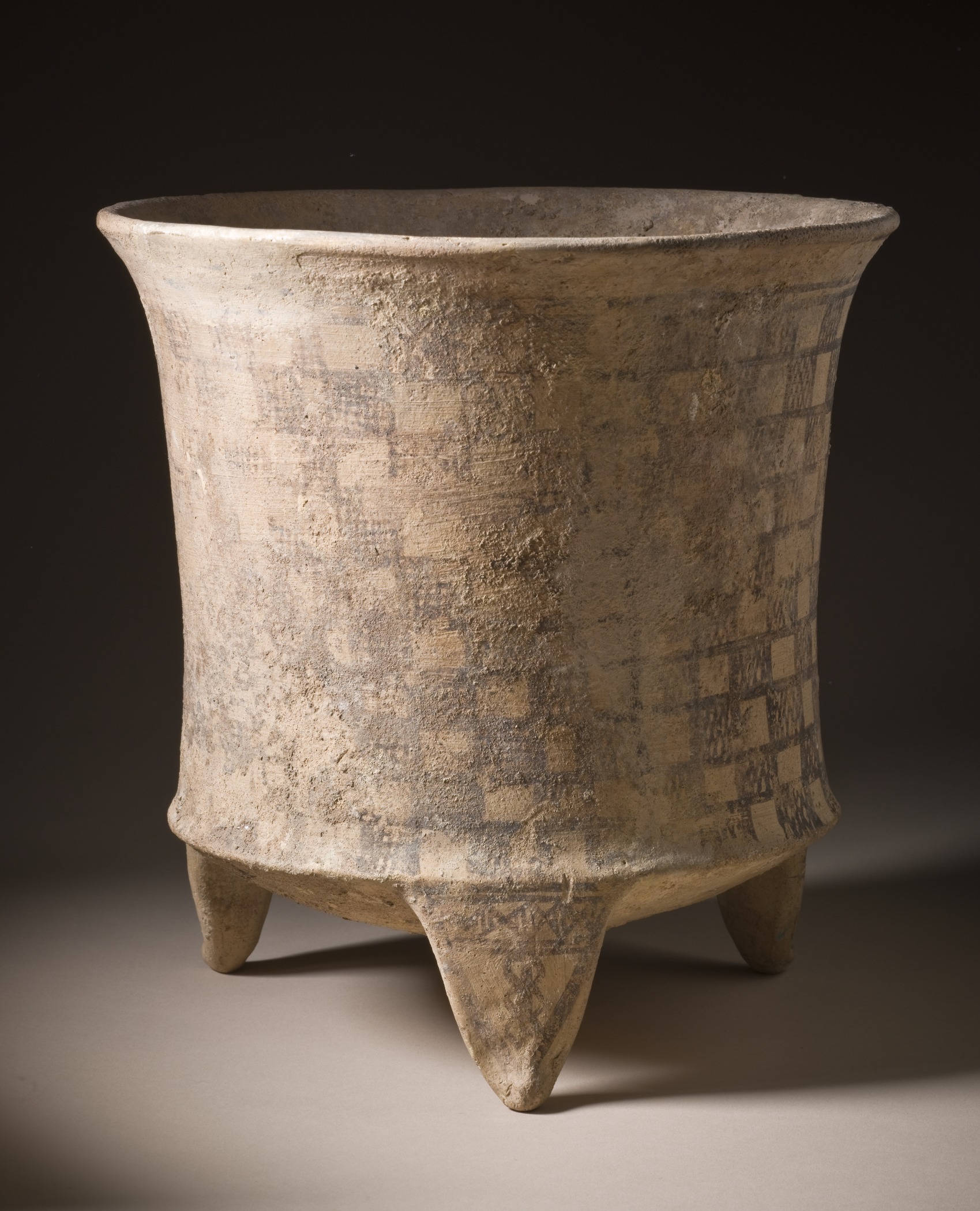
Tepe Giyan
Necropolis with distinctive pottery in Iran.
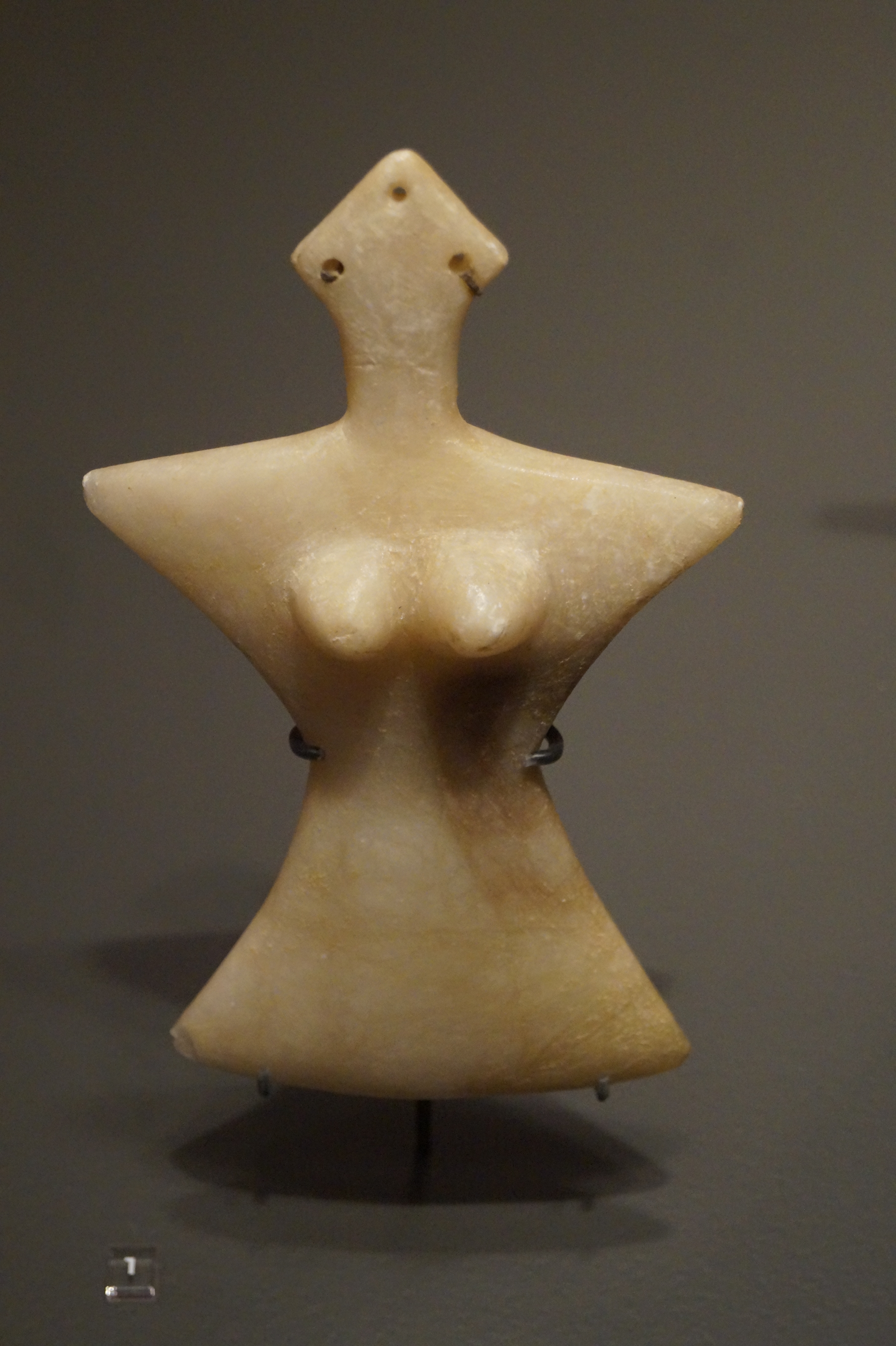
Tepe Hissar
Prehistoric site with rich cultural artifacts
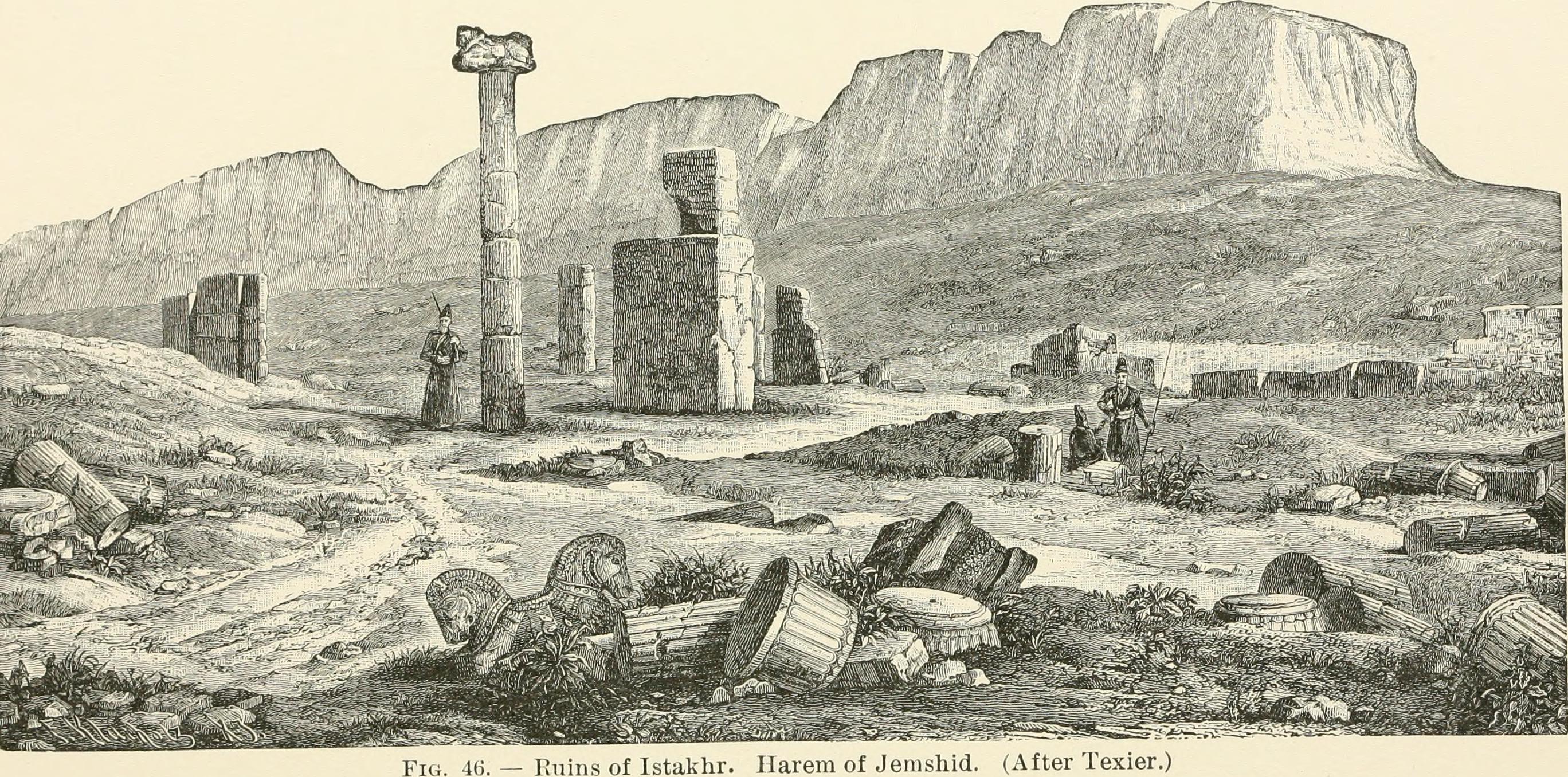
Istakhr
Ancient city with religious and defensive structures.
Tappeh Berdankan
Sasanian site with diverse pottery artifacts.
Rahmatabad Mound
Ancient Chalcolithic settlement with industrial features