Explore the Map
Konar Sandal
28.4494° N, 57.7784° E
About
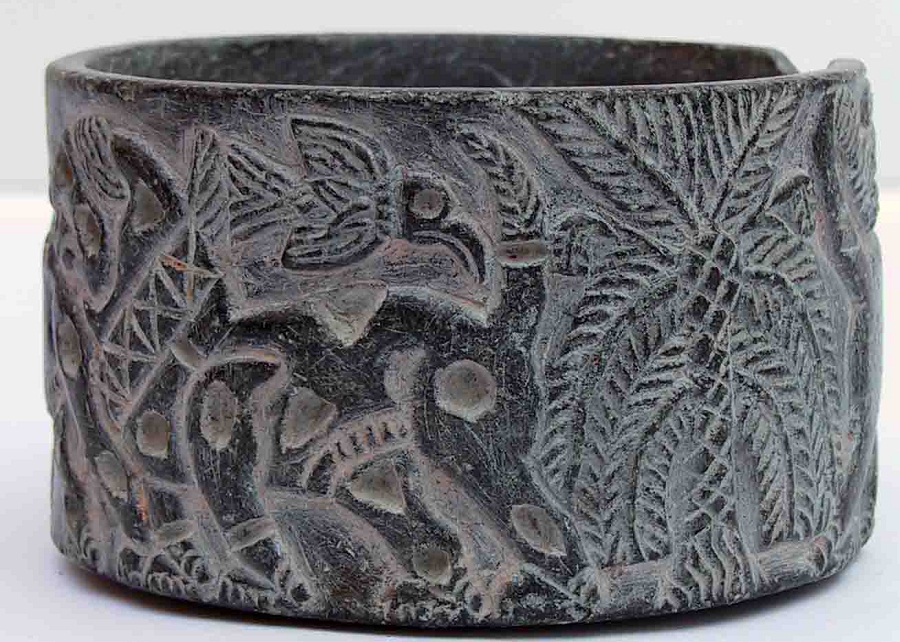
The Konar Sandal site, located in Iran's Kermān Province, is a significant Bronze Age archaeological site. It comprises two prominent mounds, Konar Sandal North and South, distinguished by their respective heights of 13 and 21 meters. The site is known for its Early Bronze Age occupation, with Konar Sandal South dating from approximately 2880 BCE to 2200 BCE. The region has suffered from modern agricultural activities and looting, yet excavations have revealed notable artifacts, including decorated clay statue reliefs and inscribed bricks. These findings, featuring potentially Linear Elamite symbols, hint at complex artistic and possibly communicative practices. The Konar Sandal site is associated with the Jiroft culture and has been speculated to belong to the enigmatic Aratta Kingdom or the city-state of Marhashi, underscoring its archaeological significance.
Gallery
Explore photographs of ancient structures, artifacts, and archaeological excavations
Historical Timeline
Journey through time and discover key events in this site's history
Early Bronze Age Konar Sandal South
c. 2880 BCE, c. 2200 BCE
Archaeological Features
Unique architectural and cultural elements found at this historical site
Burial and Funerary Structures
Industrial and Craft Structures
Artistic and Decorative Features
Agricultural and Land Use Features
Frequently Asked Questions
Plan Your Visit
Tours, travel arrangements, and practical information
More Sites in Iran
Tepe Hissar
Prehistoric site with rich cultural artifacts
Tepe Sofalin
Ancient mound with Proto-Elamite artifacts
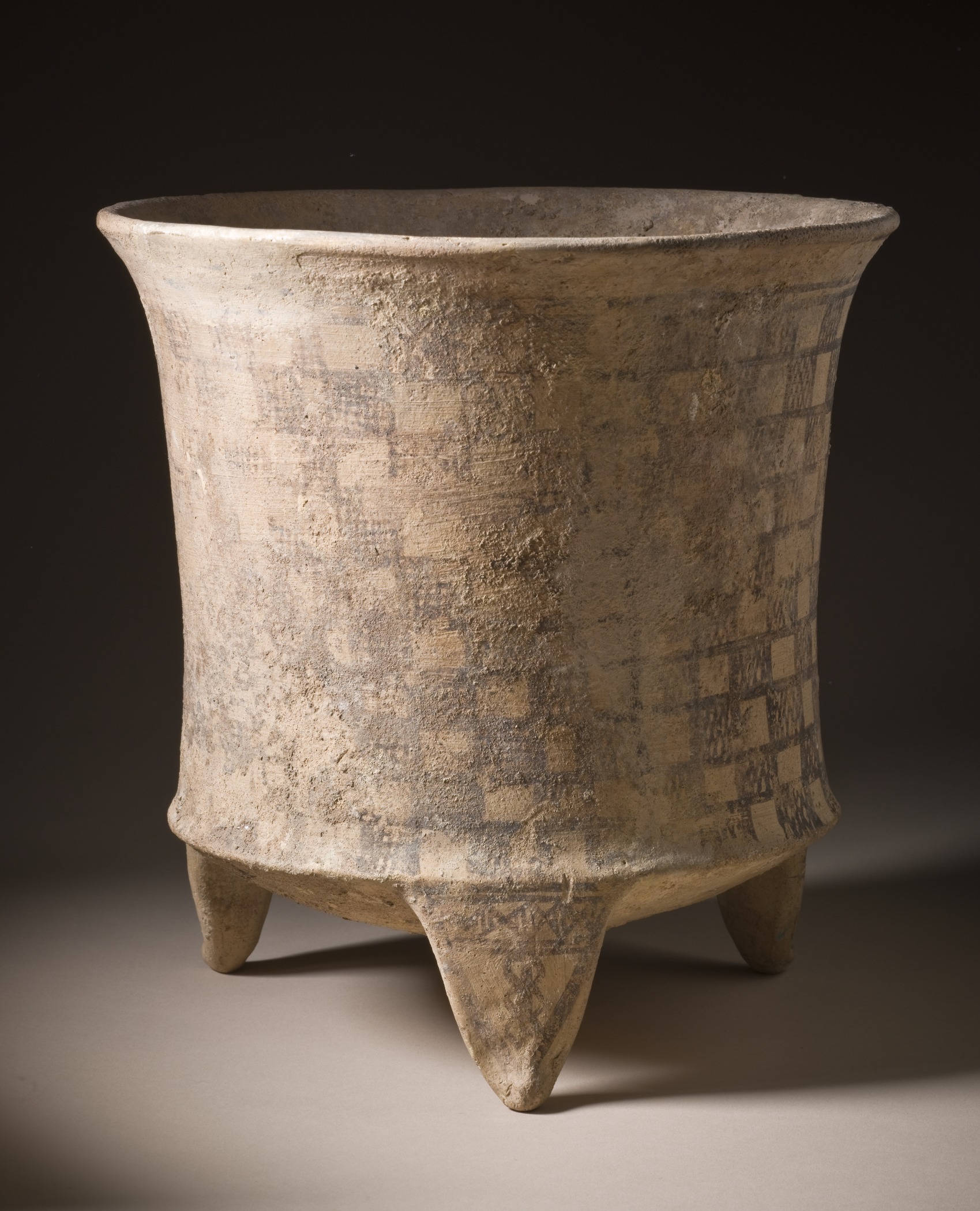
Tepe Giyan
Necropolis with distinctive pottery in Iran.
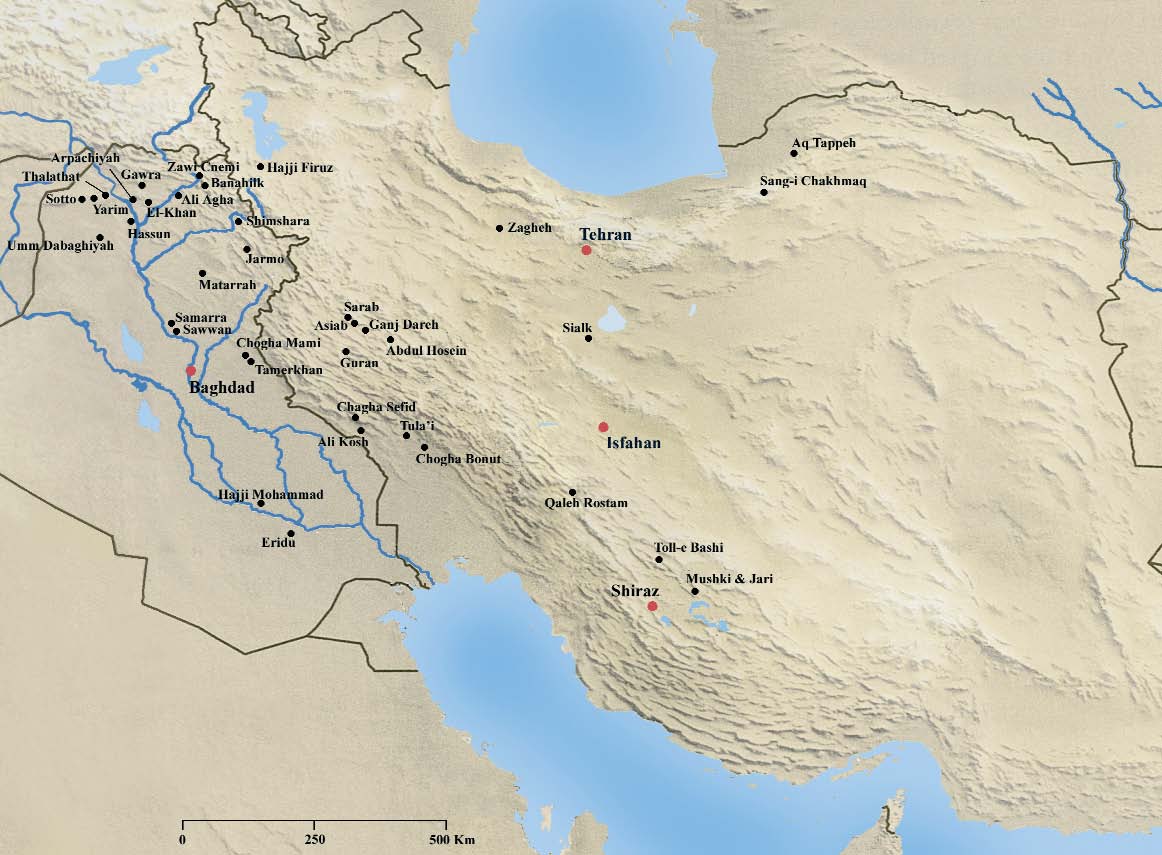
Chia Jani
Neolithic site with obsidian bladelets.
Tappeh Berdankan
Sasanian site with diverse pottery artifacts.
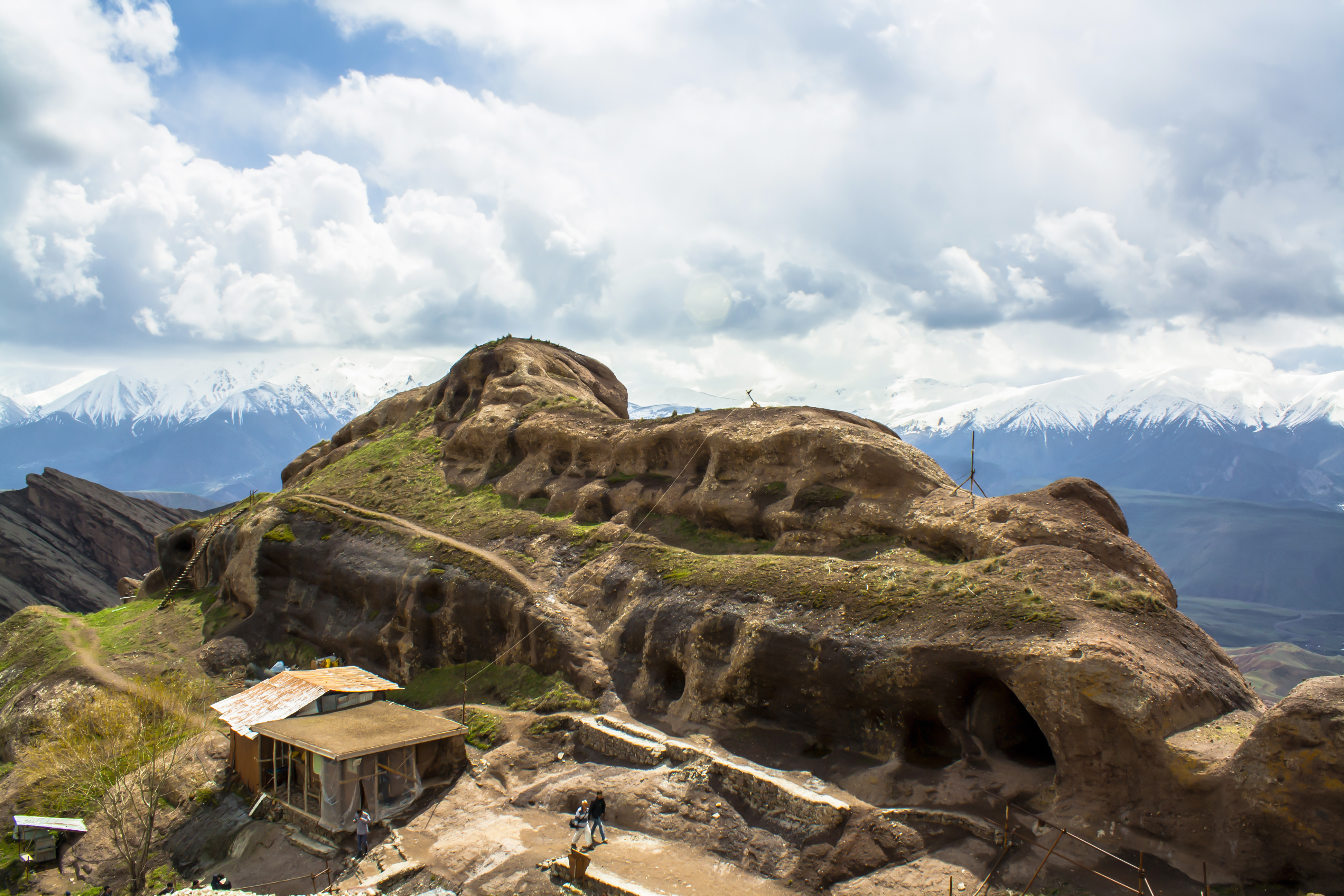
Mount Khajeh
Flat-topped basalt hill with ancient ruins