
Explore the Map
Shahr-e Sukhteh
30.5953° N, 61.3264° E
About
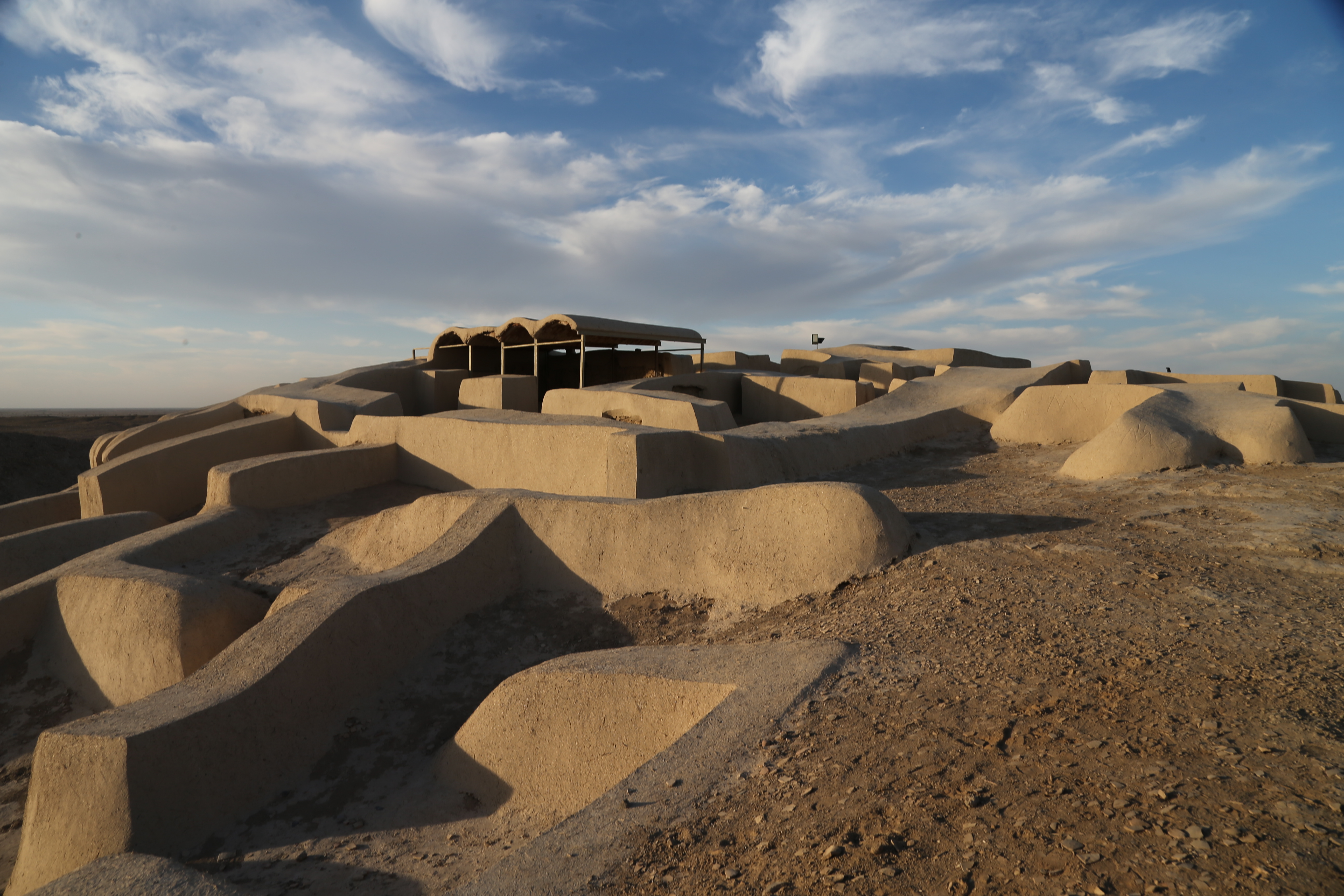
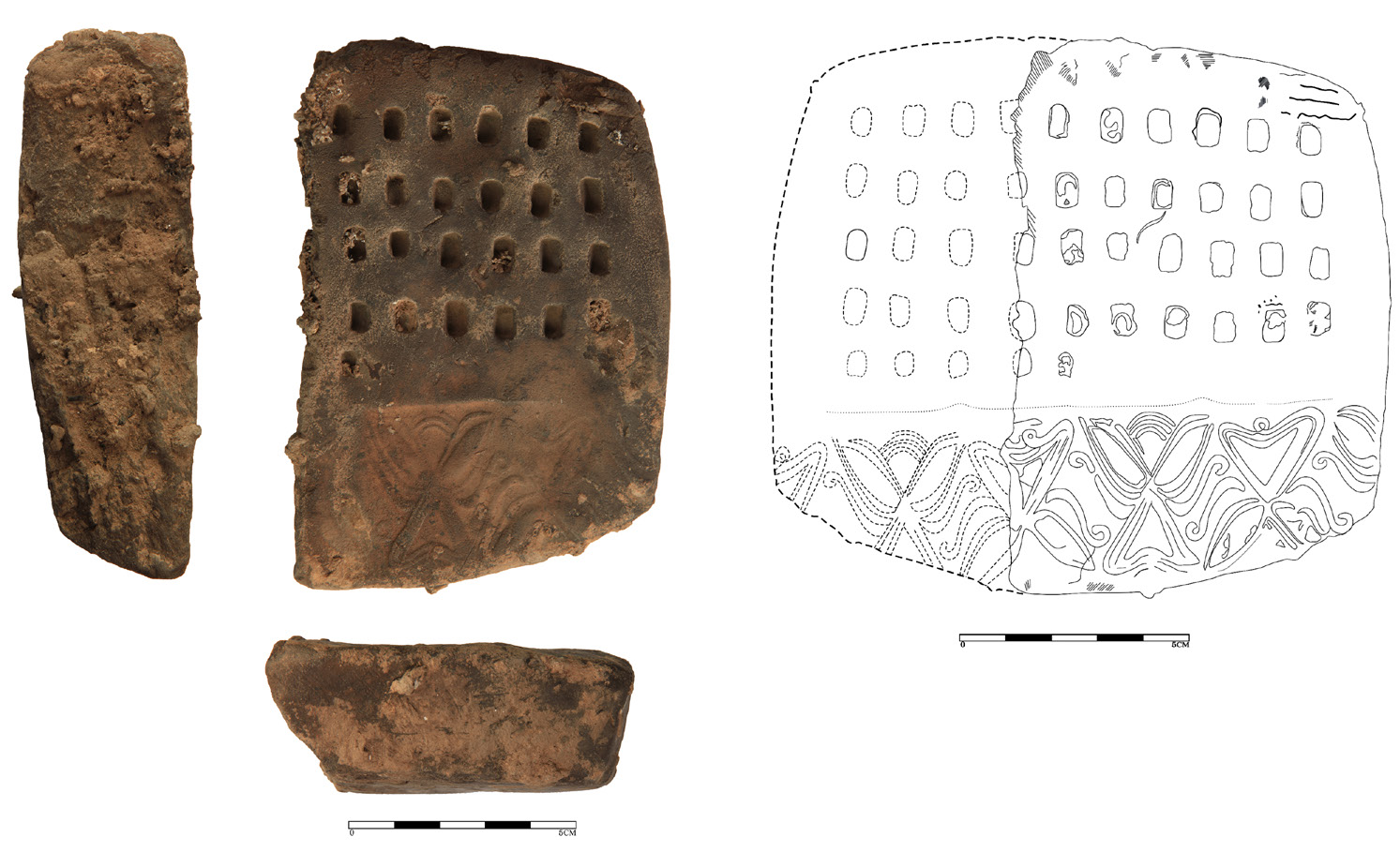
Shahr-e Sukhteh, also known as the Burnt City, is a prominent archaeological site located in southeastern Iran, dating from approximately 3550 to 2300 BCE. As one of the largest cities during the dawn of the urban era, it covers an area of about 200 hectares. This Bronze Age settlement showcases significant connections with nearby regions like Turkmenistan and the Indus Valley. Key features include a vast cemetery with thousands of graves, evidence of advanced ceramics production, and distinctive architectural structures such as the 'Burnt Palace.' Shahr-e Sukhteh offers insights into an independent civilization east of prehistoric Iran, distinct from ancient Mesopotamia. Its historical importance is underscored by its inclusion on the UNESCO World Heritage List.
Gallery
Explore photographs of ancient structures, artifacts, and archaeological excavations
Historical Timeline
Journey through time and discover key events in this site's history
Settlement Establishment
3550 BCE
Period IV Decline
2400–2300 BCE
Period III Standardization
2600–2400 BCE
Period II Expansion
3000–2600 BCE
Period I Development
3550–3000 BCE
Archaeological Features
Unique architectural and cultural elements found at this historical site
Public and Civic Structures
Burial and Funerary Structures
Industrial and Craft Structures
Domestic and Habitation Structures
Frequently Asked Questions
Plan Your Visit
Tours, travel arrangements, and practical information
More Sites in Iran
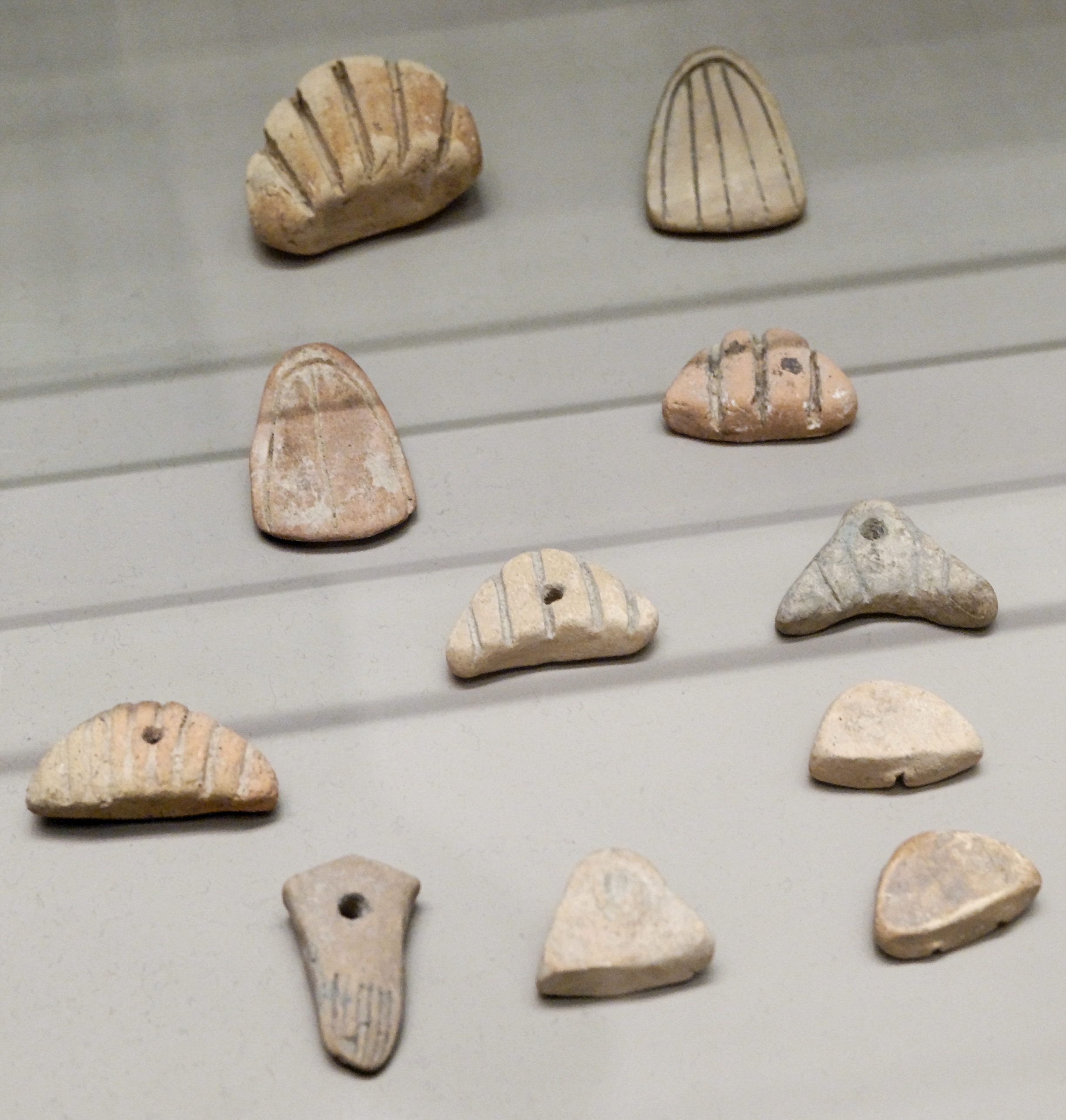
Tepe Sofalin
Ancient mound with Proto-Elamite artifacts
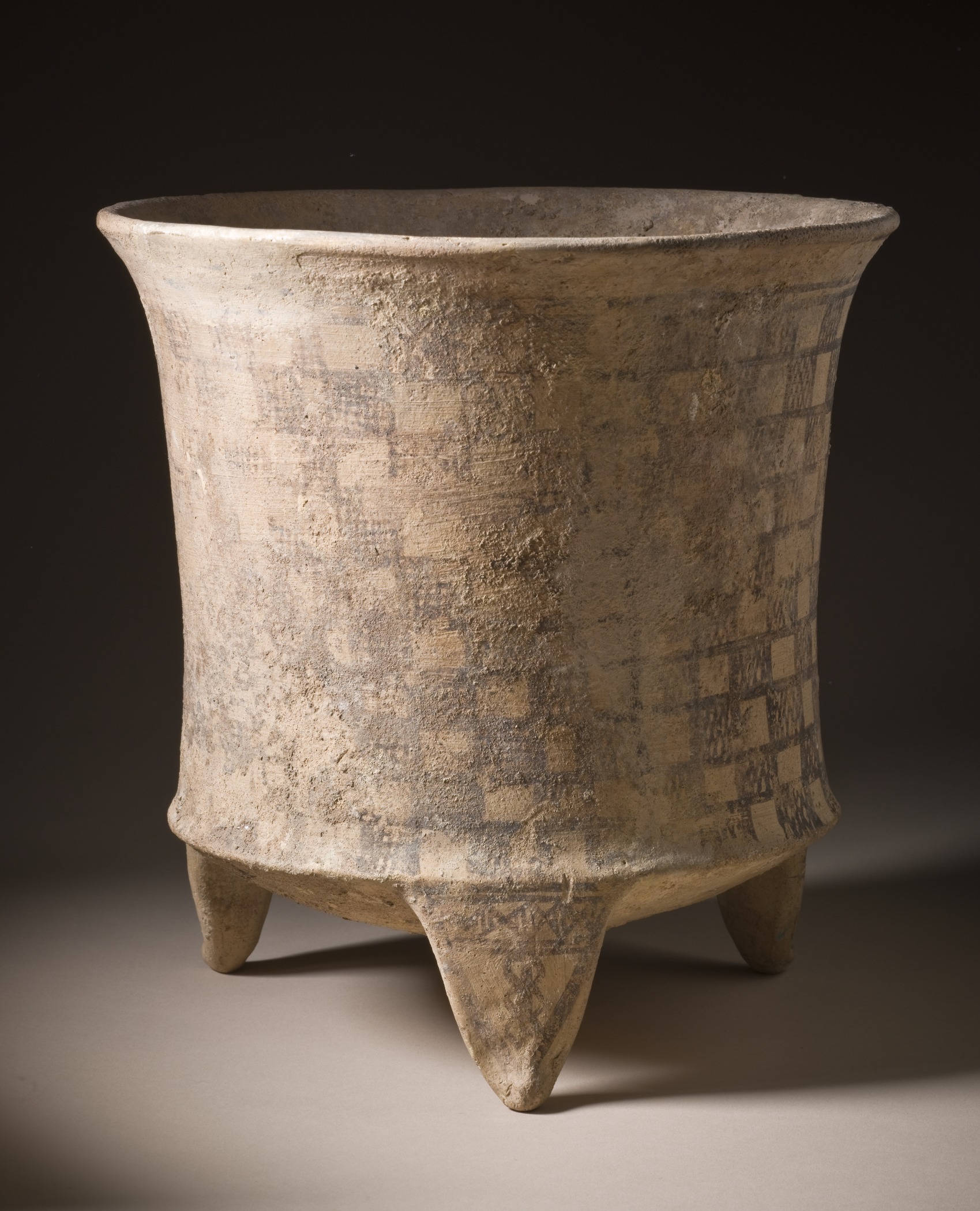
Tepe Giyan
Necropolis with distinctive pottery in Iran.
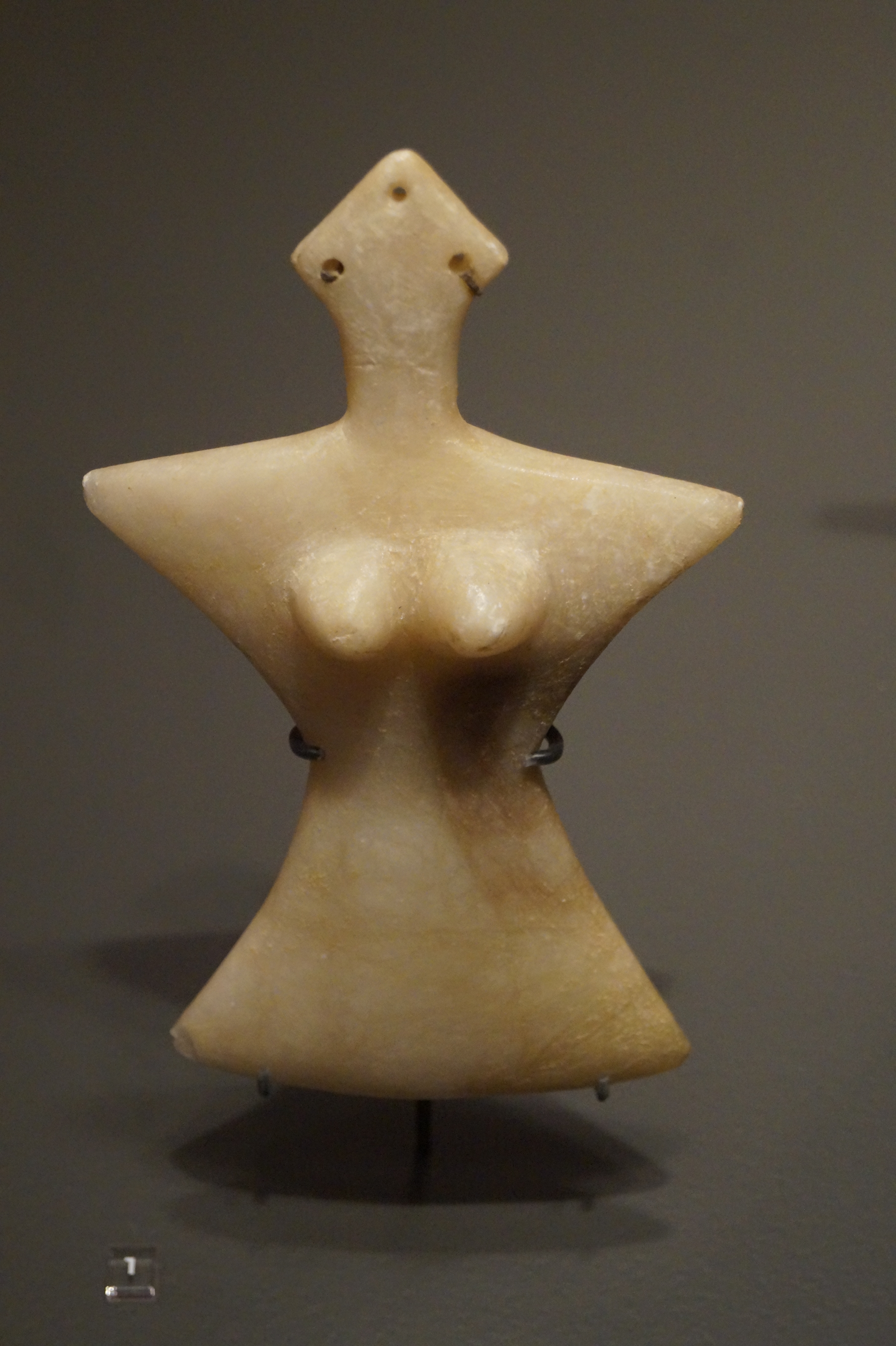
Tepe Hissar
Prehistoric site with rich cultural artifacts
Chogha Golan
Aceramic Neolithic site with cultural deposits
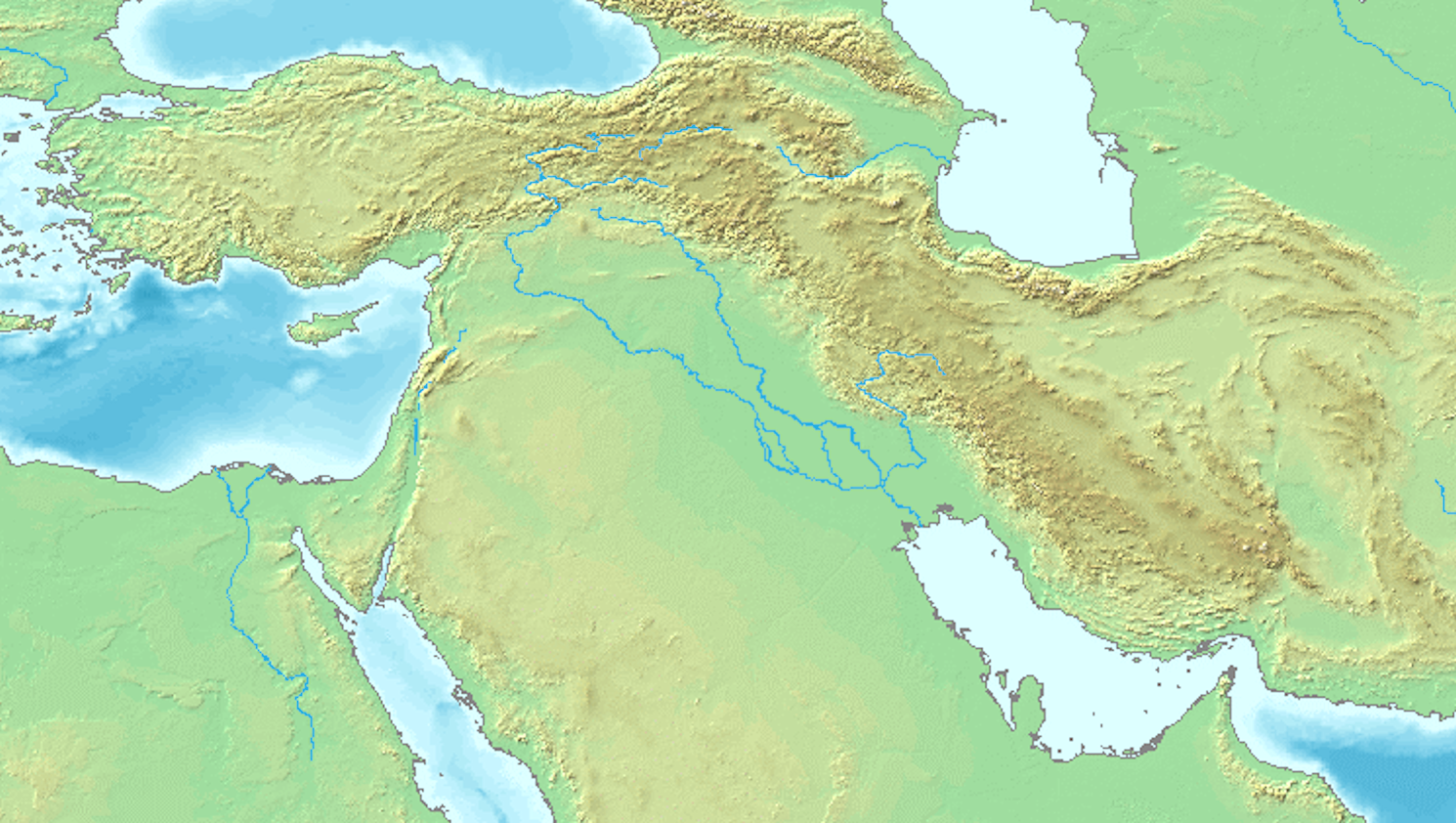
Teppe Zagheh
Early urban settlement with painted buildings.
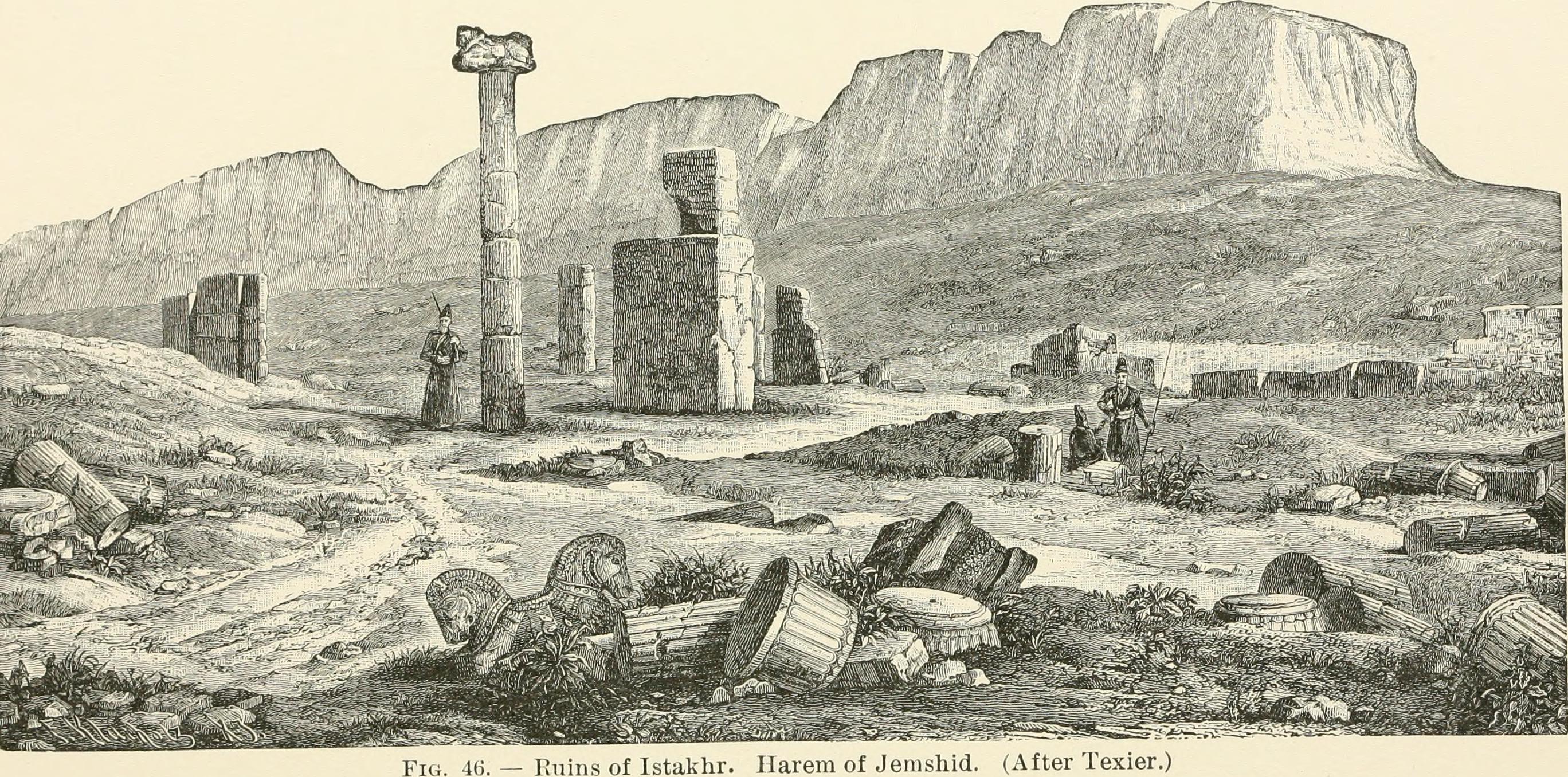
Istakhr
Ancient city with religious and defensive structures.