Explore the Map
Kul-e Farah
31.8719° N, 49.9283° E
About
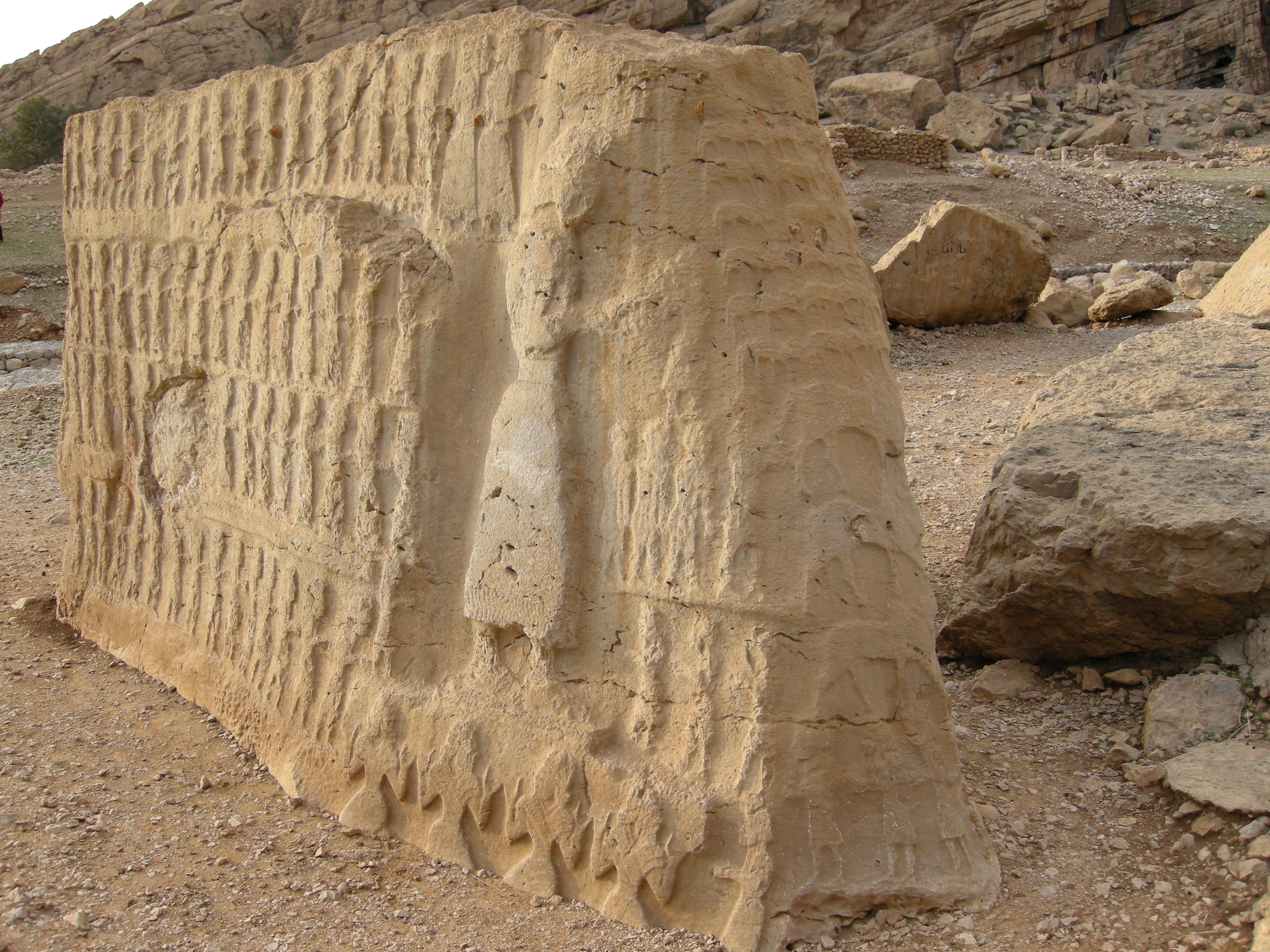
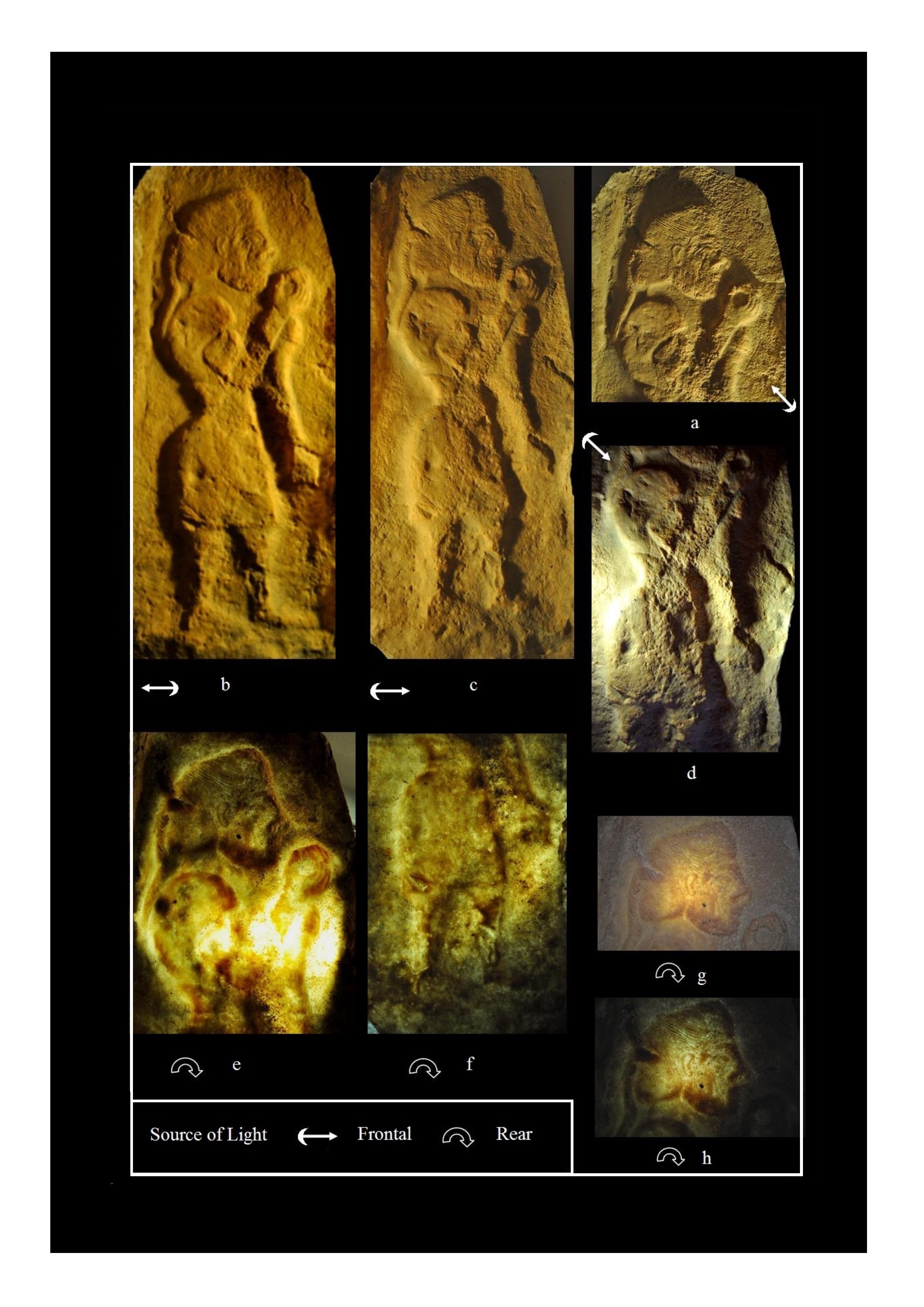
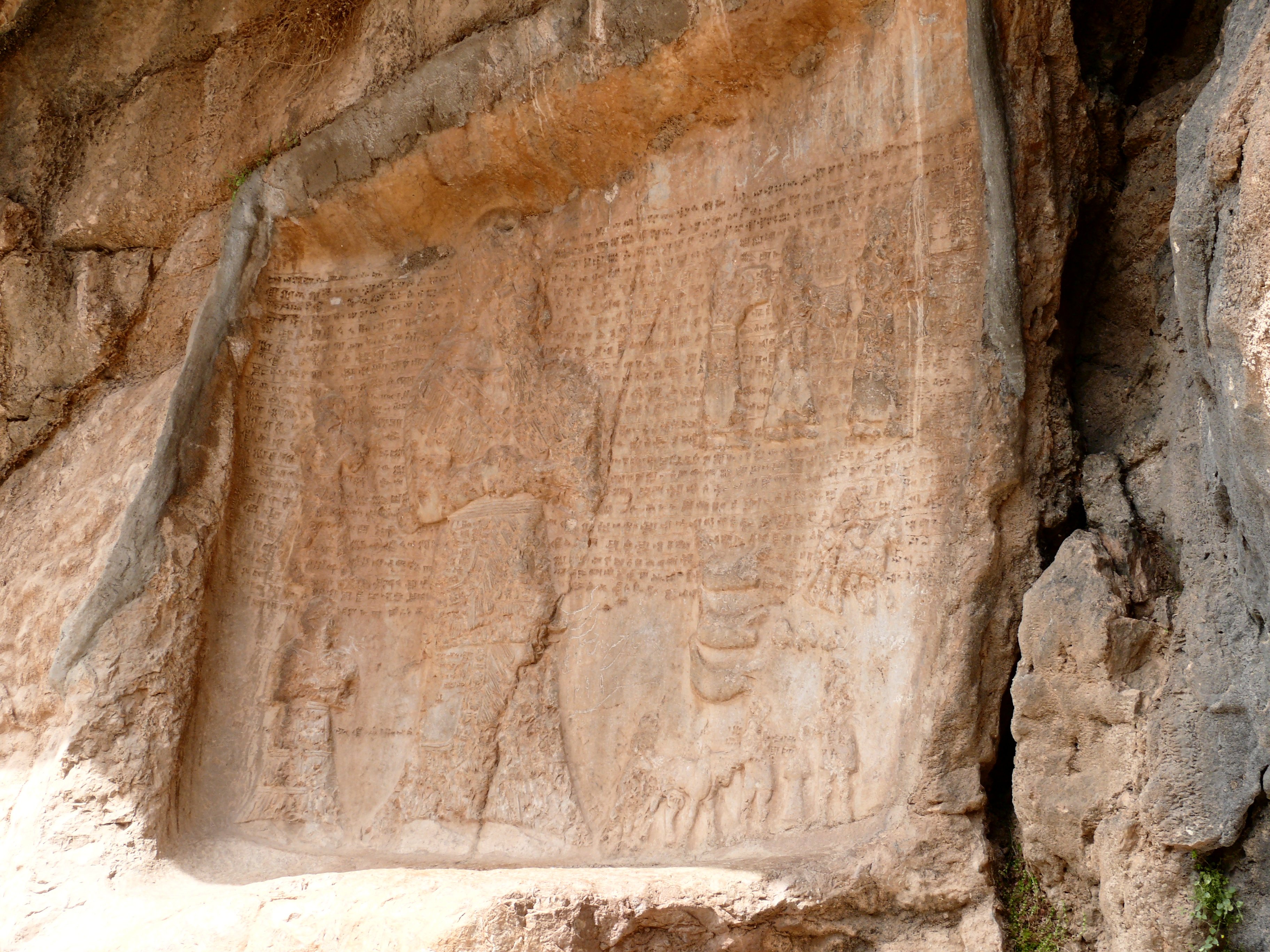
Kul-e Farah is an archaeological site situated in the Zagros mountain valley of Izeh/Mālamir in southwestern Iran. The site is notable for its six Elamite rock reliefs, which are vital for understanding the art and culture of the Neo-Elamite period. These reliefs, dated between the 9th and 6th centuries BCE, depict various scenes including processions, animal sacrifices, and banquets involving numerous participants. The artistic style and the presence of inscriptions provide insights into Elamite religious practices and social hierarchy. Kul-e Farah's significance extends to its influence on subsequent Persian art and ritual practices, highlighting the enduring legacy of Elamite culture. The site holds a unique place in the study of ancient Near Eastern archaeology due to its rich iconography and connection to the natural landscape, reflecting a deep-seated religious significance.
Gallery
Explore photographs of ancient structures, artifacts, and archaeological excavations
Historical Timeline
Journey through time and discover key events in this site's history
Creation of Kul-e Farah V
not specified
Creation of Kul-e Farah II
not specified
Creation of Kul-e Farah IV
not specified
Creation of Kul-e Farah VI
not specified
Creation of Kul-e Farah III
not specified
Construction of Kul-e Farah I
c. 650–575 BCE
Archaeological Features
Unique architectural and cultural elements found at this historical site
Religious and Ritual Structures
Artistic and Decorative Features
Frequently Asked Questions
Plan Your Visit
Tours, travel arrangements, and practical information
More Sites in Iran
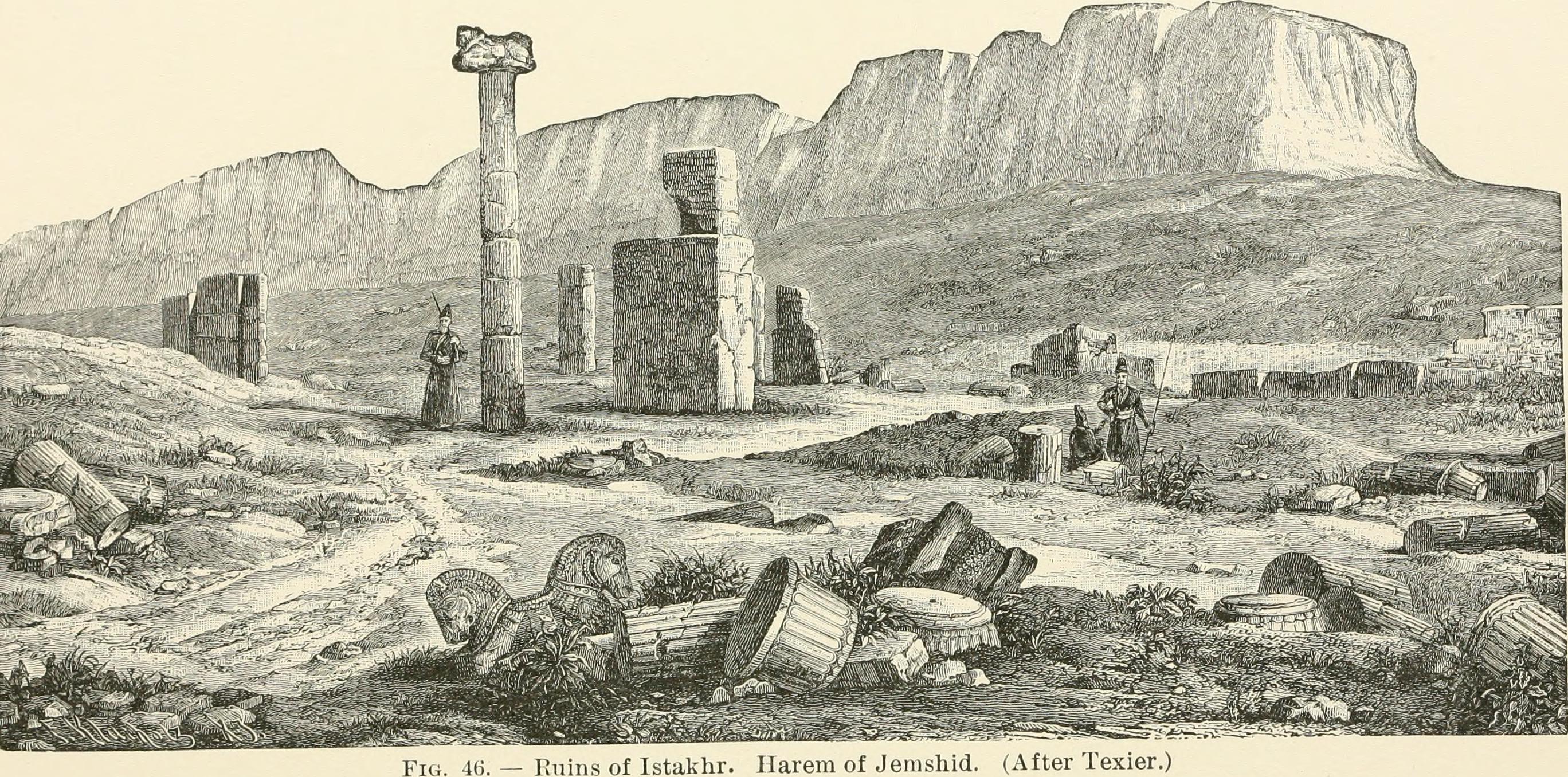
Istakhr
Ancient city with religious and defensive structures.
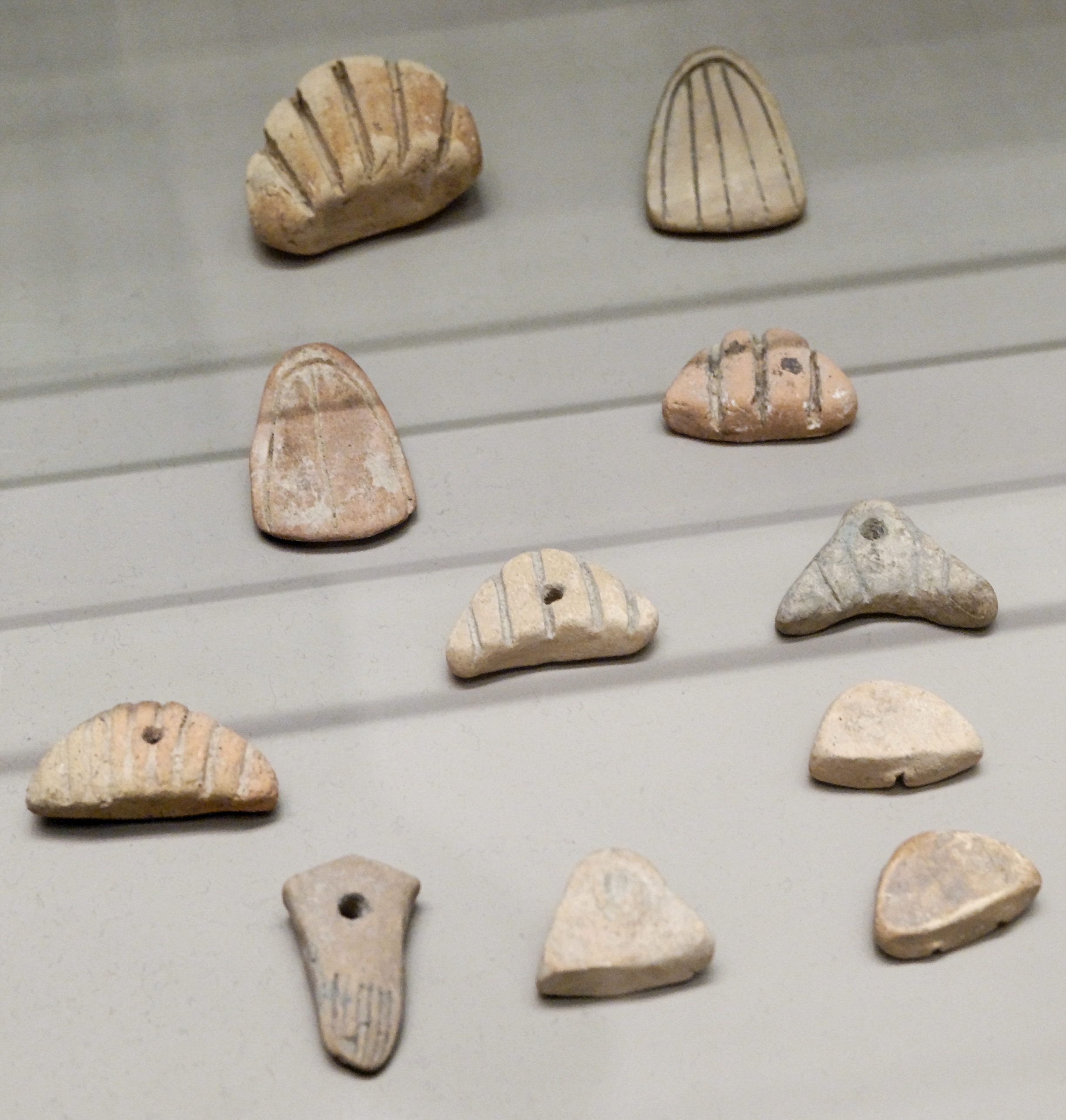
Tepe Sofalin
Ancient mound with Proto-Elamite artifacts
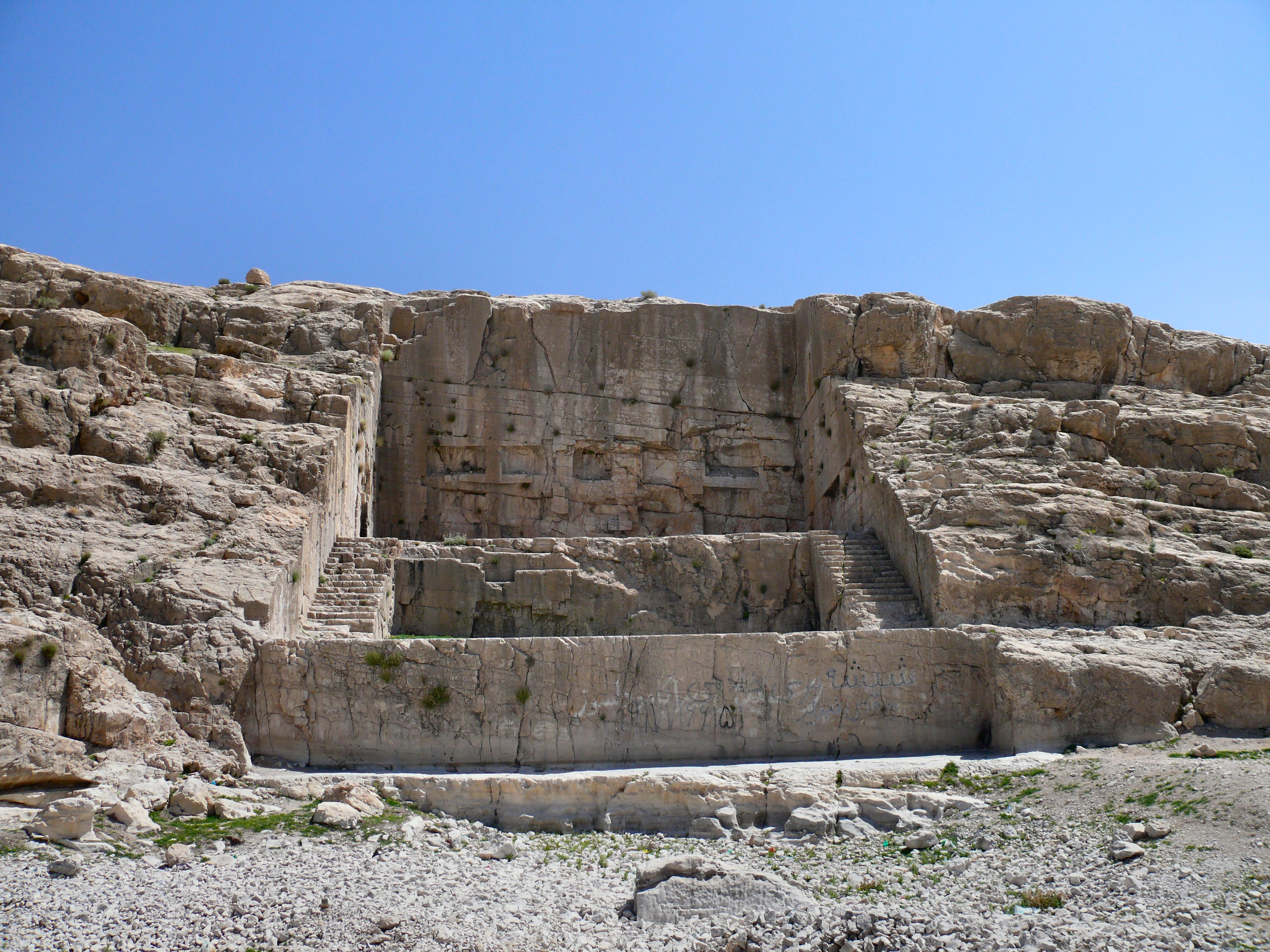
Qadamgah (ancient site)
Achaemenid rock-cut monument with terraces
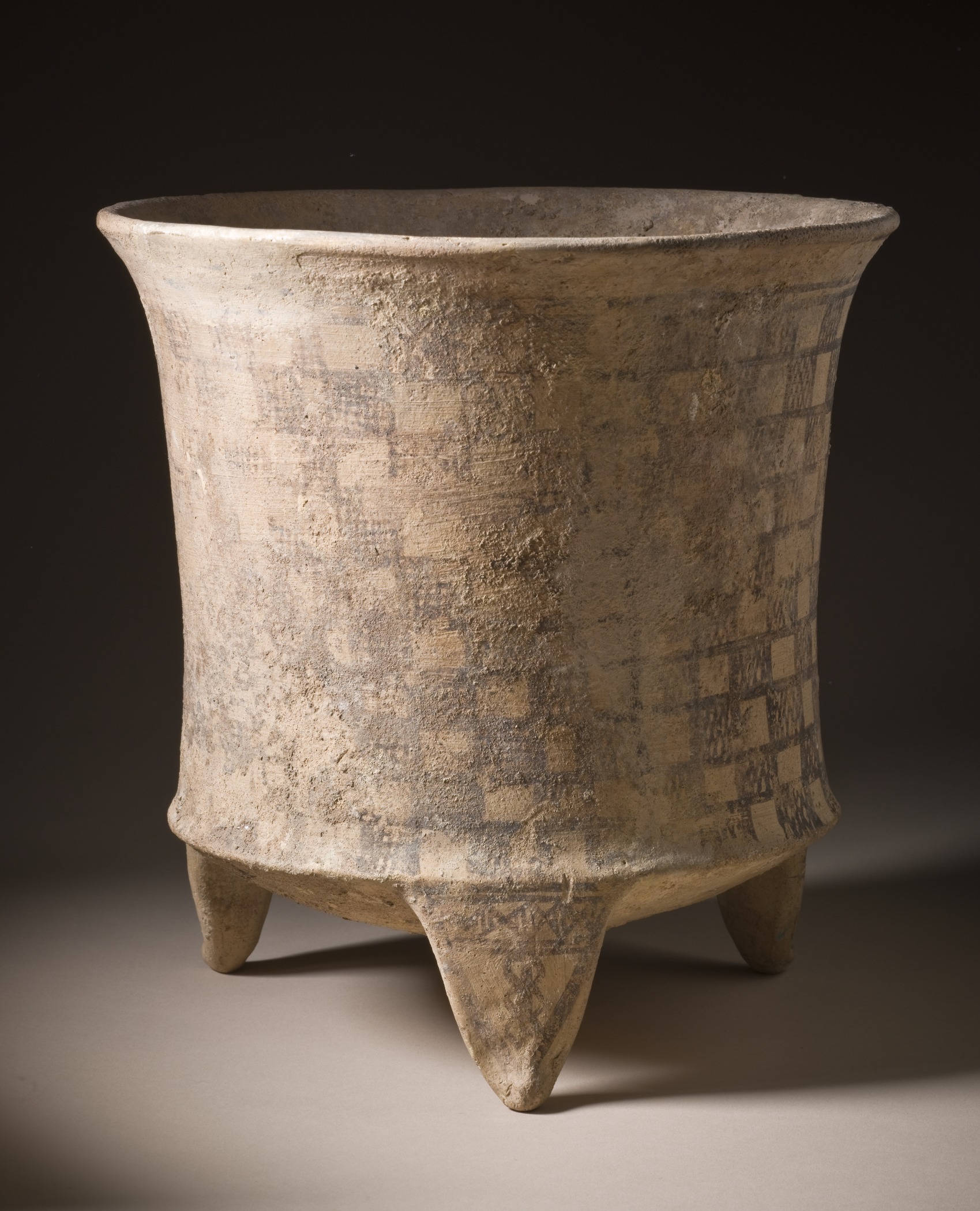
Tepe Giyan
Necropolis with distinctive pottery in Iran.
Tappeh Berdankan
Sasanian site with diverse pottery artifacts.
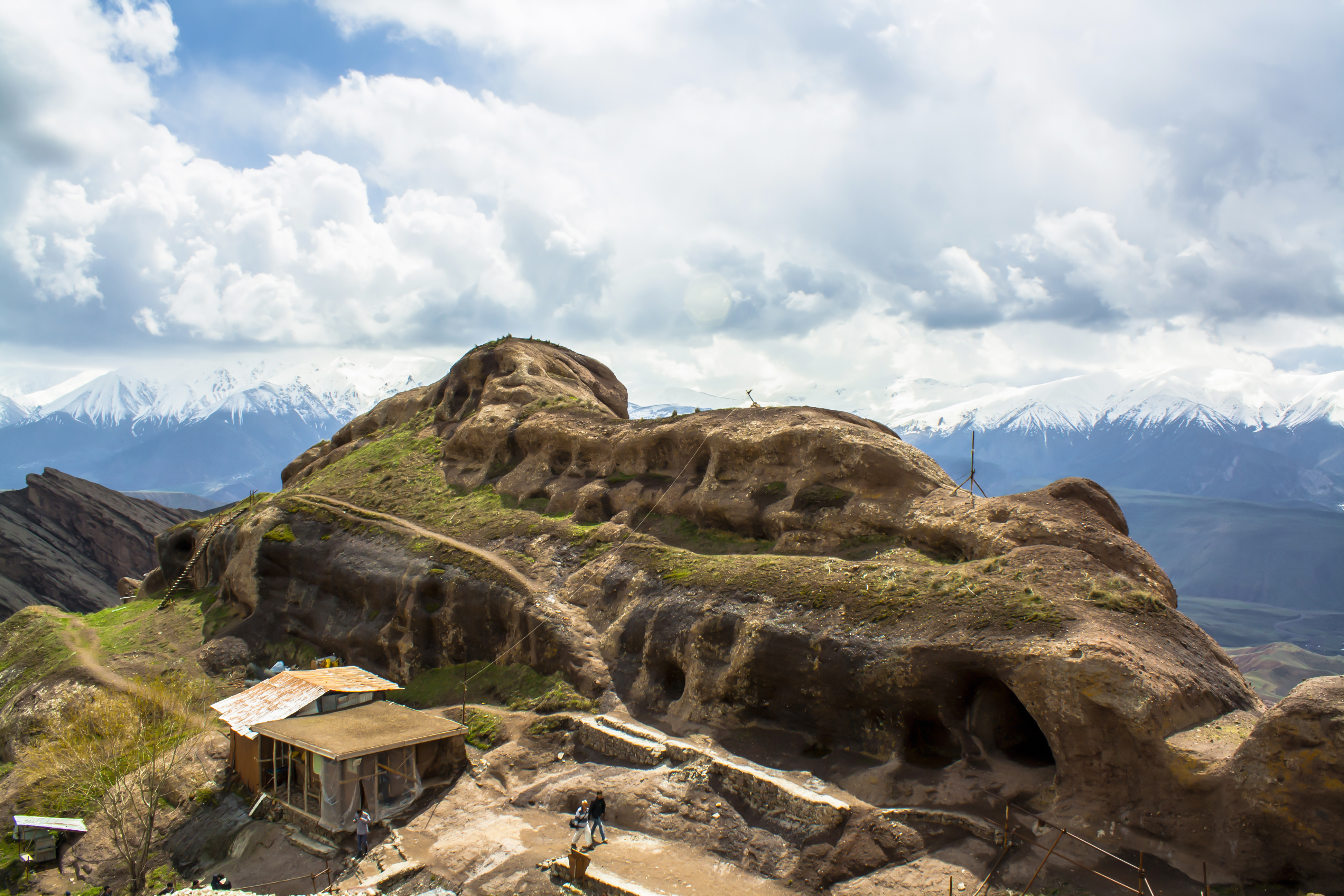
Mount Khajeh
Flat-topped basalt hill with ancient ruins