Explore the Map
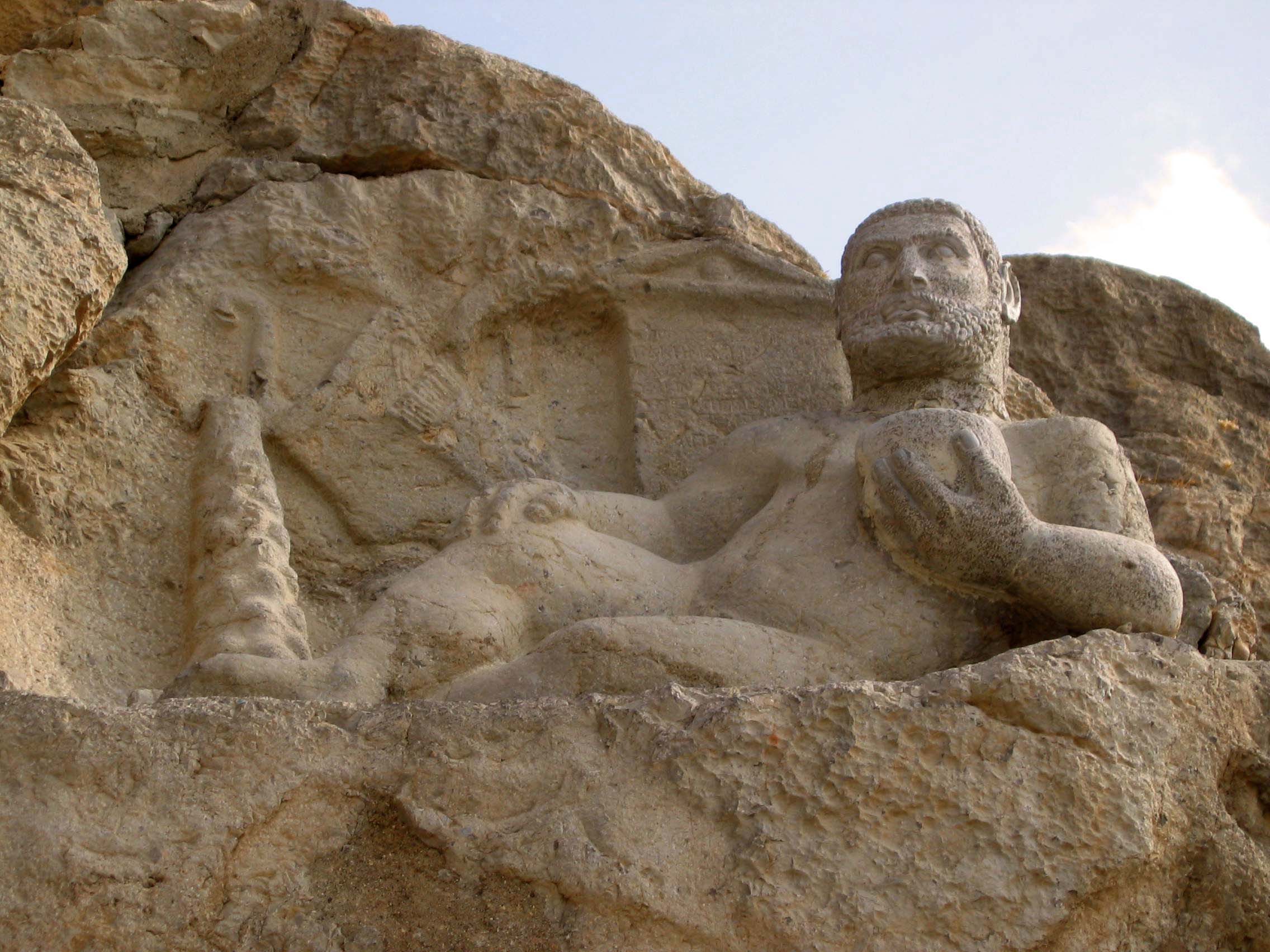
Statue of Hercules in Behistun
34.3833° N, 47.4333° E
About
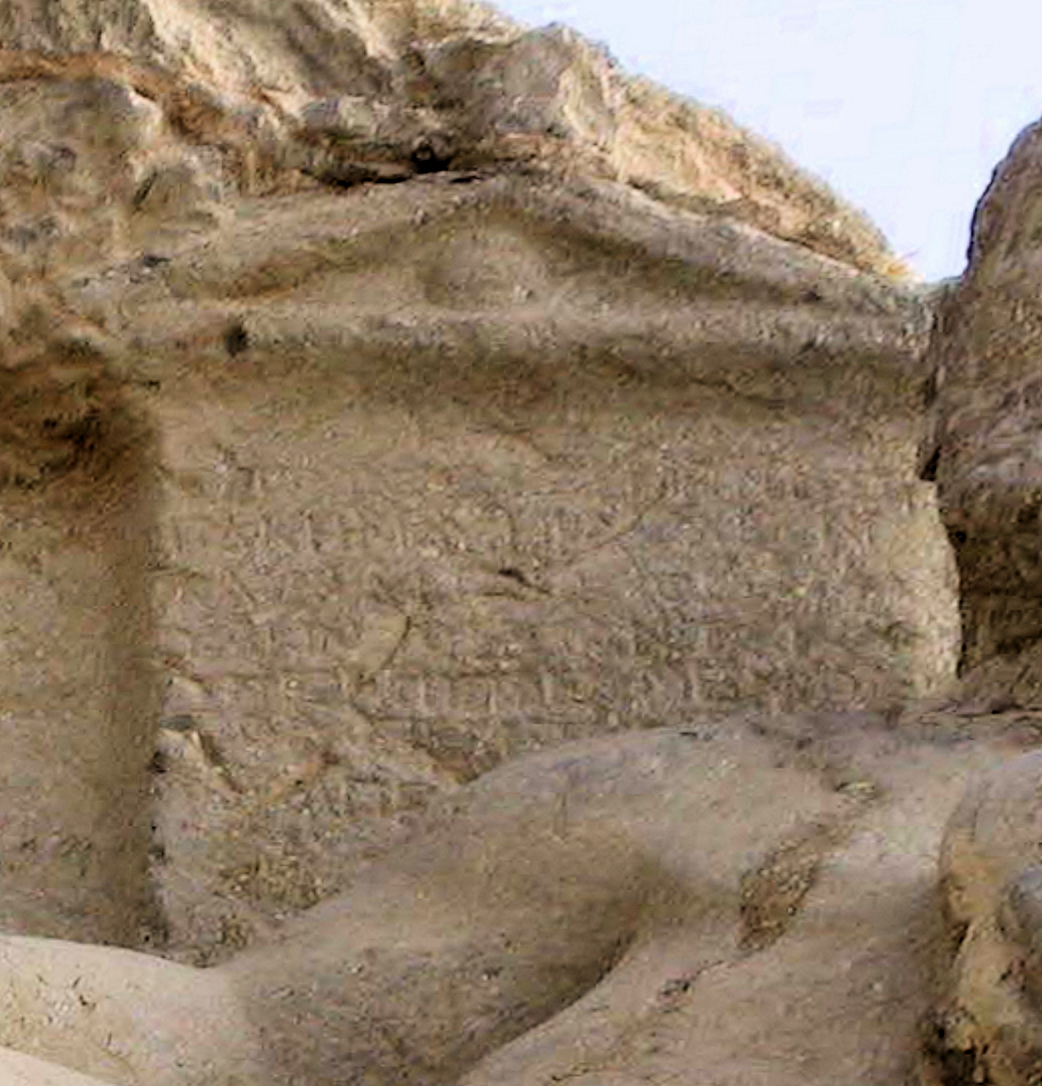
The Statue of Hercules in Behistun, Iran, is an important archaeological site that features a rock sculpture from the Seleucid period, dating to 148 BCE. This statue, carved on Mount Behistun, represents the Greek hero Hercules, known locally as Herakles Kallinikos. It was commissioned by a Seleucid governor to honor a satrap, reflecting the cultural assimilation of Greek and Iranian religious elements during this era. Measuring 1.47 meters in length, the statue is positioned on a 2-meter platform, depicting Hercules reclining with a bowl in his left hand and a club carved in relief behind him. Greek and Aramaic inscriptions accompany the sculpture, attesting to its historical and cultural significance. The site underscores the blend of Greek and Iranian influences in ancient art and religious practices during the Seleucid control of the Iranian Plateau.
Gallery
Explore photographs of ancient structures, artifacts, and archaeological excavations
Historical Timeline
Journey through time and discover key events in this site's history
Creation of Hercules Statue
148 BCE
Archaeological Features
Unique architectural and cultural elements found at this historical site
Religious and Ritual Structures
Artistic and Decorative Features
Frequently Asked Questions
Plan Your Visit
Tours, travel arrangements, and practical information
More Sites in Iran
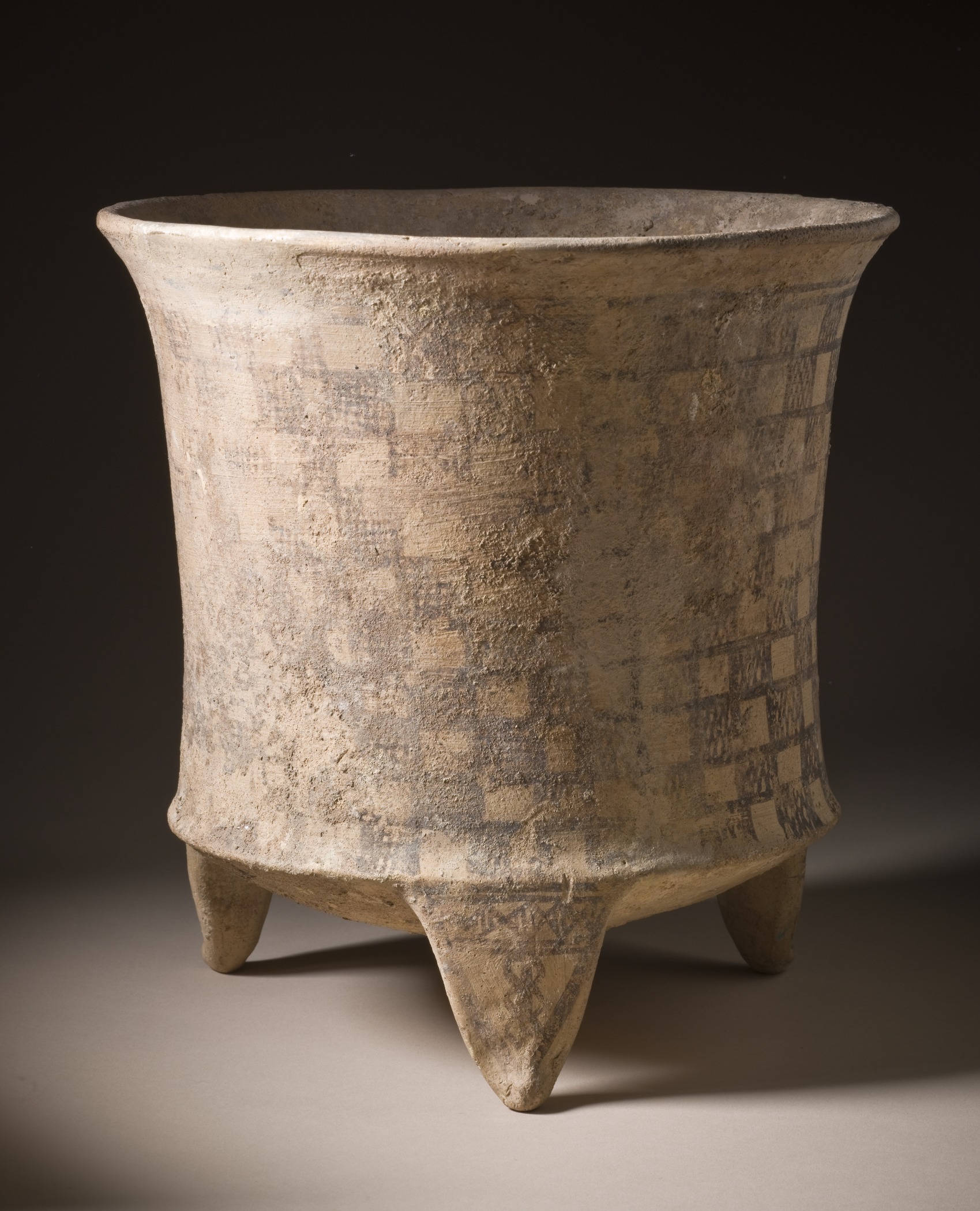
Tepe Giyan
Necropolis with distinctive pottery in Iran.
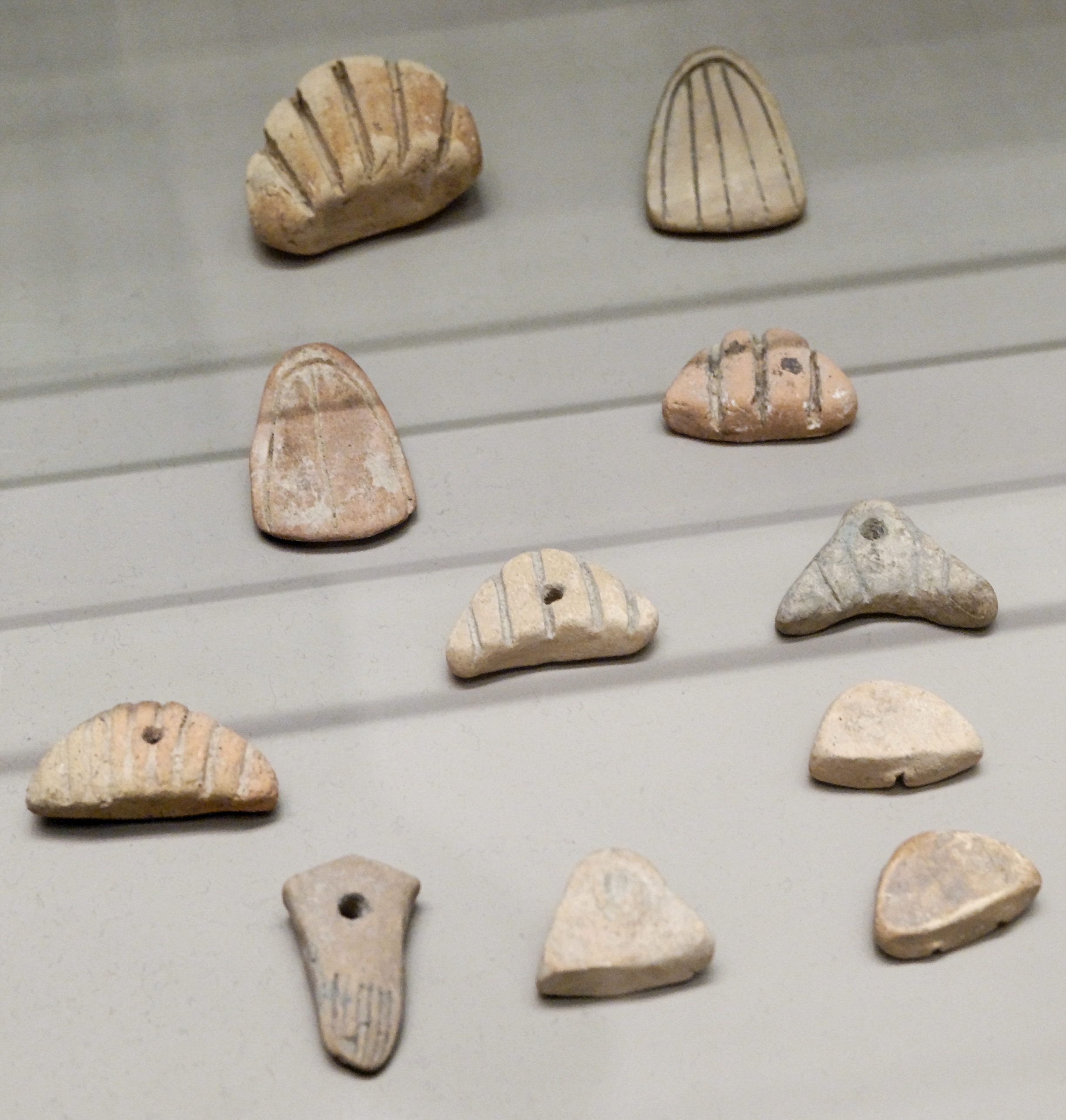
Tepe Sofalin
Ancient mound with Proto-Elamite artifacts
Tappeh Berdankan
Sasanian site with diverse pottery artifacts.
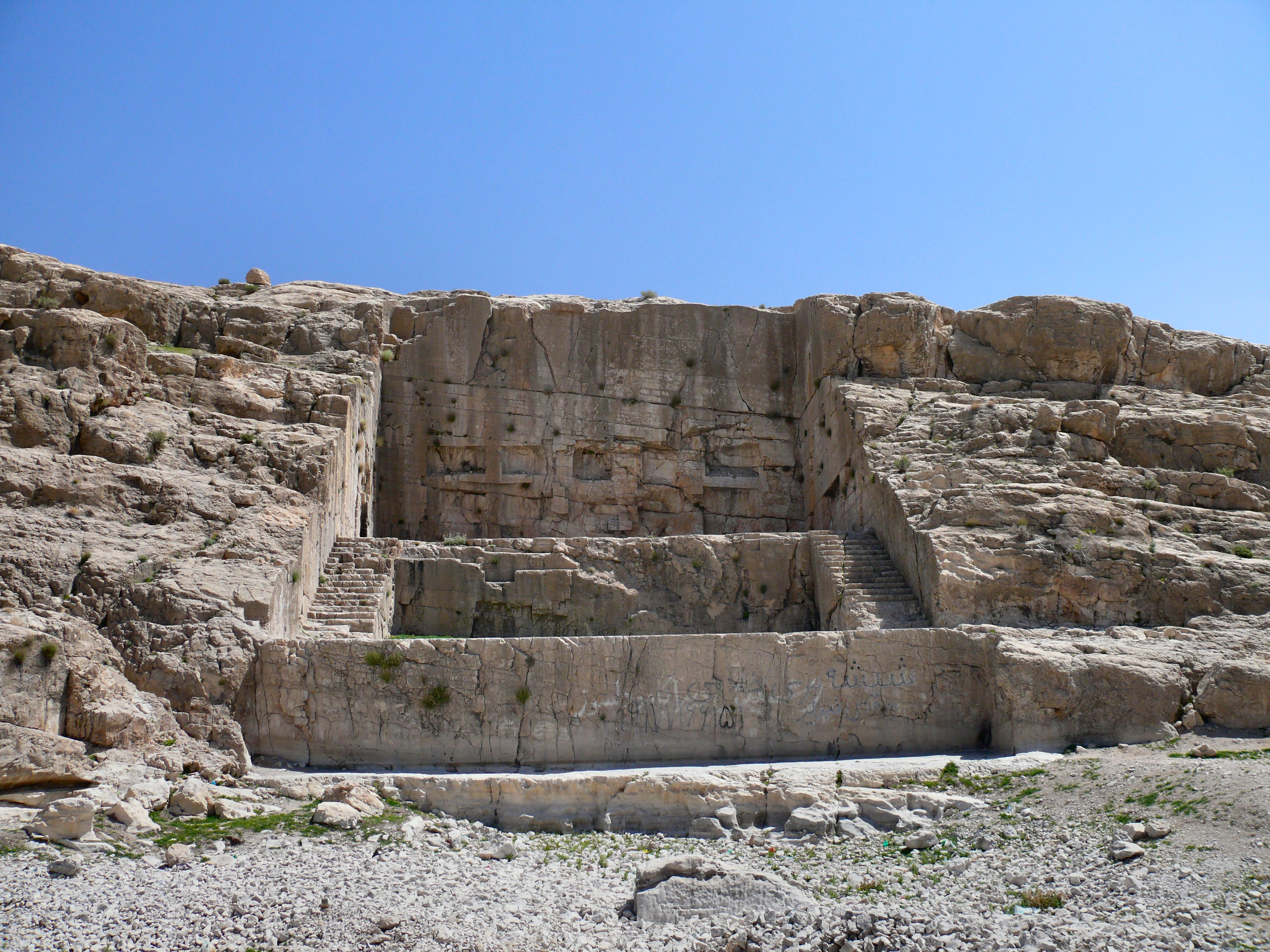
Qadamgah (ancient site)
Achaemenid rock-cut monument with terraces
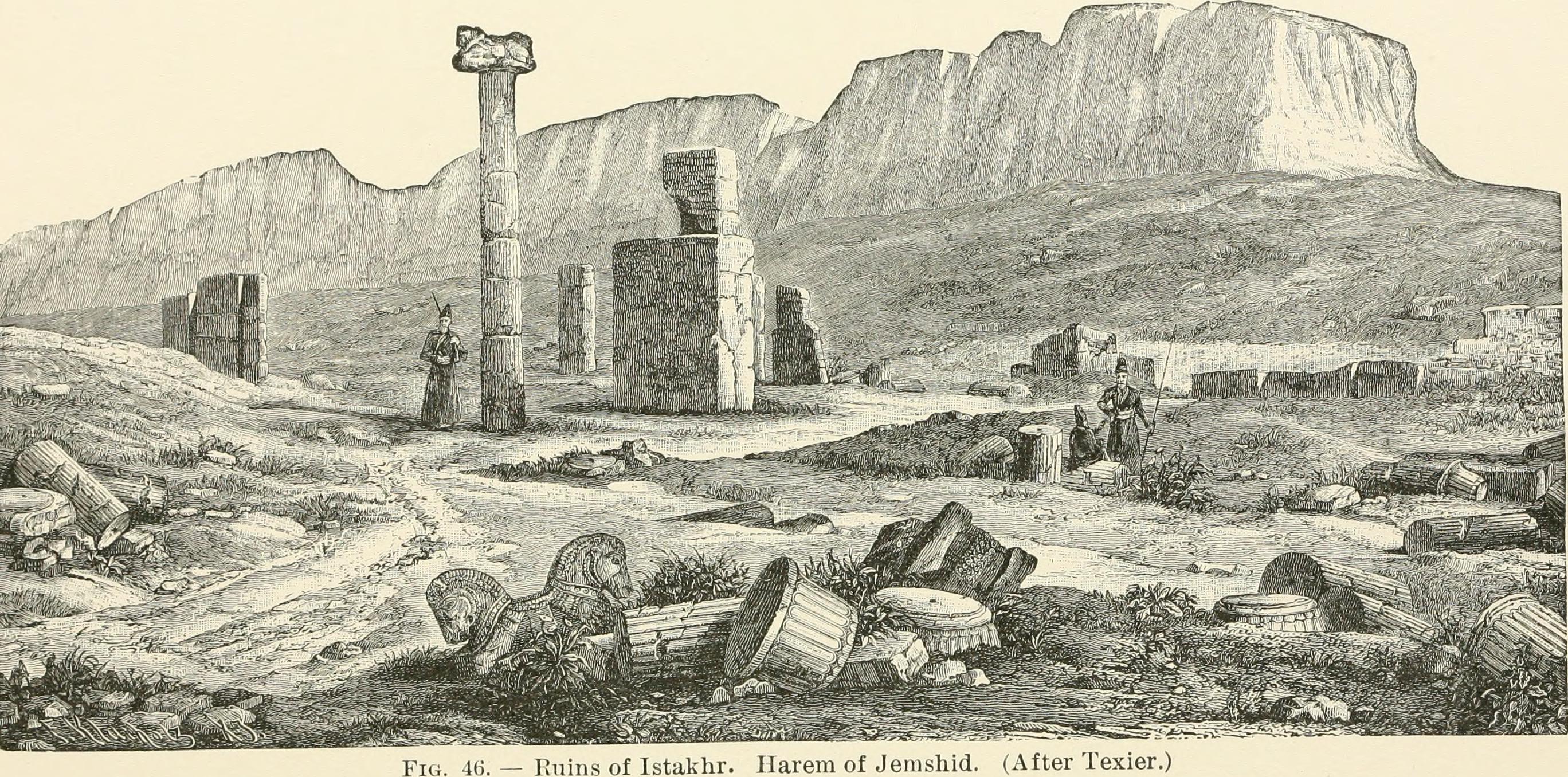
Istakhr
Ancient city with religious and defensive structures.
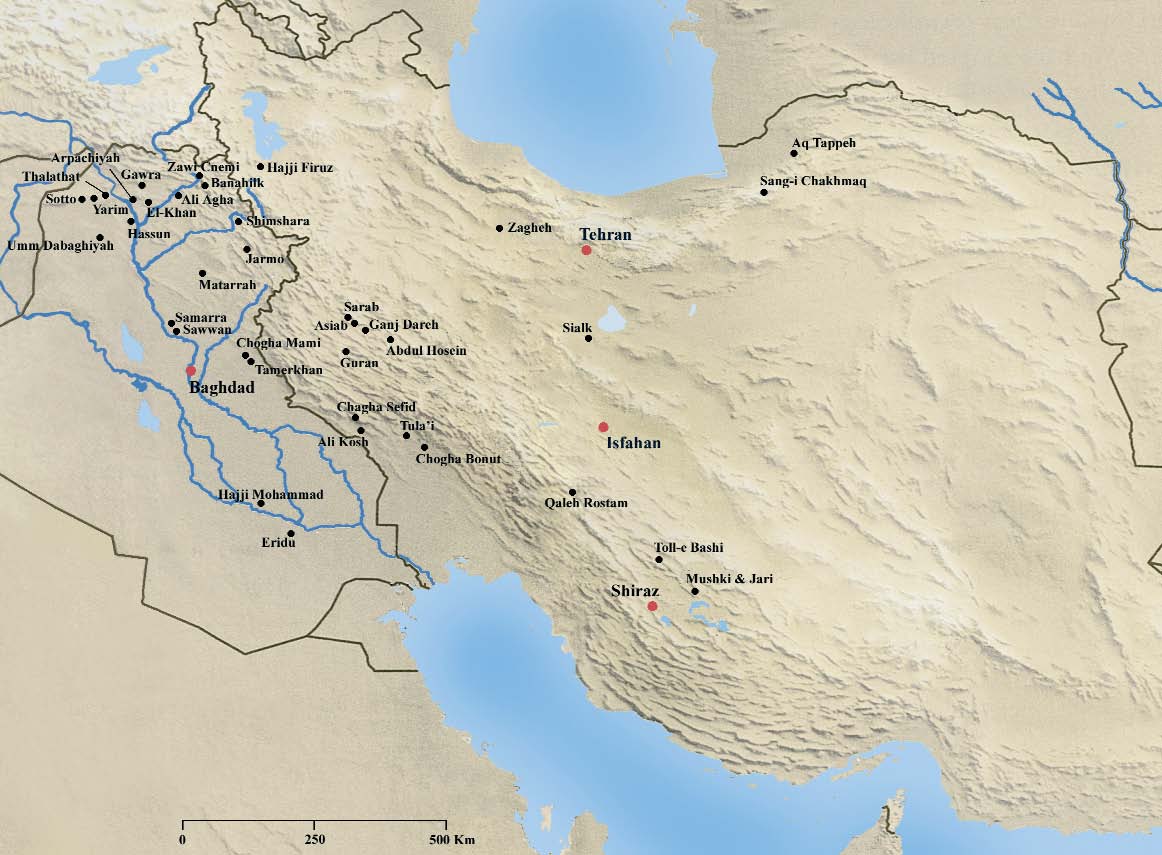
Chia Jani
Neolithic site with obsidian bladelets.