Explore the Map
Kurit Dam
33.4364° N, 57.2419° E
About
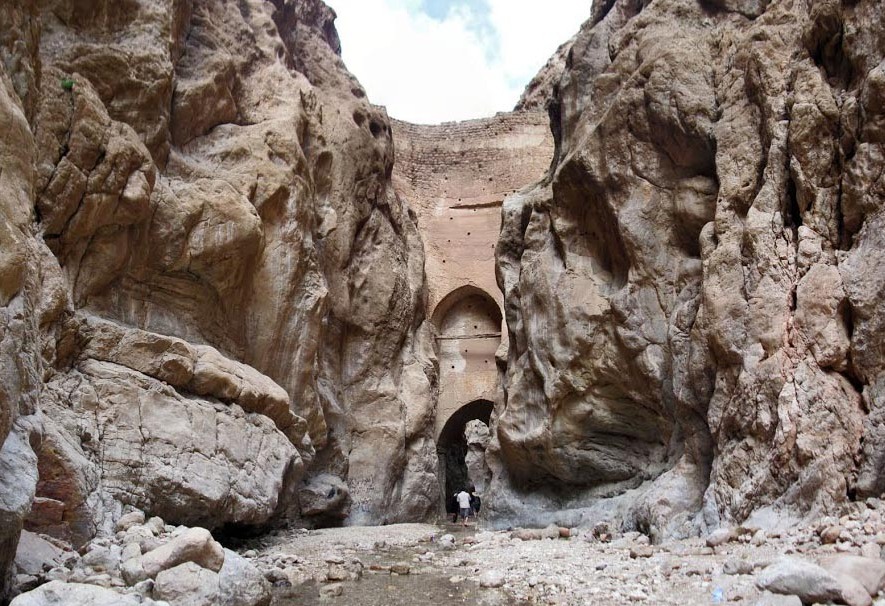
The Kurit Dam, located near the village of Kurit in Tabas, Iran, is a significant archaeological site notable for its innovative construction techniques. Originally built in 1350 CE, this arch-gravity dam stood as the tallest of its kind in the world until the early 20th century. It was constructed in a narrow gorge and employed a sophisticated water outlet system, demonstrating advanced engineering skills of the time. The dam was initially 60 meters tall but was increased by 4 meters in 1850 CE. Though it no longer impounds a reservoir, the dam's remains reveal a history of water management that served the local community for centuries. The site, now filled with silt, underscores the long-term human adaptation and interaction with natural landscapes.
Gallery
Explore photographs of ancient structures, artifacts, and archaeological excavations
Historical Timeline
Journey through time and discover key events in this site's history
Construction of Kurit Dam
1350 CE
Height Addition to Kurit Dam
1850 CE
Archaeological Features
Unique architectural and cultural elements found at this historical site
Water Management Features
Frequently Asked Questions
Plan Your Visit
Tours, travel arrangements, and practical information
More Sites in Iran
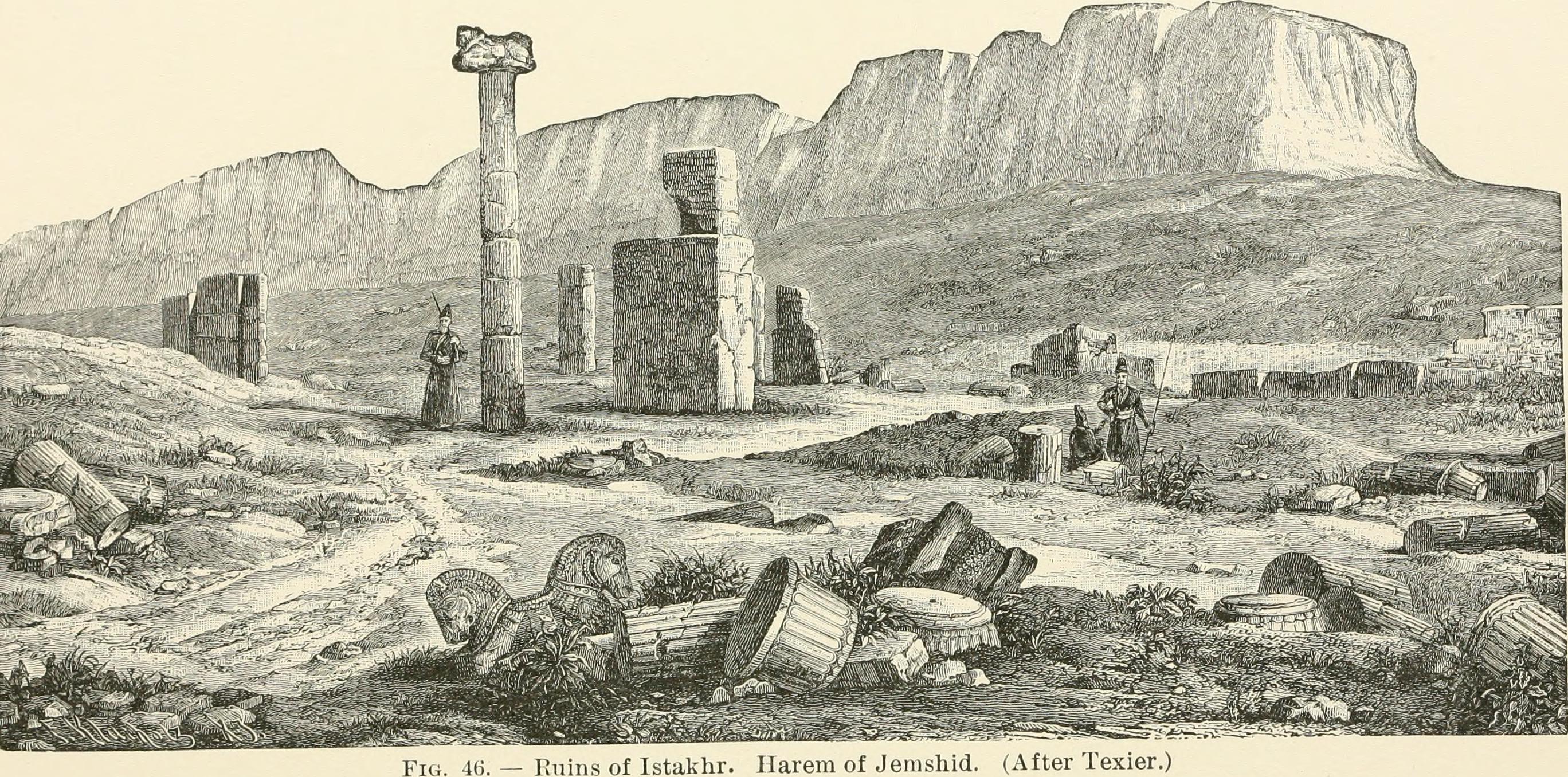
Istakhr
Ancient city with religious and defensive structures.
Tappeh Berdankan
Sasanian site with diverse pottery artifacts.
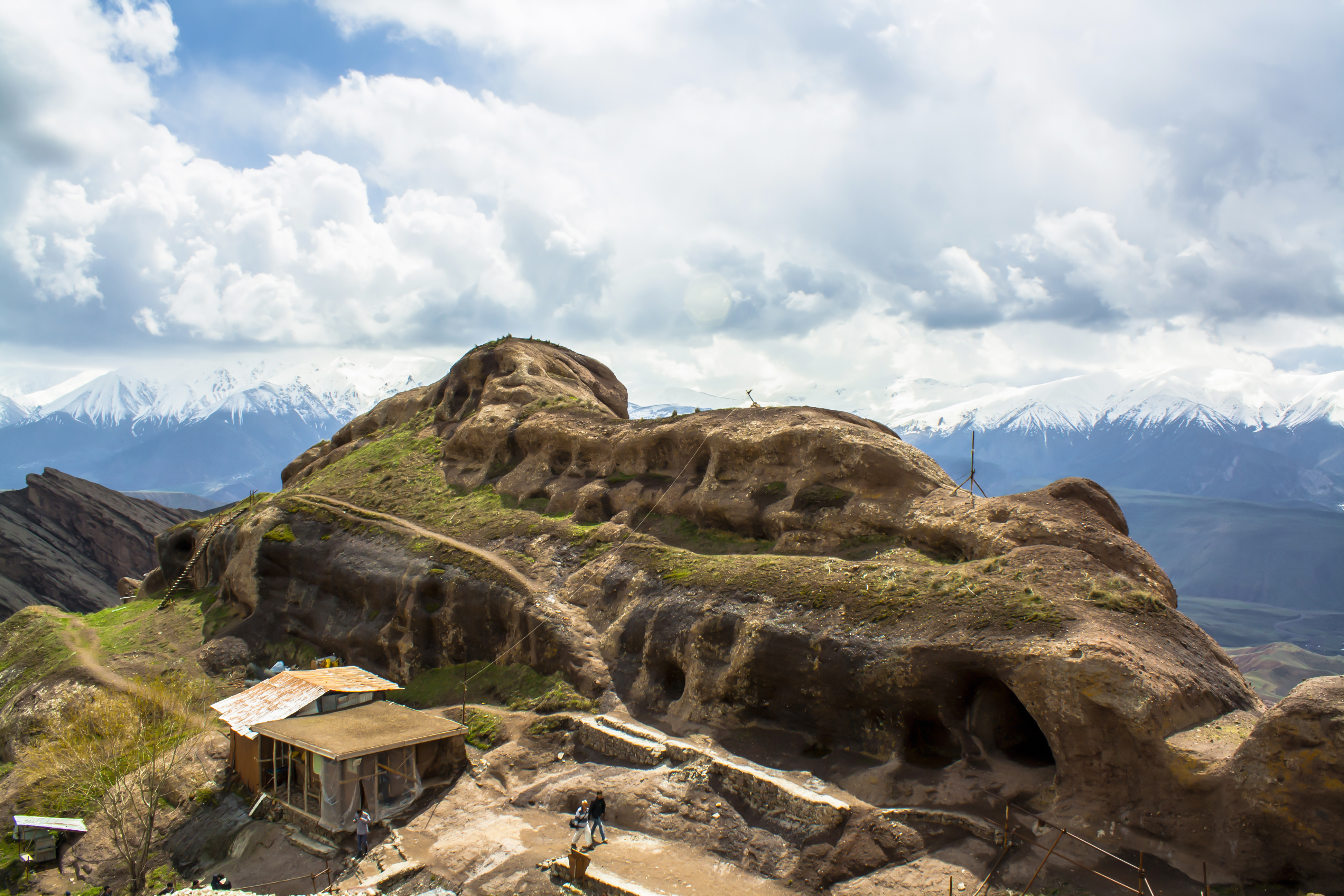
Mount Khajeh
Flat-topped basalt hill with ancient ruins
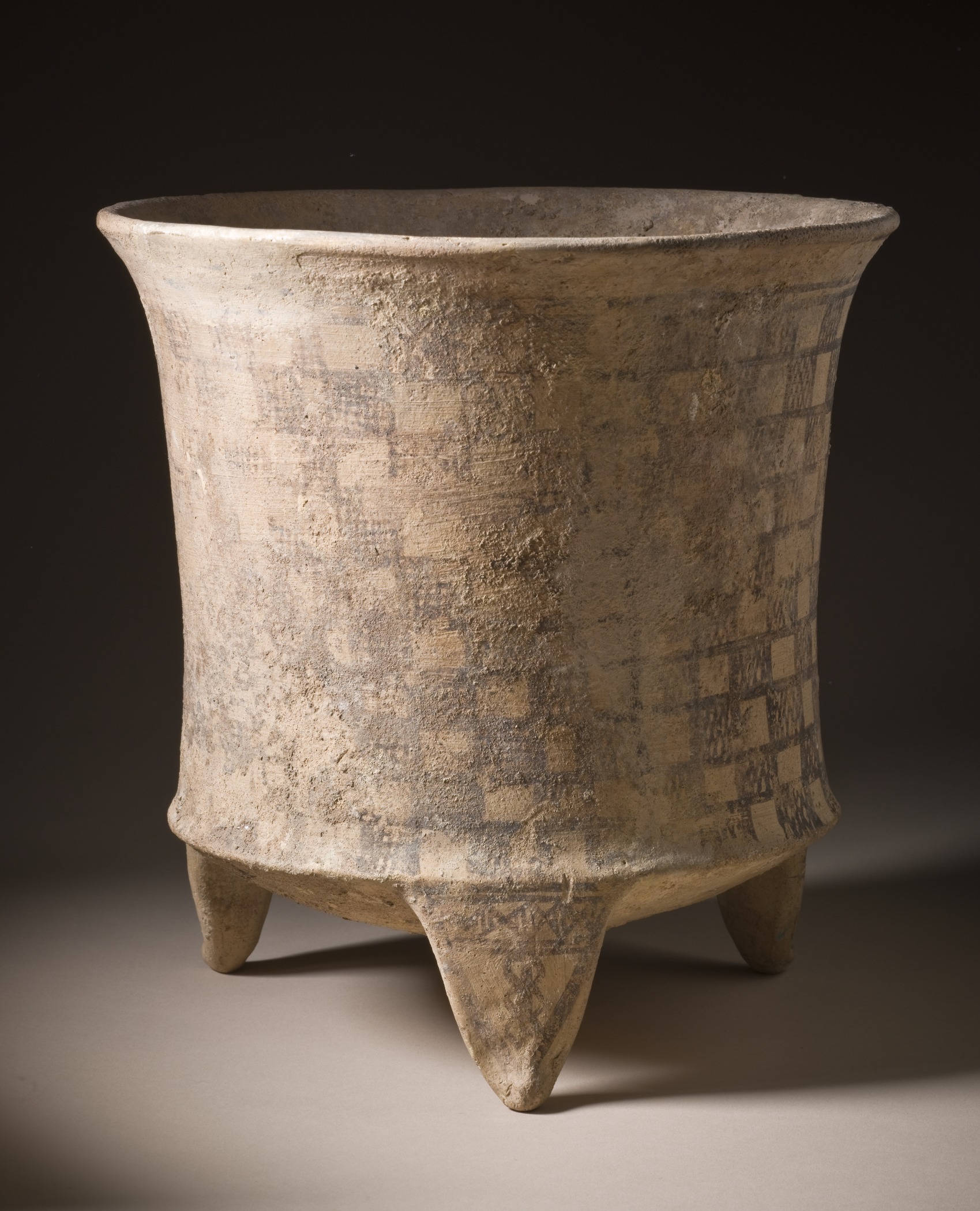
Tepe Giyan
Necropolis with distinctive pottery in Iran.
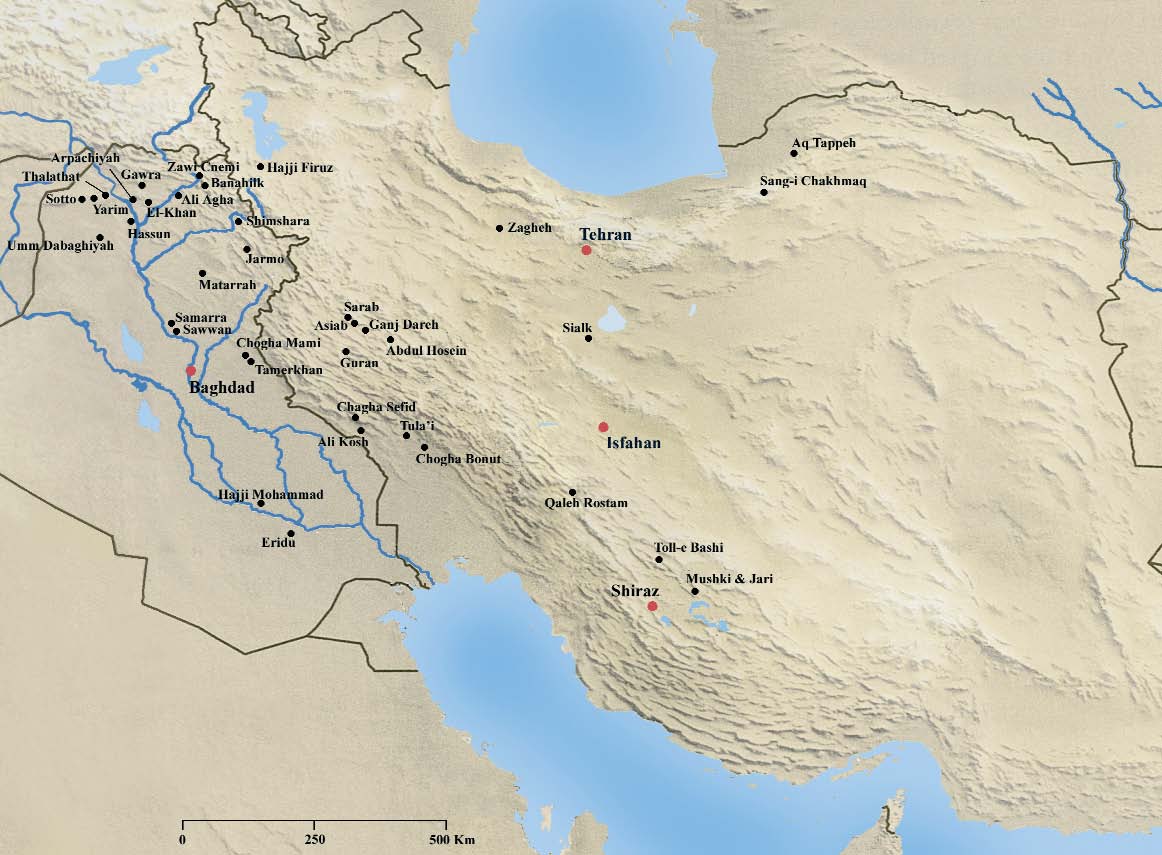
Chia Jani
Neolithic site with obsidian bladelets.
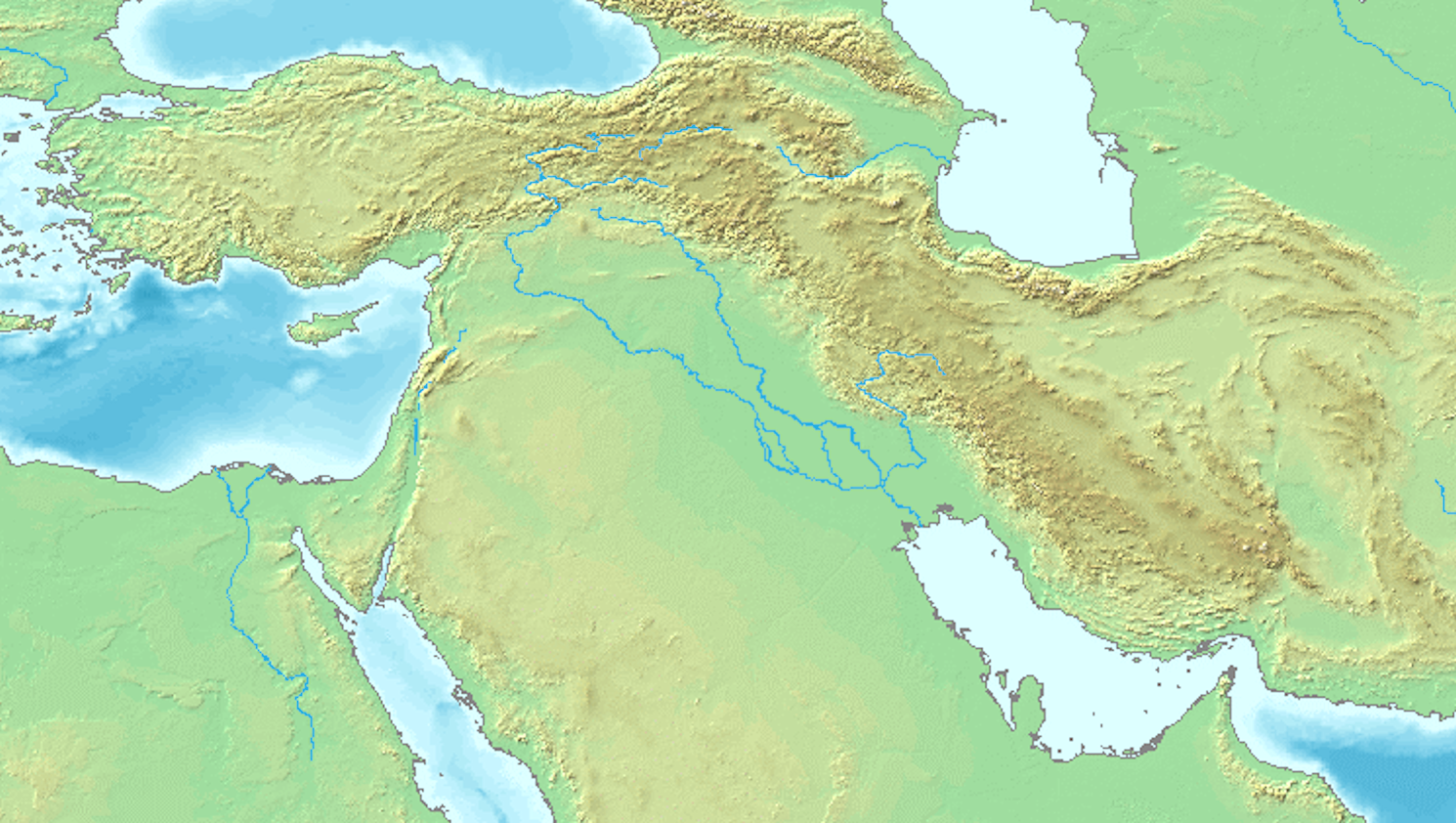
Teppe Zagheh
Early urban settlement with painted buildings.