Explore the Map
Shadiyakh
36.1694° N, 58.8042° E
About
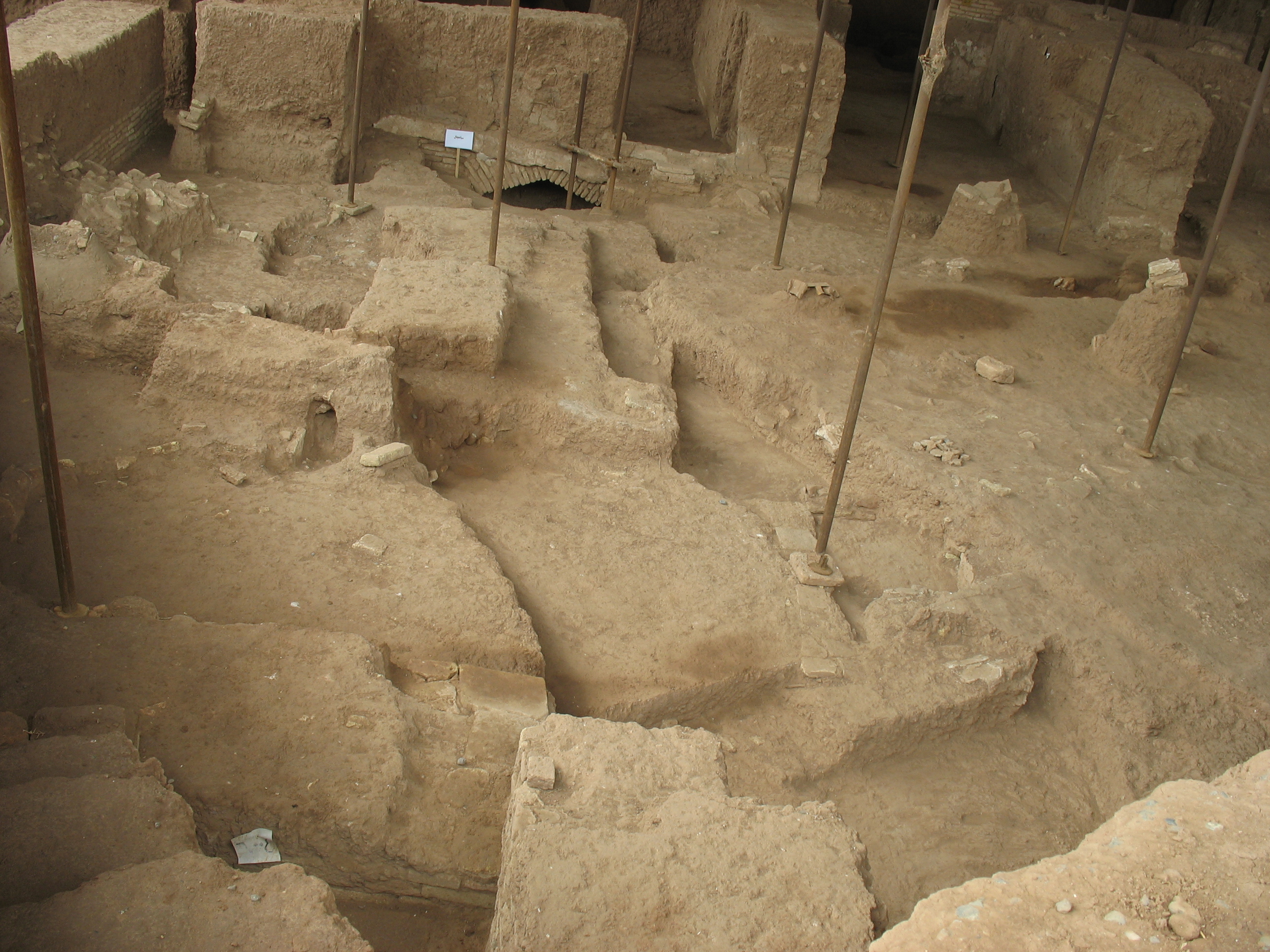
Shadiyakh, also known as the Palace of Happiness, was a prominent palace and neighborhood in the city of Nishapur during the Middle Ages. Established in the 9th century CE by Abdullah ibn Tahir al-Khurasani, the site became an important cultural and political center. It housed notable figures such as Attar of Nishapur, whose tomb remains a significant feature of the area. The palace complex, containing domestic structures, was possibly destroyed in the 13th century CE. Today, Shadiyakh is an archaeological site recognized for its historical value and is part of Iran's national heritage. Excavations have uncovered remnants of the past, including buildings, skeletons, and various artifacts, offering insight into the site's historical significance.
Gallery
Explore photographs of ancient structures, artifacts, and archaeological excavations
Historical Timeline
Journey through time and discover key events in this site's history
Establishment by Abdullah ibn Tahir
800 CE
Destruction of Shadiyakh
1200 CE
Archaeological Features
Unique architectural and cultural elements found at this historical site
Burial and Funerary Structures
Domestic and Habitation Structures
Frequently Asked Questions
Plan Your Visit
Tours, travel arrangements, and practical information
More Sites in Iran
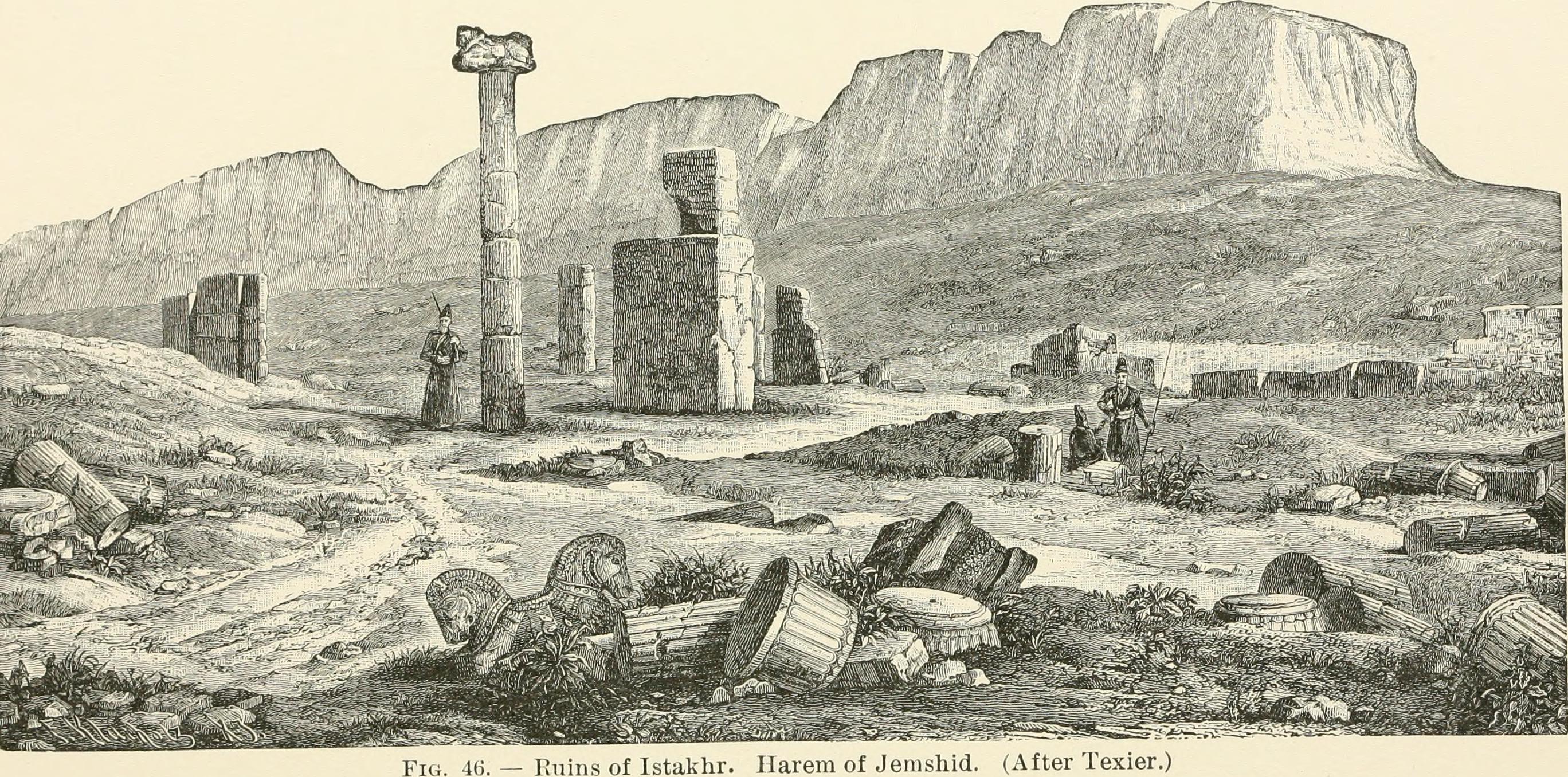
Istakhr
Ancient city with religious and defensive structures.
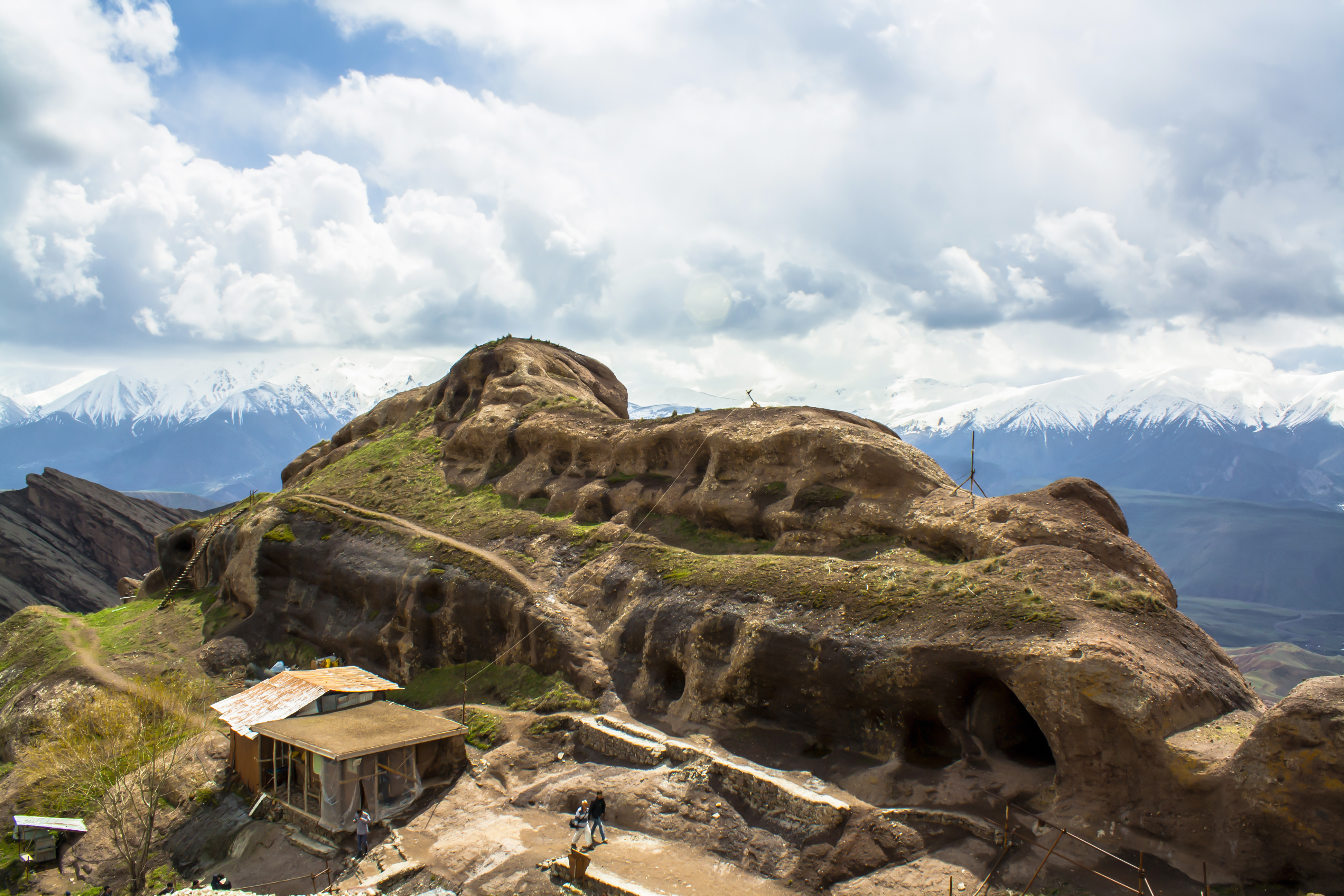
Mount Khajeh
Flat-topped basalt hill with ancient ruins
Tappeh Berdankan
Sasanian site with diverse pottery artifacts.
Chogha Bonut
Oldest lowland village in southwestern Iran.
Chogha Golan
Aceramic Neolithic site with cultural deposits
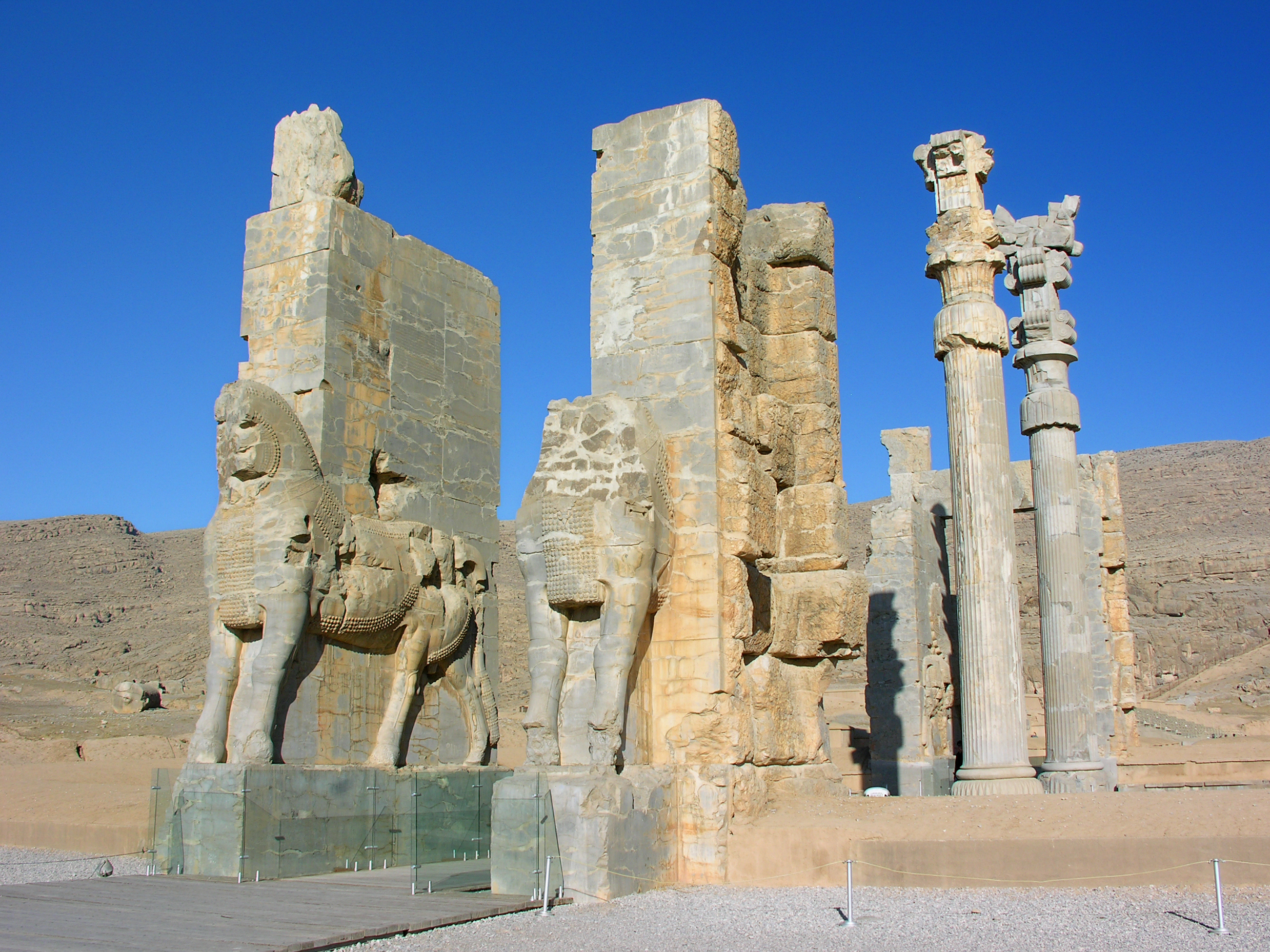
Rahmatabad Mound
Ancient Chalcolithic settlement with industrial features