Explore the Map
Tappa Gawri
34.3267° N, 47.0661° E
About
Tappa Gawri is an archaeologically significant site located in Kermanshah, Iran. Comprising two large mounds, the site reveals a rich occupational history spanning several crucial periods, including the Chalcolithic, Bronze Age, Iron Age, Parthian, and Sassanian periods. The presence of distinct layers of artifacts from each era underscores the site's long-term habitation and its role as a center of cultural and historical development. Initial excavations in 1975 revealed a wealth of surface materials that provide insights into the evolving human activities and architectural practices over millennia. Tappa Gawri's strategic position and its proximity to other mound sites in the region highlight its significance in understanding the broader archaeological landscape of the Kermanshah and Mahidasht valleys.
Historical Timeline
Journey through time and discover key events in this site's history
Chalcolithic Settlement
3500 BCE
Bronze Age Habitation
3300 BCE
Iron Age Development
1200 BCE
Parthian Presence
250 BCE
Sassanian Expansion
250 CE
Archaeological Features
Unique architectural and cultural elements found at this historical site
Environmental and Natural Features
Frequently Asked Questions
Plan Your Visit
Tours, travel arrangements, and practical information
More Sites in Iran
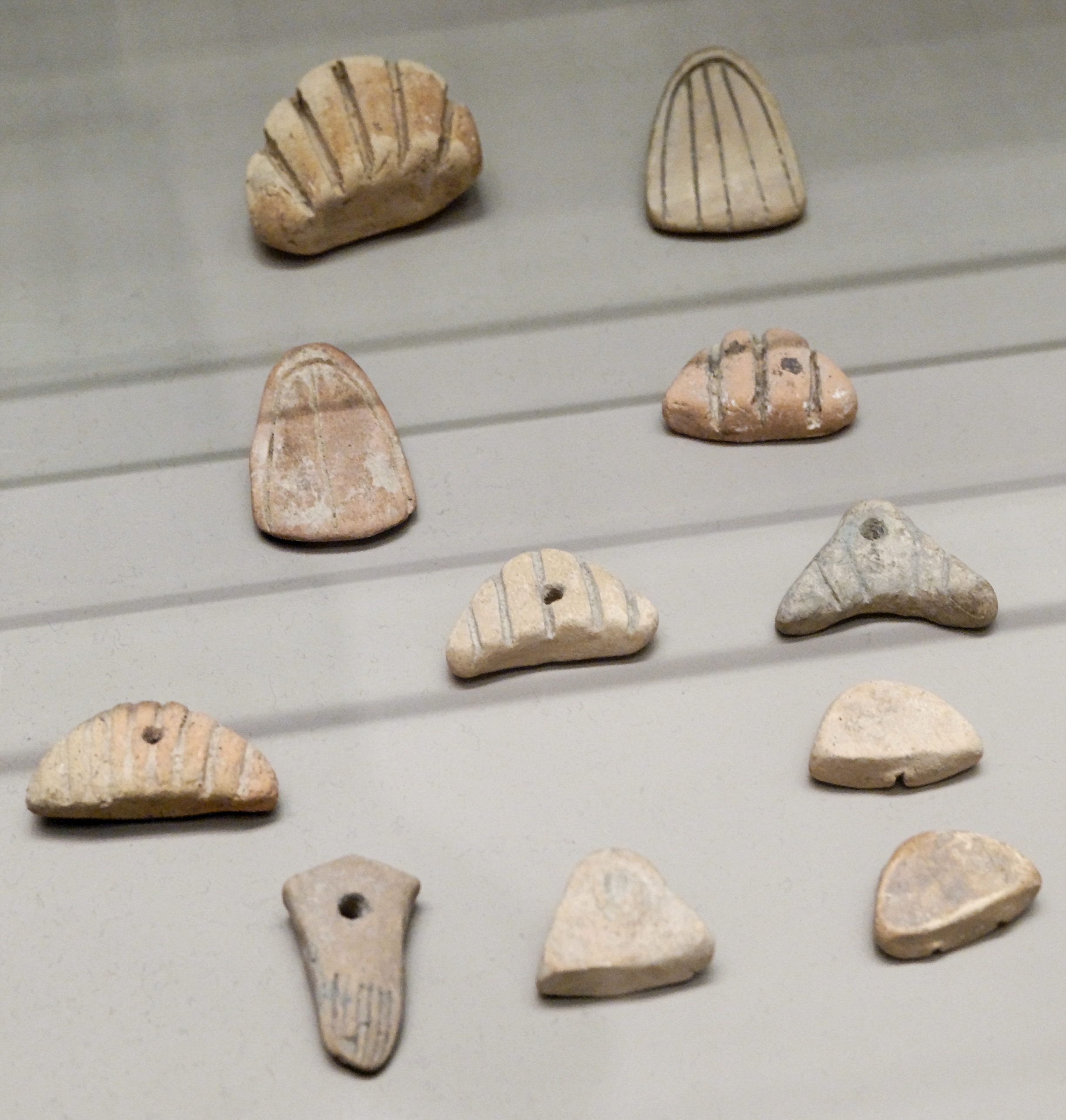
Tepe Sofalin
Ancient mound with Proto-Elamite artifacts
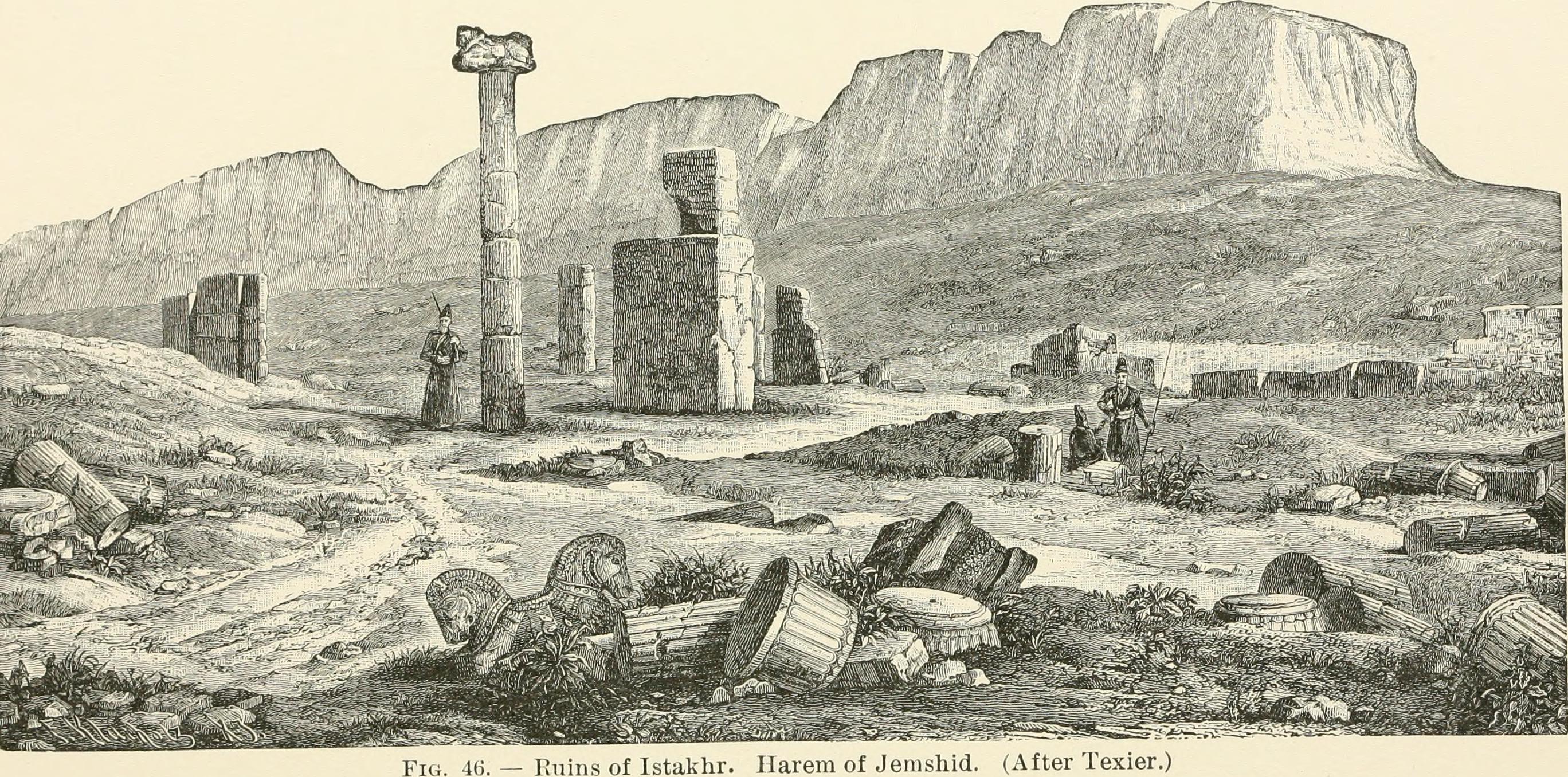
Istakhr
Ancient city with religious and defensive structures.
Tappeh Berdankan
Sasanian site with diverse pottery artifacts.
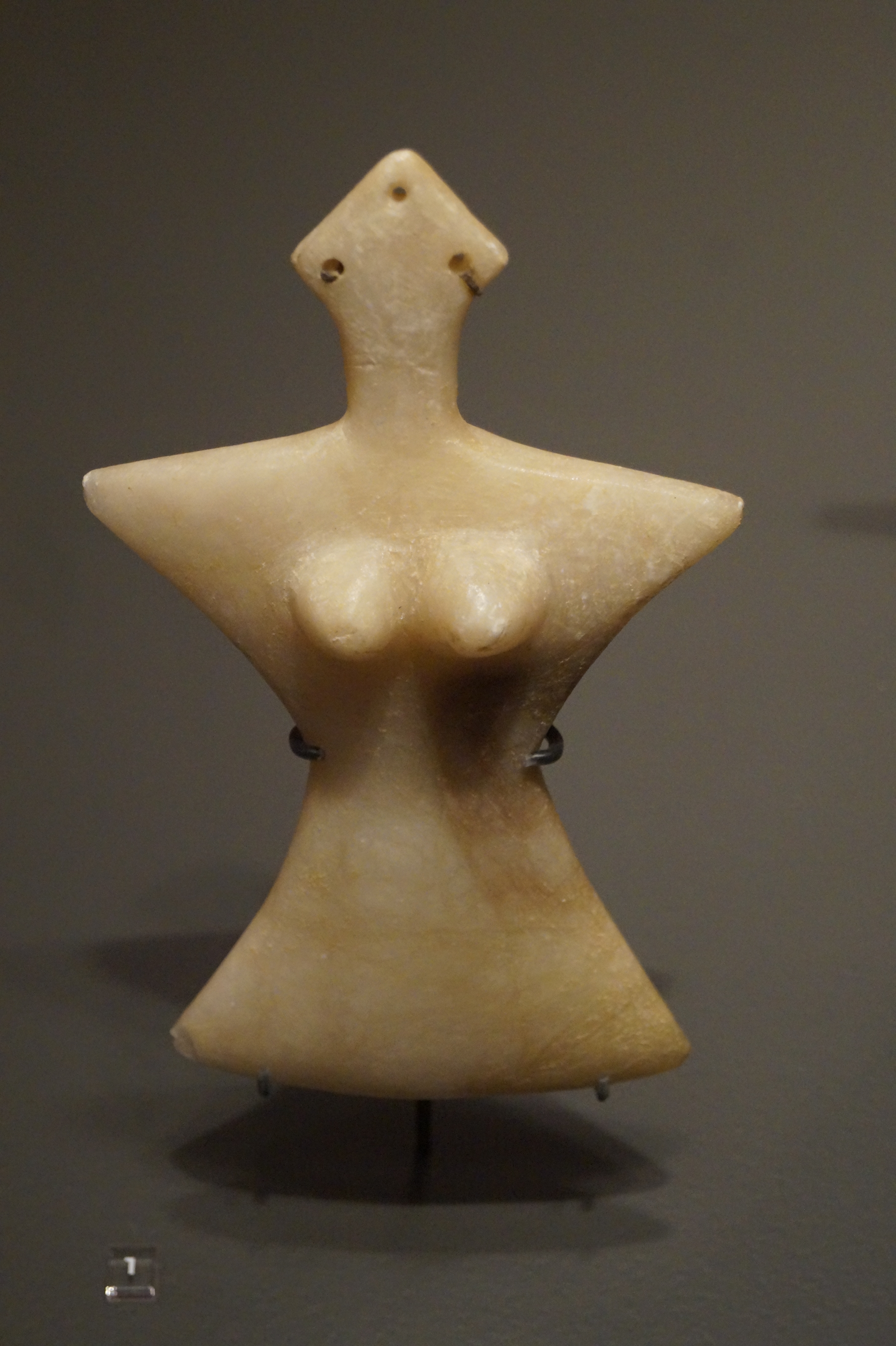
Tepe Hissar
Prehistoric site with rich cultural artifacts
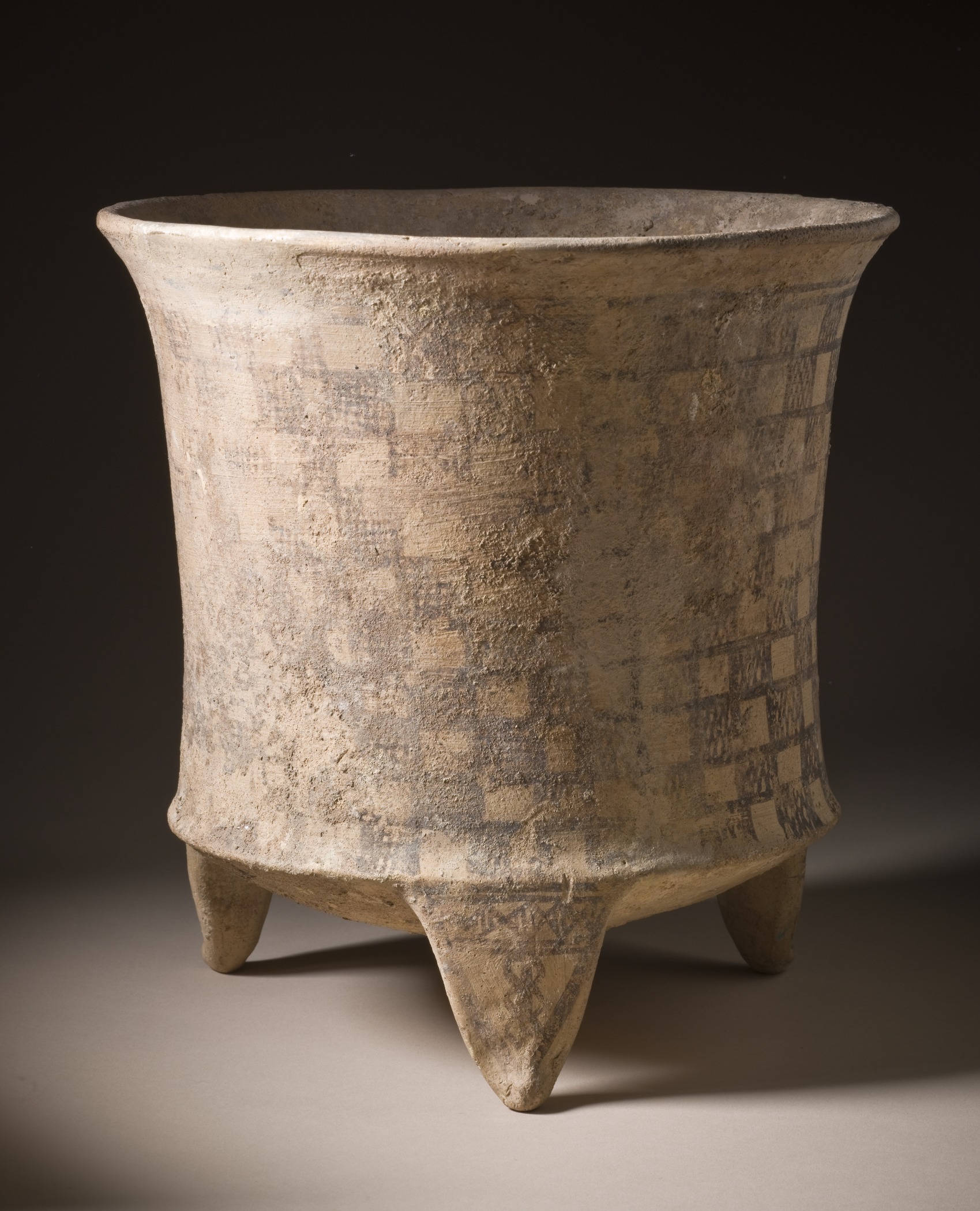
Tepe Giyan
Necropolis with distinctive pottery in Iran.
Rahmatabad Mound
Ancient Chalcolithic settlement with industrial features