
Explore the Map
Borsippa
32.3920° N, 44.3417° E
About
Borsippa is an ancient site located in the Babylon Governorate of Iraq. As a prominent sister-city of Babylon, it was renowned for its ziggurat and the Ezida temple dedicated to Nabu, the son of Marduk. The city was a significant religious center, with its origins dating back to the late 3rd millennium BCE. Over the centuries, Borsippa witnessed various political and religious transformations, including the absorption of its tutelary god Tutu by Marduk and the dedication of its temples to Babylonian deities. The site's archaeological significance is highlighted by the well-preserved ziggurat and numerous cuneiform tablets, offering insights into the historical and cultural developments of the region. Borsippa played a critical role in the religious landscape of ancient Mesopotamia, contributing to our understanding of the era's urban and religious dynamics.
Gallery
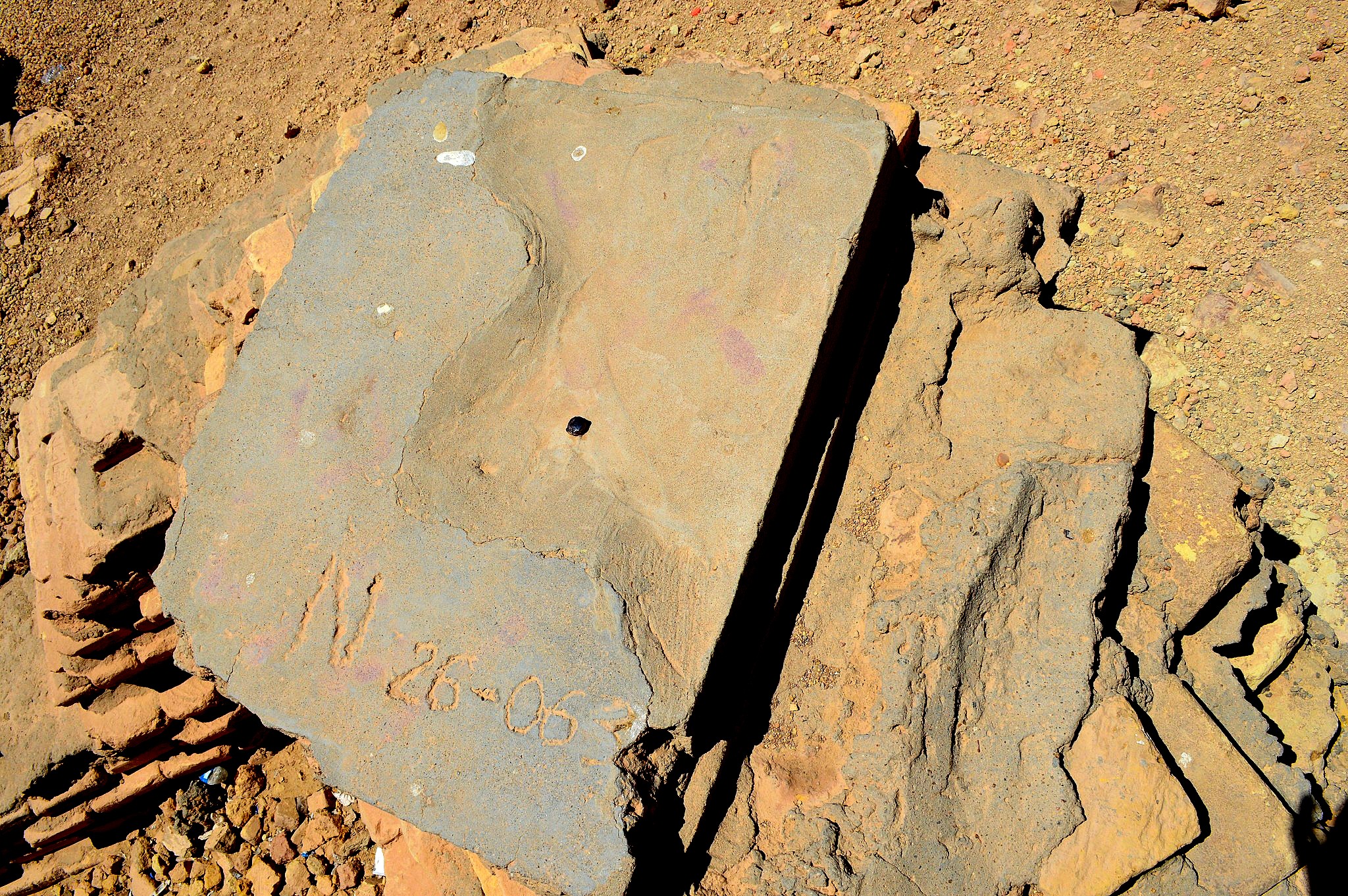
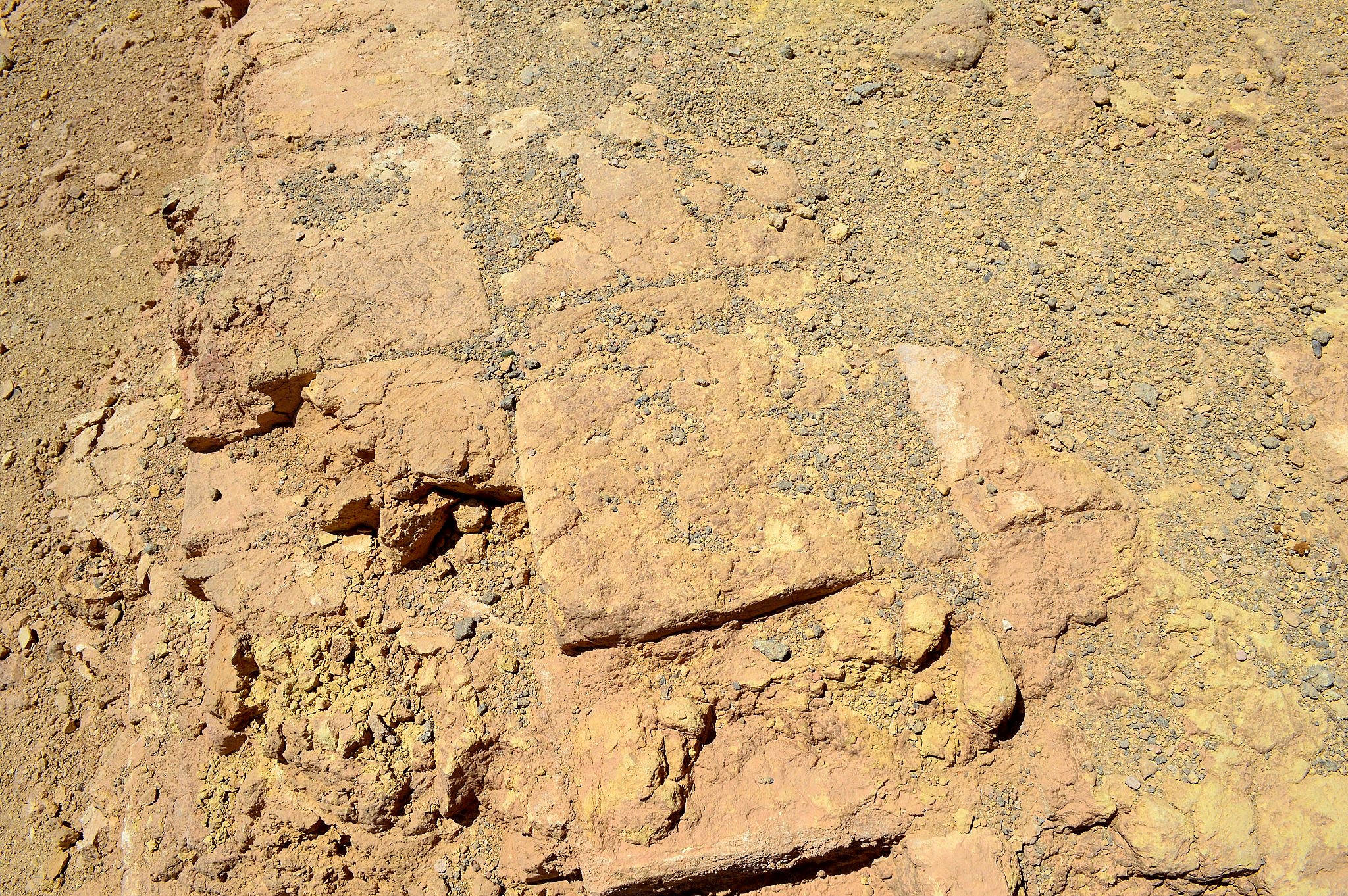
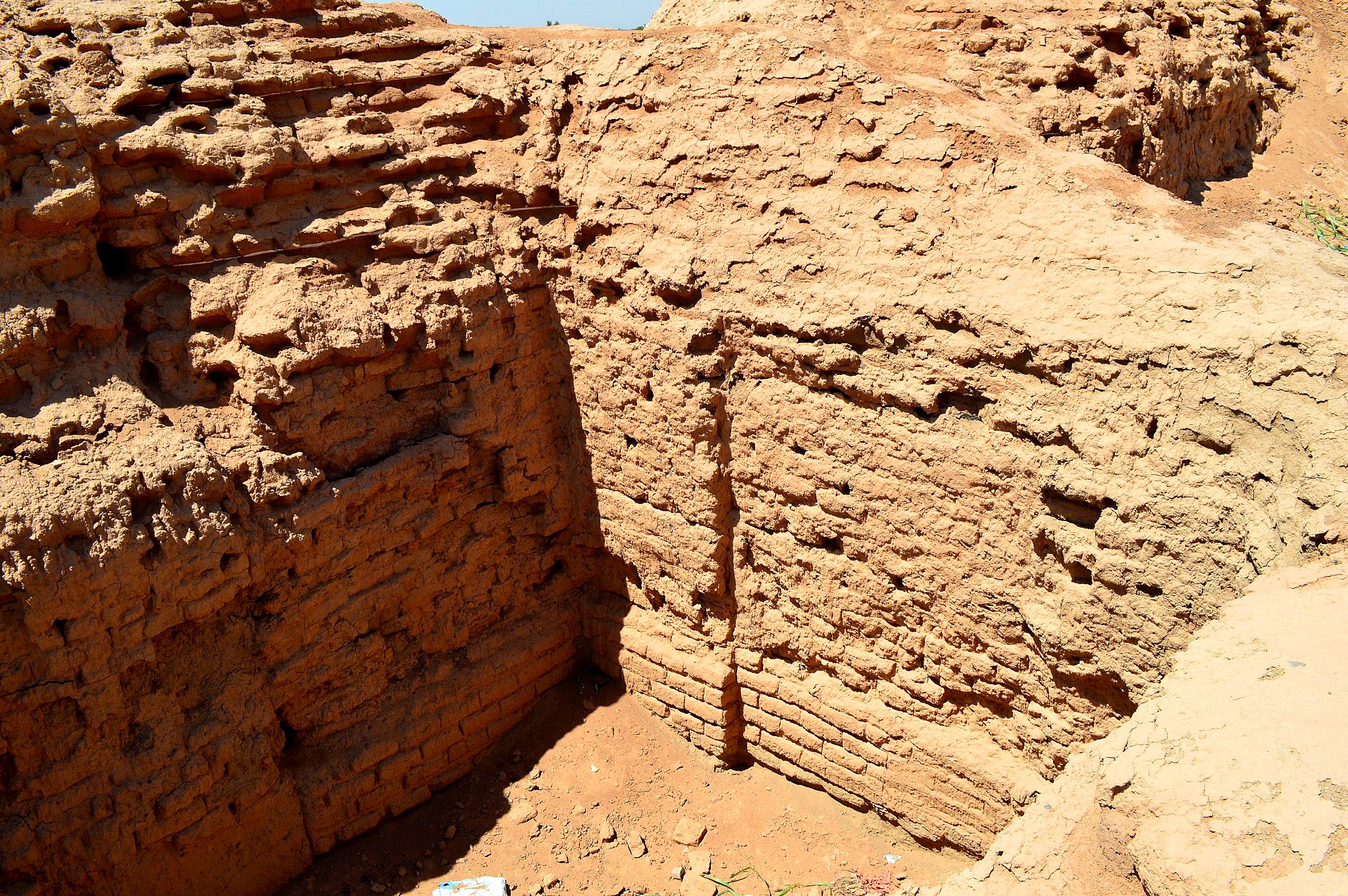
Explore photographs of ancient structures, artifacts, and archaeological excavations
Historical Timeline
Journey through time and discover key events in this site's history
Revolt against Naram-Sin
23rd century BCE
Governorship of Puzur-Tutu
2028 BCE - 2004 BCE
Sumu-la-El enters Borsippa
1880 BCE - 1845 BCE
Apil-Sin builds city wall
1830 BCE - 1813 BCE
Ezida dedicated to Marduk
1792 BCE - 1750 BCE
Marduk-apla-iddina I rebuilds E-Zida
1171 BCE - 1159 BCE
Destruction of Nabu temple
484 BCE
Archaeological Features
Unique architectural and cultural elements found at this historical site
Storage Structures
Religious and Ritual Structures
Domestic and Habitation Structures
Frequently Asked Questions
Plan Your Visit
Tours, travel arrangements, and practical information
More Sites in Iraq
Tell al-Lahm
Oblong mound with city wall remnants
Tell Taya
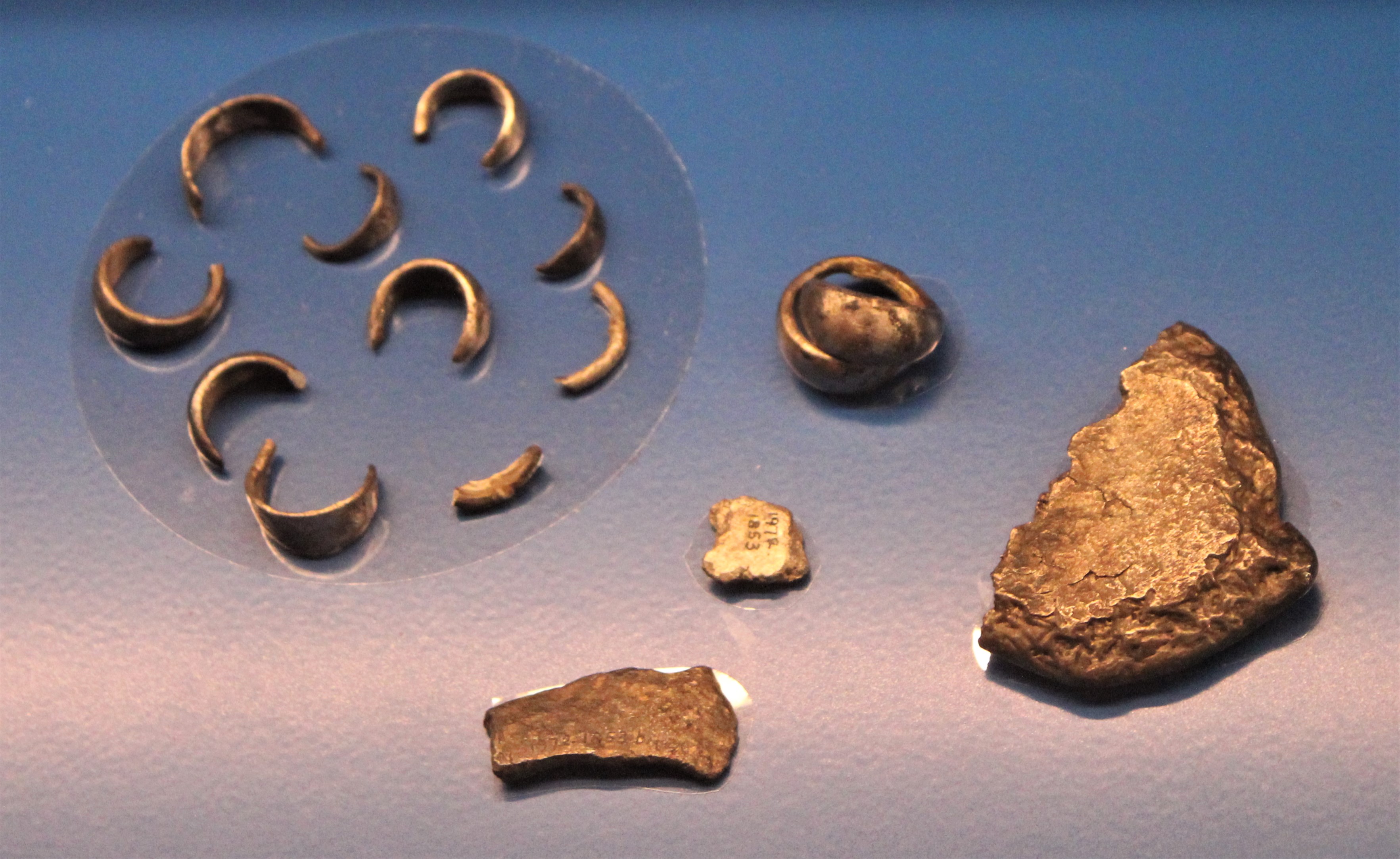
Ancient hill city with fortifications and artifacts.
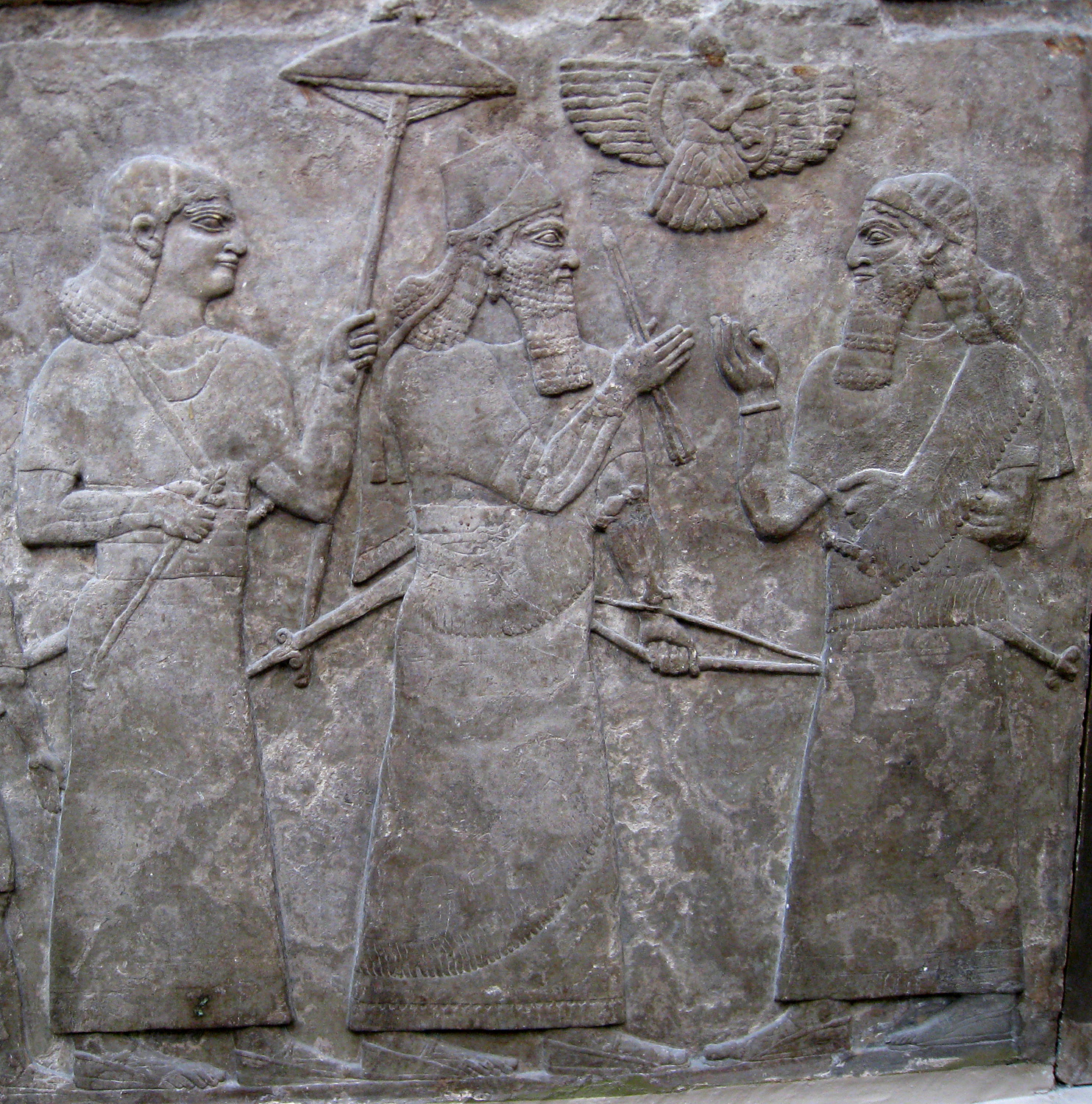
Assur
Ancient Assyrian city on the Tigris River
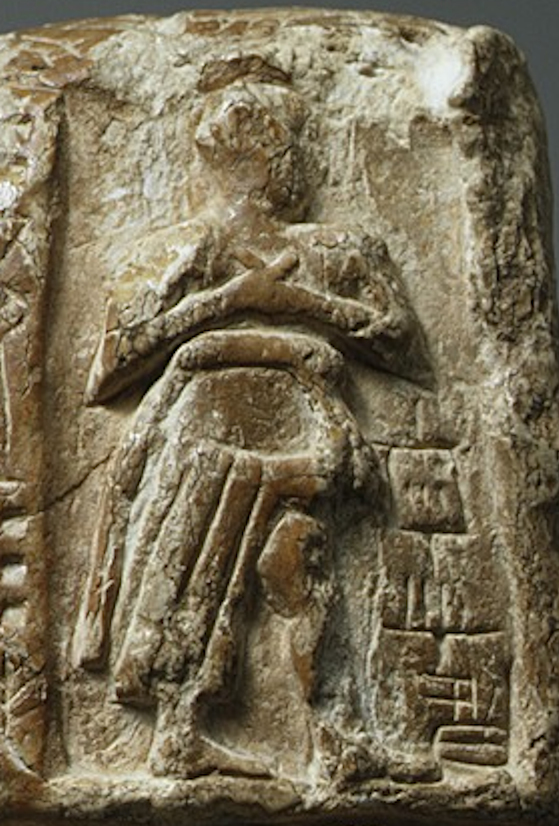
Larsa
Sumerian city-state and temple complex, Isin–Larsa period
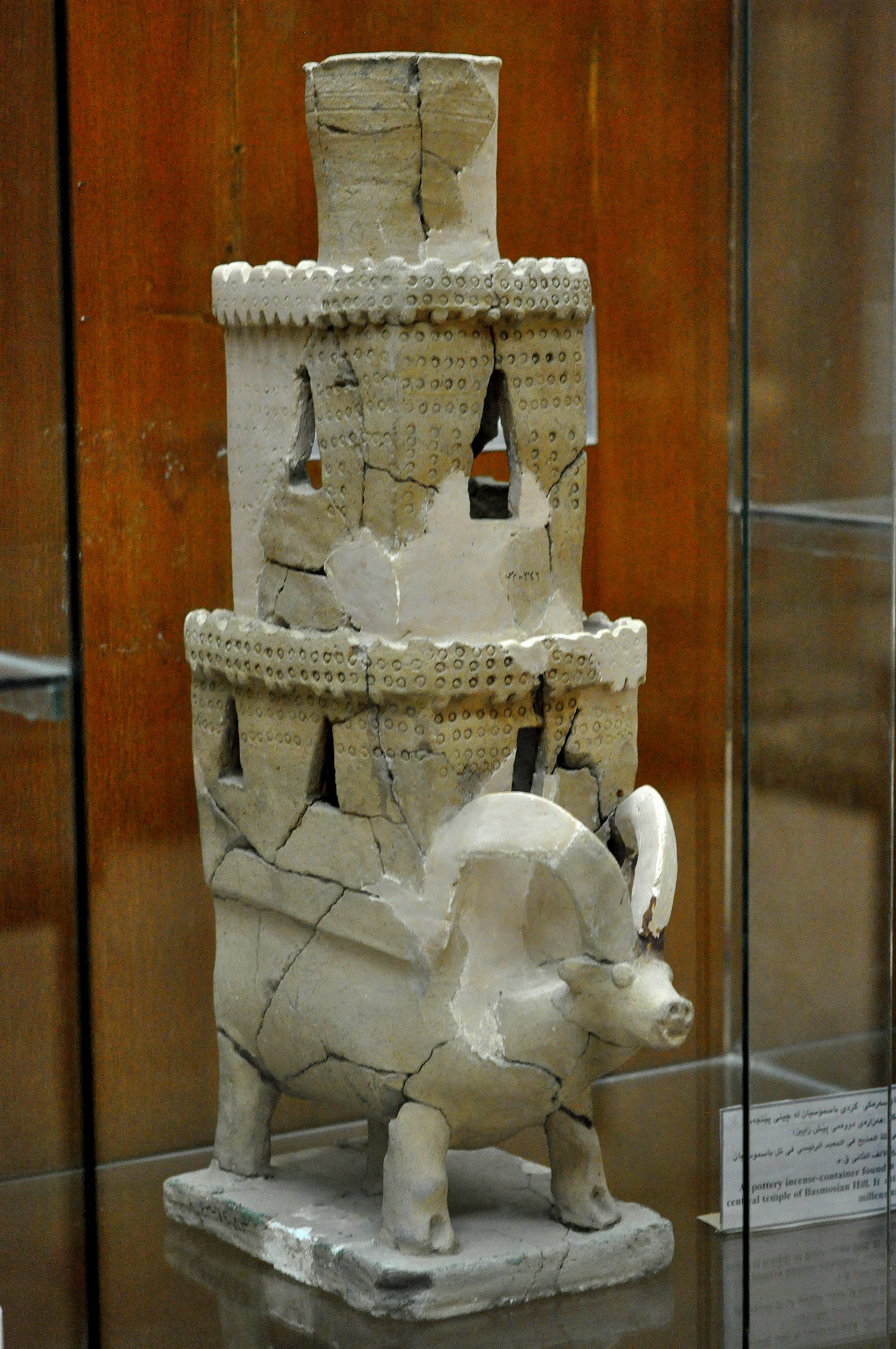
Tell Bazmusian
Large tell site with multi-period occupation.
Tell Muhammad
Ancient site with fortifications and tablets