Explore the Map
Choga Mami
33.8833° N, 45.4500° E
About
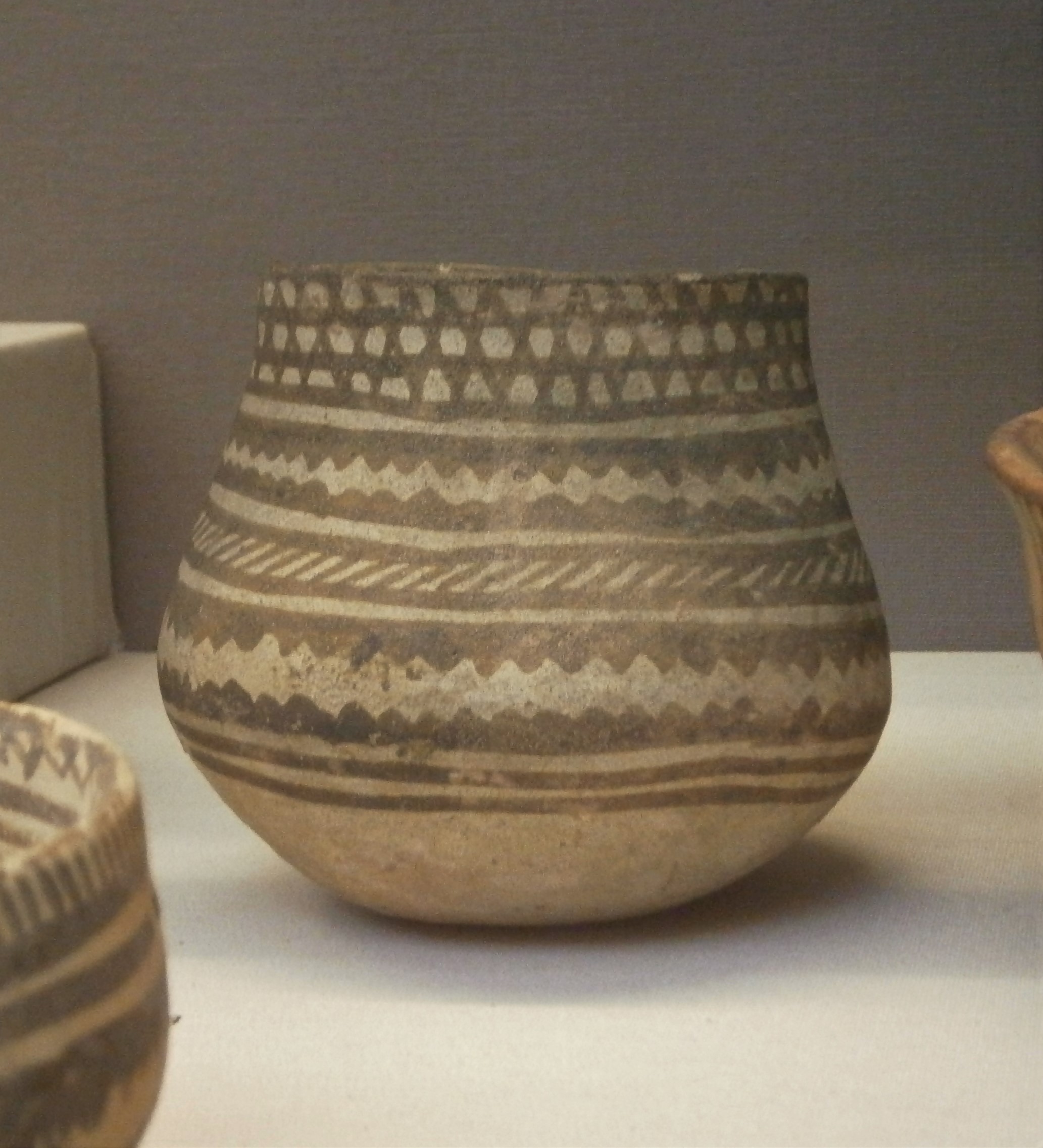
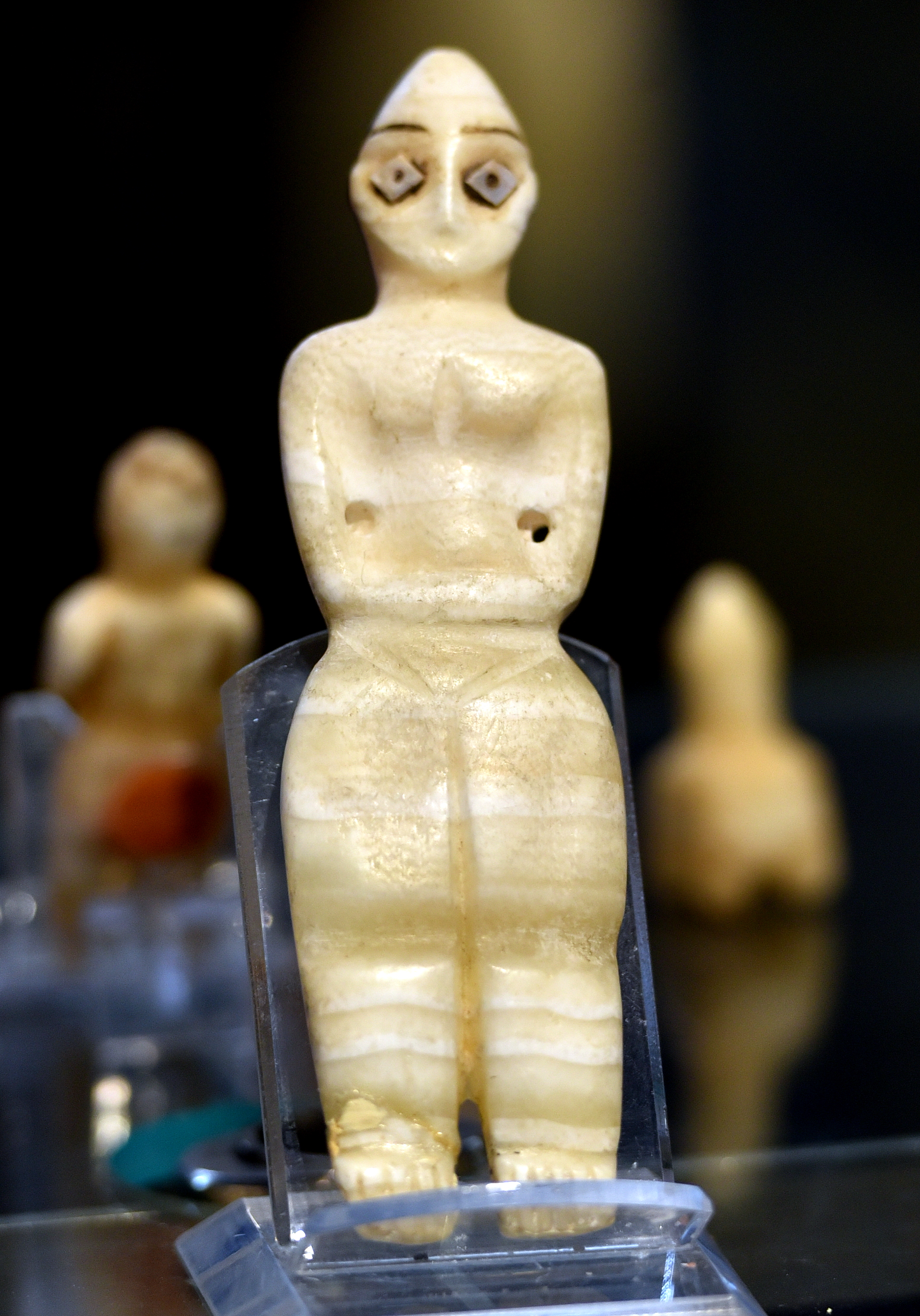
Choga Mami, located in Diyala province, Eastern Iraq, is an archaeologically significant site characterized by its early use of canal irrigation dating back to approximately 6000 BCE. This Samarran settlement features mud-brick architecture, including rectangular houses and a guard tower. The site offers insights into the chronological relationships between North and South Mesopotamian cultures and their connections with Iran, marked by innovations such as irrigation, new grain types, and domestic cattle. Artifacts include Samarran painted pottery and clay female figurines, reflecting the cultural practices of the time. Excavated by David and Joan Oates, Choga Mami reveals a complex settlement structure and agricultural practices facilitated by extensive irrigation channels.
Gallery
Explore photographs of ancient structures, artifacts, and archaeological excavations
Historical Timeline
Journey through time and discover key events in this site's history
Choga Mami Settlement
late 6th millennium BCE
First Canal Irrigation
6000 BCE
End of Samarran Period
4800 BCE
Archaeological Features
Unique architectural and cultural elements found at this historical site
Defensive Structures
Water Management Features
Burial and Funerary Structures
Artistic and Decorative Features
Domestic and Habitation Structures
Frequently Asked Questions
Plan Your Visit
Tours, travel arrangements, and practical information
More Sites in Iraq
Tell Rashid
Ubaid period settlement mound in Iraq
Tell al-Lahm
Oblong mound with city wall remnants
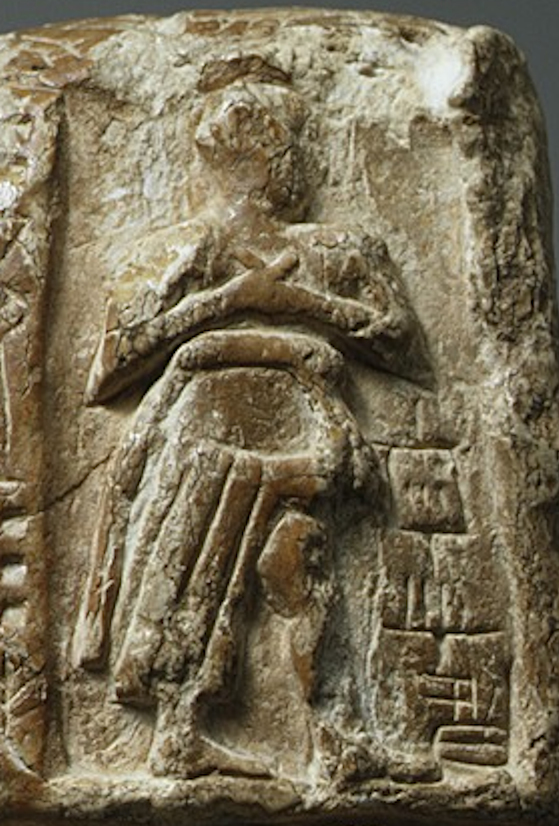
Larsa
Sumerian city-state and temple complex, Isin–Larsa period
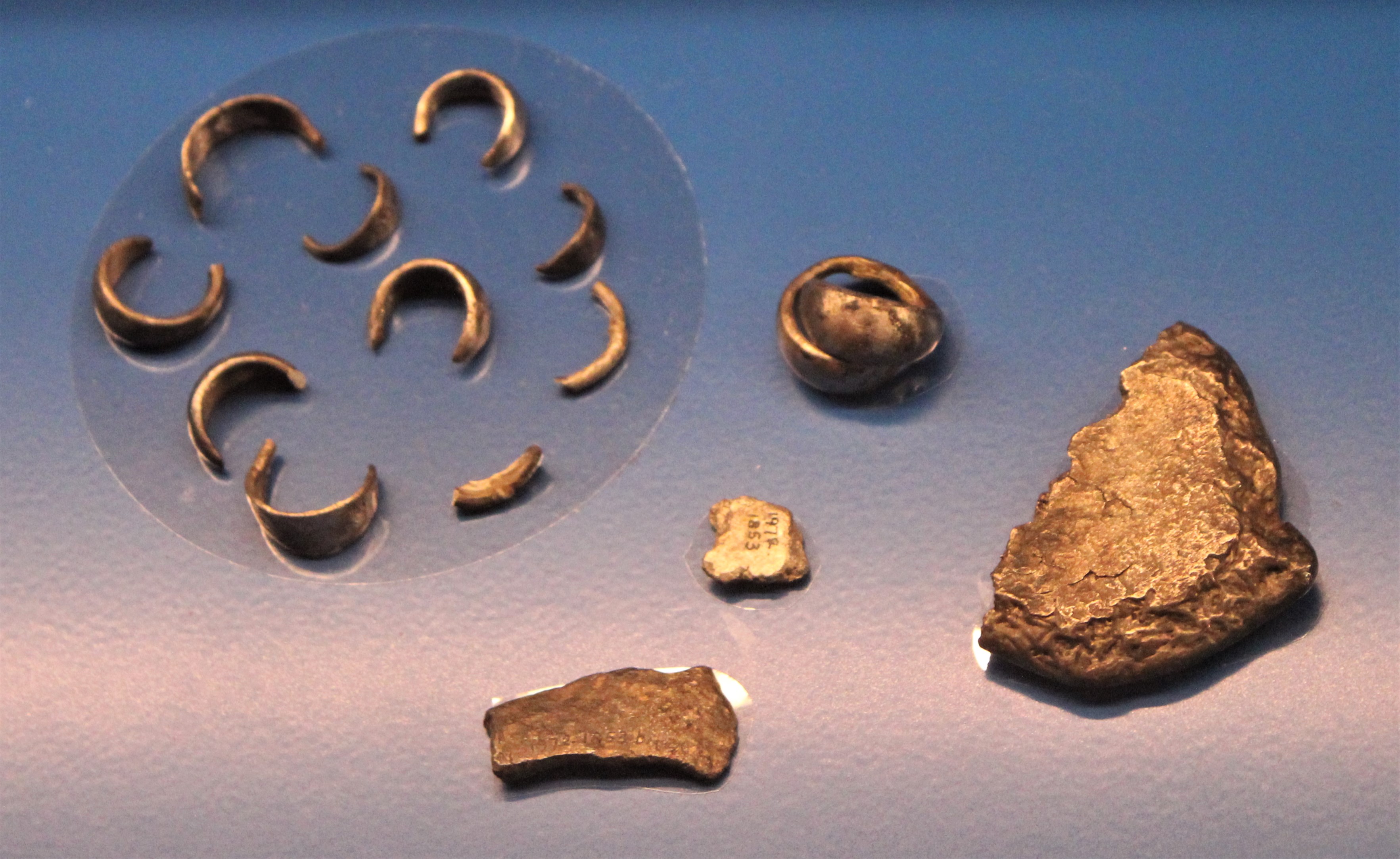
Tell Taya
Ancient hill city with fortifications and artifacts.
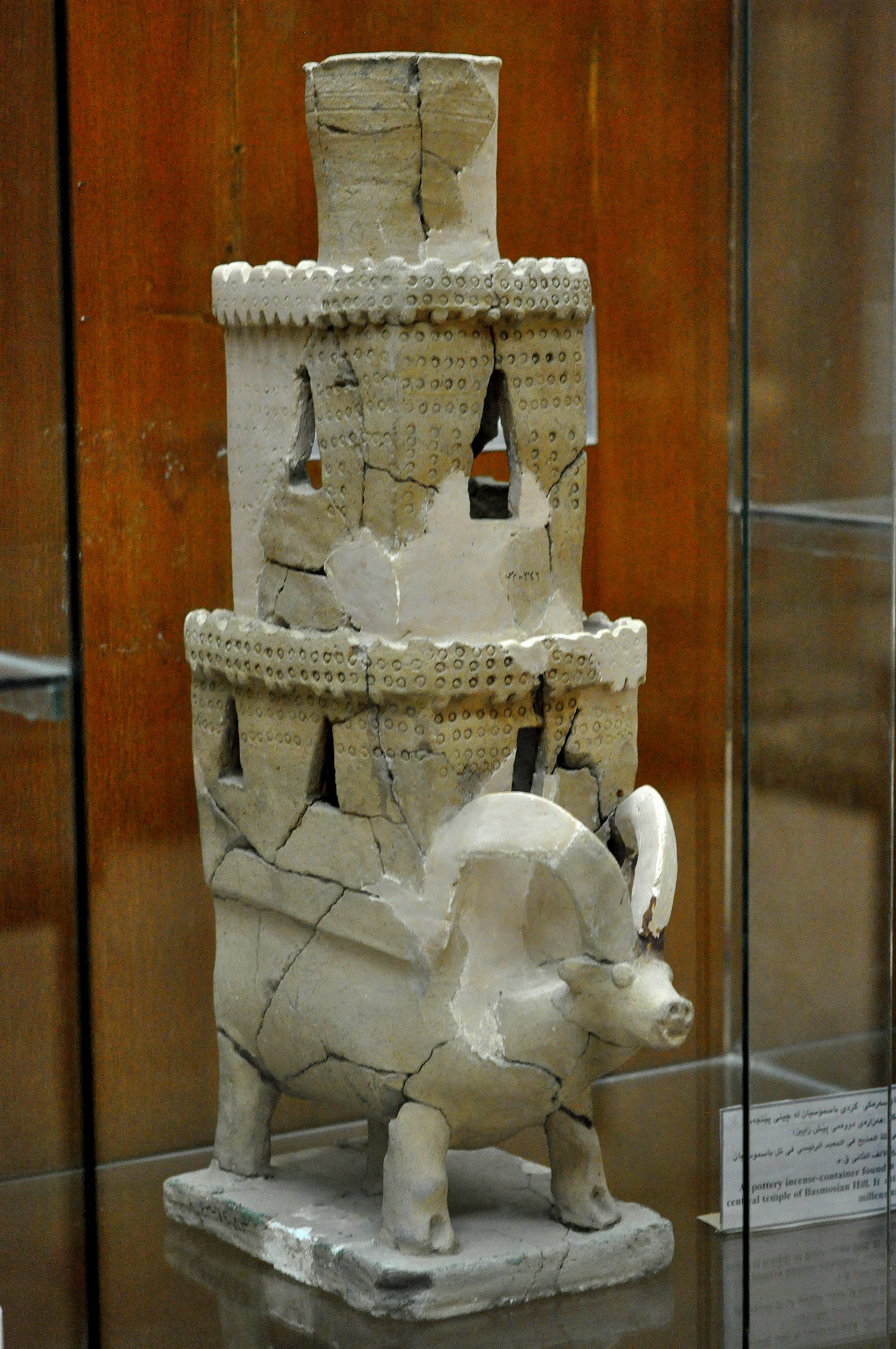
Tell Bazmusian
Large tell site with multi-period occupation.
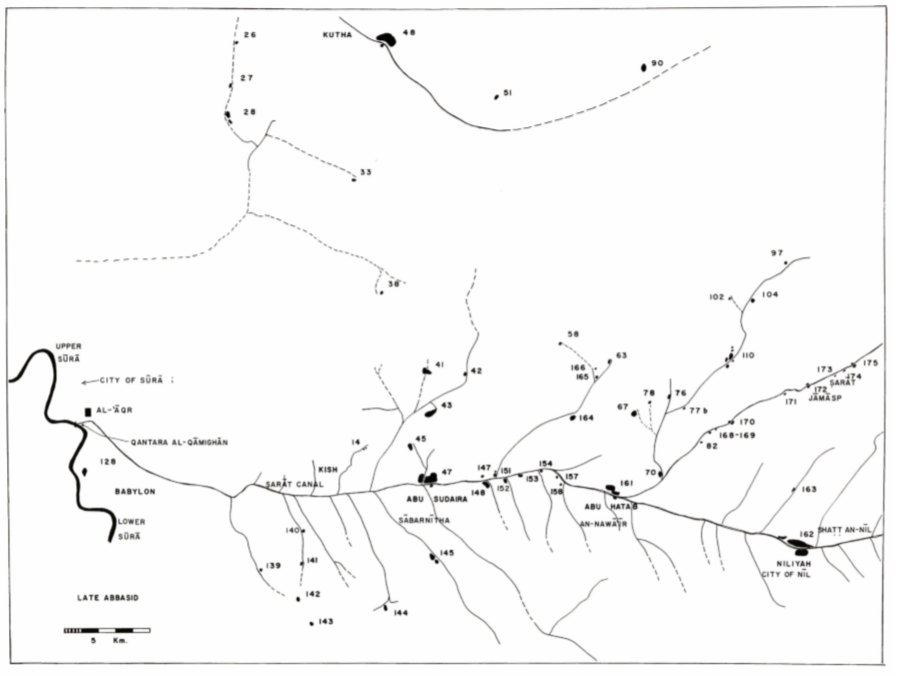
Nil (Iraq)
Medieval city with canal and bridge.