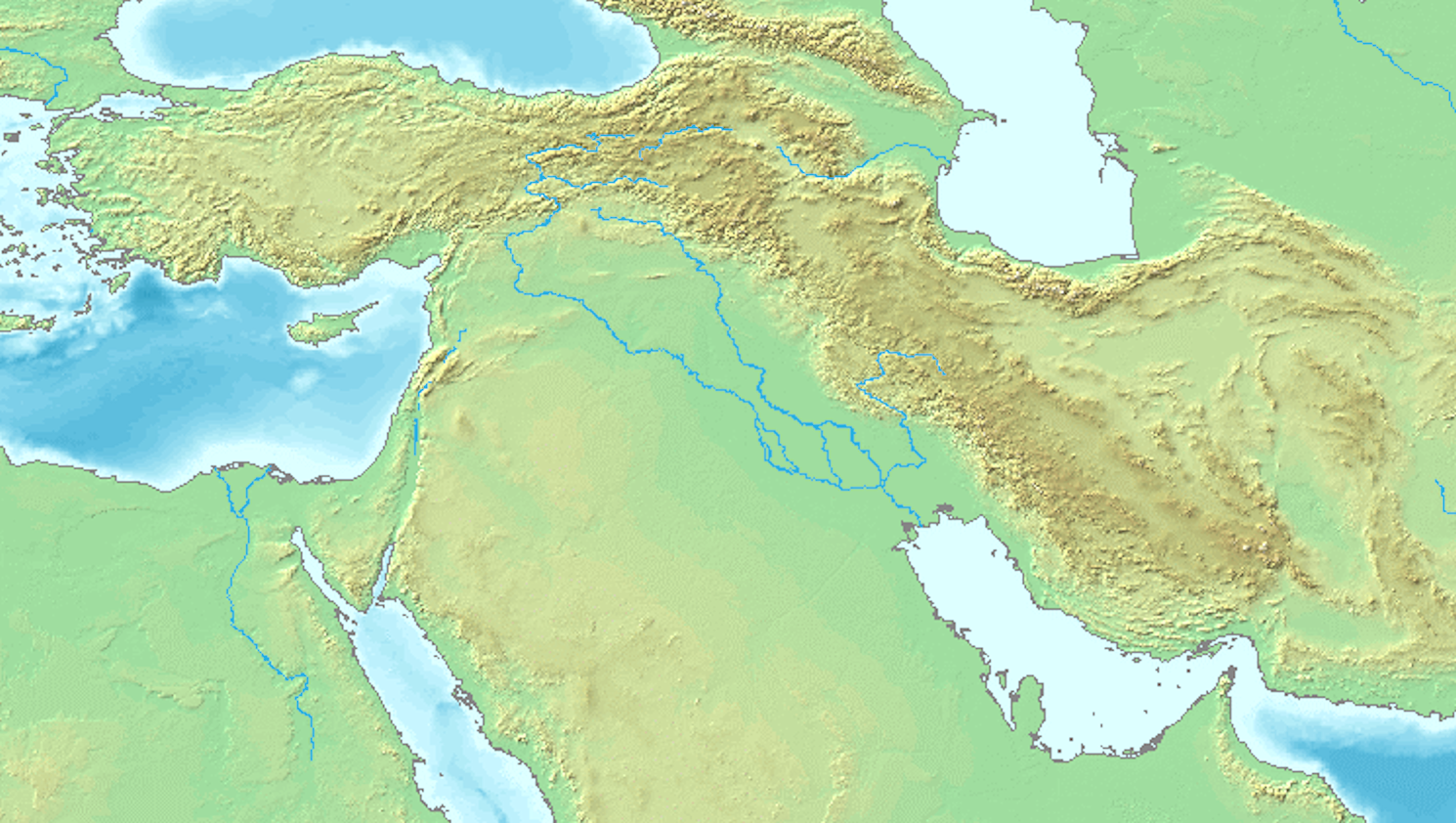
Explore the Map
Rabana-Merquly
35.7500° N, 45.2290° E
About
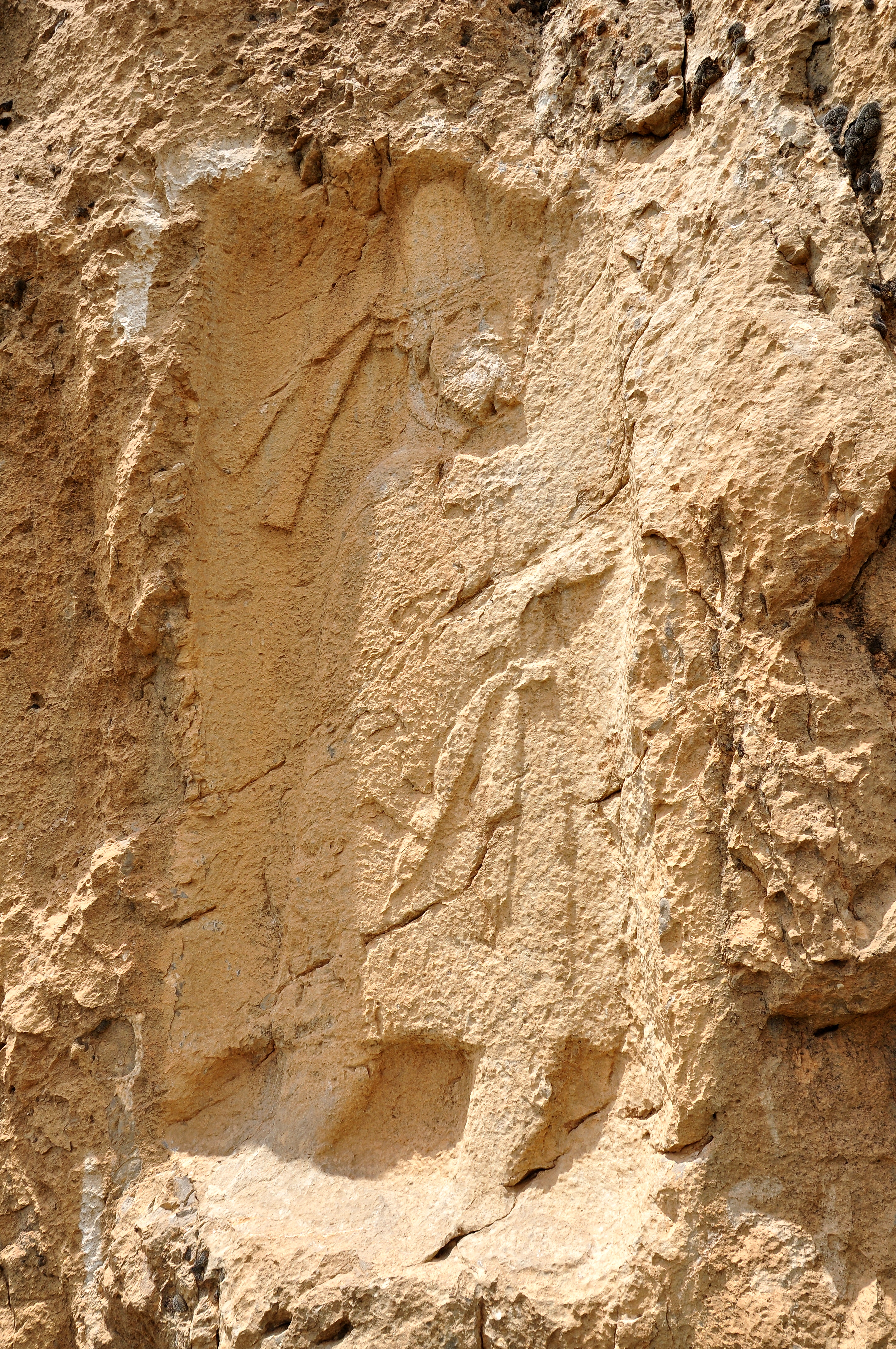
The Rabana-Merquly archaeological site in the Sulaymaniyah Governorate, Kurdistan Region, Iraq, is a remarkable cluster of historical significance dating back to the Middle Parthian period, around 50-150 CE. The site consists primarily of two separate fortified settlements, Rabana and Merquly, alongside at least two notable rock reliefs. These features suggest the site's role as a strategic defensive location and possibly a significant urban center during its time. The settlements' fortifications point to their importance in regional defense and governance. The rock reliefs, believed to depict a king of Adiabene, further enhance the site's historical value, potentially indicating its identification with the ancient city of Natounia, known from coinage but not previously located. This site contributes significantly to understanding the Parthian Empire's urban and defensive strategies, especially in the context of the wider Mesopotamian region.
Gallery
Explore photographs of ancient structures, artifacts, and archaeological excavations
Historical Timeline
Journey through time and discover key events in this site's history
Construction and use of settlements
c. 50-150 CE
Archaeological Features
Unique architectural and cultural elements found at this historical site
Defensive Structures
Artistic and Decorative Features
Domestic and Habitation Structures
Frequently Asked Questions
Plan Your Visit
Tours, travel arrangements, and practical information
More Sites in Iraq
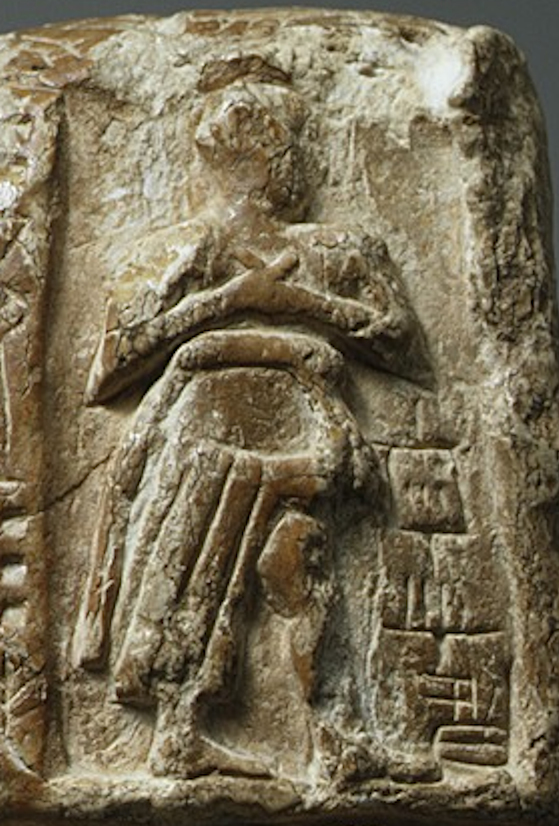
Larsa
Sumerian city-state and temple complex, Isin–Larsa period
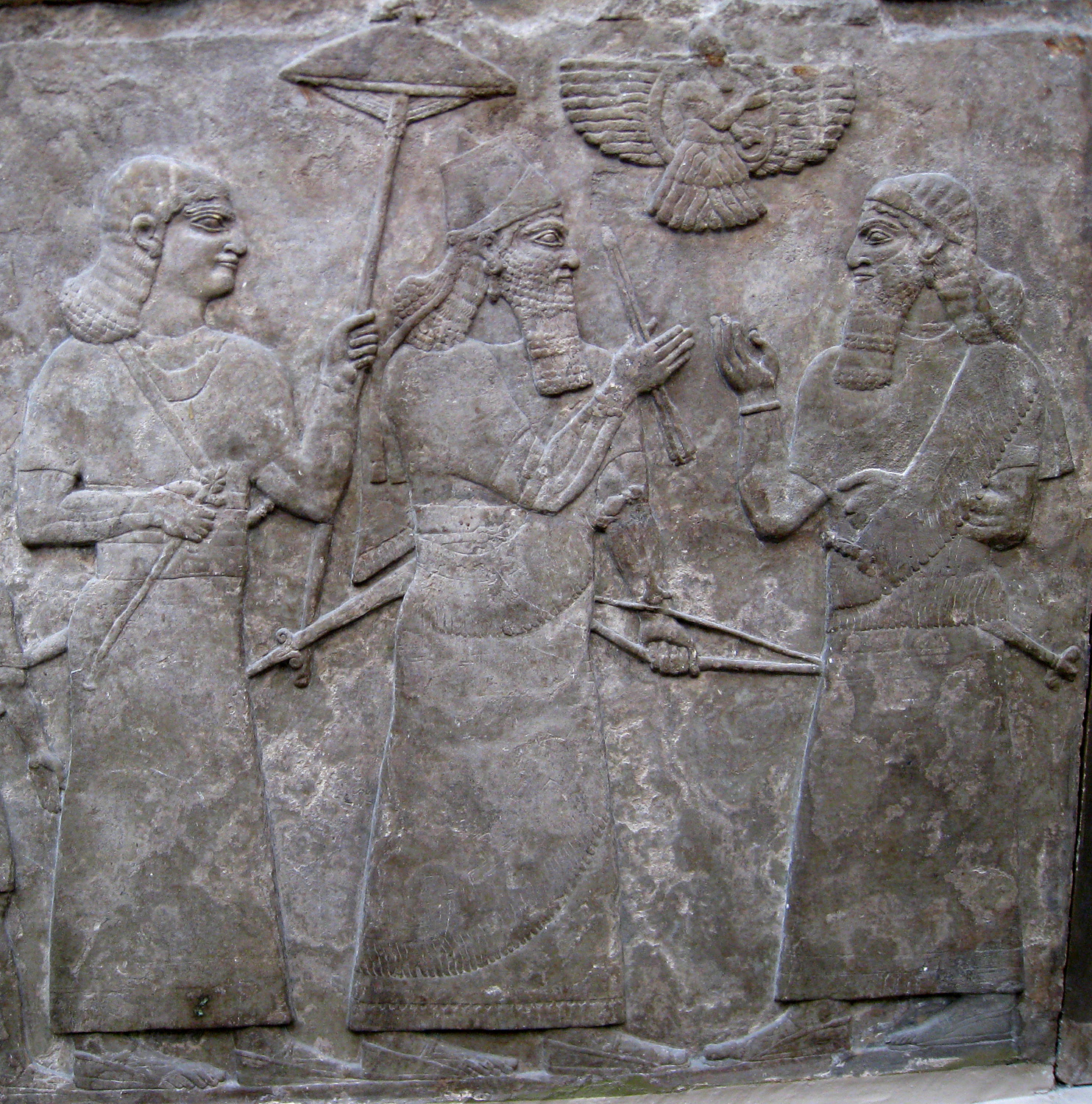
Assur
Ancient Assyrian city on the Tigris River
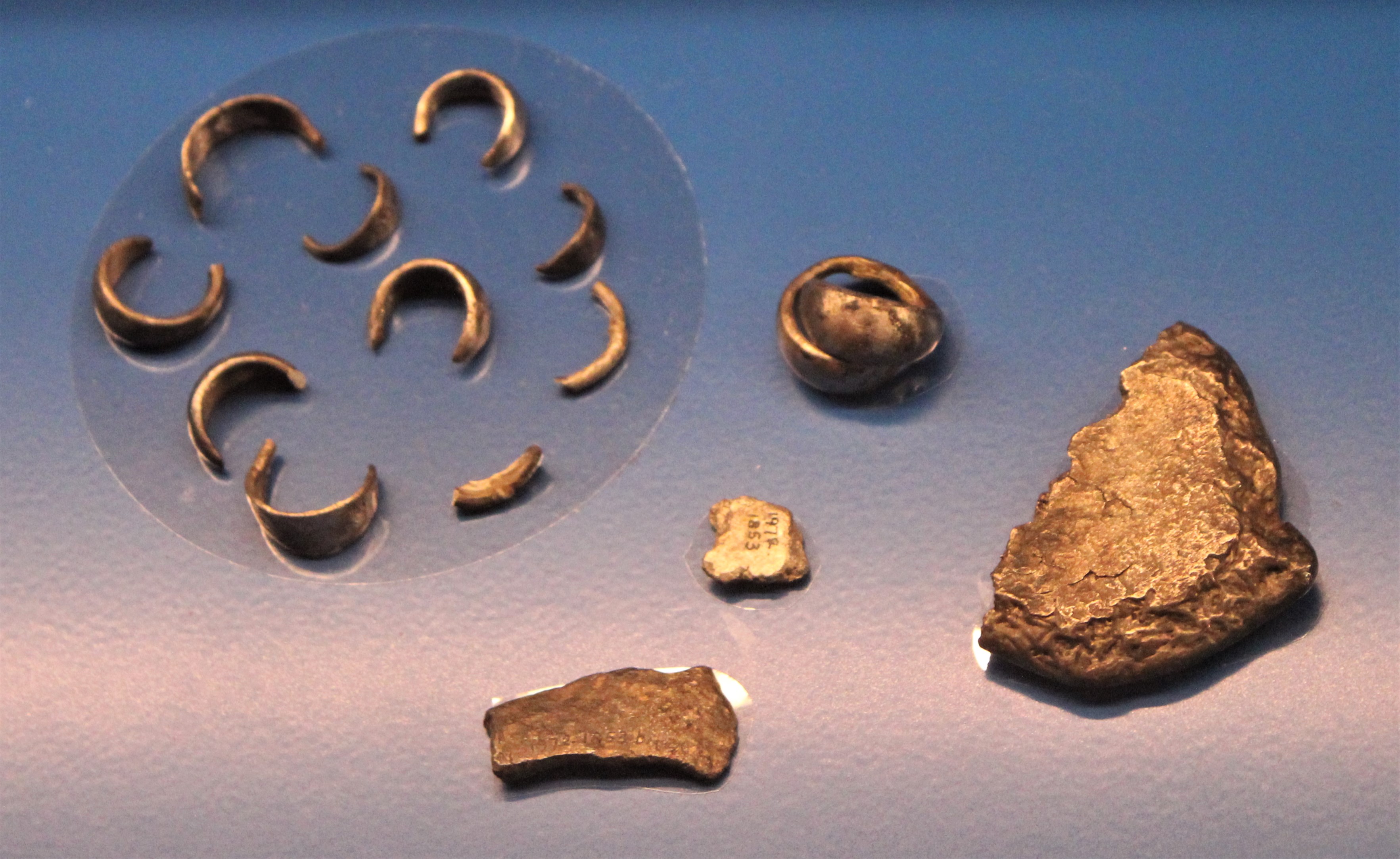
Tell Taya
Ancient hill city with fortifications and artifacts.
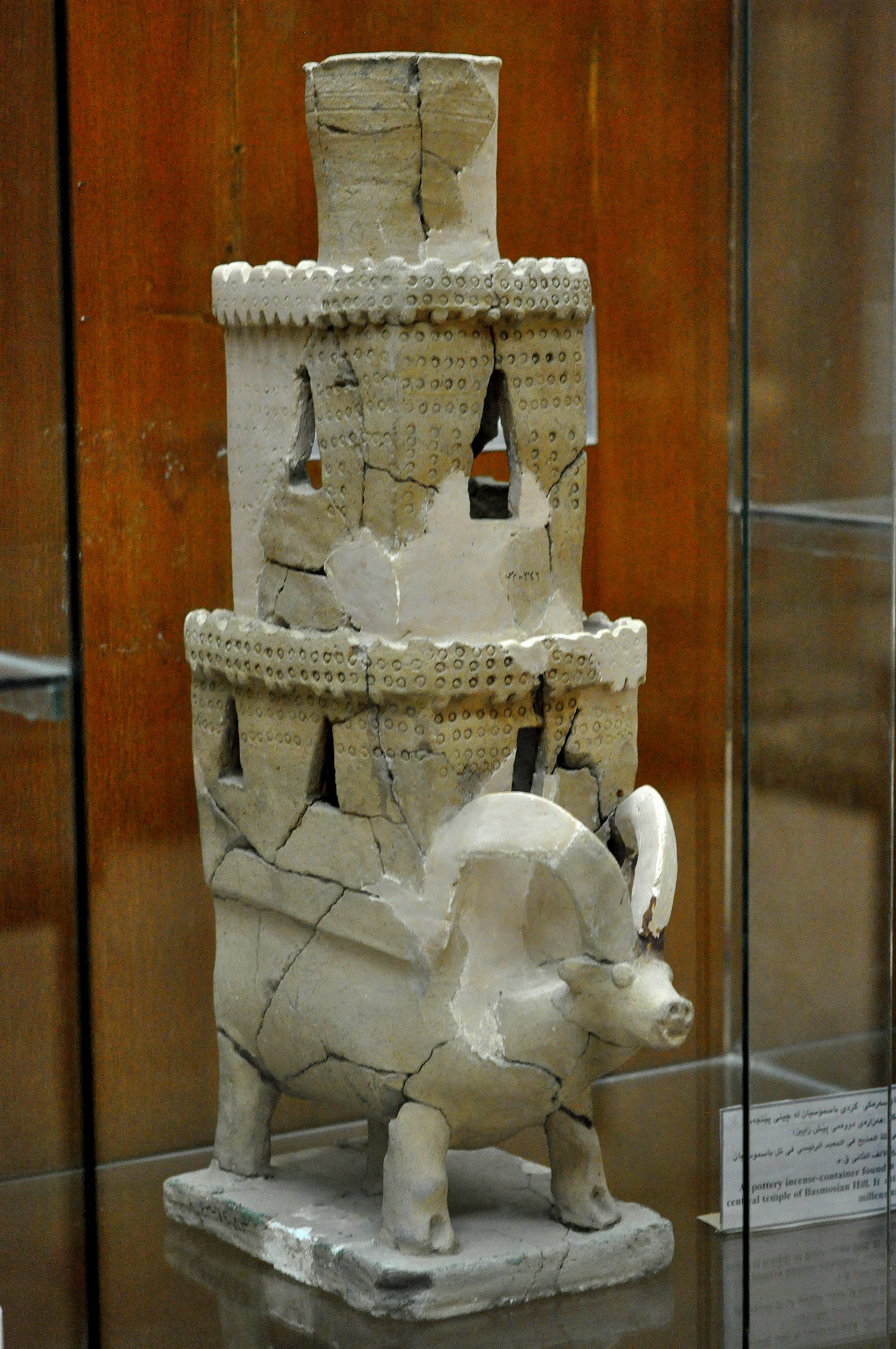
Tell Bazmusian
Large tell site with multi-period occupation.
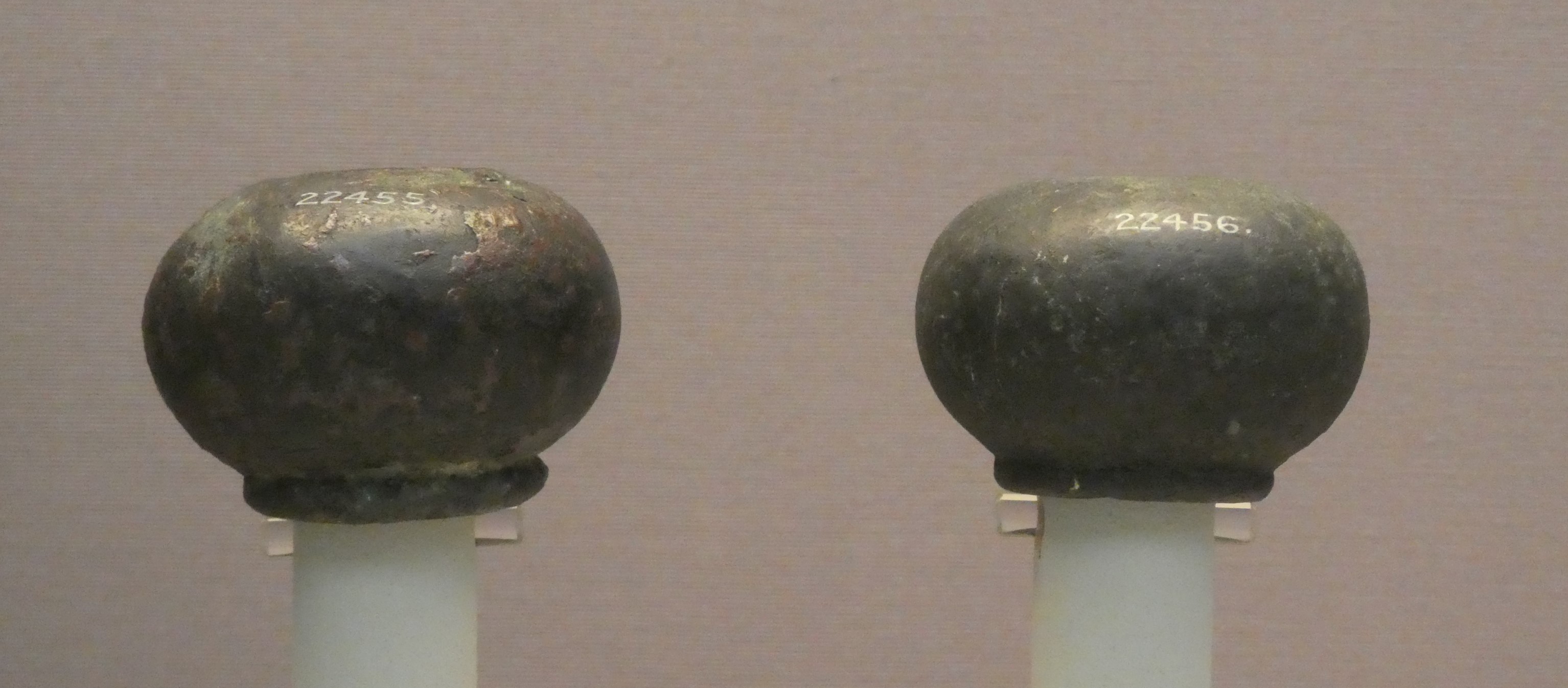
Tell Muhammad
Ancient site with fortifications and tablets
Tell al-Lahm
Oblong mound with city wall remnants