Explore the Map
Taq Kasra
33.0936° N, 44.5808° E
About
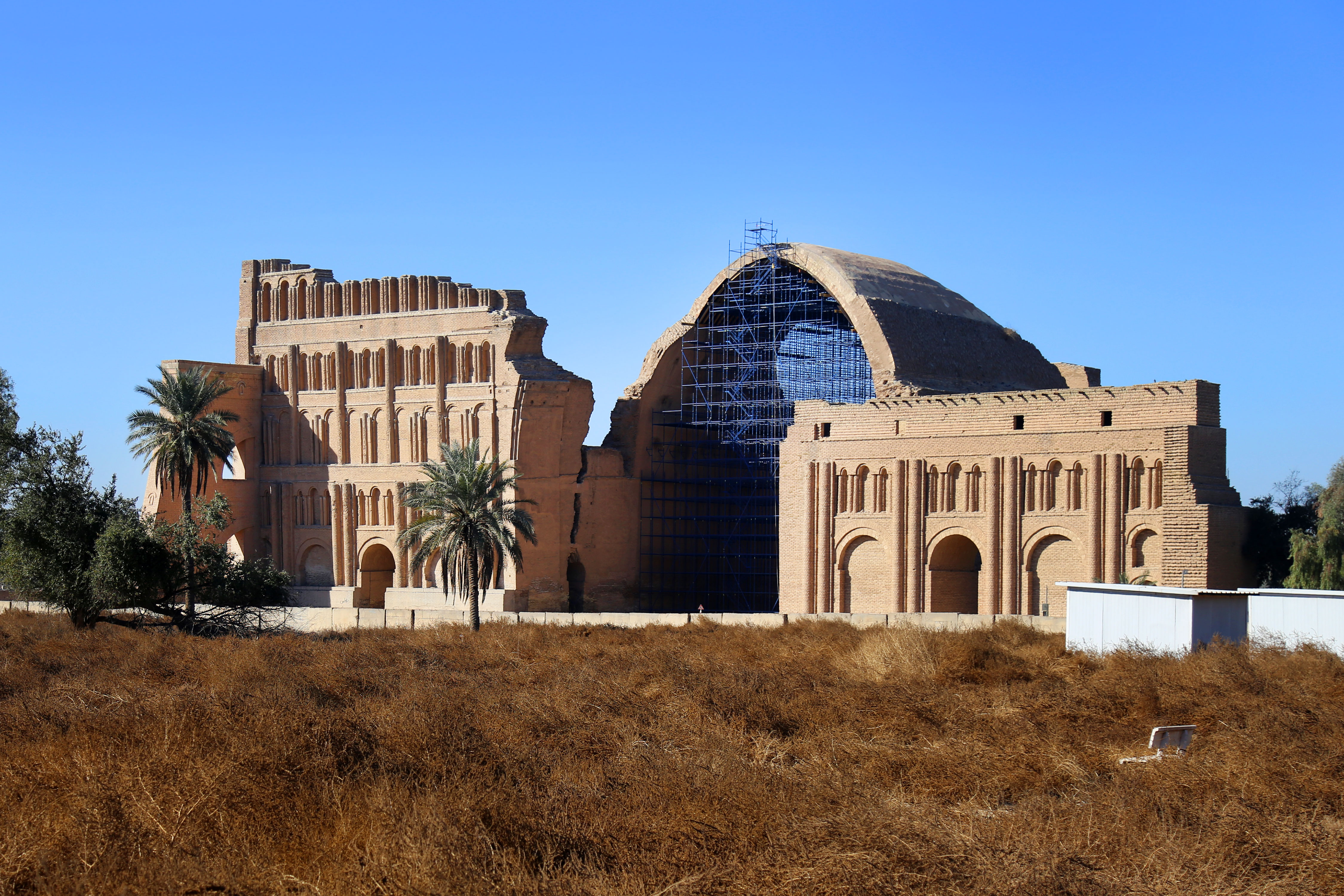
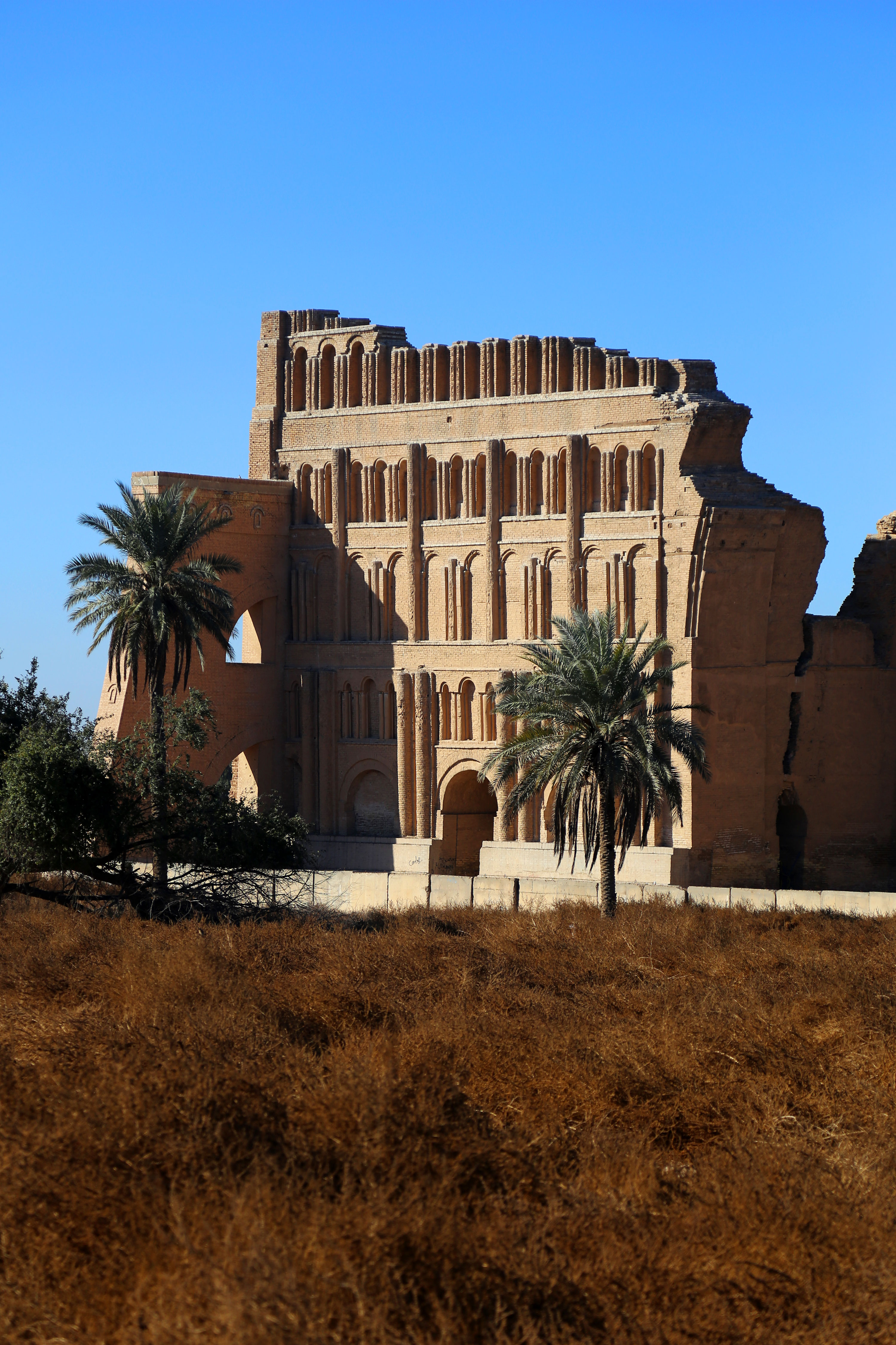
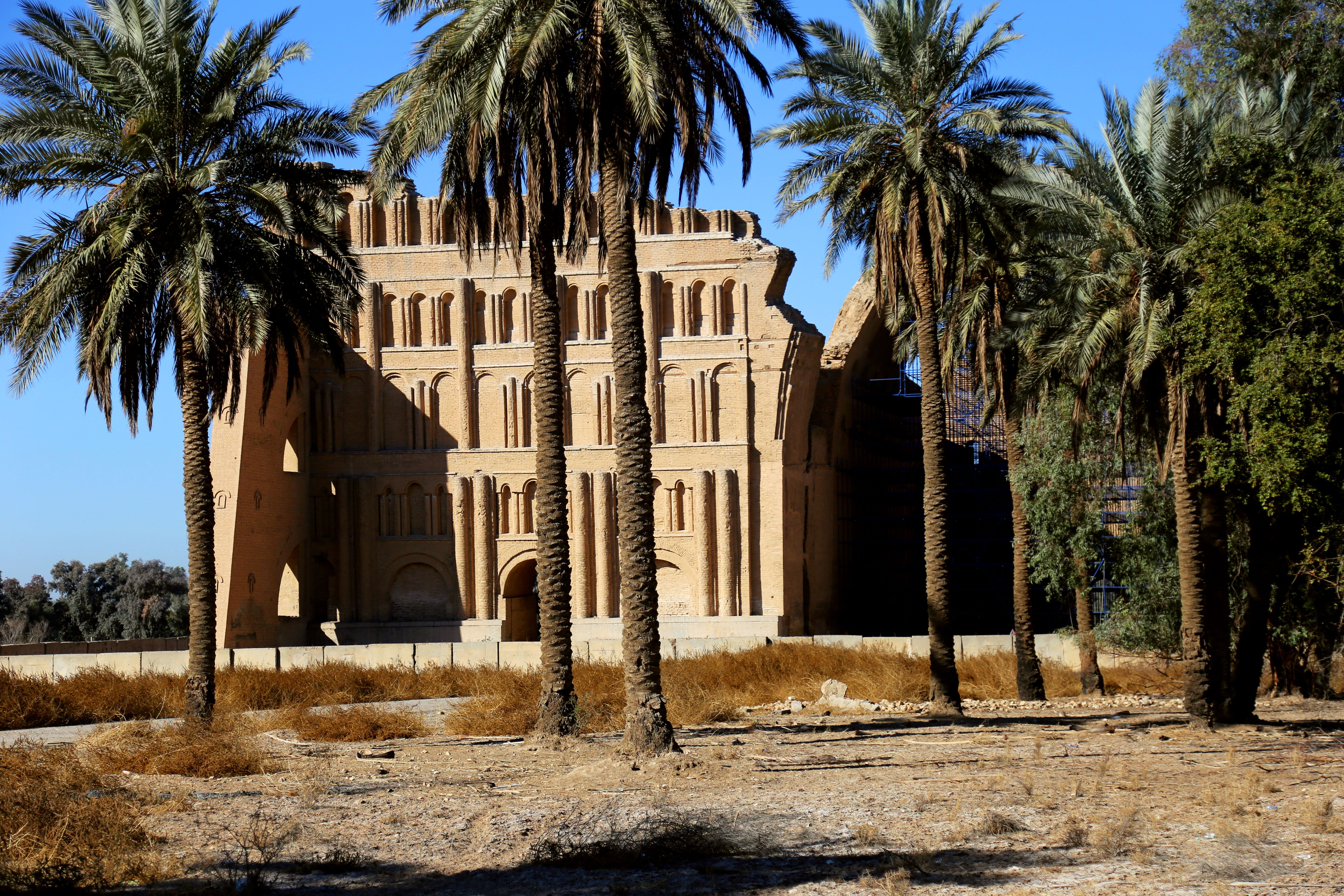
Tāq Kasrā, also known as the Arch of Ctesiphon, is a monumental remnant of the Sasanian Empire located near the modern town of Salman Pak, Iraq. This impressive structure, believed to have been constructed between the 3rd and 6th centuries CE, served as the facade of the main palace in Ctesiphon, a pivotal city of the Parthian and Sassanid dynasties. It features a massive arched iwan hall that stands about 37 meters high, showcasing advanced architectural techniques of its era, such as the use of unreinforced brickwork. The site has seen various phases, including its conversion to a mosque after the Arab conquest in 637 CE. Despite partial reconstruction attempts and damage over the centuries, Tāq Kasrā remains a significant link to ancient Persian architectural and cultural achievements.
Gallery
Explore photographs of ancient structures, artifacts, and archaeological excavations
Historical Timeline
Journey through time and discover key events in this site's history
Construction of Taq Kasra
242 CE, 272 CE, 540 CE
Arab Conquest
637 CE
Abbasid Reconstruction
early 10th century CE
Archaeological Features
Unique architectural and cultural elements found at this historical site
Religious and Ritual Structures
Artistic and Decorative Features
Domestic and Habitation Structures
Frequently Asked Questions
Plan Your Visit
Tours, travel arrangements, and practical information
More Sites in Iraq
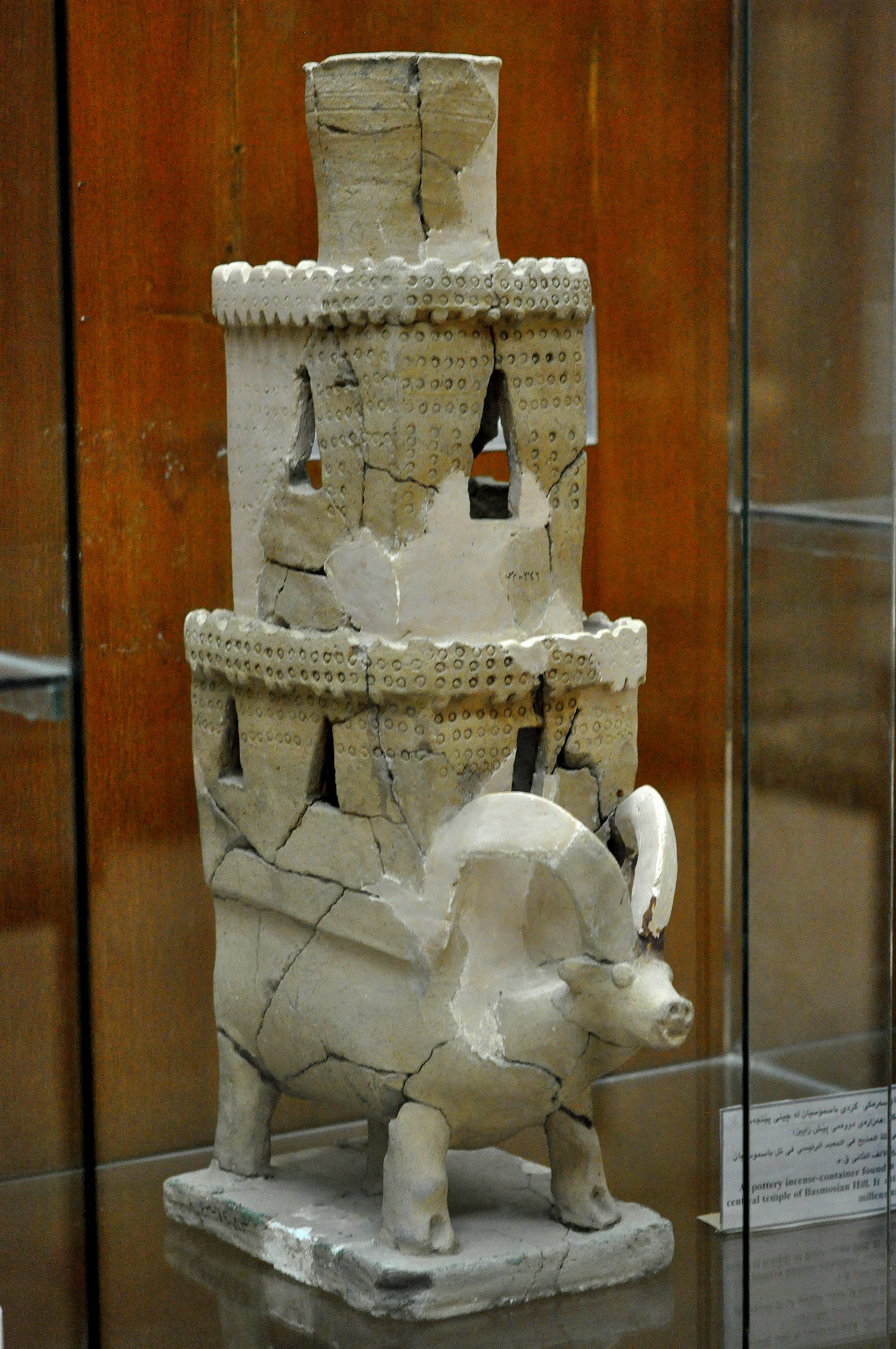
Tell Bazmusian
Large tell site with multi-period occupation.
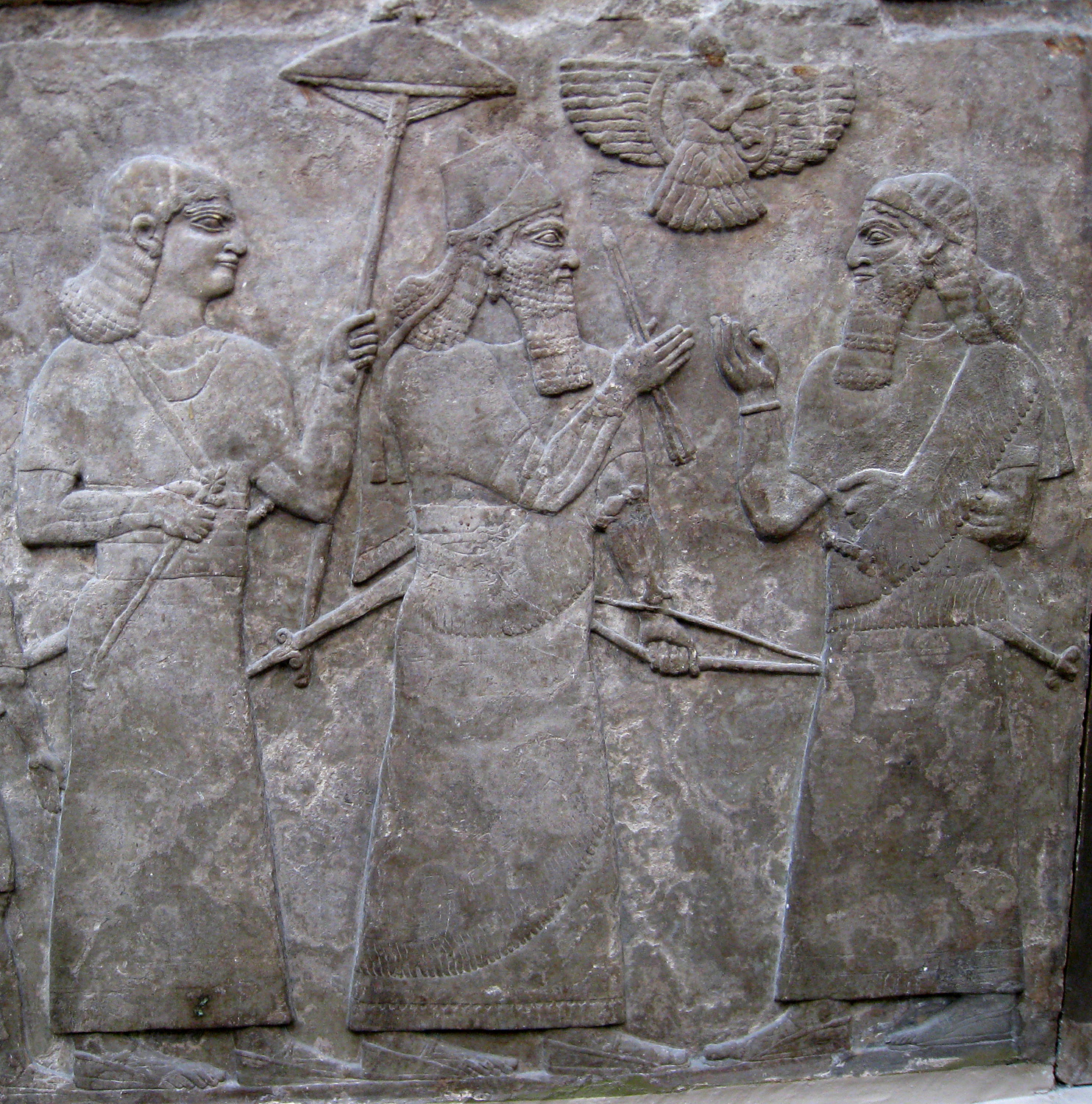
Assur
Ancient Assyrian city on the Tigris River
Tell al-Lahm
Oblong mound with city wall remnants
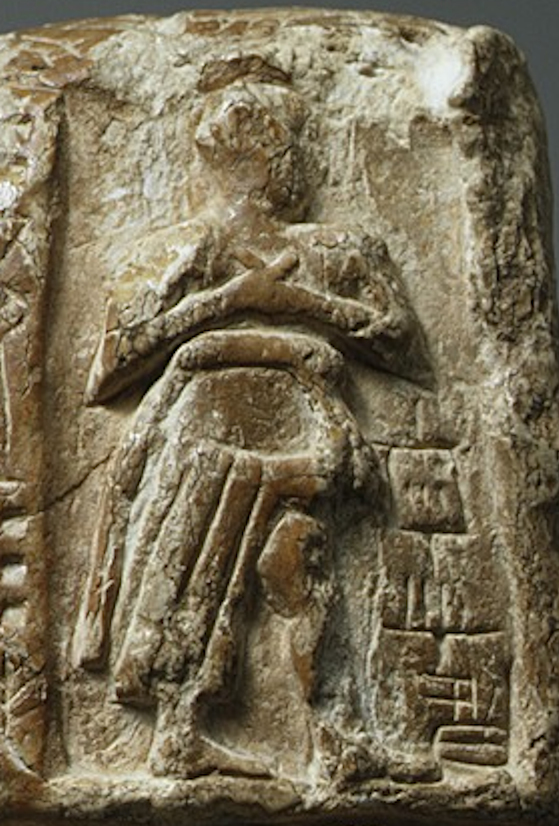
Larsa
Sumerian city-state and temple complex, Isin–Larsa period
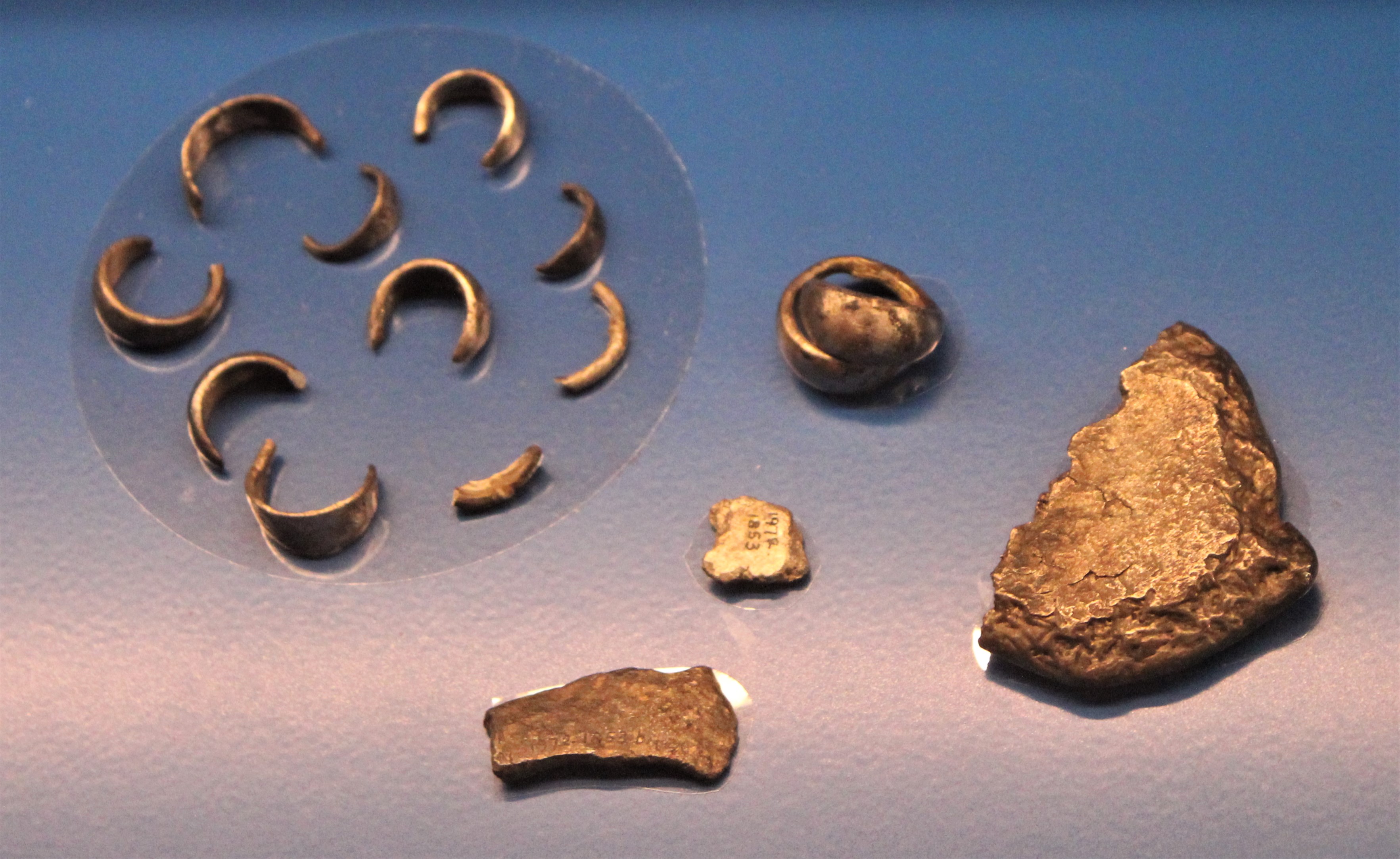
Tell Taya
Ancient hill city with fortifications and artifacts.
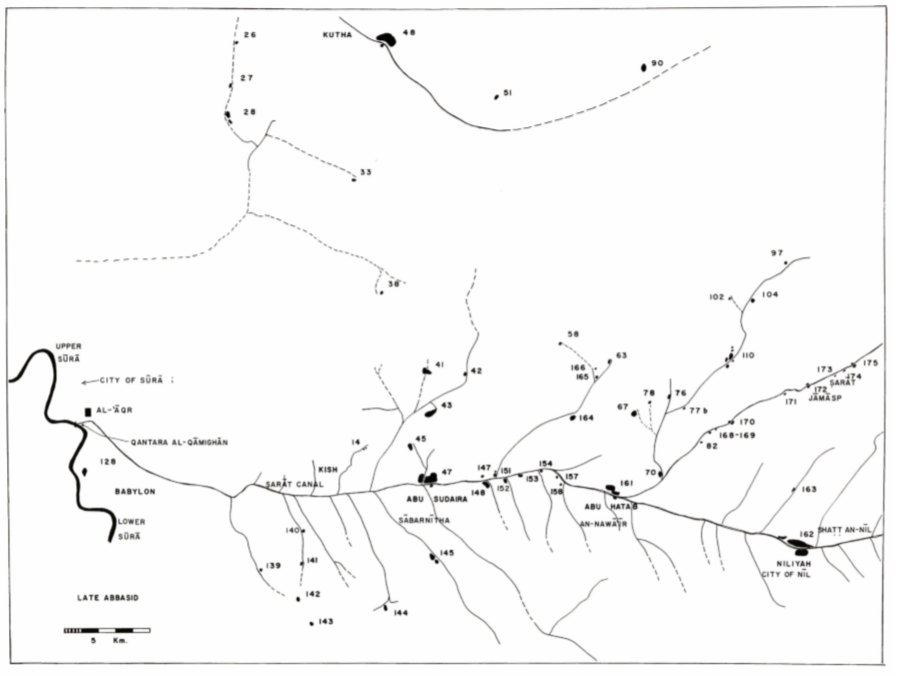
Nil (Iraq)
Medieval city with canal and bridge.