Explore the Map
Tell Arpachiyah
36.3714° N, 43.1978° E
About
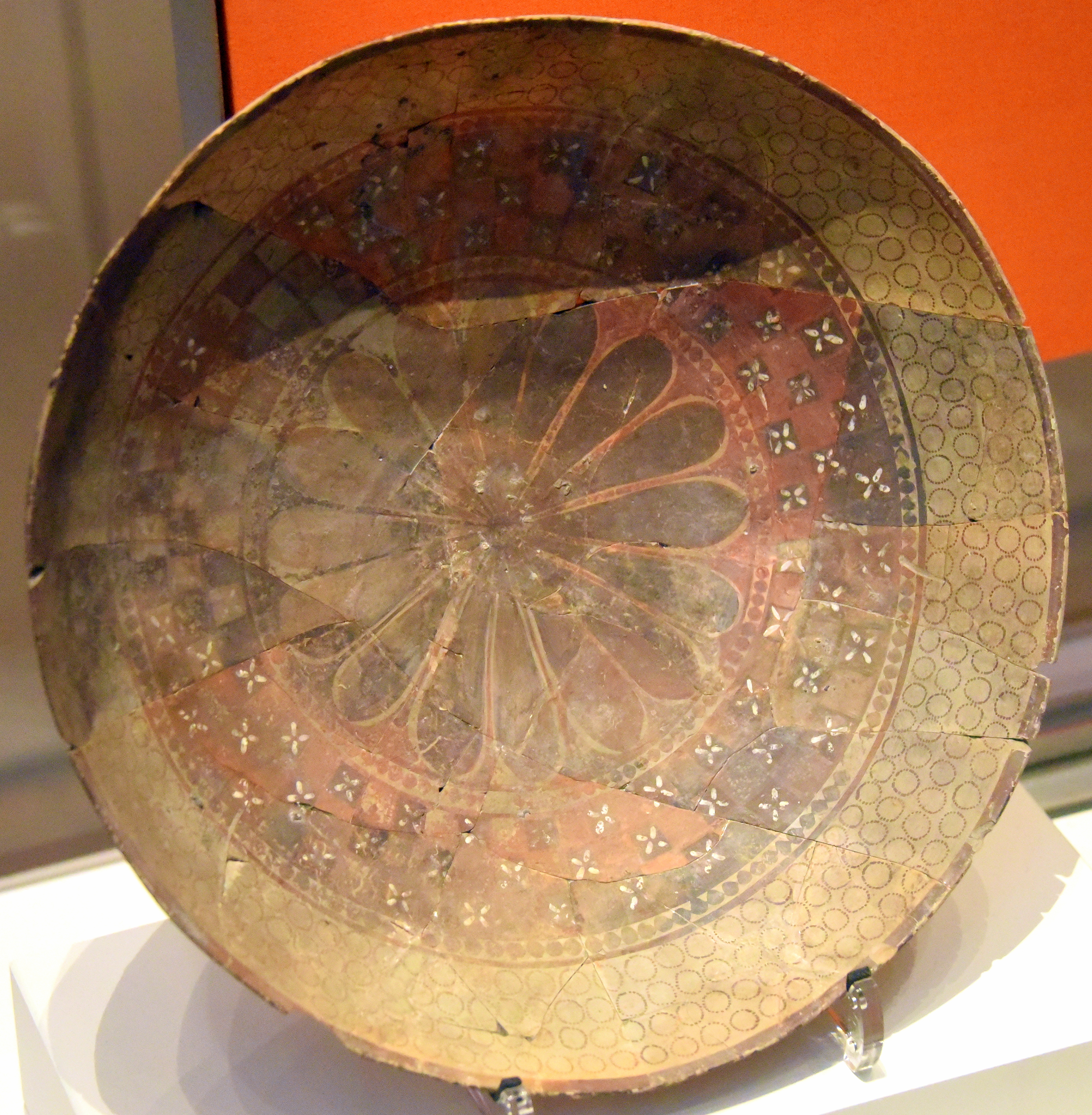
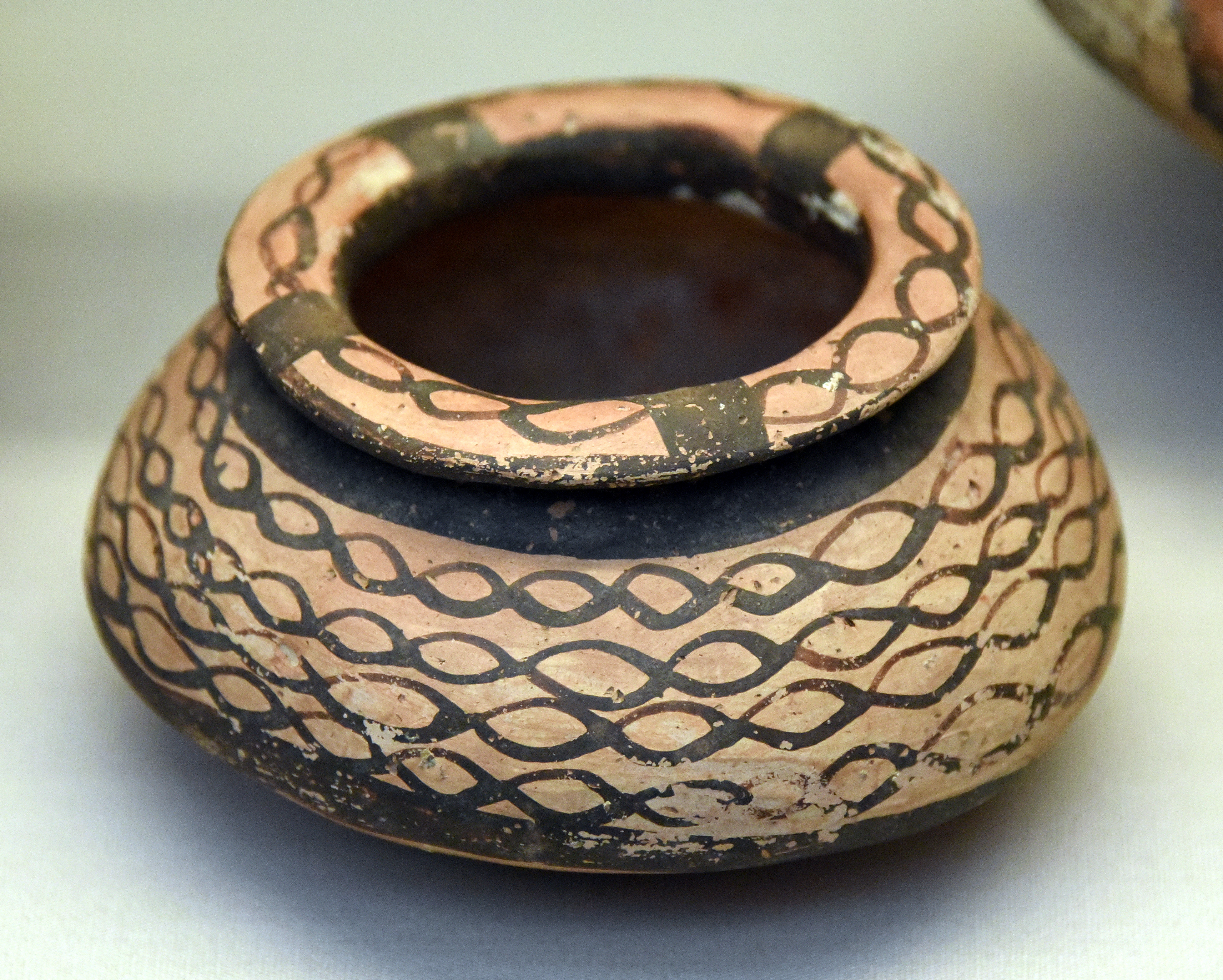
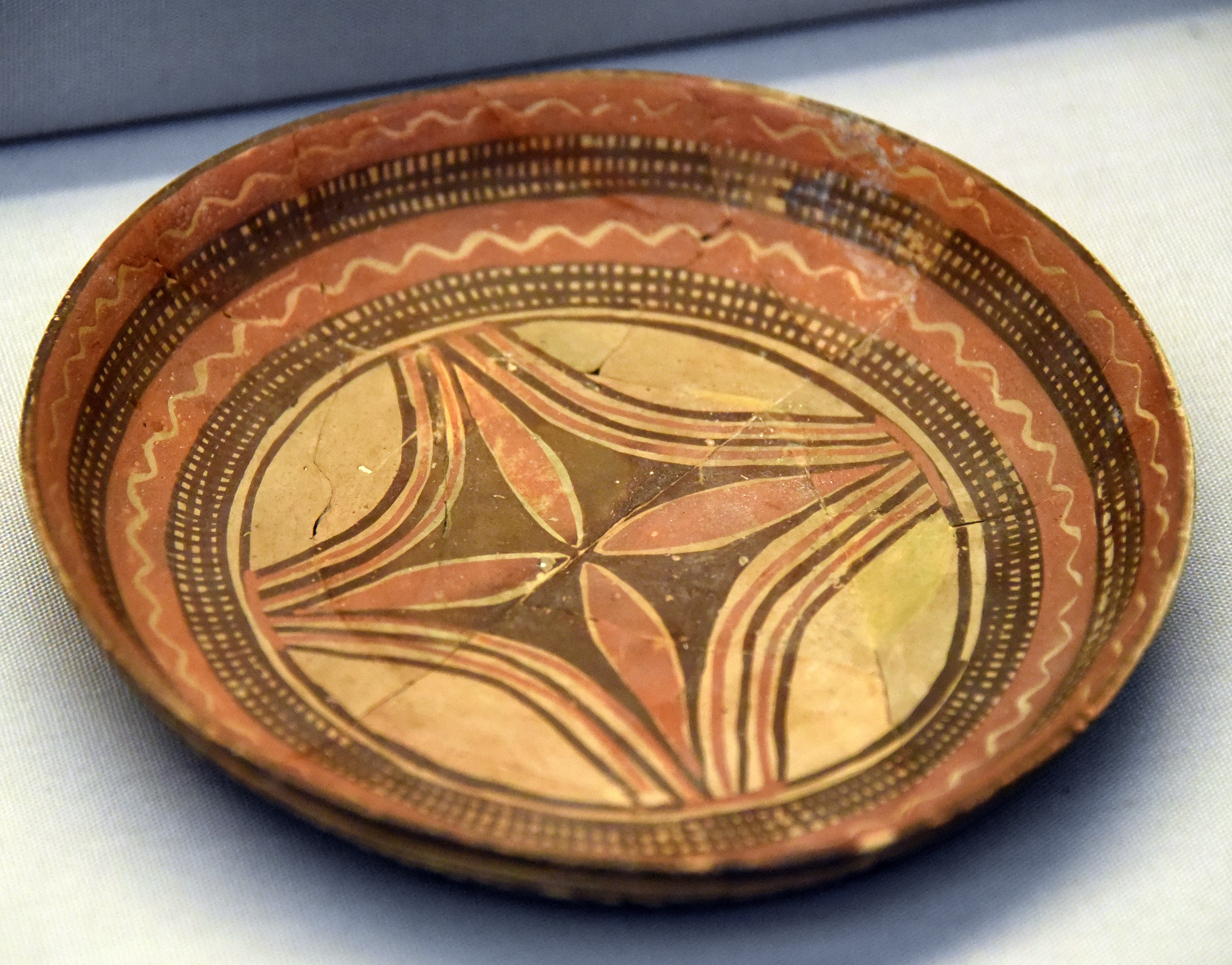
Tell Arpachiyah is a significant prehistoric archaeological site located near Mosul in Iraq's Nineveh Province. The tell, or settlement mound, measures approximately 67 meters in diameter with a peak height of 5.5 meters. Initially scouted in 1928 and later excavated in 1933, the site has revealed a wealth of archaeological features dating back to the Halaf and Ubaid periods. Notable discoveries include Halaf structures such as tholoi and the 'Burnt House', alongside a variety of Halaf pottery, which has been instrumental in establishing the internal chronology of the Halaf period. Additionally, an Ubaid cemetery with 50 graves highlights the site's importance as a burial ground. Tell Arpachiyah's contributions to our understanding of prehistoric Mesopotamian culture and its role in the development of pottery manufacturing are invaluable.
Gallery
Explore photographs of ancient structures, artifacts, and archaeological excavations
Historical Timeline
Journey through time and discover key events in this site's history
Ubaid Occupation
5000-4000 BCE
Halaf Occupation
5500-5000 BCE
Archaeological Features
Unique architectural and cultural elements found at this historical site
Burial and Funerary Structures
Industrial and Craft Structures
Domestic and Habitation Structures
Frequently Asked Questions
Plan Your Visit
Tours, travel arrangements, and practical information
More Sites in Iraq
Tell Rashid
Ubaid period settlement mound in Iraq
Larsa
Sumerian city-state and temple complex, Isin–Larsa period
Tell Taya
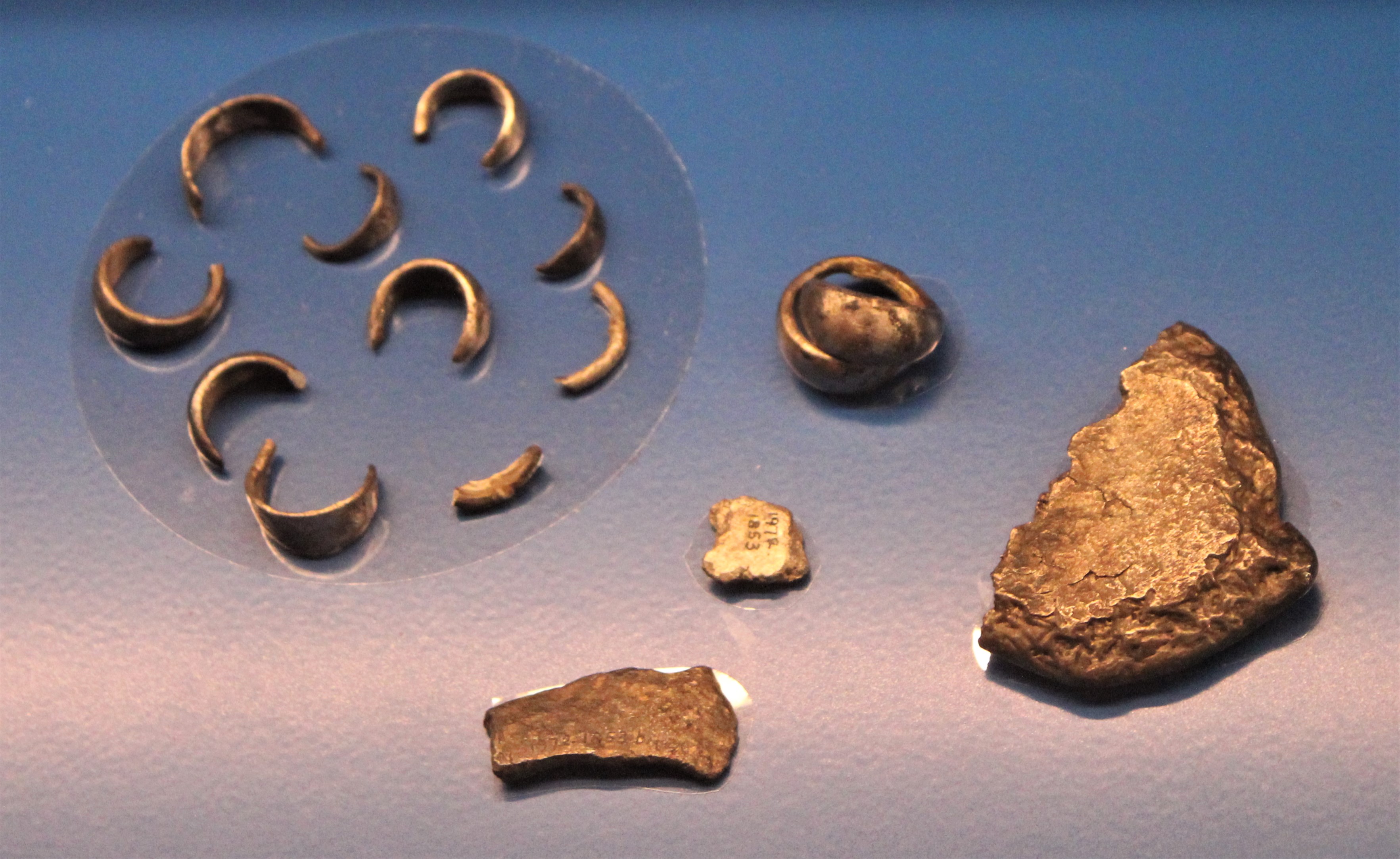
Ancient hill city with fortifications and artifacts.
Tell Bazmusian
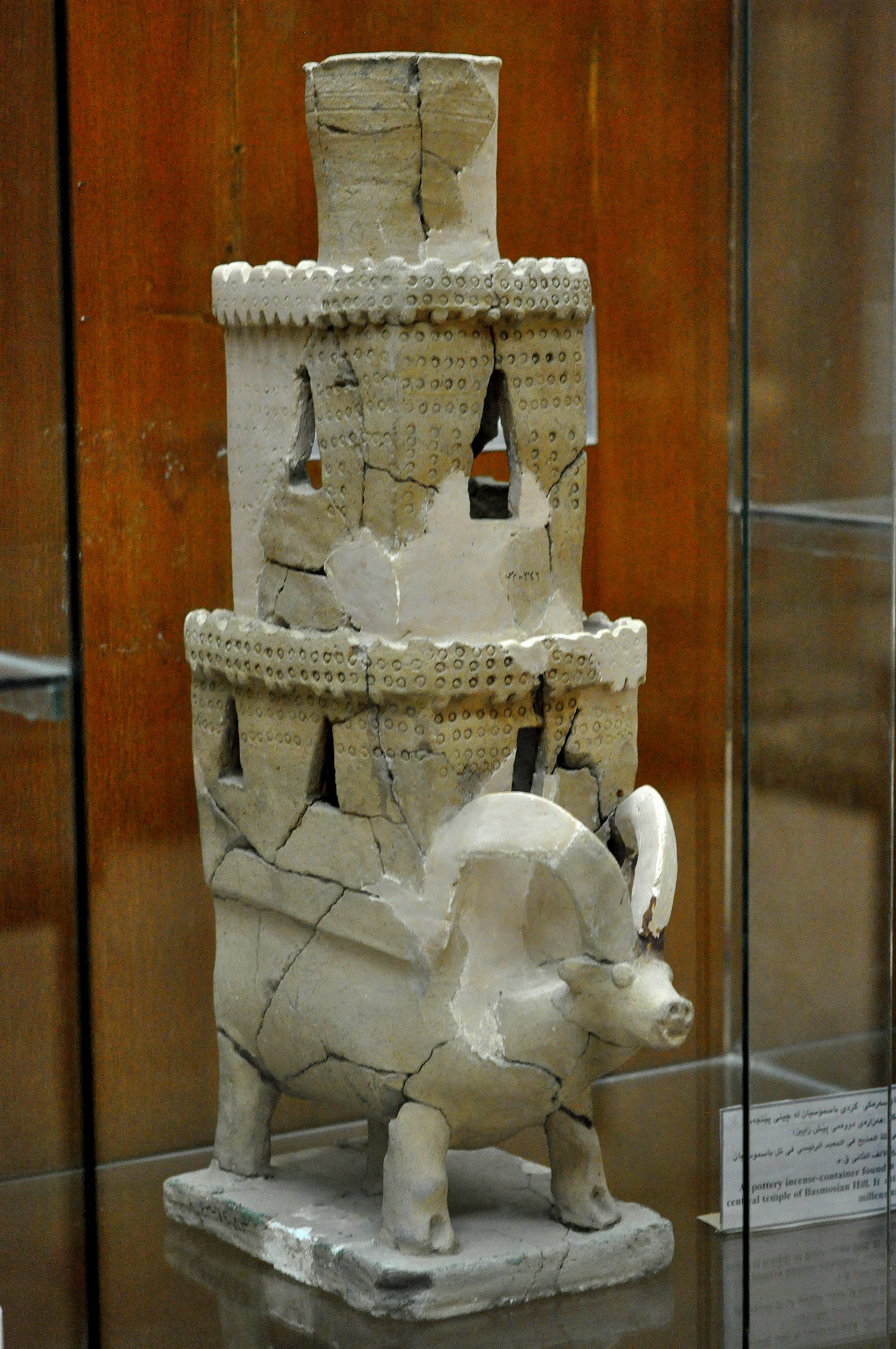
Large tell site with multi-period occupation.
Tell al-Lahm
Oblong mound with city wall remnants
Ruins of Mujada
Cylindrical desert ruin west of Karbala.