Explore the Map
Hotta-no-saku
39.4686° N, 140.5472° E
About
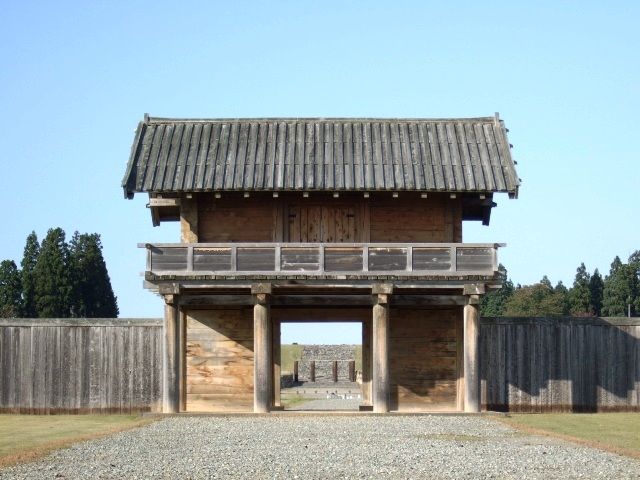
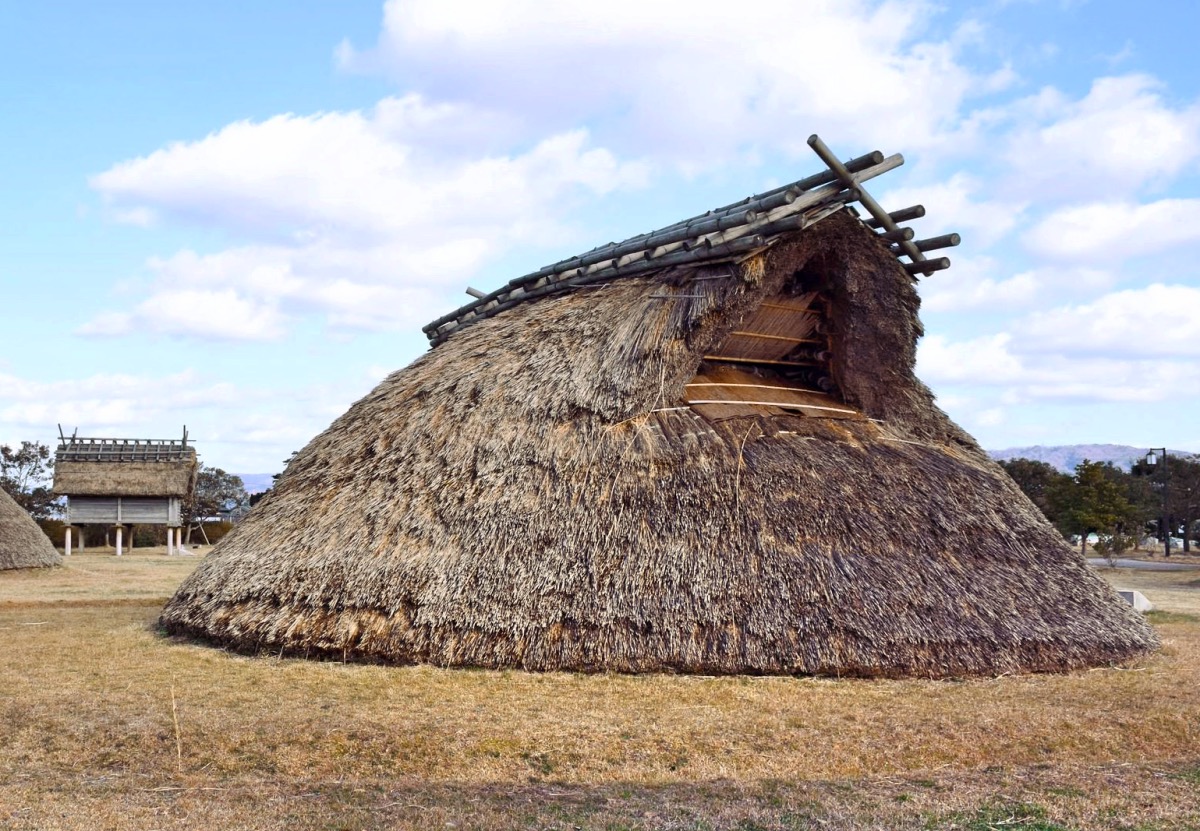
The Hotta-no-saku ruins are the remains of a Heian period fortified settlement located in present-day Daisen and Misato, Japan. This large-scale site, designated a National Historic Site since 1931, is characterized by its massive wooden palisade, originally measuring approximately 1,370 meters by 780 meters. Dendrochronological analysis dates the construction of the palisade to 801 CE, marking it as one of the largest josaku-style castles in northern Japan during the early 9th century CE. Despite its size, historical records make no mention of this fortification. The site includes the ruins of an inner fortification and administrative complex, suggesting its role as a significant regional center before being abandoned by the mid-10th century CE. It now serves as an archaeological park with reconstructed buildings, offering insights into Japan's Heian period defensive architecture.
Gallery
Explore photographs of ancient structures, artifacts, and archaeological excavations
Historical Timeline
Journey through time and discover key events in this site's history
Construction of palisade
801 CE
Abandonment of site
Archaeological Features
Unique architectural and cultural elements found at this historical site
Defensive Structures
Public and Civic Structures
Frequently Asked Questions
Plan Your Visit
Tours, travel arrangements, and practical information
More Sites in Japan
Bingo Provincial Capital
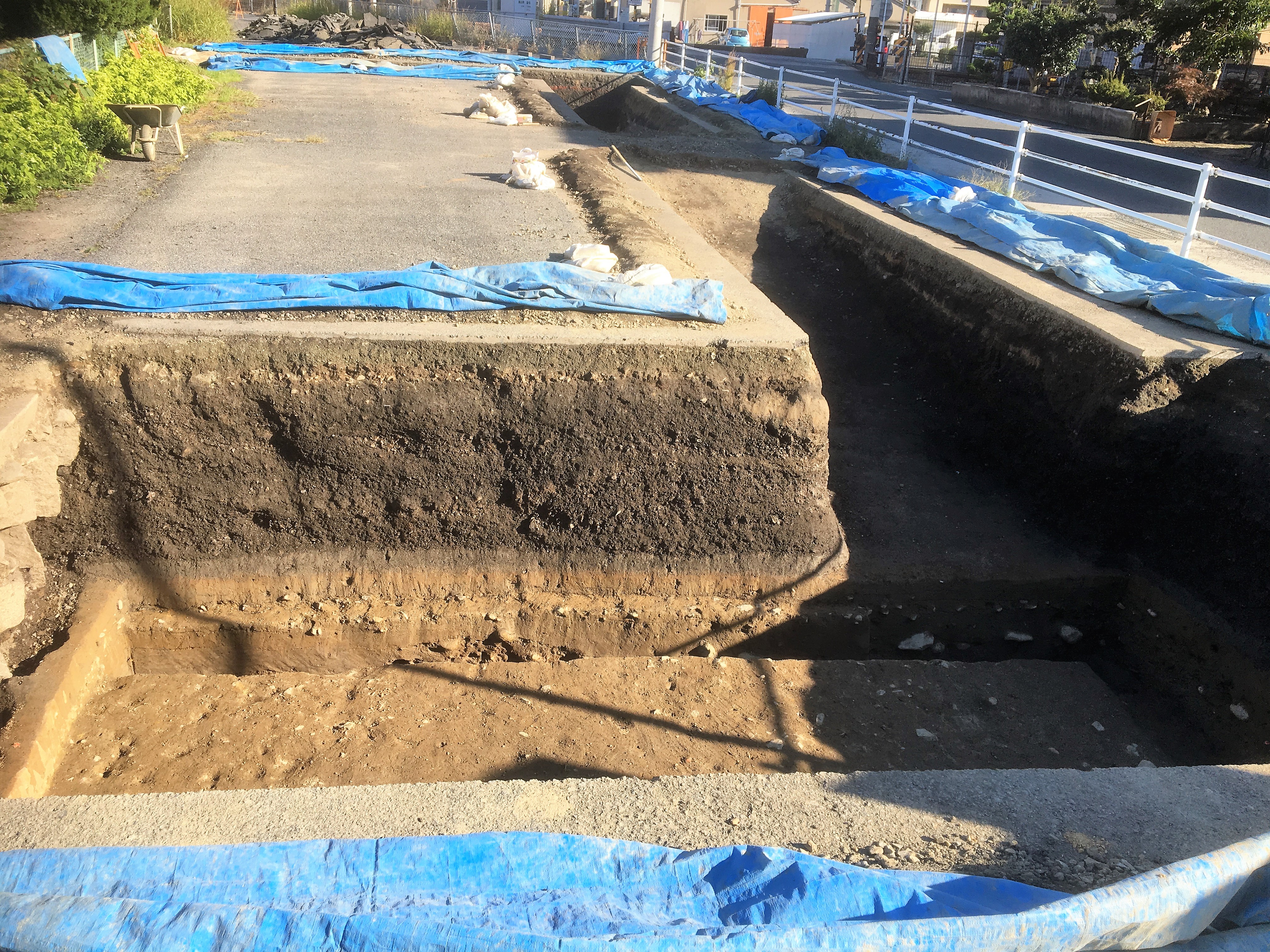
Ruins of ancient provincial capital structures
Binmanji Ishibotokedani Necropolis
Medieval Japanese necropolis with 1600 tombs.

Komaru Castle
Sengoku period castle with moats and ramparts.
Kusado Sengen
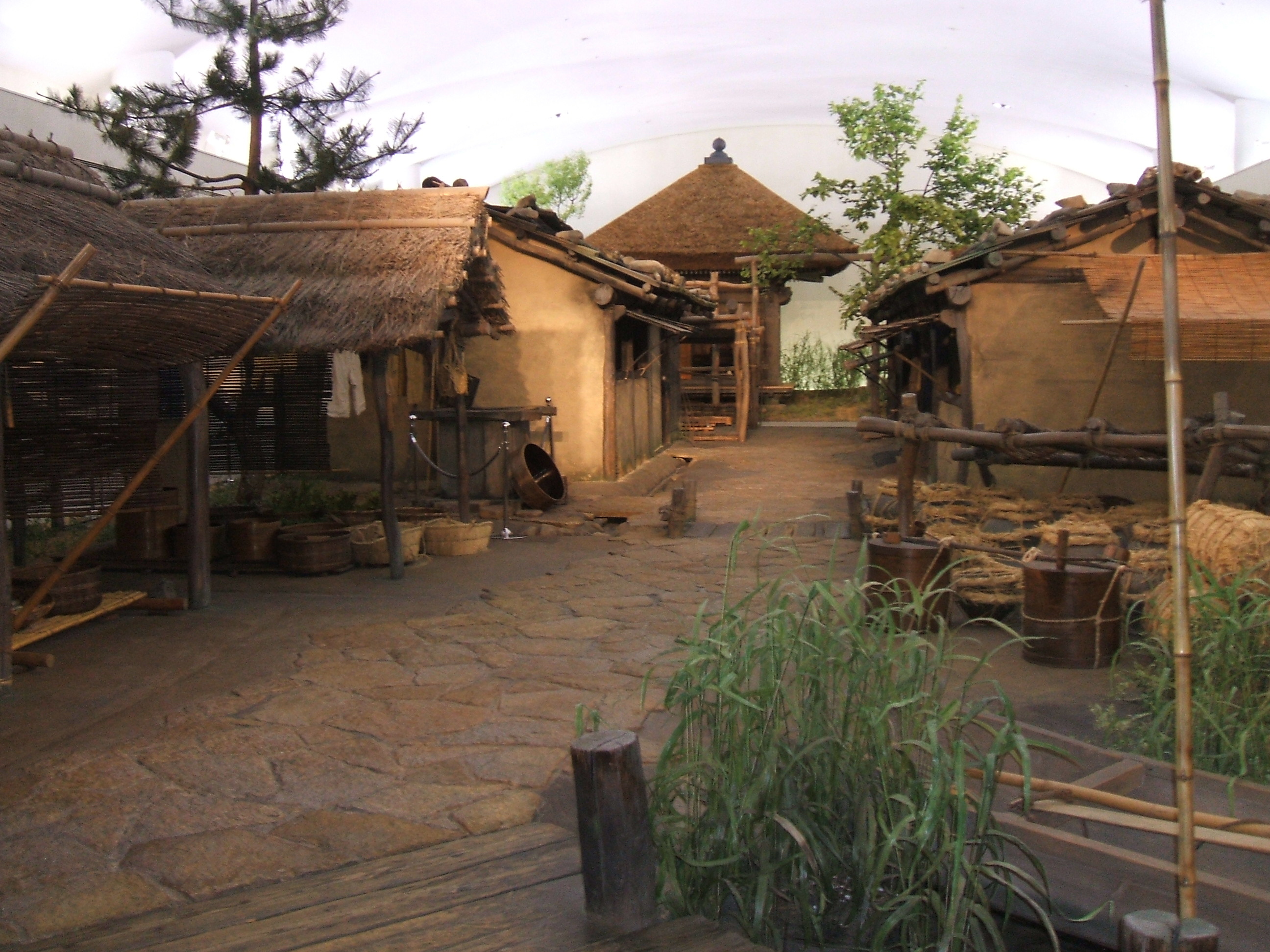
Medieval port town near Ashida River
Furushida-Higashi ruins
Heian period fortified residence with moat.
Yoshizaki-Suba Site
Yayoi period settlement remains, Ishikawa, Japan.