Explore the Map
Mimitori Site
37.5075° N, 138.9200° E
About
The Mimitori site is a significant archaeological location in Mitsuke, Niigata, Japan, showcasing the evolution of a Jōmon period settlement from 3000 BCE to 300 BCE. Covering an area of over 16,000 square meters, it is the largest known settlement in the Hokuriku region. Initially established in the middle Jōmon period, the settlement featured pit dwellings arranged in a horseshoe shape around a central plaza. As it evolved into the late Jōmon period, the village expanded westward, forming a donut-shaped configuration, and included a midden. The settlement further transformed during the final Jōmon period, transitioning to elevated buildings. The site's significance lies in its well-preserved structural foundations and artifacts, such as a large jadeite sphere, which provide insights into the social and architectural advancements of the Jōmon culture.
Historical Timeline
Journey through time and discover key events in this site's history
Middle Jōmon Settlement
3000 BCE
Late Jōmon Expansion
2000 BCE
Final Jōmon Transition
300 BCE
Archaeological Features
Unique architectural and cultural elements found at this historical site
Burial and Funerary Structures
Domestic and Habitation Structures
Environmental and Natural Features
Frequently Asked Questions
Plan Your Visit
Tours, travel arrangements, and practical information
More Sites in Japan
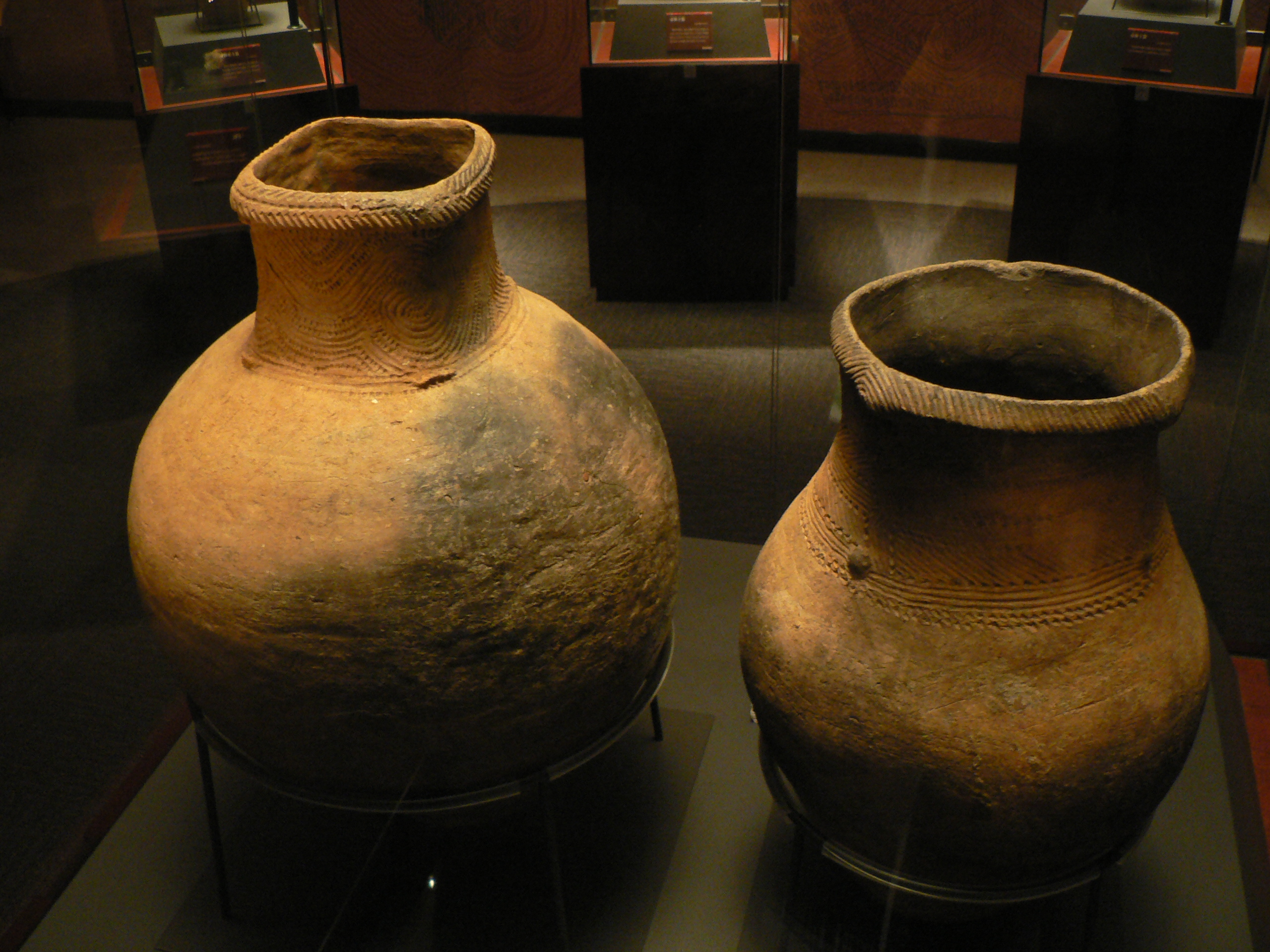
Uenohara site
Early Jōmon period settlement in Japan.
Mangyō Site
Late Yayoi–Early Kofun settlement, Nanao (Ishikawa), Japan
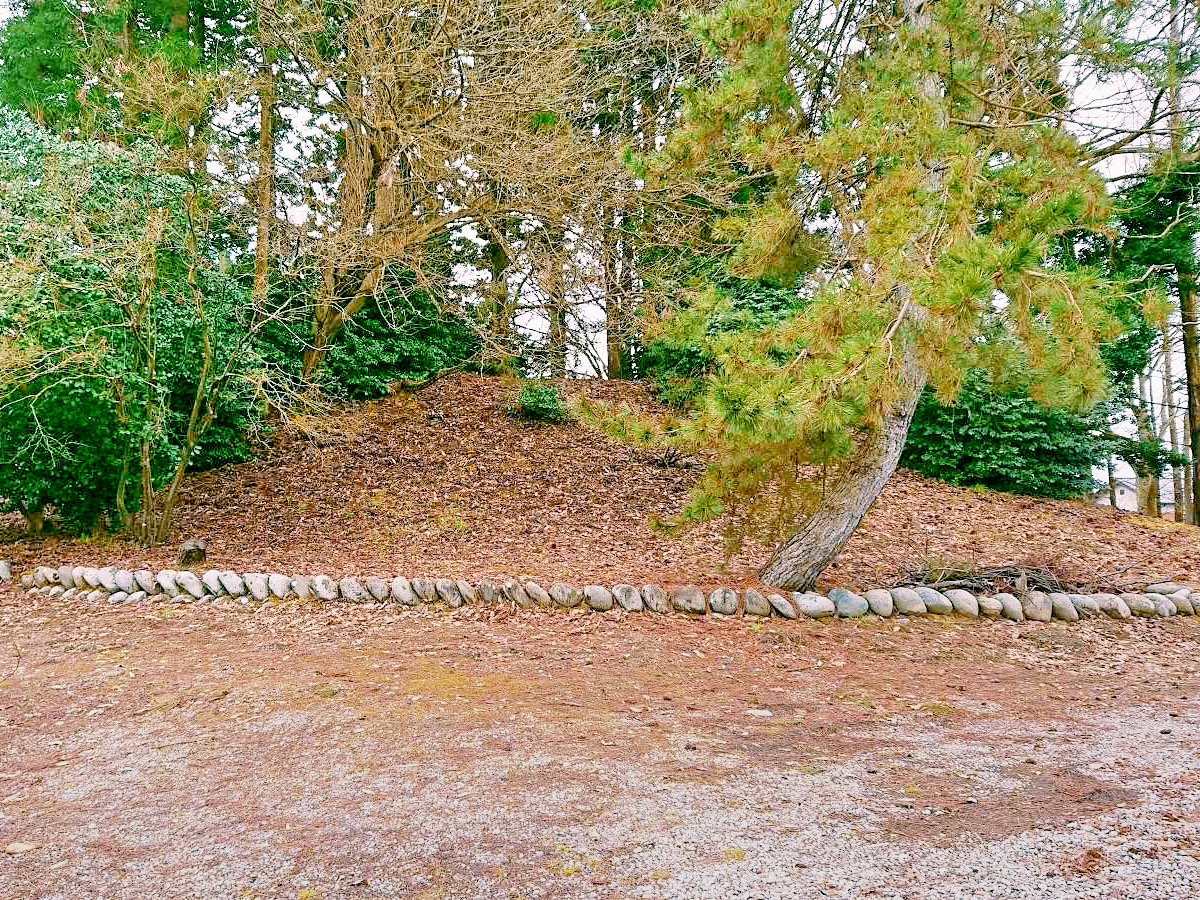
Kushidashin Site
Late Jōmon settlement with Kofun burial mounds.
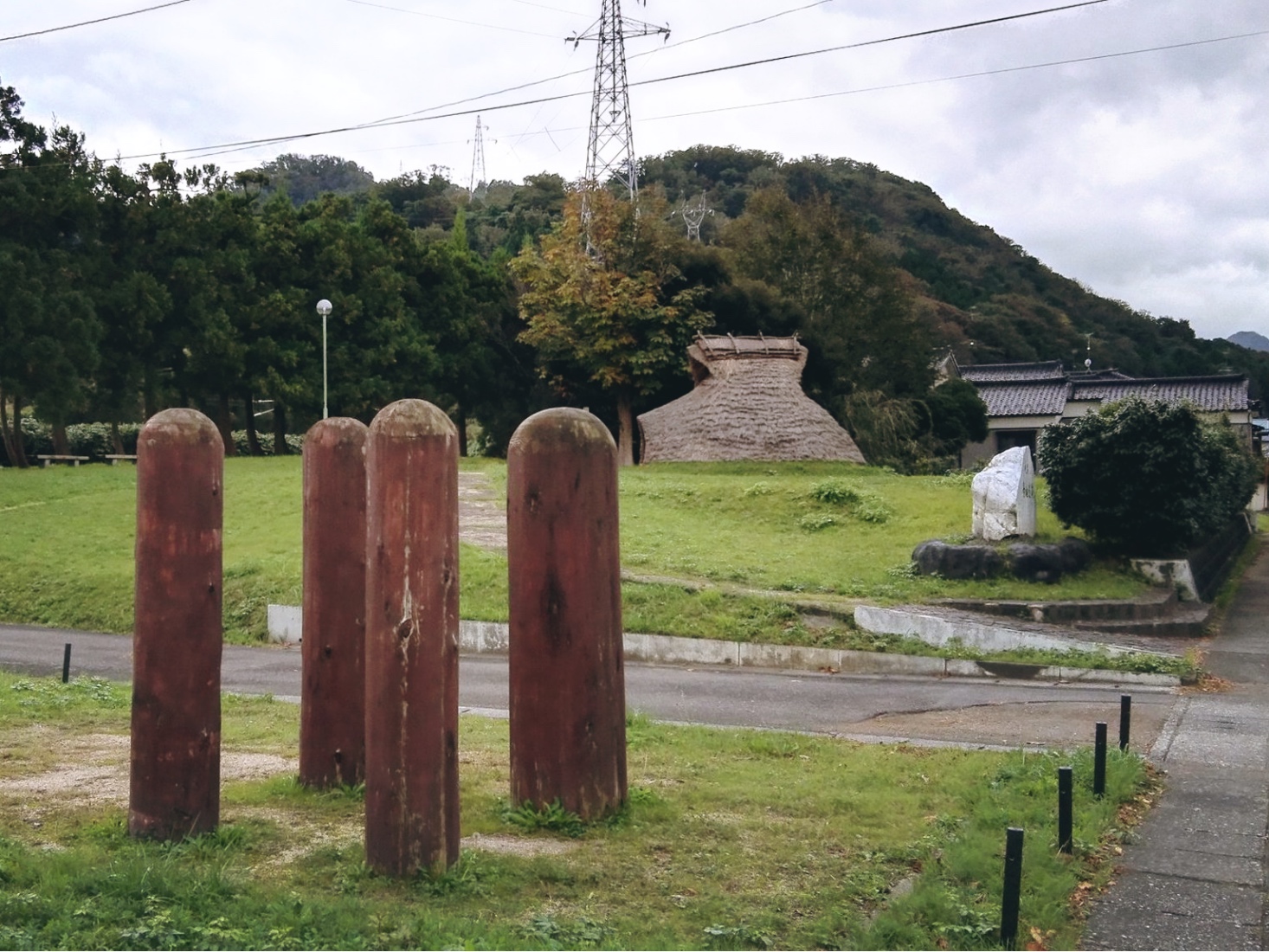
Terachi Site
Middle to late Jōmon period settlement
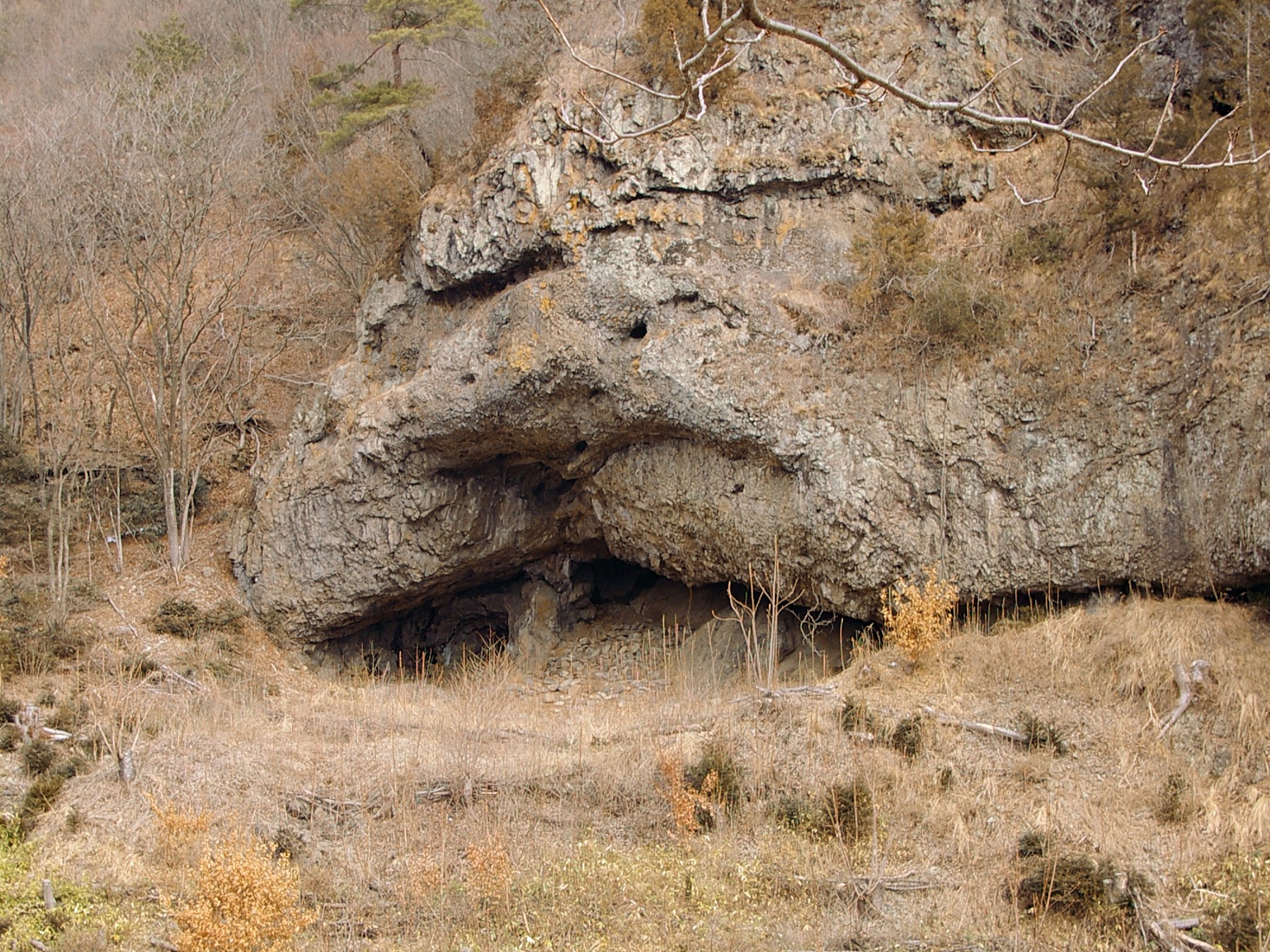
Tobayama Cave
Cave dwelling and tomb with grave goods
Sannai-Maruyama Site
Large Jōmon period settlement ruins