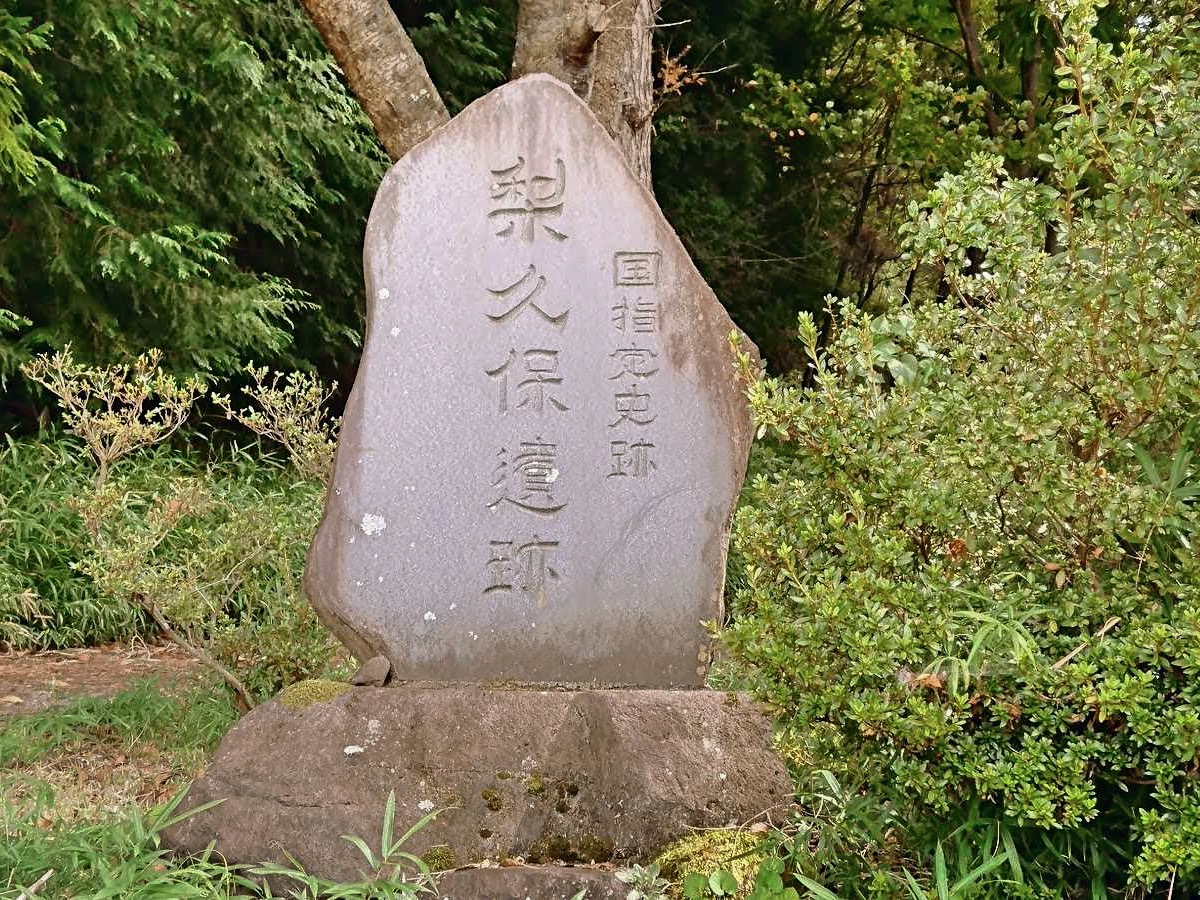
Explore the Map
Nashikubo ruins
36.0883° N, 138.0594° E
About
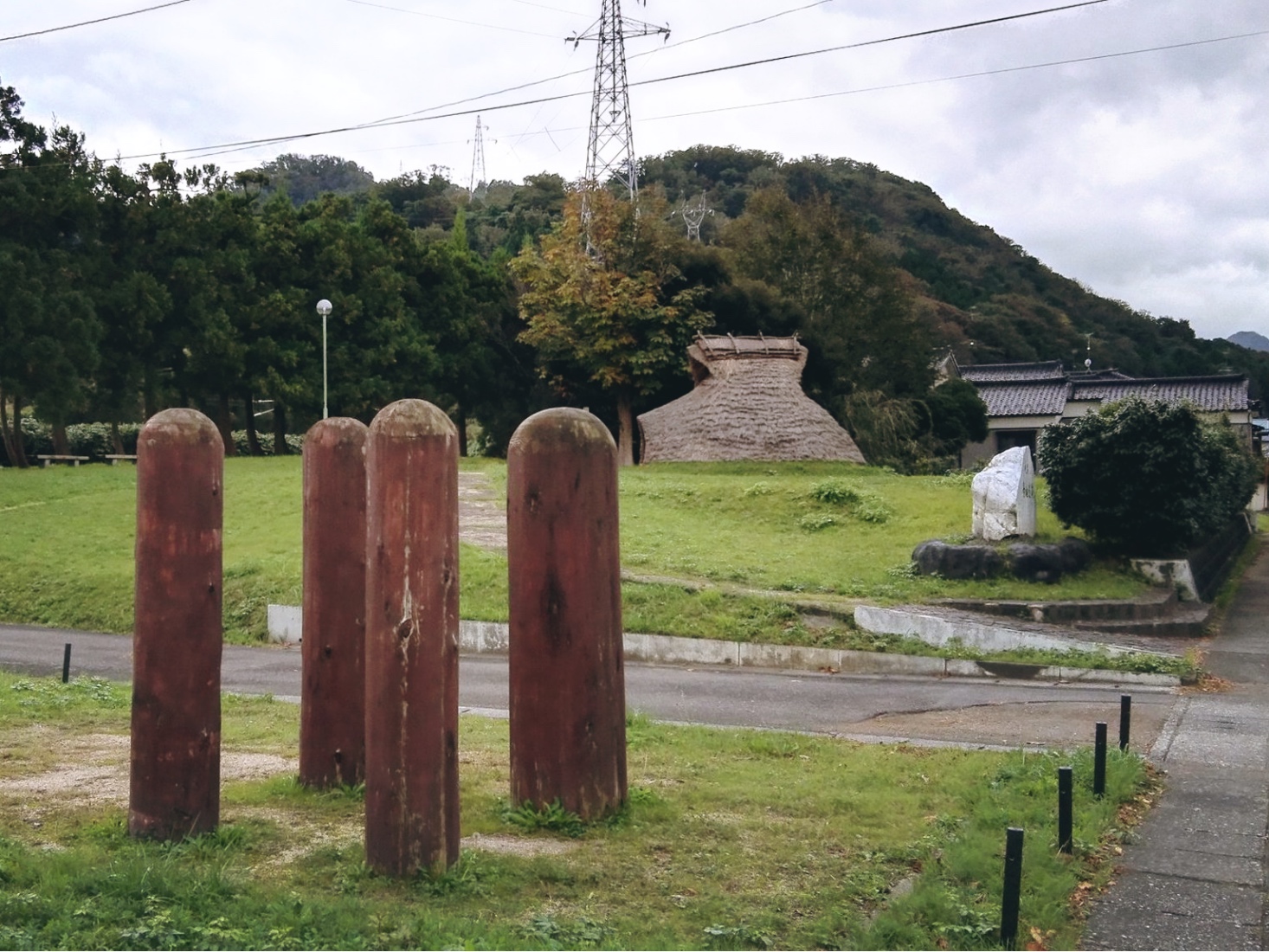
The Nashikubo ruins, located in Okaya, Nagano, Japan, represent a significant Jōmon period settlement with a complex array of domestic and funerary features. Spanning from the early to the late Jōmon period (4000–1000 BCE), the site showcases a continuum of habitation with pit dwellings evolving over time. The early phase consisted of foundational pit dwellings, which expanded during the middle Jōmon period, featuring a characteristic Nashikubo style pottery with a woven bamboo motif. The late Jōmon period saw the addition of flagstone floor dwellings. A remarkable aspect of the site is its extensive number of tombs, which suggests a well-established community with complex social structures. The presence of jade and amber grave goods points to long-distance trade networks during this era.
Gallery
Explore photographs of ancient structures, artifacts, and archaeological excavations
Historical Timeline
Journey through time and discover key events in this site's history
Early Jōmon settlement
4000 BCE to 2500 BCE
Middle Jōmon expansion
3000 BCE to 2000 BCE
Late Jōmon development
2000 BCE to 1000 BCE
Archaeological Features
Unique architectural and cultural elements found at this historical site
Burial and Funerary Structures
Domestic and Habitation Structures
Frequently Asked Questions
Plan Your Visit
Tours, travel arrangements, and practical information
More Sites in Japan
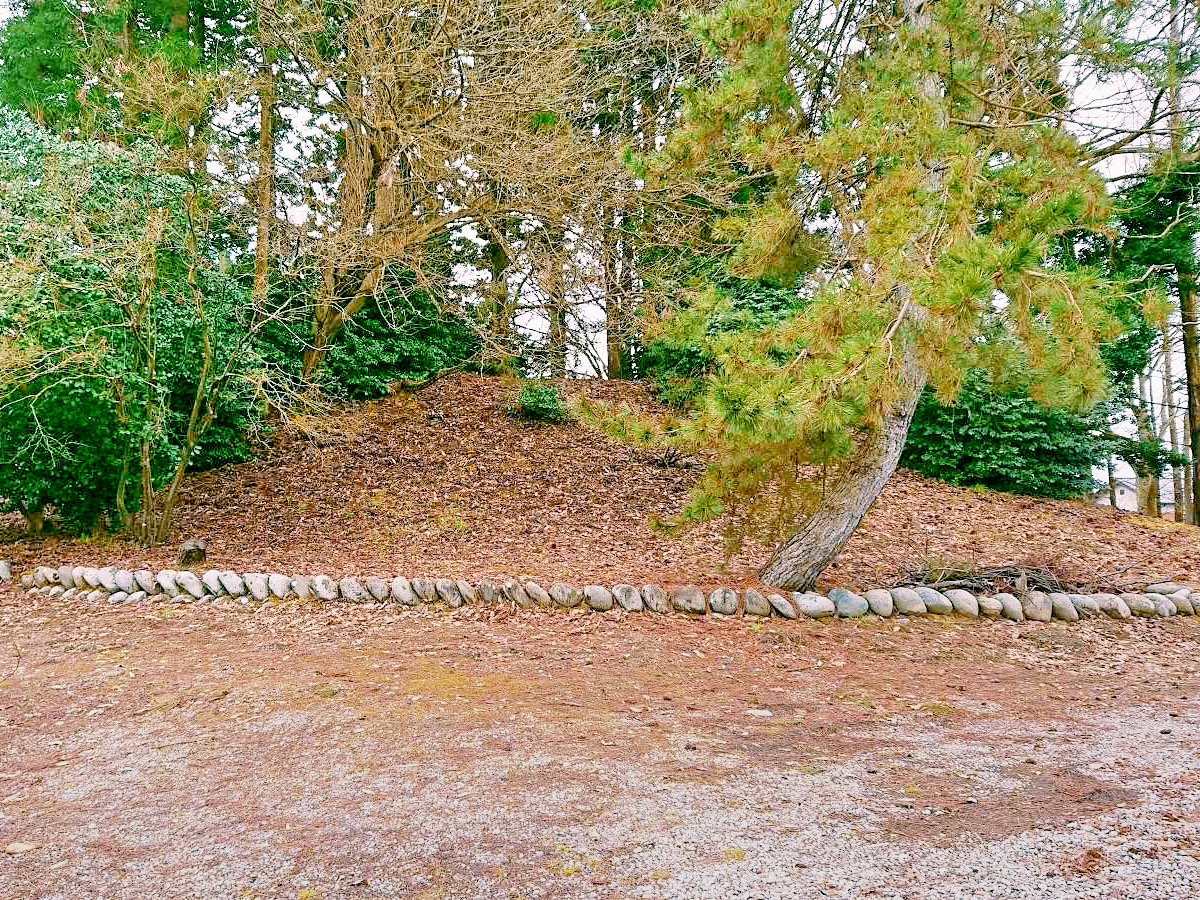
Kushidashin Site
Late Jōmon settlement with Kofun burial mounds.
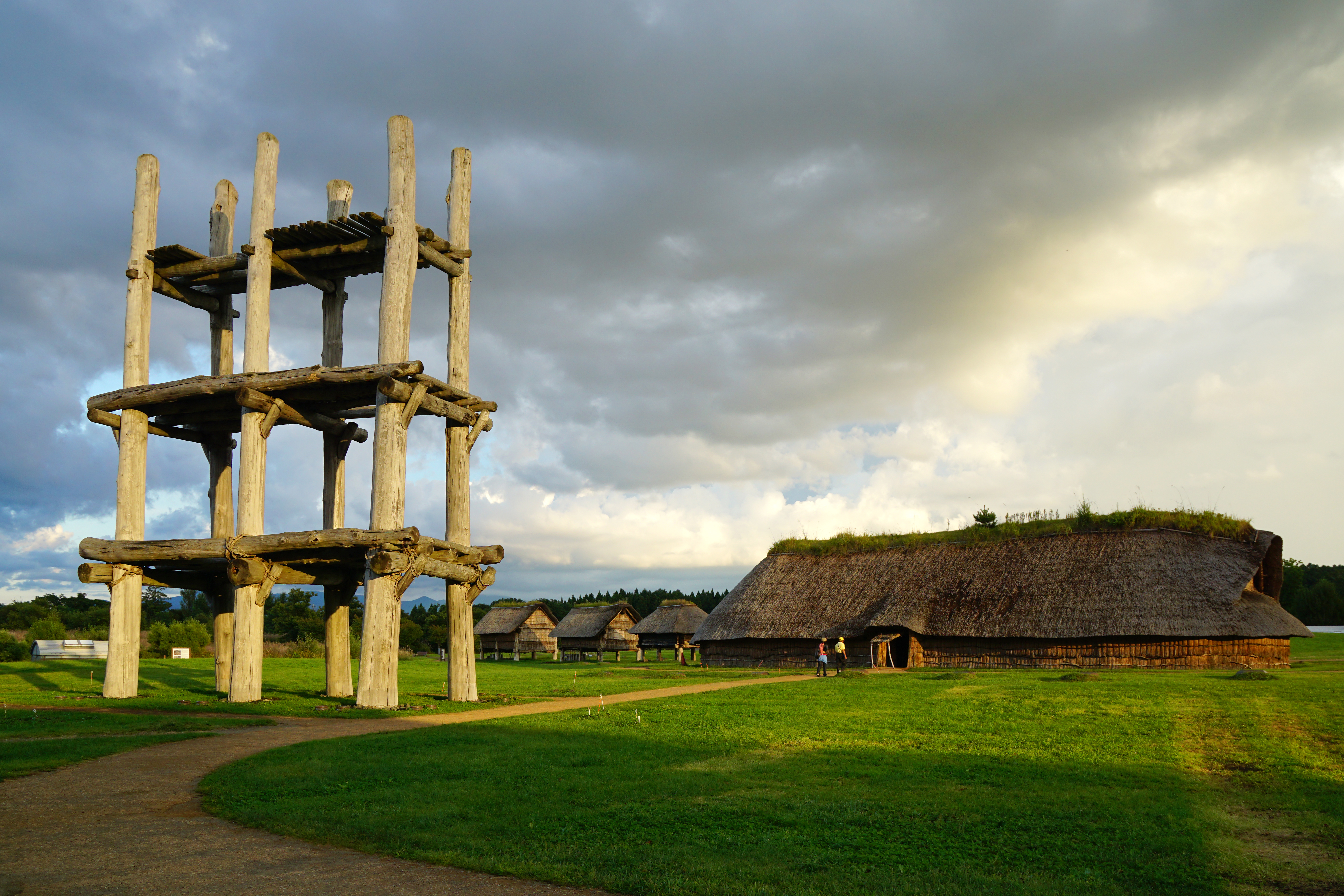
Sannai-Maruyama Site
Large Jōmon period settlement ruins
Tenpaku Site
Jōmon necropolis and ritual site in Japan
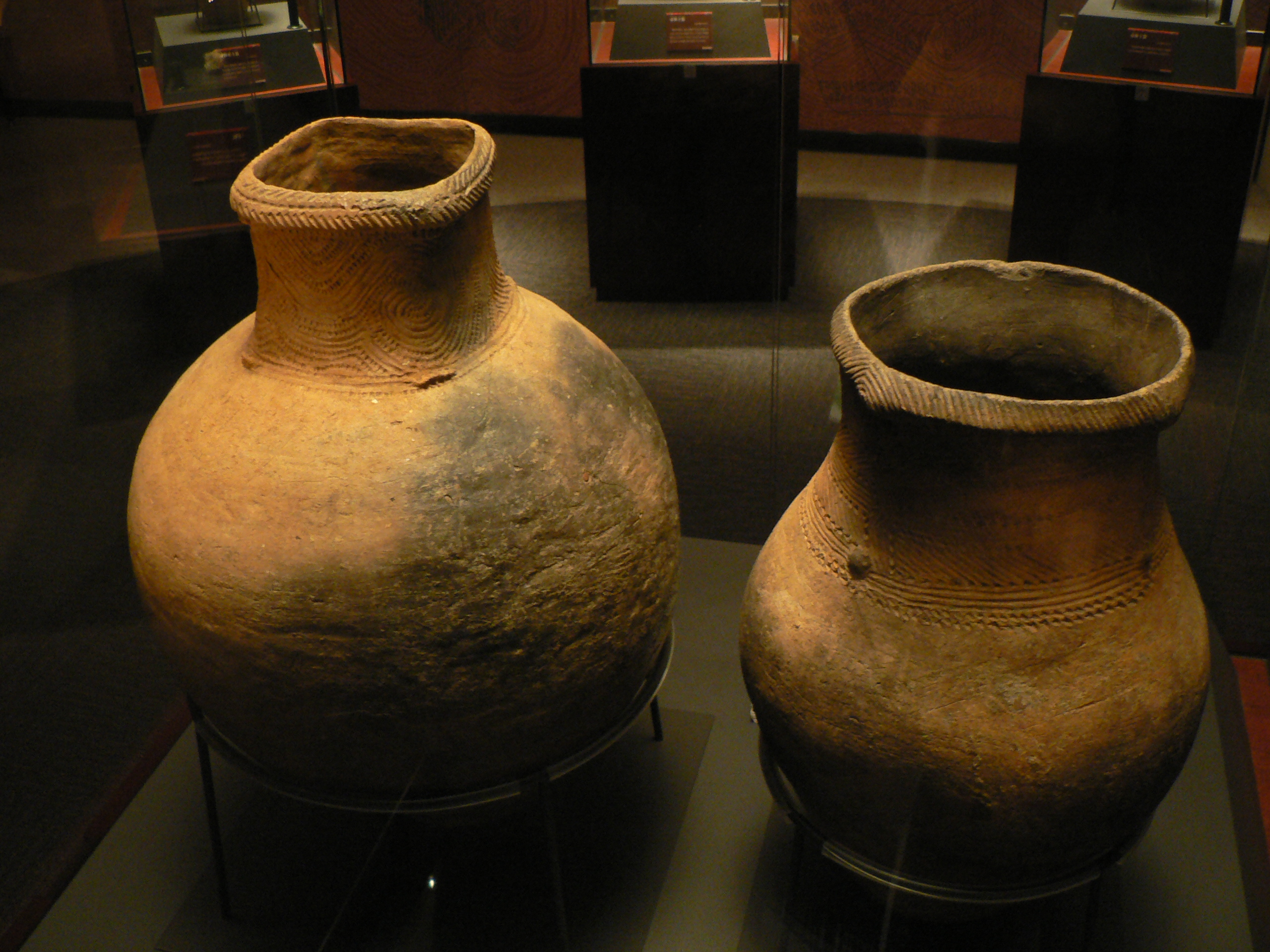
Uenohara site
Early Jōmon period settlement in Japan.
Terachi Site
Middle to late Jōmon period settlement
Mangyō Site
Late Yayoi–Early Kofun settlement, Nanao (Ishikawa), Japan