Explore the Map
Ōdai Yamamoto I Site
41.0672° N, 140.5550° E
About
The Ōdai Yamamoto I Site (大平山元I遺跡, Ōdaiyamamoto ichi iseki) is a Jōmon archaeological site in the town of Sotogahama, Aomori Prefecture, in the Tōhoku region of northern Japan. Excavations in 1998 uncovered forty-six earthenware fragments which have been dated as early as 14,500 BC (ca 16,500 BP); this places them among the earliest pottery currently known. As the earliest in Japan, this marks the transition from the Japanese Paleolithic to Incipient Jōmon. Other pottery of a similar date has been found at Gasya and Khummi on the lower Amur River. Such a date puts the development of pottery before the warming at the end of the Pleistocene.
Historical Timeline
Journey through time and discover key events in this site's history
Initial AMS radiocarbon results (uncalibrated)
c. 11,800–11,500 BC (uncalibrated)
Alternate radiocarbon range
13,780 ± 170 to 12,680 ± 140 BC
Calibrated radiocarbon dating
c. 14,500–14,000 BC (as early as ~16,500 BP)
Excavation and discovery
1998
UNESCO serial nomination submitted
2009
National Historic Site protection
2013
Public access improvements
2019
Archaeological Features
Unique architectural and cultural elements found at this historical site
Storage Structures
Industrial and Craft Structures
Environmental and Natural Features
Food Production and Processing Features
Frequently Asked Questions
Plan Your Visit
Tours, travel arrangements, and practical information


More Sites in Japan
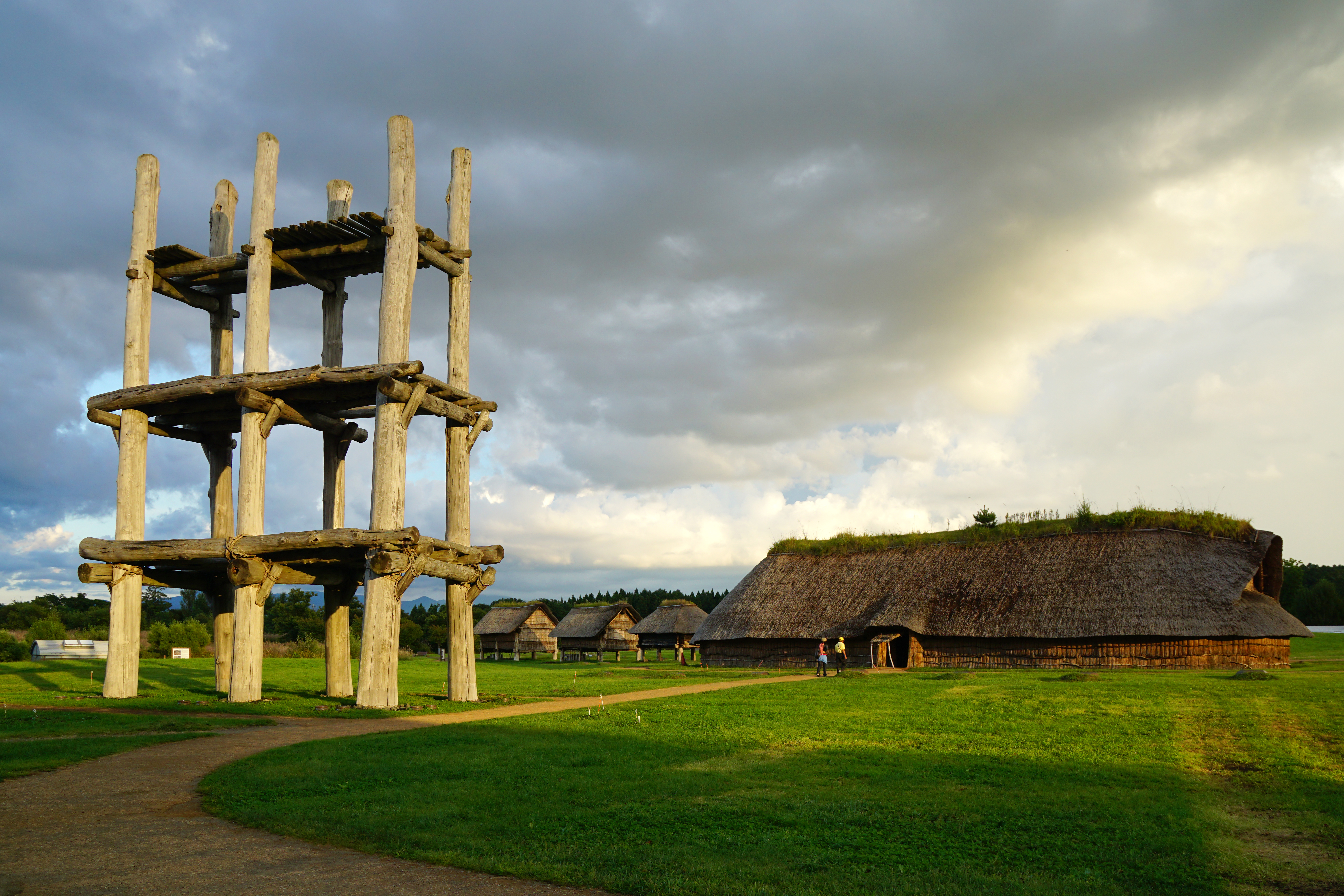
Sannai-Maruyama Site
Large Jōmon period settlement ruins
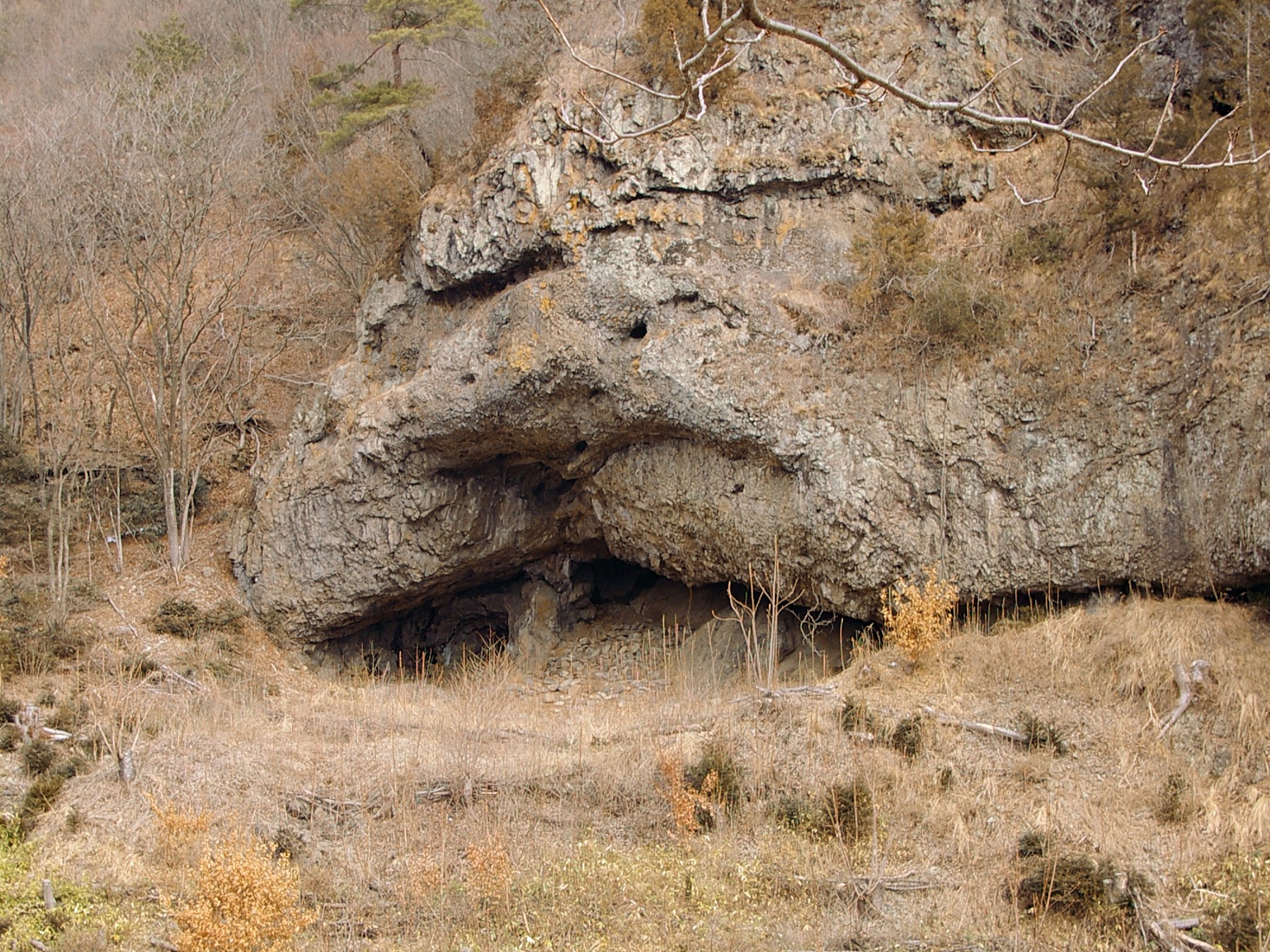
Tobayama Cave
Cave dwelling and tomb with grave goods
Tenpaku Site
Jōmon necropolis and ritual site in Japan
Mangyō Site
Late Yayoi–Early Kofun settlement, Nanao (Ishikawa), Japan
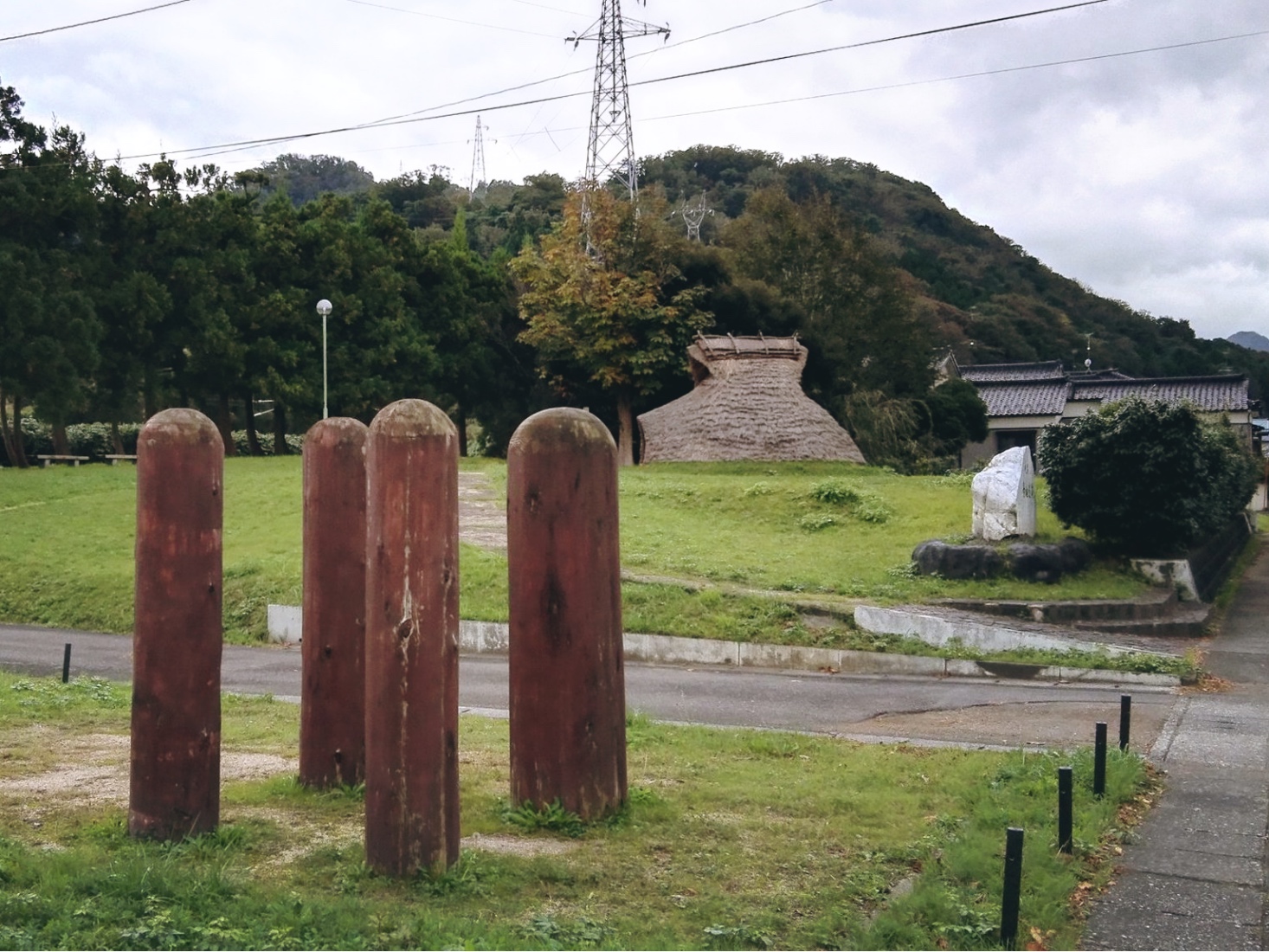
Terachi Site
Middle to late Jōmon period settlement
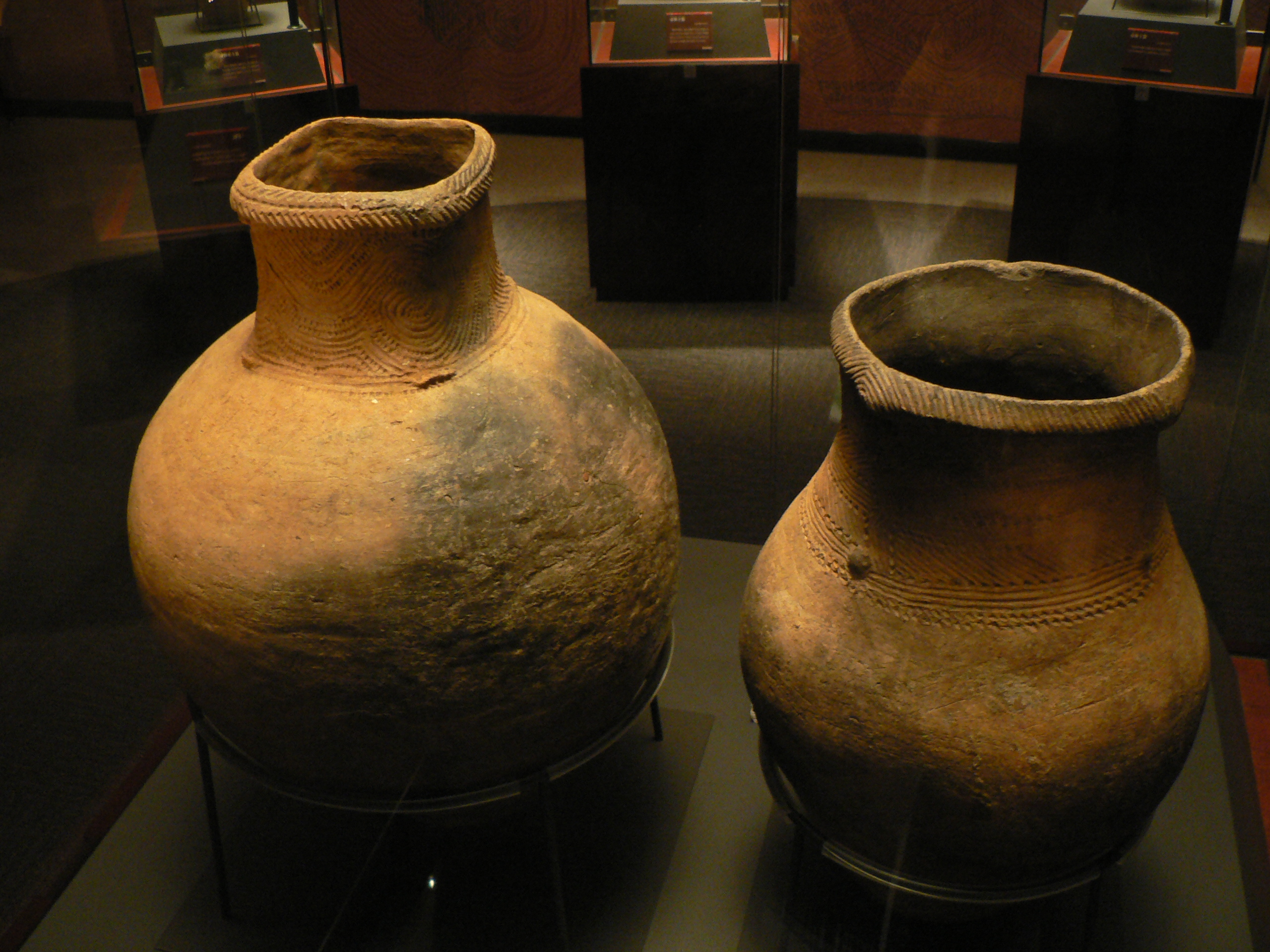
Uenohara site
Early Jōmon period settlement in Japan.