
Explore the Map
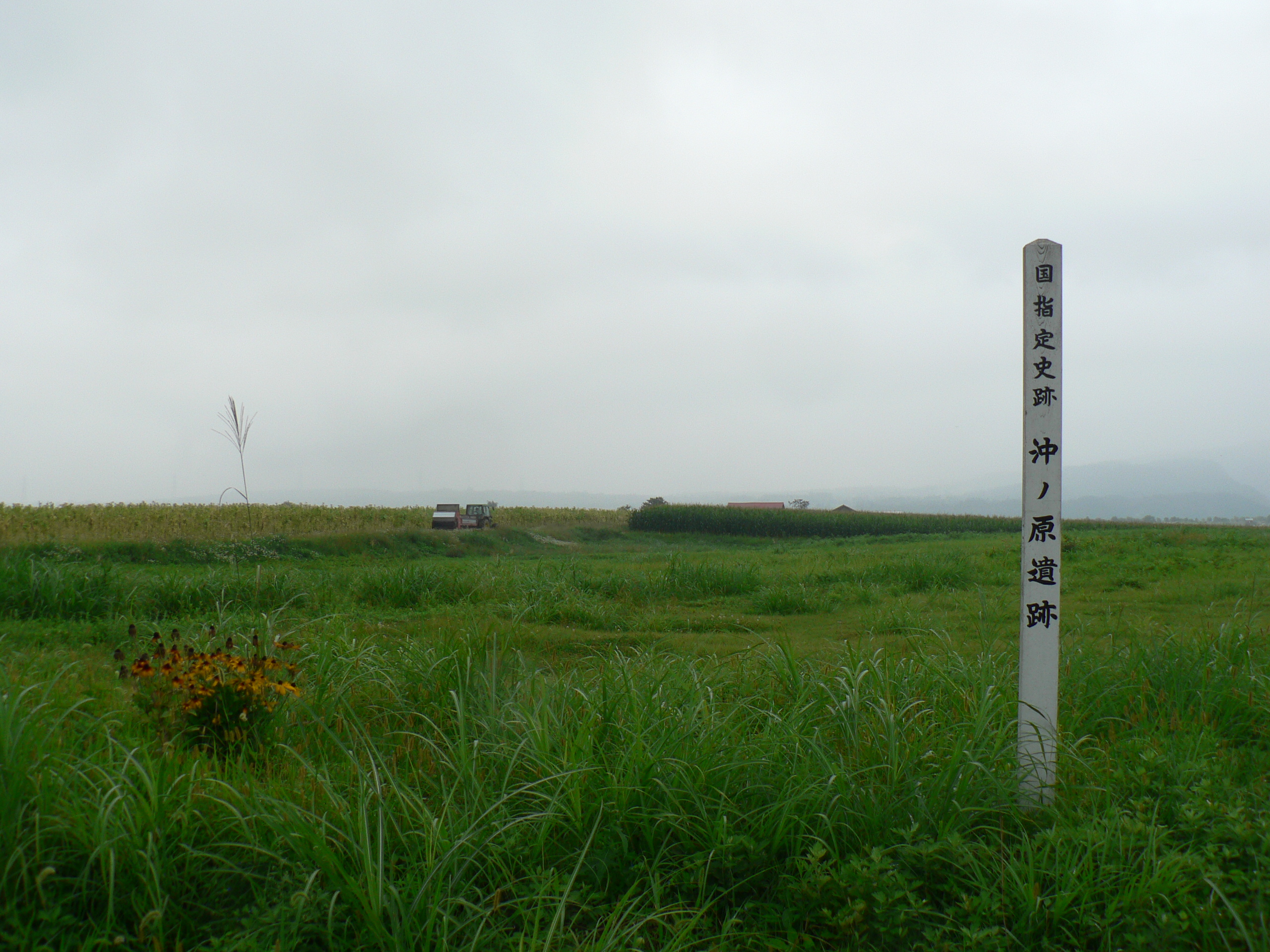
Okinohara Site
36.9925° N, 138.6517° E
About
The Okinohara Site is a significant archaeological site from the Middle Jōmon period, located in Tsunan, Niigata, Japan. The site features the remnants of a large moated village, with evidence of domestic and ceremonial structures. Among the notable finds are 49 circular pit dwellings and three large rectangular structures, potentially used for communal or ceremonial purposes. The discovery of over 1686 pieces of 'flame style' Jōmon pottery and a unique 'Okinohara type' pottery, along with stone tools and organic residues such as 'Jōmon cookies,' highlights the complex cultural practices of the Jōmon people. The presence of chestnuts suggests the cultivation of trees, indicating a shift from purely hunter-gatherer lifestyles. Recognized as a National Historic Site, the artifacts from the excavation are preserved and displayed at the Tsunan Town History and Folklore Museum.
Gallery
Explore photographs of ancient structures, artifacts, and archaeological excavations
Historical Timeline
Journey through time and discover key events in this site's history
Middle Jōmon settlement
3300 BCE to 2300 BCE
Archaeological Features
Unique architectural and cultural elements found at this historical site
Defensive Structures
Religious and Ritual Structures
Agricultural and Land Use Features
Domestic and Habitation Structures
Food Production and Processing Features
Frequently Asked Questions
Plan Your Visit
Tours, travel arrangements, and practical information
More Sites in Japan
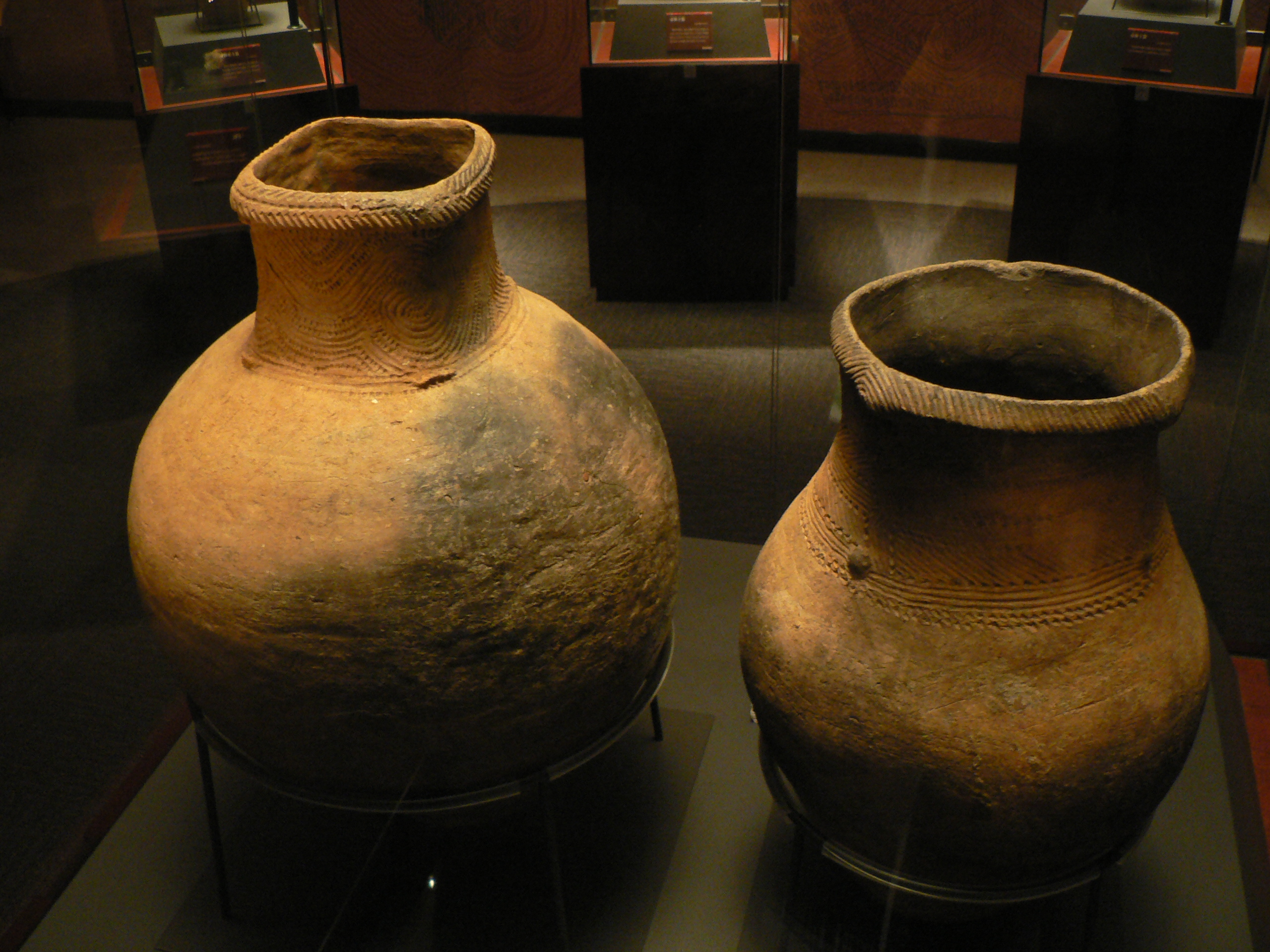
Uenohara site
Early Jōmon period settlement in Japan.
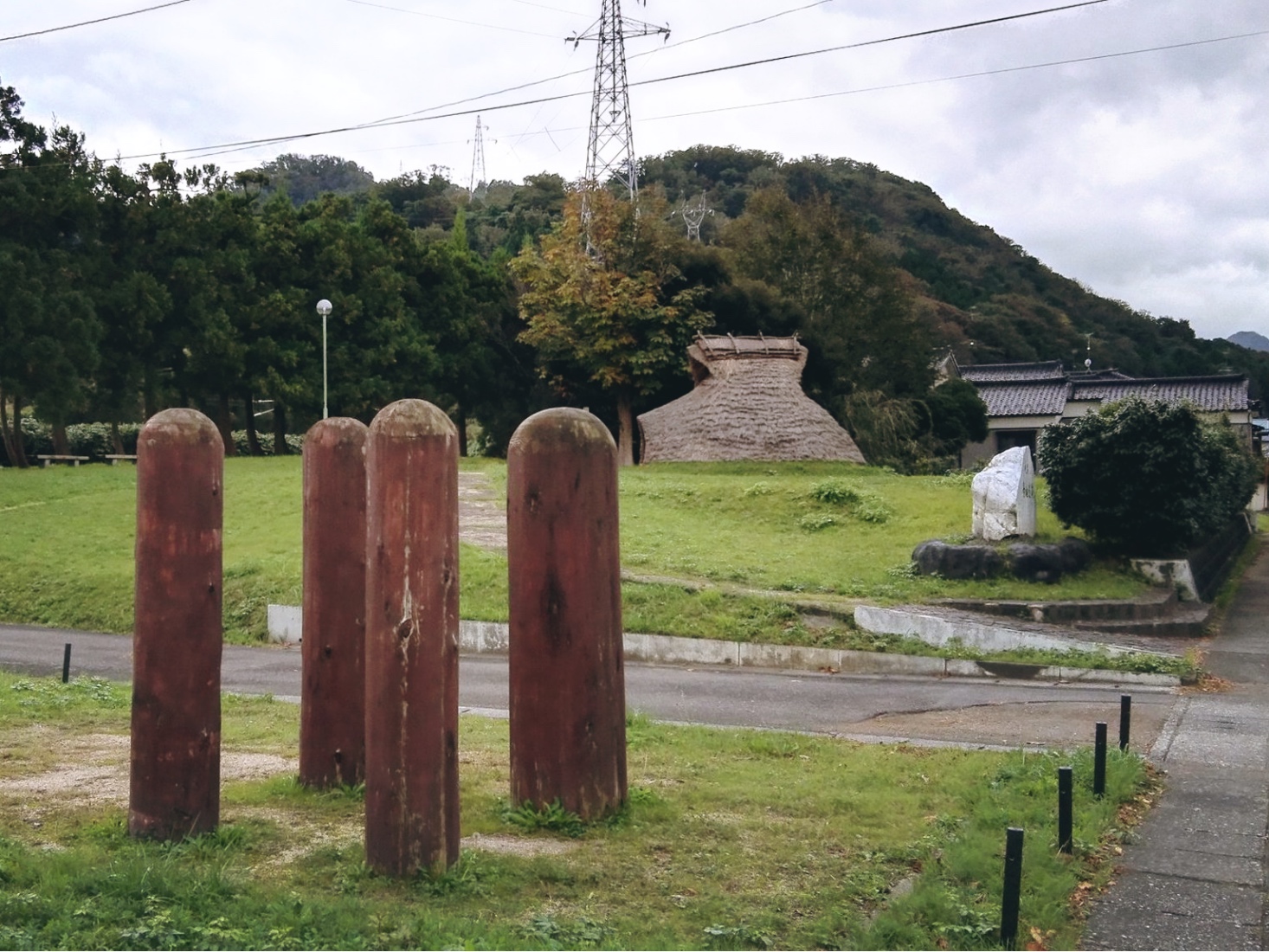
Terachi Site
Middle to late Jōmon period settlement
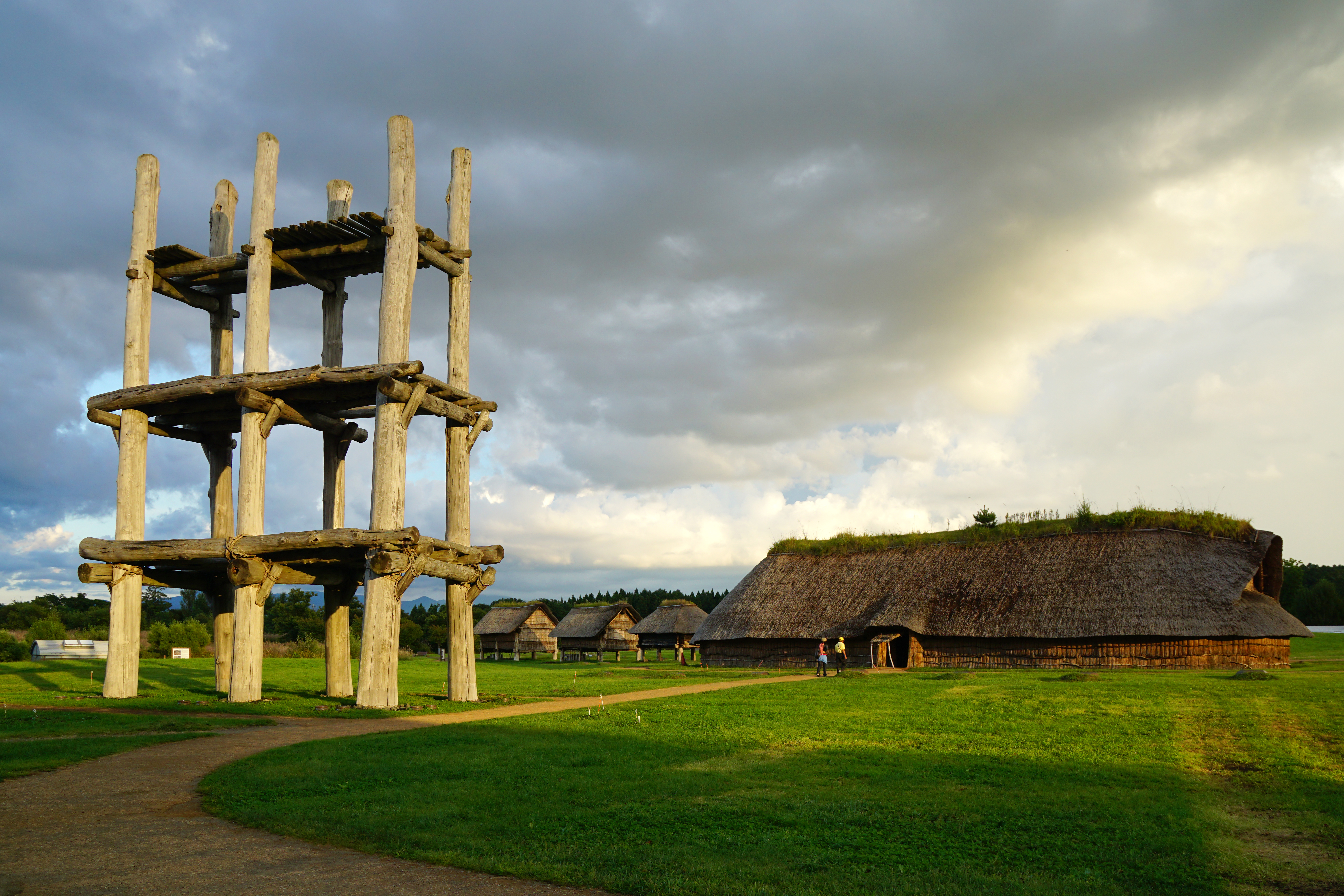
Sannai-Maruyama Site
Large Jōmon period settlement ruins
Kushidashin Site
Late Jōmon settlement with Kofun burial mounds.
Tenpaku Site
Jōmon necropolis and ritual site in Japan
Mangyō Site
Late Yayoi–Early Kofun settlement, Nanao (Ishikawa), Japan